Beginner’s Guide to Pickleball Paddles: Everything You Need to Know
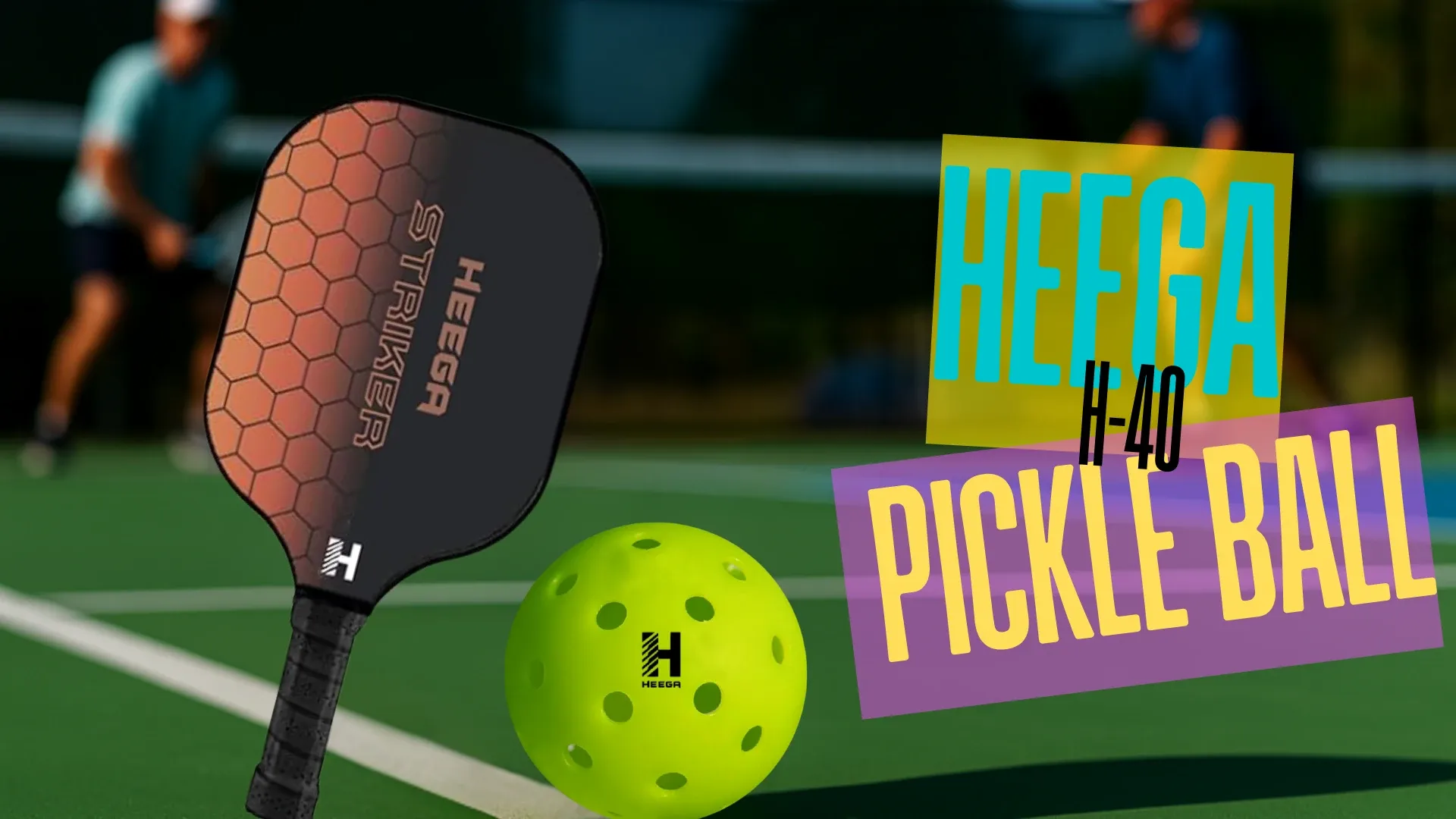
Pickleball is one of the fastest-growing sports worldwide, combining elements of tennis, badminton, and ping pong. Whether you’re a beginner stepping onto the court for the first time or an intermediate player looking to improve, the most essential piece of equipment you’ll need is a pickleball paddle.
Choosing the right paddle can significantly impact your performance, control, and overall enjoyment of the game. However, with so many options available, understanding the differences in materials, shapes, weights, and features can feel overwhelming.
In this comprehensive guide, we’ll cover everything you need to know about pickleball paddles—from types and materials to tips for selecting the best one for your playing style.
What Is a Pickleball Paddle?
A pickleball paddle is the primary tool used to hit the ball across the net. Unlike a tennis racket, pickleball paddles have:
- No strings
- A flat hitting surface
- A solid core material for durability and control
The paddle plays a crucial role in determining power, spin, and control during the game.
Why the Right Paddle Matters
Your paddle can make a big difference in:
- Shot accuracy
- Power and control balance
- Comfort and injury prevention (especially for the wrist and elbow)
- Game performance and strategy
Using the wrong paddle can lead to fatigue, missed shots, and even discomfort or strain over time.
Parts of a Pickleball Paddle
Before choosing a paddle, let’s understand its basic components:
- Face – The surface that hits the ball; usually composite, graphite, or fiberglass.
- Core – The inside layer that determines power and control (polymer, Nomex, or aluminum).
- Edge Guard – Protects the paddle from chipping.
- Handle – Where you grip the paddle; length and circumference affect comfort and maneuverability.
- Grip – The cushioned wrap around the handle for a secure hold.
Types of Pickleball Paddle Materials
1. Wood Paddles
- Pros: Affordable, durable
- Cons: Heavy, less control
- Best for: Beginners on a budget or recreational play
2. Composite Paddles
- Pros: Balanced power and control, wide variety of textures for spin
- Cons: Mid to high price range
- Best for: Intermediate players looking for versatility
3. Graphite Paddles
- Pros: Lightweight, excellent control and touch
- Cons: More expensive
- Best for: Players who value finesse and quick reactions
Core Materials Explained
The core affects how the paddle plays. Common core types include:
- Polymer Core (Polypropylene)
- Most popular choice
- Quiet, durable, good control
- Ideal for all-around play
- Nomex Core
- Hard and loud
- Provides more power but less control
- Preferred by aggressive players
- Aluminum Core
- Lightweight, good control
- Not as powerful as Nomex or Polymer
- Great for players focused on placement shots
Paddle Weight: Why It Matters
Weight influences your play style:
- Lightweight (6.8–7.3 oz): Better control, easier for quick reactions, less strain
- Midweight (7.3–8.4 oz): Balanced power and control
- Heavyweight (8.5+ oz): More power, but harder on the arm and wrist
Pro Tip: Beginners usually do best with midweight paddles.
Grip Size and Comfort
Choosing the correct grip size prevents injuries and improves control:
- Small grip (4" – 4 1/8"): More wrist action, better spin
- Medium grip (4 1/4" – 4 3/8"): Balanced comfort and control
- Large grip (4 1/2" and above): More stability, less wrist movement
How to Measure Grip Size
- Hold the paddle naturally; if your index finger fits between your fingertips and palm, the grip is right.
Paddle Shape Options
- Standard Shape (16” x 8”): Balanced, most common
- Elongated Shape: More reach and power but smaller sweet spot
- Widebody Shape: Bigger sweet spot, ideal for beginners
Edge Guard vs Edgeless Paddles
- Edge Guard Paddles: More protection and durability
- Edgeless Paddles: Sleeker design, slightly larger hitting surface but less protected
Spin and Surface Texture
If you love adding spin to your shots, look for paddles with textured surfaces. Graphite and composite paddles often provide better spin control than smooth-faced paddles.
Noise Factor
Some communities have noise restrictions. If you play in a quiet neighborhood, opt for polymer core paddles, as they are the quietest.
Price Range
- Entry-level paddles: $20–$50
- Mid-range paddles: $50–$120
- Professional paddles: $120–$200+
Beginner Tips for Choosing Your First Paddle
- Start with a midweight composite paddle for balanced play.
- Don’t overspend as a beginner; you can upgrade later.
- Focus on comfort and grip size before anything else.
- Try different paddles if possible before buying.
- Check community rules (noise restrictions, tournament standards).
Common Mistakes to Avoid
- Choosing based on price alone.
- Ignoring weight and grip size.
- Not considering your play style (power vs control).
Final Thoughts
Choosing the right pickleball paddle can elevate your game, reduce fatigue, and make every match more enjoyable. For beginners, a midweight composite or graphite paddle with a comfortable grip is usually the best choice.
As you progress, you can experiment with different weights, materials, and shapes to suit your playing style.
Shop Now
Shop Best Pickleball Paddles Here
Related posts
 Game-Changing Precision — What Sets Heega Pickleball Paddles ApartDiscover what makes Heega Pickleball Paddles superior — from power-packed performance to precision control. Learn how Heega delivers game-changing spin, comfort, and durability on every court.
 Heega Pickleball Paddles: Redefining Performance on Every CourtDiscover how Heega Pickleball Paddles are redefining performance with advanced technology, superior grip, and unmatched balance. Designed for all skill levels, Heega gives every player the edge to dominate every court.
 How Tennis Bats Help Beginners Learn Cricket: Understanding Weight, Size & Bat ControlLearn how tennis bats help beginners learn cricket by improving bat control, timing, balance, grip, confidence, and basic batting technique through simple practice.