Common Knocking Mistakes That Shorten Bat Life
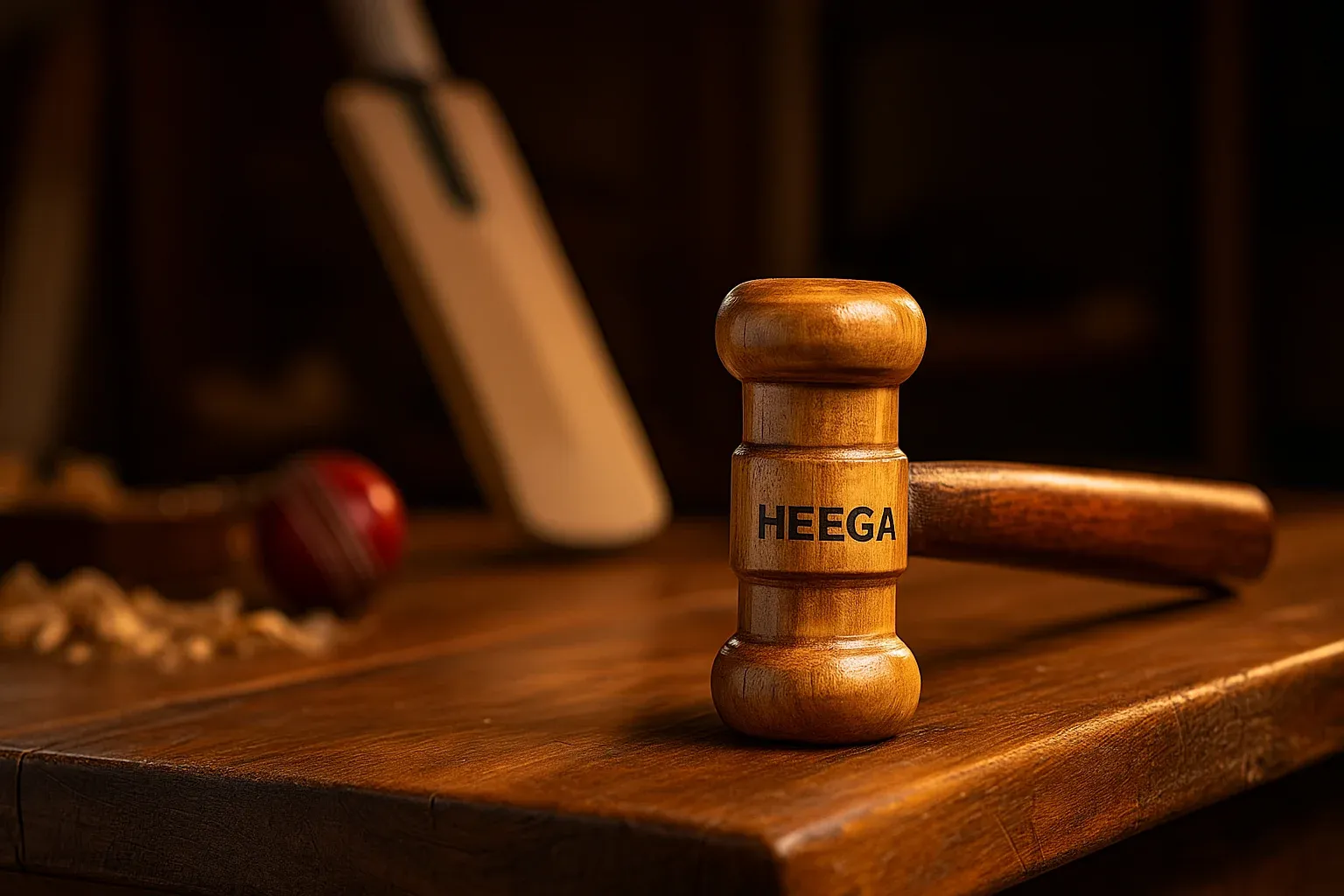
Every cricket player dreams of owning the perfect bat—strong, powerful, and ready to unleash boundaries. But before any bat touches the pitch, it must go through one critical process: knocking in.
Knocking strengthens the fibers of the willow, compresses the surface, and prepares the bat to handle high-speed cricket balls. Done right, knocking extends the life of your bat. Done wrong, it can ruin even the finest English willow.
Unfortunately, many players unknowingly make mistakes while knocking, leading to cracks, poor performance, and short bat life. In this blog, we’ll explore the most common knocking mistakes, why they’re harmful, and how to avoid them for long-lasting performance.
Why Knocking Matters
Before diving into mistakes, let’s understand why knocking is so crucial:
- Strengthens Fibers: Knocking compresses willow fibers, making them more resilient.
- Reduces Risk of Cracks: A well-knocked bat can handle ball impact without splitting.
- Improves Sweet Spot: Knocking expands the effective hitting area.
- Increases Longevity: Proper knocking ensures the bat performs for years, not months.
Skipping or mishandling this process is like driving a car without servicing—it won’t last long.
Common Knocking Mistakes Players Make
1. Using Too Much Force Too Early
Many beginners think hard knocks will prepare the bat faster. In reality, excessive force damages unprepared willow.
- Result: Cracks, dents, or broken grains.
- Correct Method: Start gently, gradually increasing force as the willow toughens.
2. Ignoring the Edges and Toe
Some players only knock the face, forgetting the edges and toe, which are the most vulnerable areas.
- Result: Edges crack under ball impact, toe splits on yorkers.
- Correct Method: Round off edges gently with a hammer. Knock the toe with light, glancing blows to strengthen it without over-compressing.
3. Knocking Too Little or Too Much
Both extremes are harmful:
- Too Little Knocking: The bat isn’t ready for match balls and may break on first use.
- Over-Knocking: Compresses the fibers so much that the bat feels dead and loses power.
- Correct Method: Typically, 6–8 hours of knocking is ideal, depending on the willow grade.
4. Using the Wrong Knocking Tool
Some players use metal hammers, mallets with rough surfaces, or even cricket balls directly for knocking.
- Result: These create dents, uneven compression, or damage grains.
- Correct Method: Always use a wooden knocking hammer or mallet designed for cricket bats.
5. Skipping Oiling Before Knocking
Willow is natural wood, and oiling keeps it moisturized. Many players skip oiling before knocking, leading to dry and brittle fibers.
- Result: Cracks form quickly during knocking and play.
- Correct Method: Apply 2–3 light coats of raw linseed oil (or specialized bat oil) before knocking. Allow absorption overnight.
6. Not Spreading Knocking Evenly
Concentrating on one area, especially the sweet spot, is another mistake.
- Result: Uneven compression, leading to dead spots or weaker areas on the blade.
- Correct Method: Knock the entire face, edges, and toe systematically to ensure even compression.
7. Playing With New Balls Too Soon
Many players rush to play with a brand-new ball after just a couple of hours of knocking.
- Result: The bat face can dent or crack before it’s ready.
- Correct Method: After knocking, start with throwdowns using an old leather ball. Gradually progress to new balls in nets before using in matches.
8. Forgetting Post-Knocking Maintenance
Knocking is not a one-time process. Neglecting aftercare can still shorten bat life.
- Result: Willow dries out, fibers weaken, and cracks reappear.
- Correct Method: Regular oiling, protective face tape, and anti-scuff sheets extend life after knocking.
The Correct Knocking Process: Step-by-Step
To avoid mistakes, here’s a proven knocking guide:
- Oiling: Apply 2–3 light coats of oil. Let dry for 12–24 hours.
- Start Gently: Use a wooden mallet. Begin with soft taps across the face.
- Build Intensity: Gradually increase force over 4–5 hours.
- Edges & Toe: Round edges with glancing blows. Strengthen toe carefully.
- Old Ball Practice: After 6–8 hours, play with an old ball in nets.
- New Ball Test: Only after successful old-ball sessions should you face new balls.
Signs of a Well-Knocked Bat
How do you know your bat is ready? Look for these signs:
- Slight indentation when pressing thumbnail into willow.
- Clear “ping” sound when hitting with a ball.
- No visible cracks or dents after facing old balls.
- Even compression across the blade.
Myths About Knocking That Hurt Bats
- “Machine Knocking is Always Better”
Machines are consistent, but hand knocking gives better control over edges and toe. - “Oiling Alone is Enough”
Oiling softens the willow but doesn’t compress fibers. Knocking is still essential. - “Knocking Isn’t Needed for Kashmir Willow”
Even budget bats benefit from knocking for longer life and better performance.
Pro Tips to Extend Bat Life Beyond Knocking
- Use an anti-scuff sheet for face protection.
- Apply toe guard to prevent yorker damage.
- Store bats in a cool, dry place away from direct sunlight.
- Avoid using your bat on wet pitches—moisture weakens willow.
- Re-oil and re-check compression every season.
Why Heega Knocking Hammers Make the Difference
At Heega Sports, our knocking hammers are crafted specifically for bats:
- Smooth Wooden Surface: Prevents grain damage.
- Balanced Weight: Ensures consistent compression.
- Durable Build: Long-lasting tool for repeated use.
Paired with our English willow and Kashmir willow bats, the right knocking hammer ensures your bat is match-ready and long-lasting.
Conclusion
Knocking is an art as much as a science. Done right, it enhances performance, durability, and confidence at the crease. Done wrong, it can ruin even the most expensive bat in days.
By avoiding common mistakes—using too much force, neglecting edges, skipping oiling, or rushing to play with new balls—you ensure your bat stays strong and reliable for seasons to come.
Remember, your bat is an investment. Treat it with patience, and it will reward you with boundaries, sixes, and unforgettable innings.
Shop Now
Prepare your bat the right way with Heega Knocking Hammers and Premium Bats — designed for balance, durability, and match-winning performance.
Shop Now
Related posts
 12 Common Mistakes Parents Make When Buying Cricket Equipment for Their ChildrenAvoid these 12 common mistakes parents make when buying cricket equipment for their children. Learn how to choose the right bat, helmet, gloves, pads, shoes, and accessories to support safe and enjoyable cricket development.
 English Willow Cricket Bat Knocking-In Explained: Preparing the Blade Before Match UseLearn how to knock in an English Willow cricket bat, prepare the blade before match use, avoid common mistakes, and protect your bat from premature damage.
 English Willow Cricket Bats: How to Identify Quality, Check Bat Balance and Avoid Buying MistakesLearn how to identify a quality English willow cricket bat, check its balance and pickup, understand grain patterns, and avoid common buying mistakes.