Common Mistakes That Damage Your Cricket Bat (And How to Avoid Them)
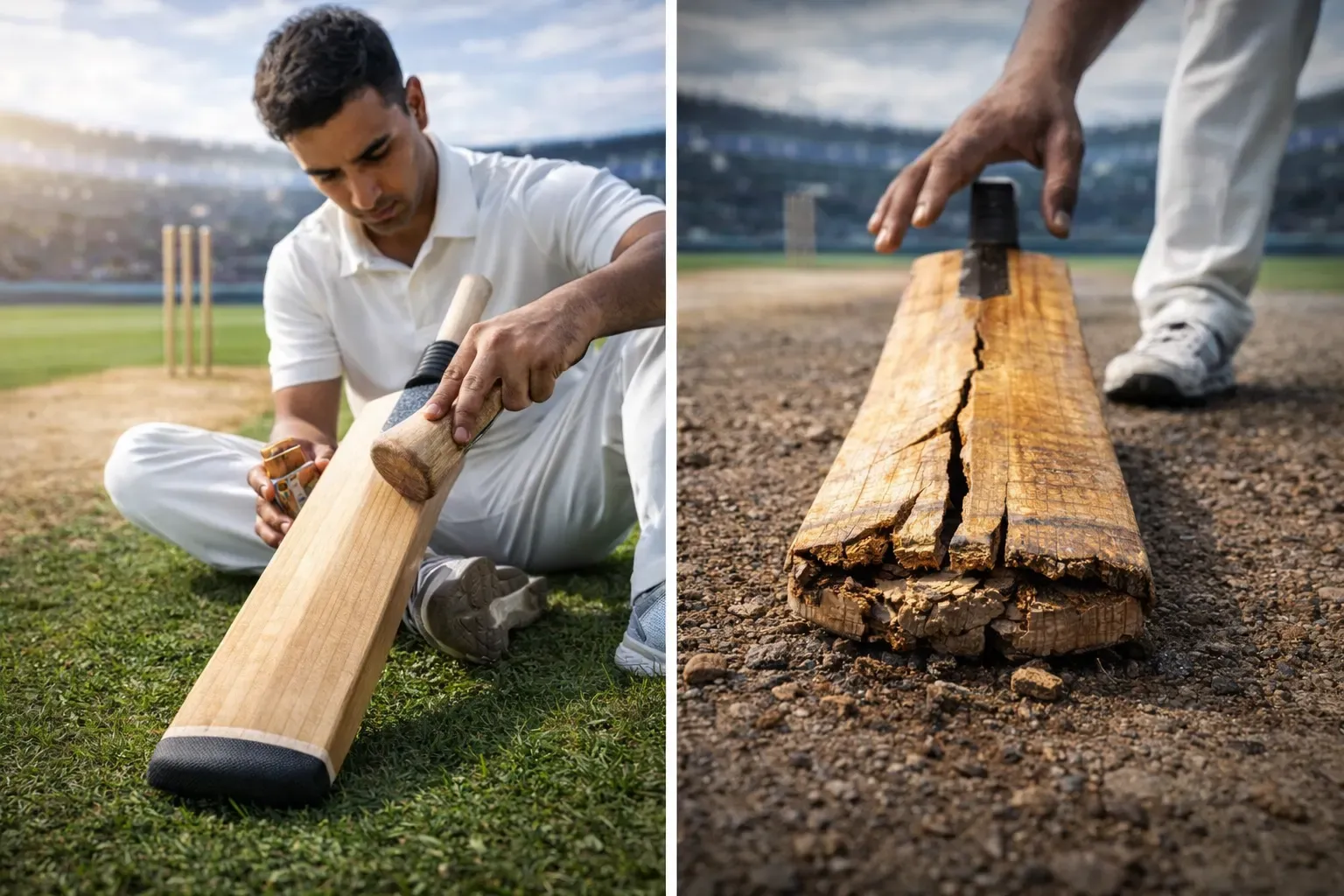
A cricket bat is more than just equipment — it is a player’s most trusted companion on the field. Whether you're playing in the UK (Europe), competing in Australia, training in the USA, or enjoying weekend cricket in Canada, South Africa, Sri Lanka, or Nepal, your bat needs proper care to deliver peak performance.
Unfortunately, many players unknowingly make mistakes that reduce the lifespan of their cricket bat. From improper knocking to poor storage, these errors can cause cracks, reduced performance, and even permanent damage.
In this guide by Heega Sports, we’ll cover the most common mistakes that damage your cricket bat and how you can protect your investment.
1. Not Knocking-in the Bat Properly
One of the biggest mistakes players make — especially beginners — is using a new English willow bat straight away without proper knocking-in.
Why This Is a Problem:
English willow is soft and fibrous. Without knocking-in:
- The bat can crack early
- The surface may dent easily
- The edges may split
This is a common issue among players in Sri Lanka and Nepal, where leather ball cricket is growing rapidly, and new players often skip preparation.
How to Avoid It:
- Use a wooden mallet
- Apply raw linseed oil lightly
- Gradually increase impact strength over 6–8 hours
- Practice with old balls before match use
Proper knocking significantly increases bat durability.
2. Using a Leather Ball on a Tennis Ball Bat
Many players in countries like Canada and the USA, where cricket is still developing, mistakenly use tennis ball bats for leather ball matches.
Why This Is a Problem:
Tennis ball bats are not designed to handle hard leather balls. This can:
- Crack the blade
- Damage the edges
- Break the handle
Solution:
Always use:
- English willow bats for leather ball cricket
- Kashmir willow bats for practice or tennis ball cricket
Choosing the correct bat type is crucial for longevity.
3. Over-Oiling the Cricket Bat
Applying oil is important — but too much oil is harmful.
What Happens When You Over-Oil?
- The bat becomes too heavy
- Wood fibers weaken
- Reduced rebound effect
This mistake is common in humid regions like South Africa and Sri Lanka, where players think extra oil protects against moisture.
Correct Method:
- Apply a thin layer of raw linseed oil
- Let it dry for 24 hours
- Wipe off excess oil
Remember: moderation is key.
4. Poor Storage Conditions
Weather plays a major role in bat maintenance.
In the UK (Europe):
Cold and damp conditions can cause:
- Wood swelling
- Handle loosening
In Australia:
Extreme heat can:
- Dry out the wood
- Cause surface cracks
In Nepal & Sri Lanka:
Humidity may:
- Affect grip quality
- Soften the toe area
Best Storage Practices:
- Store in a cool, dry place
- Avoid car boots during hot weather
- Use a bat cover
- Keep away from direct sunlight
Climate awareness helps extend bat life.
5. Hitting Yorkers on the Toe Without Protection
The toe area is highly vulnerable.
Repeated yorkers — especially on hard pitches in Australia or South Africa — can:
- Split the toe
- Cause deep cracks
- Reduce balance
Solution:
- Apply a toe guard
- Avoid drilling yorkers during practice
- Tape the bottom for extra protection
Toe protection is essential for fast-bounce conditions.
6. Not Using Anti-Scuff Sheets
Anti-scuff sheets protect the bat face from cracks and dents.
Many club-level players in the USA and Canada skip this step.
Without Protection:
- Surface cracks appear quickly
- Edges chip
- Performance reduces
Applying an anti-scuff sheet increases bat lifespan significantly.
7. Excessive Edge Shots
Modern bats have thick edges, especially T20-style bats. However, continuous mistimed shots damage the edges.
This is common in aggressive formats played in:
- Australia
- South Africa
- UK club cricket
Why It’s Harmful:
Edges are thinner than the middle.
Repeated impact weakens structural strength.
Prevention:
- Improve timing
- Practice shot selection
- Avoid reckless hitting during nets
Skill improvement reduces bat damage.
8. Using the Bat for Practice Throwdowns on Concrete
Street cricket culture in Nepal and Sri Lanka sometimes involves playing on cement or rough surfaces.
Hard surfaces:
- Increase vibration
- Crack the blade
- Damage the toe quickly
Tip:
Use older bats for rough surfaces.
Reserve premium bats for proper pitches.
9. Ignoring Small Cracks
Small surface cracks are normal — but ignoring them is dangerous.
Over time, minor cracks:
- Expand deeper
- Reach the splice area
- Permanently weaken the bat
Solution:
- Apply bat tape immediately
- Repair with wood glue if necessary
- Consult professionals if crack spreads
Regular inspection prevents bigger issues.
10. Dropping the Bat Frequently
Many players casually throw their bat after a shot.
This can:
- Damage the toe
- Loosen the handle
- Create hidden fractures
Professional players in the UK and Australia are extremely careful with handling their bats.
Treat your bat like an investment, not just equipment.
11. Playing in Wet Conditions Without Care
Rain and moisture are enemies of willow.
In regions like:
- UK (Europe)
- Canada
- South Africa
Wet outfields can:
- Soften wood fibers
- Reduce bat strength
- Cause swelling
What To Do:
- Wipe immediately after use
- Dry naturally (not under direct heat)
- Avoid storing in damp bags
12. Using Incorrect Bat Weight
Using a bat that is too heavy for your strength causes:
- Mistimed shots
- Excessive vibration
- Higher stress on blade
Many beginners in the USA and Nepal buy heavy bats thinking heavier means more power.
Correct bat pickup matters more than weight.
13. Skipping Regular Maintenance
Like any sports gear, cricket bats need maintenance.
Neglecting:
- Grip replacement
- Re-oiling (when required)
- Edge taping
Will shorten lifespan significantly.
Professional players across Australia, South Africa, and the UK regularly maintain their bats for peak performance.
How Long Should a Cricket Bat Last?
With proper care:
- English willow bat: 2–4 seasons
- Kashmir willow bat: 1–3 seasons
Lifespan depends on:
- Playing frequency
- Match format
- Maintenance habits
- Pitch conditions
Why Proper Bat Care Matters Globally
Cricket is expanding rapidly in:
- USA
- Canada
- Nepal
- Europe
As the sport grows internationally, investing in the right equipment and caring for it properly becomes even more important.
Whether you're playing competitive league cricket in Australia, club cricket in the UK, or developing the sport in the USA, bat care knowledge gives you a performance advantage.
Final Thoughts
Your cricket bat is a valuable investment. Most bat damage doesn’t happen suddenly — it happens due to repeated small mistakes.
By avoiding:
- Improper knocking
- Poor storage
- Over-oiling
- Wrong ball usage
- Rough surface play
You can significantly extend your bat’s life.
At Heega Sports, we believe performance begins with proper equipment care. Protect your bat, and it will reward you with powerful strokes and consistent performance on every pitch — whether in South Africa, Sri Lanka, Nepal, Australia, Canada, USA, or the UK.
Protect Your Game with the Right Equipment
Explore premium quality English and Kashmir willow cricket bats designed for players worldwide.
Shop Now at Heega Sports – Upgrade Your Cricket Gear Today
Related posts
 English Willow Cricket Bats: How to Identify Quality, Check Bat Balance and Avoid Buying MistakesLearn how to identify a quality English willow cricket bat, check its balance and pickup, understand grain patterns, and avoid common buying mistakes.
 Why Cricket Bats Crack: The Common Causes and How Players Can Prevent DamageWhy do cricket bats crack? Learn the common causes of cricket bat damage, how cracks develop, warning signs to watch for, and simple ways to protect and maintain your bat.
 Cricket Equipment Mistakes That Every Player Should AvoidDiscover the 10 cricket equipment mistakes every player should avoid. Learn expert tips on choosing cricket bats, helmets, gloves, pads, shoes, bags, accessories, and sportswear with premium gear from Heega Sports.