Game Flow and Paddle Shape: A Player’s Guide
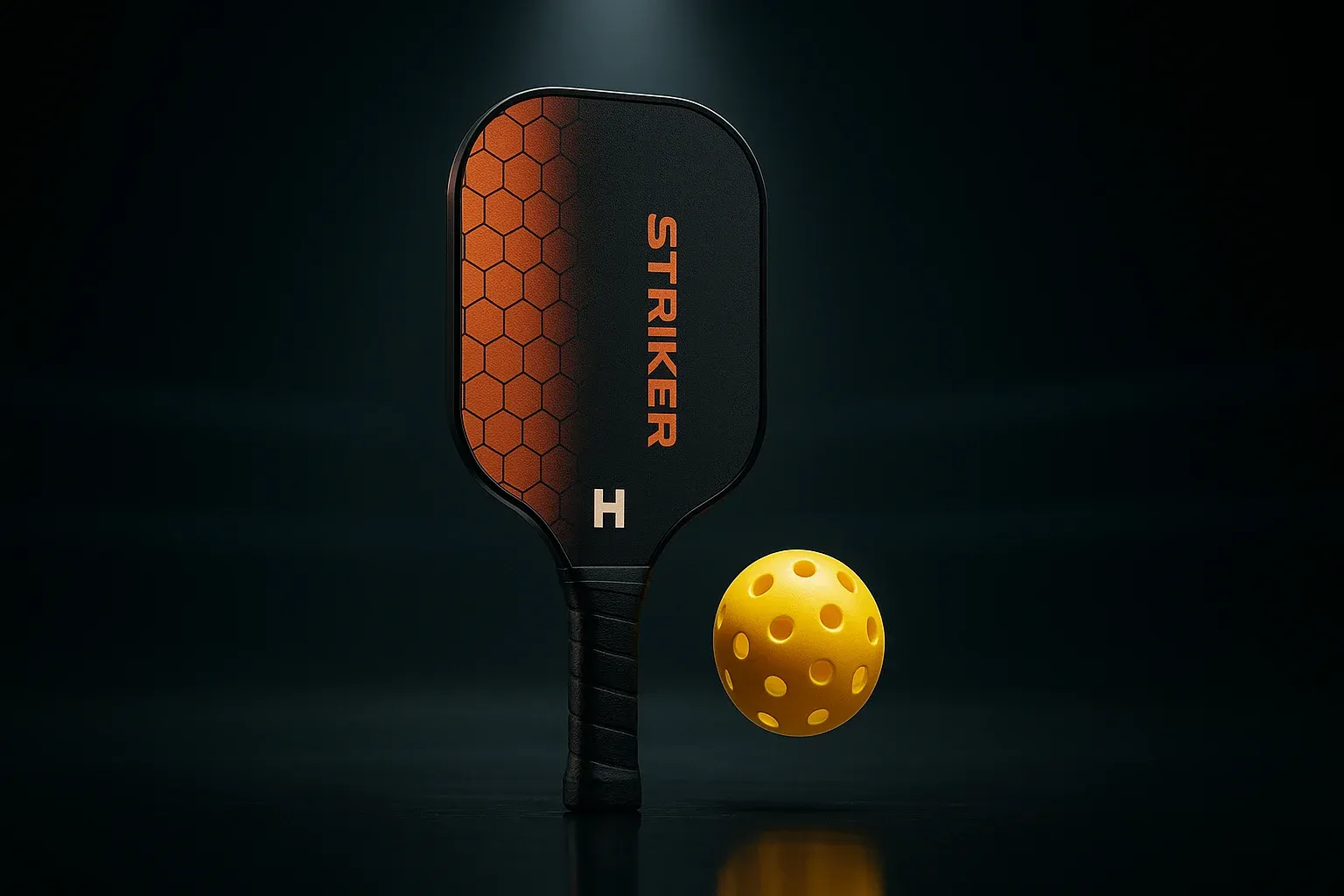
In pickleball, skill and strategy define champions—but your equipment completes the equation. The paddle, an extension of your hand, shapes how you strike, defend, and respond to every rally. Beyond materials like graphite or carbon fiber, there’s one factor most players overlook—the shape of the paddle.
The right paddle shape can mean the difference between smooth, flowing rallies and frustrating unforced errors. Whether you’re an aggressive player looking for power, or a tactical defender craving control, understanding paddle shape can completely transform your game flow.
In this blog, we’ll explore how paddle geometry influences movement, reaction, and rhythm—and help you identify the ideal paddle shape for your play style.
Understanding Game Flow in Pickleball
Before diving into paddle shapes, let’s define game flow.
Game flow is the rhythm and consistency of your play—the ability to transition seamlessly from defense to offense, maintain composure, and sustain long rallies.
When your paddle complements your natural rhythm:
- Shots feel instinctive.
- You recover faster after swings.
- You connect cleaner with the ball.
But when your paddle shape clashes with your mechanics, your rhythm feels off—you mistime hits, lose reach, or struggle to find your sweet spot.
That’s where paddle shape makes all the difference.
Anatomy of a Pickleball Paddle
A pickleball paddle isn’t just a flat board—it’s a combination of shape, face area, balance point, and edge profile that all influence your shot performance.
Key Elements:
- Length: Affects reach and leverage.
- Width: Influences forgiveness and control.
- Edge Shape: Impacts aerodynamics and swing flow.
- Handle Length: Determines grip comfort and maneuverability.
The challenge is finding the right balance between these factors to suit your natural style.
The Main Paddle Shapes and Their Impact
There are three common paddle shapes in pickleball—standard, elongated, and wide-body—and each affects game flow differently.
A) Standard Shape (Traditional Paddle)
Dimensions: Around 15.5" long x 8" wide.
Game Feel: Balanced, versatile, and comfortable for most players.
Ideal For:
- All-round players who mix offense and defense.
- Beginners developing control and shot placement.
Advantages:
- Large sweet spot for consistency.
- Great for rally flow and smooth transitions.
- Easy wrist control during quick exchanges.
If your game flow depends on rhythm and reliability, the standard shape supports effortless timing.
B) Elongated Shape (Power Paddle)
Dimensions: Around 16.5" long x 7.5" wide.
Game Feel: Longer reach and added power, but slightly reduced control.
Ideal For:
- Aggressive players and singles players.
- Those who like driving shots from the baseline.
Advantages:
- Extended reach helps in wide and high shots.
- Generates more leverage for powerful smashes.
- Perfect for attacking flow and strong forehands.
However, elongated paddles require better timing. A slight delay can send the ball off-center, breaking your rhythm.
C) Wide-Body Shape (Control Paddle)
Dimensions: Around 15.75" long x 8.25" wide.
Game Feel: Wider hitting area and greater forgiveness.
Ideal For:
- Defensive players and doubles specialists.
- Those who prefer short, reactive rallies near the net.
Advantages:
- Massive sweet spot for accurate hits.
- Quick handling for volley battles.
- Enhances rally stability and control flow.
In doubles play, this shape keeps the ball in play longer—helping maintain flow under pressure.
How Paddle Shape Affects Game Flow
Your paddle’s geometry interacts with your timing, swing path, and energy. Let’s see how:
a) Swing Speed and Aerodynamics
- Elongated paddles cut through the air faster but are harder to maneuver close to the body.
- Standard paddles allow smoother swings in tight exchanges.
- Wide-body paddles offer slower but more stable movements.
In short: The narrower the paddle, the faster your swing—but the smaller your margin for error.
b) Sweet Spot Placement
- A centered sweet spot (standard paddles) keeps contact predictable.
- A lower sweet spot (wide paddles) favors defensive play.
- A higher sweet spot (elongated paddles) gives leverage for power.
Matching your stroke type to the sweet spot is key to maintaining natural game flow.
c) Balance and Momentum
A paddle’s balance point—where weight is distributed—affects how “connected” your swing feels.
- Head-heavy paddles: Boost power but slow down reflexes.
- Even balance: Offers a smooth, flowing rhythm.
- Handle-heavy paddles: Increase maneuverability but reduce drive power.
Choosing the right balance keeps your rhythm steady across long rallies.
d) Reach and Recovery
Elongated paddles improve reach but make recovery slower between shots.
Wide-body paddles shorten reach but quicken your reset.
Standard paddles strike harmony between the two.
For fluid game flow, your paddle should complement your movement, not fight it.
Matching Paddle Shape to Your Playing Style
Here’s how shape aligns with specific playing identities:
1. The Power Player
- Relies on smashes, drives, and deep baseline play.
- Needs reach and punch.
Best Fit: Elongated paddle for maximum leverage and shot depth.
2. The Control Player
- Prefers dinks, drop shots, and placement-based rallies.
- Needs large sweet spot and quick response.
Best Fit: Wide-body paddle for stability and forgiveness.
3. The All-Rounder
- Mixes aggression with control.
- Switches between net play and baseline easily.
Best Fit: Standard paddle for adaptability and rhythm.
Common Mistakes Players Make While Choosing Paddle Shape
1. Ignoring Game Style
Many players pick what’s trending rather than what fits their strengths.
Choose shape based on your play—not popularity.
2. Overlooking Comfort
A shape that feels unnatural breaks rhythm quickly.
Always test grip length and weight distribution.
3. Switching Shapes Too Often
Frequent changes disrupt muscle memory.
Stick to one style once your flow feels right.
4. Choosing Shape Without Core Type
Remember: shape + core density defines true paddle performance.
Match both for consistency.
How to Find Your Ideal Paddle Shape
Here’s a simple guide to discovering your shape:
- Assess Your Strengths: Are you more aggressive or defensive?
- Evaluate Your Movement: Do you play close to the net or deep at the baseline?
- Experiment in Practice: Try different paddles for 15–20 rallies each.
- Observe Game Flow: Which shape makes rallies smoother and timing natural?
- Lock It In: Stick with what complements your instinctive rhythm.
Advanced Tip: Shape Transition Training
If you’re upgrading paddle types—say, from standard to elongated—transition gradually.
- Start with shorter sessions.
- Focus on swing timing.
- Adjust grip tension.
- Use shadow swings before live rallies.
Your body adapts faster when transitions are smooth.
The Future of Paddle Shape Innovation
Paddle design is evolving beyond basic geometry. Modern brands now integrate:
- Edge-reinforced aerodynamics for faster swing flow.
- Asymmetric heads for optimized spin angles.
- AI-assisted paddle molds for perfect balance distribution.
In the coming years, expect shape-driven customization, where paddles are tuned to your biomechanics and reaction timing.
Conclusion
Pickleball is about rhythm—about flowing through every rally with balance and confidence. The right paddle shape doesn’t just change how you hit; it transforms how you think, move, and react on the court.
From wide-body paddles that help you outlast rallies to elongated ones that unleash explosive drives, your paddle’s geometry is your silent ally.
Find your shape. Master your rhythm. And let your game flow beyond boundaries.
Play with Precision – Explore Heega Pickleball Paddles
Engineered for control, crafted for power, and designed for your flow—Heega paddles combine balance, comfort, and innovation.
Related posts
 Kashmir Willow Cricket Bats for Power Hitting: How Blade Shape, Sweet Spot and Edge Thickness Work TogetherLearn how Kashmir willow cricket bat blade shape, sweet spot position, and edge thickness work together to support powerful shots, control, and balance.
 The Science of Willow Pressing: How Cleft Density Shapes Bat Power and LongevityLearn how willow pressing and cleft density affect cricket bat power, rebound, durability, pickup, and longevity, and understand what to look for when buying a bat.
 Cricket Bat Profile Explained: How Blade Shape Influences Balance and Shot-MakingLearn how cricket bat profile and blade shape affect balance, pickup, control, durability, and shot-making, and choose a profile suited to your playing style.