More Than Protection: The Ergonomics Behind Every Save
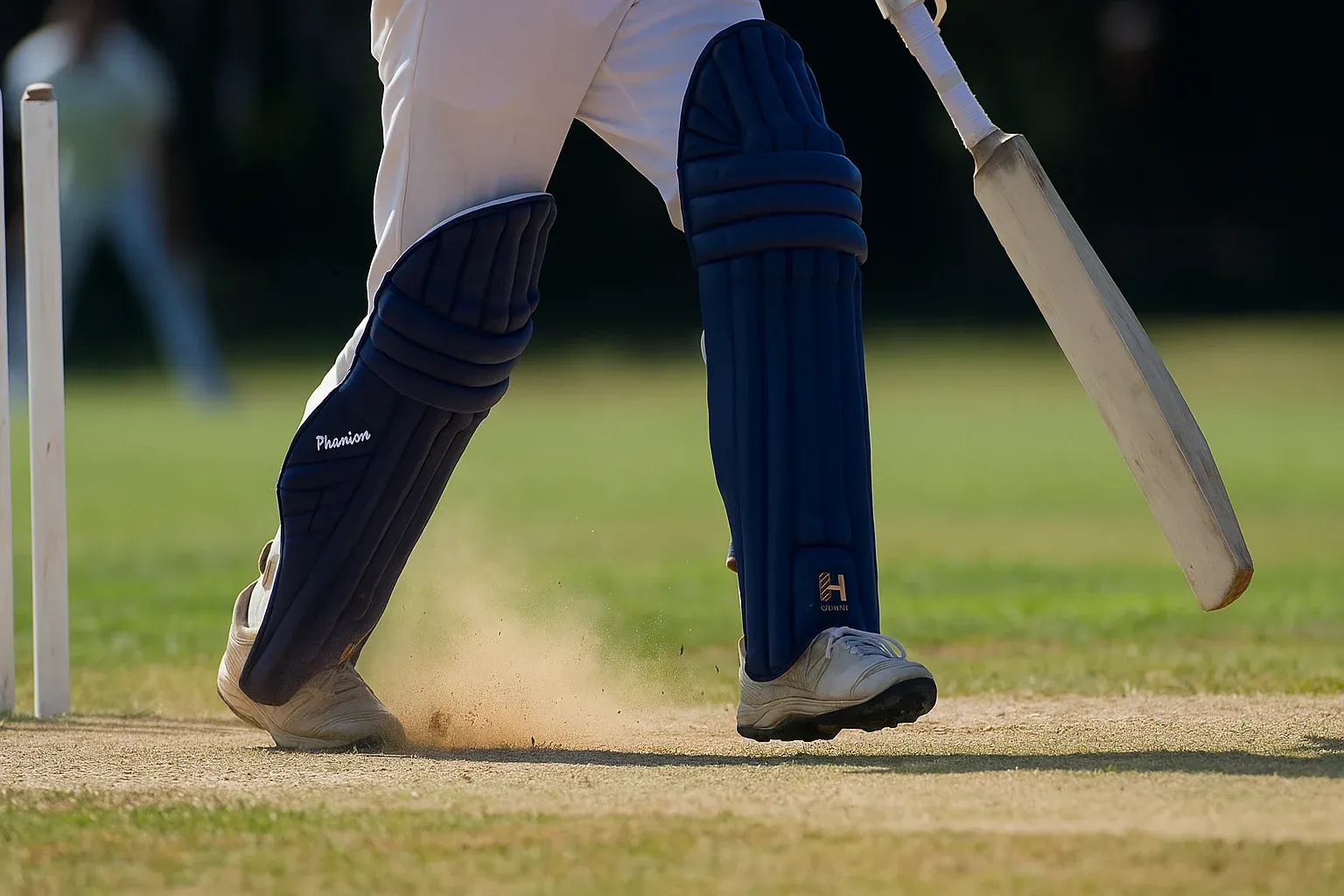
Wicket-keeping — the art of reflexes, timing, and precision — is one of cricket’s most demanding roles. Every delivery is a potential challenge, every edge a split-second test of instinct. But behind those spectacular saves and lightning-fast stumpings lies more than raw skill — it’s a combination of ergonomic gear, intelligent design, and player comfort.
Gone are the days when wicket-keeping gloves and pads were bulky, stiff, and purely protective. Today’s cricketing world has evolved, and so has the keeper’s armor. Modern gear is a masterpiece of ergonomics — the science of designing equipment to fit the human body and enhance performance.
This blog explores how ergonomics defines every aspect of a wicket-keeper’s equipment — turning protection into performance and transforming reaction into rhythm.
1. The Role of Ergonomics in Wicket Keeping
At its core, ergonomics is about making the player and their gear function as one. For wicket-keepers, whose job demands constant squatting, diving, and lightning-fast glove work, this harmony is non-negotiable.
1.1 Understanding Ergonomics in Sports Gear
Ergonomics in cricket means designing equipment that:
- Fits the body’s natural movements
- Reduces strain and fatigue
- Enhances precision and reaction time
- Improves long-term comfort and injury prevention
For keepers, this translates into gloves that move with the fingers, pads that don’t restrict leg motion, and gear that supports — not limits — performance.
1.2 Why Comfort Equals Confidence
When a keeper feels comfortable, focus shifts entirely to the game — reading deliveries, predicting edges, and setting fields. Ergonomic gear ensures there’s no distraction, no irritation, and no unnecessary bulk. The design complements the keeper’s instincts rather than interfering with them.
2. The Science Behind Modern Wicket-Keeping Gloves
A keeper’s gloves are his most critical tool — they’re the final defense, the key to clean collections, and the barrier between ball and body. But beyond catching, today’s gloves are built with scientific precision.
2.1 Contoured Design for Natural Motion
Modern gloves are contoured to follow the natural curve of the hand, minimizing resistance and fatigue. Earlier gloves were flat-palmed and stiff, making catching awkward and energy-intensive.
Ergonomic gloves, however, feature:
- Pre-curved fingers for effortless closing
- Soft leather palms for superior touch and control
- Flexible joints that mimic finger motion
This allows keepers to react faster and with less effort, turning milliseconds into match-saving moments.
2.2 Materials That Work with You
Top-quality wicket-keeping gloves use:
- Premium leather for durability and grip
- High-density foam padding for shock absorption
- Breathable mesh panels for ventilation
Each material plays a role in comfort, flexibility, and performance. The combination ensures maximum dexterity without sacrificing safety.
2.3 Catch Control Technology
Ergonomic design isn’t only about comfort — it’s about precision. Innovations like cupped palm structure and reinforced webbing enhance catching accuracy, reducing ball rebound and slippage.
Modern gloves practically “guide” the ball into the pocket, turning what used to be a technical skill into a smooth, instinctive motion.
3. Pads that Move with Purpose
Wicket-keeping pads aren’t just miniaturized batting pads — they’re entirely different in structure, flexibility, and function. Modern pad design takes cues from biomechanics, understanding how the legs bend, twist, and spring into action.
3.1 Lightweight Yet Strong
Old-school pads were heavy, restricting agility. Today’s ergonomic pads use ultra-light synthetic materials and low-density foam that absorbs impact without weighing the player down.
This ensures the keeper can:
- Crouch for extended overs without strain
- Spring into dives effortlessly
- Move laterally with precision and balance
3.2 Curvature and Strapping Systems
Advanced pads feature anatomical curvature to fit the shin’s natural contour. Adjustable multi-point straps allow personalized fit, ensuring the pad doesn’t slip or rotate during play.
Every angle and curve is designed to support posture, allowing for stability during take-offs and soft landings during dives.
3.3 Ergonomic Padding Distribution
Rather than focusing on heavy front padding, modern pads strategically place protection where impact is most likely — near the knees, shins, and outer calves.
This selective reinforcement allows maximum protection with minimum obstruction.
4. The Art of Movement: Ergonomics Beyond Gear
While gloves and pads are crucial, true ergonomic design extends to how the entire gear system interacts with the keeper’s body. From posture to reaction mechanics, ergonomics plays a silent yet powerful role in performance.
4.1 Reducing Fatigue Through Better Design
Cricket keepers squat for hundreds of overs in a season. Poorly designed gear can cause joint stress, lower back strain, and muscle fatigue.
Ergonomically optimized equipment distributes weight evenly, reducing tension on the knees and hips — helping the keeper stay sharp, even deep into a long day’s play.
4.2 Enhancing Reflex Time
The more comfortable and unrestricted a player feels, the quicker their reflexes. Ergonomic gloves and pads streamline motion paths, ensuring minimal delay between the ball’s deviation and glove response.
It’s a subtle science that often makes the difference between a missed chance and a match-winning stumping.
4.3 Cooling and Moisture Management
Sweat and heat are constant challenges for keepers. Modern ergonomic design integrates ventilated foam, perforated leather, and moisture-wicking lining.
These materials keep the hands dry and prevent slippage, maintaining optimal performance through long spells behind the stumps.
5. Mental Ergonomics: The Psychology of Comfort
Physical ergonomics is only half the equation. Mental comfort — the feeling of being secure, supported, and confident — is equally important.
5.1 The Confidence Connection
When your gear fits perfectly, your mind is free to focus on reading the game. You’re not thinking about your gloves slipping or pads pinching — you’re anticipating the next move. This mental ergonomics boosts focus, confidence, and overall performance.
5.2 Comfort as a Performance Multiplier
Sports psychology backs this up: comfort directly enhances focus and reaction time. Ergonomic designs help keepers maintain their zone of performance, where body and mind work seamlessly.
6. Innovations Driving Modern Ergonomics
The last decade has seen a revolution in cricket equipment. With advanced technology and player feedback, brands like Heega Sports are pushing ergonomic boundaries further than ever before.
6.1 3D Modeling and Player Fit Scanning
Using 3D scanning technology, manufacturers now design gloves and pads that replicate real hand and leg anatomy, achieving millimeter-level accuracy. The result — gear that fits like a second skin.
6.2 Advanced Shock Absorption Materials
Cutting-edge foams and polymers, like EVA composites and memory gel inserts, absorb high-impact shocks without bulk. This means more flexibility, less strain, and better longevity for your equipment.
6.3 Sustainability Meets Ergonomics
New eco-friendly materials are not only lightweight but also breathable and recyclable — giving performance an environmental edge without compromise.
7. The Keeper’s Custom Fit: Tailoring Ergonomics to You
No two keepers are the same. Hand size, crouching stance, and glove preferences vary drastically between players. Ergonomic design shines brightest when it’s personalized.
7.1 Personalized Adjustments
Players can now choose:
- Finger length variations
- Grip padding thickness
- Web tension
- Pad height and curvature
A truly ergonomic setup is one where your gear feels invisible — you don’t notice it because it’s working perfectly with you.
7.2 Professional Insights
Elite keepers like MS Dhoni, Adam Gilchrist, and Jos Buttler have often emphasized that their gear setup is as personal as their batting grips. Each tweak, each modification enhances comfort and confidence — giving them that extra fraction of a second in decision-making.
8. Maintenance and Ergonomic Longevity
Even the best-designed gear loses ergonomic efficiency if not maintained properly.
8.1 Regular Care
- Clean after every match to remove sweat and dust
- Air dry naturally — avoid excessive heat
- Inspect stitching and webbing regularly
8.2 Replace When Needed
Old padding or worn leather can compromise comfort and protection. Modern ergonomics only works when materials retain their form — timely replacement keeps performance consistent.
9. The Future of Wicket-Keeping Ergonomics
The future promises even more innovation. Expect smart gloves with motion sensors, temperature-controlled padding, and biometric fit adjustments.
Technology will continue to push the boundary — ensuring wicket-keepers can perform at their physical and mental peak, safely and comfortably.
10. Final Thoughts: The Save Starts Before the Catch
Wicket-keeping is a dance of precision and anticipation. The true beauty of the role lies not just in athleticism but in how seamlessly a keeper moves — crouches, dives, rises, catches, throws — all in one fluid motion.
That motion is made possible not by brute strength, but by ergonomic harmony — the perfect balance of protection, comfort, and confidence.
So the next time you see a keeper dive full stretch and pluck a flying edge, remember — that save started long before the ball was bowled. It began with the right design, the right fit, and the right ergonomics.
Shop Now
Find ergonomically engineered wicket-keeping gear designed for comfort, protection, and performance.
Shop Now at Heega Sports
Related posts
 Cricket Batting Pads Explained: How Knee Protection, Shin Coverage and Strap Placement Affect Comfort and MobilityLearn how cricket batting pads, knee protection, shin coverage and strap placement affect comfort, mobility, impact protection and batting performance.
 Batting Gloves Explained: How Padding Placement and Finger Protection Help Manage Ball ImpactLearn how batting glove padding placement, finger protection, and fit help manage ball impact. Find practical tips for choosing cricket batting gloves.
 Wicket Keeping Leg Guards Explained: Fit, Flexibility and Protection for Faster Movement Behind the StumpsDiscover how to choose wicketkeeping leg guards with the right fit, flexibility, and protection for quicker movement, comfortable crouching, and confident keeping.