Polarized vs Regular Cricket Sunglasses: Which One to Choose?
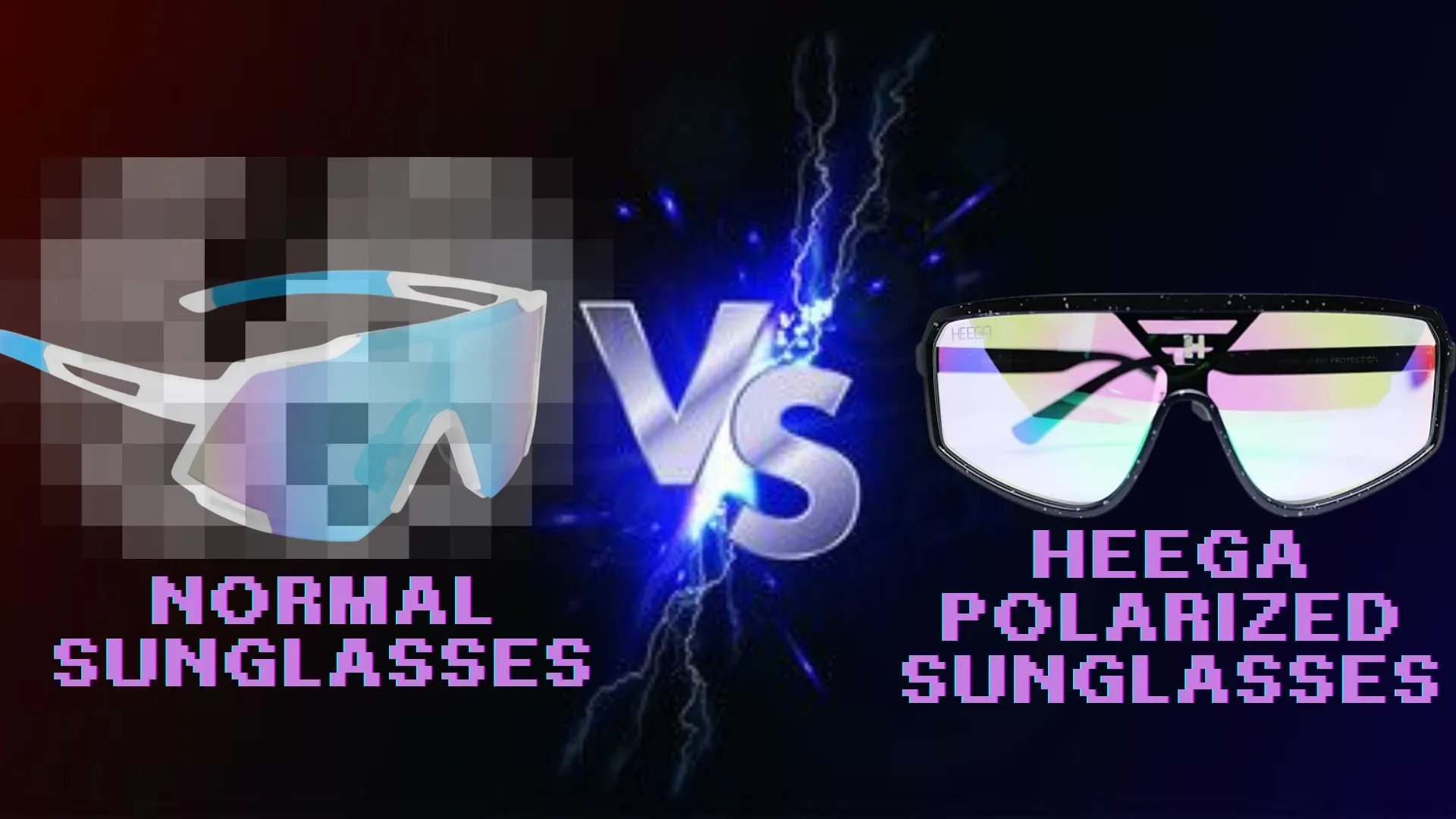
Cricket is not just a game of skills; it’s also about having the right equipment to enhance your performance on the field. While most players pay attention to bats, gloves, and pads, eye protection often gets overlooked. Playing under the sun for hours exposes your eyes to harmful UV rays and intense glare, which can lead to discomfort, fatigue, and even performance issues.
That’s where cricket sunglasses come into play. However, the common question among players is:
Should I go for polarized sunglasses or regular sunglasses?
Both serve the purpose of protecting your eyes, but there are significant differences in functionality, performance, and cost. In this comprehensive guide, we’ll dive deep into the science behind polarized lenses, compare them to regular sunglasses, analyze their pros and cons, and help you make the right choice based on your needs and playing conditions.
Why Do Cricketers Need Sunglasses?
Before we jump into polarized vs regular sunglasses, let’s understand why sunglasses are crucial in cricket:
- Protection from UV rays: Prolonged exposure to sunlight can cause eye damage, including cataracts and retinal issues.
- Better ball visibility: When the sun is overhead, spotting a white or red ball against the bright sky can be tough without proper eye gear.
- Reduced glare: Light reflecting off the pitch or grass can strain your eyes, affecting performance.
- Improved comfort: Sunglasses reduce eye fatigue, keeping your focus sharp during long matches.
Now, let’s break down the two main types of sunglasses cricketers use.
What Are Polarized Sunglasses?
Polarized sunglasses are not your average shades. They come with a special polarized filter that blocks intense reflected light, commonly known as glare. This glare usually comes from flat, shiny surfaces like water, roads, or in cricket, the polished pitch and green outfield under bright sunlight.
How Do They Work?
- Sunlight travels in all directions, but when it reflects off a surface, it becomes horizontally polarized, creating glare.
- Polarized lenses have a chemical filter that absorbs horizontal light waves while allowing vertical light to pass through.
- This results in reduced glare, better clarity, and improved contrast.
Benefits of Polarized Sunglasses in Cricket
- Superior Glare Reduction: Helps players track the ball clearly even under harsh sunlight.
- Enhanced Vision: Colors look more vivid, and depth perception improves.
- Eye Comfort: Reduces strain and fatigue during long innings or fielding sessions.
- Safety: Blocks harmful UVA and UVB rays, protecting your eyes.
What Are Regular Sunglasses?
Regular sunglasses, also called non-polarized sunglasses, are designed primarily to reduce brightness and protect your eyes from harmful UV rays. They do not have the polarized filter, so they do not eliminate glare completely.
Benefits of Regular Sunglasses
- UV Protection: Still offers basic eye safety from harmful sun rays.
- Affordability: Cheaper compared to polarized sunglasses.
- Stylish Options: Available in various tints, colors, and designs.
- Lightweight: Comfortable for casual players or training sessions.
When Should You Use Polarized Sunglasses in Cricket?
- Day Matches: Especially when the sun is overhead and glare is at its peak.
- Outdoor Practice: During long training sessions under bright sunlight.
- Fielding in the Outfield: Helps spot the ball coming from a distance without losing sight due to glare.
- Batting Against Swing: Clear vision helps you pick the ball earlier.
When Are Regular Sunglasses Enough?
- Overcast Days: When glare is minimal, non-polarized glasses work fine.
- Indoor or Net Sessions: No need for polarization when playing indoors.
- Budget Constraints: Beginners or casual players can start with regular sunglasses.
Pros and Cons
Polarized Sunglasses
Pros:
- Reduces glare dramatically
- Enhances vision clarity and contrast
- Offers better eye comfort
- Ideal for professional players
Cons:
- Expensive compared to regular sunglasses
- Can make reading digital screens harder
Regular Sunglasses
Pros:
- Affordable
- Lightweight and stylish
- Provides UV protection
Cons:
- Does not reduce glare effectively
- Lower contrast and visibility
Do Professional Cricketers Use Polarized Sunglasses?
Yes, most international players, especially those playing in sunny conditions like Australia, India, and South Africa, prefer polarized sunglasses. Brands like Oakley, Adidas, and Heega Sports offer high-quality polarized cricket sunglasses designed for maximum performance.
How to Choose the Right Sunglasses for Cricket
When selecting sunglasses for cricket, keep these factors in mind:
- Lens Quality: Look for 100% UV protection and impact-resistant lenses.
- Fit and Comfort: Lightweight frames with non-slip grips work best.
- Lens Color: Brown or gray lenses are popular for cricket as they enhance contrast.
- Anti-Fog and Scratch Resistance: Essential for durability and clear vision.
- Polarized or Not: If you play outdoors in bright sunlight often, go for polarized.
Additional Tips for Maintaining Cricket Sunglasses
- Clean with microfiber cloth: Avoid scratches.
- Store in a hard case: Prevent breakage.
- Avoid direct heat: Keep away from car dashboards or extreme sunlight.
- Check coating: Ensure the UV coating is intact for protection.
Final Verdict: Which One Should You Choose?
If you’re serious about cricket and play under bright sunlight, polarized sunglasses are the best choice. They offer:
- Better glare reduction
- Improved clarity
- Superior eye protection
If you’re a beginner or play casually, regular sunglasses will suffice for basic UV protection.
Shop Now
Related posts
 How Young Cricketers Can Turn Regular Practice Into Real Match Performance.Learn how young cricketers can turn regular practice into match performance through realistic drills, match simulations, decision-making, pressure training, and consistency.
 How Cricket Players Build Better Batting Habits Through Regular Practice.Learn how cricket players build better batting habits through regular practice, focused drills, match situations, repetition, feedback, and consistent routines.
 Play in Style: How the Right Sunglasses Boost On-Field ConfidenceDiscover how choosing the right sports sunglasses boosts confidence, enhances visibility, and improves your overall on-field performance. Learn why style, comfort, and protection matter for every cricketer.