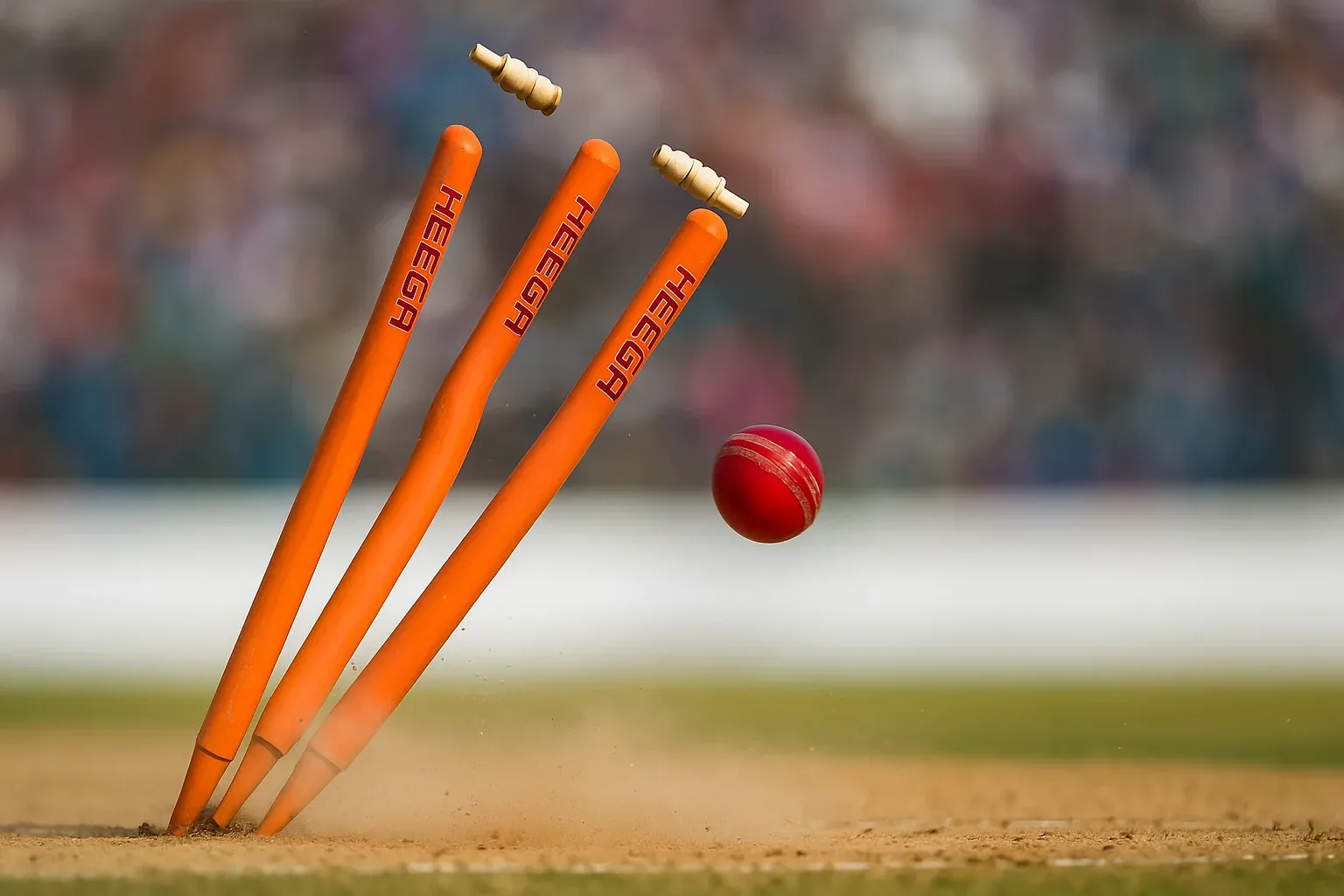
When people think about cricket equipment, they usually picture bats, balls, pads, and helmets. But without the humble stumps, the game wouldn’t even exist. Standing tall behind the batsman, stumps are more than just wooden poles in the ground — they are symbols of fairness, accuracy, and justice in cricket.
Whether in a backyard match, a local club game, or an international Test match, stumps play a vital role in maintaining the integrity of the sport. And as the game evolves with technology and innovation, stumps too have transformed, becoming stronger, more durable, and more reliable.
In this blog, we’ll take a deep dive into the importance of strong, durable stumps, exploring their history, functionality, symbolism, and technological advancements — while also uncovering why they’re central to fair play in cricket.
1. A Brief History of Cricket Stumps
The origins of cricket stumps can be traced back to the 16th and 17th centuries, when early forms of cricket were being played in rural England. Back then, a simple tree stump was often used as a target, which is why the name “stump” has survived to this day.
Originally, there were only two stumps until the mid-18th century when bowlers began bowling straighter and faster. To balance the game, a third stump was added around 1775 to make dismissals fairer and reduce ambiguity.
This evolution reflects one of cricket’s most defining features: the constant pursuit of fairness and balance between bat and ball.
2. Anatomy of a Cricket Stump
A stump might look simple, but its design is carefully crafted for durability and fairness. A standard cricket stump:
- Height: 28 inches (71.1 cm)
- Diameter: 1.38 inches (3.5 cm)
- Material: Traditionally made of English Ash or high-quality wood for strength.
Each set includes three stumps, topped with two bails. Together, they form the wicket, the central target of the game. The precision of the stump’s dimensions ensures consistency across matches worldwide.
3. The Role of Stumps in Cricket
Stumps are more than just a visual marker. They are integral to almost every aspect of cricket:
- Bowled Dismissal: If the ball hits the stumps and dislodges the bails, the batsman is out.
- Run Outs & Stumpings: Wicketkeepers and fielders rely on the stumps to complete these dismissals.
- LBW Judgments: Umpires often use the stumps as reference points for leg-before-wicket decisions.
- Psychological Factor: Stumps act as a target for bowlers, sharpening their accuracy and discipline.
Without strong stumps, the entire mechanics of dismissal and fairness in cricket would collapse.
4. Why Strength and Durability Matter
Imagine playing a high-level game where the stumps fall over too easily, crack after impact, or bend under pressure. It would not only disrupt the match but also compromise fairness. Strong, durable stumps ensure:
- Fair Dismissals: Weak stumps may fail to register a proper dismissal. Durable stumps guarantee that every bowled ball or run-out is clear and indisputable.
- Safety: Strong stumps resist splintering, protecting players from potential injuries.
- Consistency: From school cricket to international matches, durable stumps maintain the same playing conditions.
- Longevity: High-quality stumps withstand repeated impacts, saving costs and ensuring reliability.
In short, durable stumps uphold the integrity of cricket matches.
5. Traditional Wooden Stumps vs. Modern LED Stumps
Today, cricket has two primary types of stumps:
Traditional Wooden Stumps
- Timeless and durable.
- Used across school, club, and professional cricket.
- Affordable and eco-friendly.
- Provide the original “clatter” sound beloved by cricketers worldwide.
LED Stumps (Zing Bails Technology)
- Introduced in 2013 to enhance visibility for TV audiences.
- Flash with LED lights when bails are dislodged.
- Useful for close run-out and stumping decisions.
- Costly but effective for international tournaments.
Both types serve the same purpose — ensuring fair dismissals — but the addition of LED stumps shows how cricket continues to evolve while keeping fairness at its core.
6. Stumps as a Symbol of Fair Play
Stumps carry deep symbolic weight in cricket. They are:
- The Ultimate Judge: They decide bowled dismissals, run-outs, and stumpings without bias.
- A Psychological Battle: Bowlers aim for them, batsmen guard them, and umpires rely on them.
- A Symbol of Justice: When the ball strikes the stumps, there’s no debate — it’s out.
This role of stumps as an impartial arbiter is what makes them essential for fair play.
7. The Evolution of Stump Technology
Like other cricket equipment, stumps have advanced significantly:
- High-Density Woods: Ensure better durability and resistance.
- Weather-Resistant Finishes: Protect against moisture and cracking.
- LED & Camera-Integrated Stumps: Provide clarity in decision-making for close calls.
- Synthetic Stumps: Lightweight, portable options for training and recreational cricket.
These innovations ensure that stumps remain reliable, long-lasting, and accurate across all levels of the game.
8. Psychological Impact of Stumps on Players
Strong stumps don’t just serve a functional role — they influence players mentally.
- For Bowlers: A visible, sturdy set of stumps serves as a motivating target. Hitting the stumps is one of the most satisfying rewards for a bowler.
- For Batsmen: Guarding the stumps sharpens defensive skills and focus.
- For Fielders & Keepers: Confidence in stump quality allows them to execute accurate run-outs and stumpings without hesitation.
Thus, strong stumps contribute to performance psychology in cricket.
9. Stumps in Different Formats of Cricket
- Test Matches: Wooden stumps remain a symbol of tradition.
- ODIs & T20s: LED stumps add entertainment value while ensuring fairness.
- Domestic & Club Cricket: Durable wooden stumps are the go-to choice.
- Training Sessions: Lightweight plastic stumps are often used for juniors.
Each level of cricket emphasizes the importance of durable stumps suited to its demands.
10. Choosing the Right Stumps: Buyer’s Guide
For cricketers, schools, and clubs, choosing the right stumps can be a game-changer. Here’s what to consider:
- Material: English ash wood for durability; plastic or synthetic for casual play.
- Level of Play: Wooden stumps for serious matches, synthetic for practice.
- Weather Resistance: Moisture-proof finishes extend lifespan.
- Budget: Wooden stumps are affordable, while LED stumps are premium.
- Brand Reliability: Trusted brands like Heega offer high-quality stumps tested for durability.
Conclusion
Cricket stumps may look simple, but they are the heartbeat of the game’s fairness. Strong, durable stumps ensure dismissals are clear, safe, and consistent. From the traditional wooden stumps to high-tech LED versions, they symbolize the essence of cricket: a sport where fairness and balance matter most.
For bowlers, stumps are the ultimate target. For batsmen, they are the fortress to defend. For fans, they represent the drama of the game — the thrill of seeing bails fly or LED lights flash.
That’s why investing in quality stumps is not optional — it’s essential for maintaining cricket’s spirit of fair play.
Shop Now Button
Shop Now for Premium Heega Cricket Stumps