Play Long, Play Safe: Why Ergonomic Leg Guards Matter Most
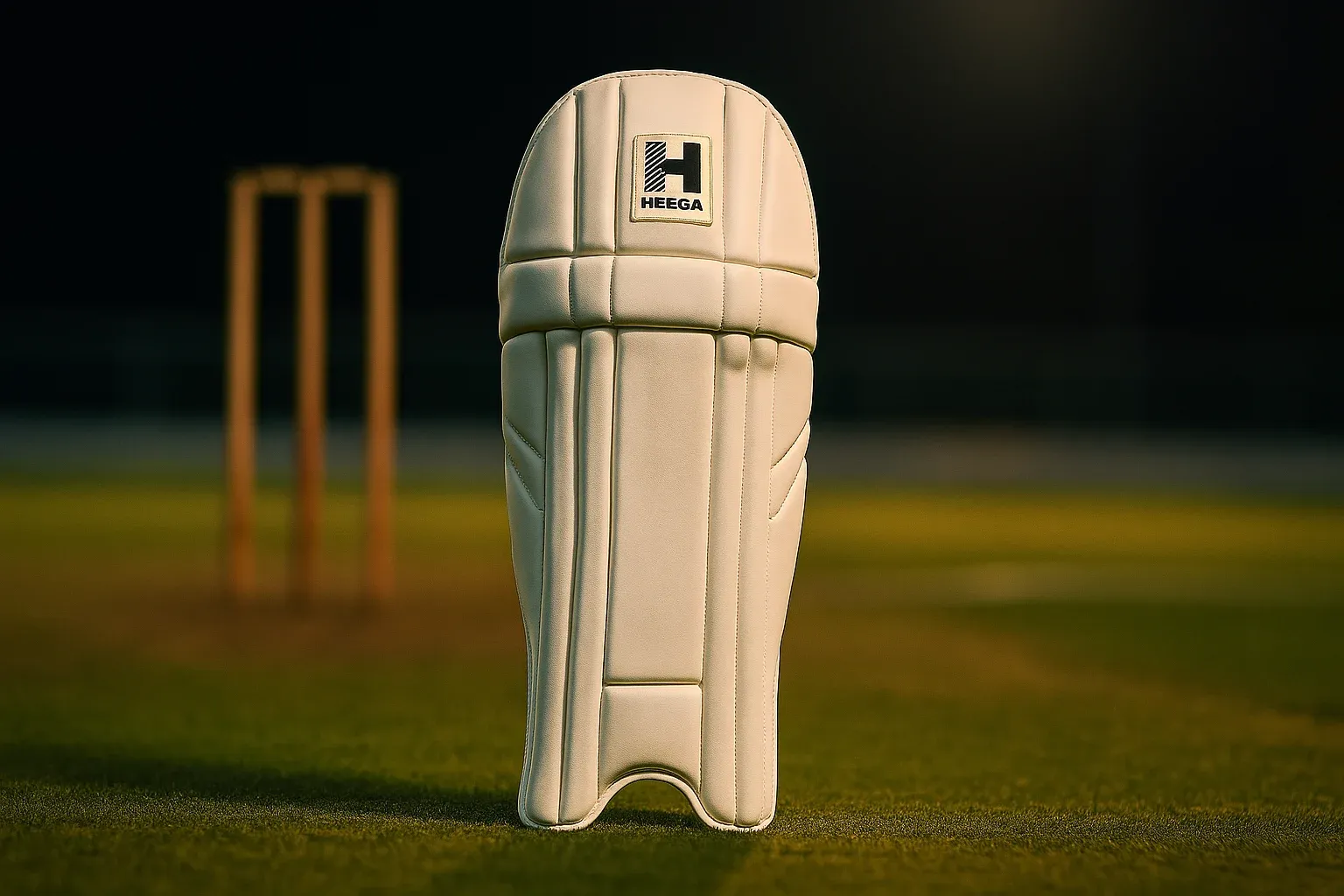
Cricket is a game of glorious uncertainties — where a single delivery can change the match. But there’s one thing that should never be uncertain: your safety.
When you’re facing bowlers charging in at 140 km/h, every part of your gear matters — especially your leg guards. They don’t just protect your legs; they protect your confidence, your balance, and your longevity in the game.
In modern cricket, players demand more than basic protection. They need gear that feels like a part of their body — lightweight, ergonomic, and engineered to perform under pressure.
Welcome to the evolution of cricket protection — where ergonomic leg guards combine safety, comfort, and mobility to help players play long and play safe.
1. The Evolution of Leg Guards: From Padding to Precision
Leg guards have come a long way since the early days of cricket. In the 18th century, players used thick leather pads that were heavy and restrictive. They protected, yes — but at the cost of mobility.
Fast forward to today, and we have lightweight, ergonomically designed leg guards made with high-density foam, reinforced canes, and advanced materials that offer the best of both worlds — maximum protection and complete freedom of movement.
The modern player’s leg guard is a fusion of science and sport — a piece of gear engineered with biomechanics, impact testing, and comfort design.
2. Why Leg Guards Matter More Than You Think
At first glance, leg guards seem simple: protection for your legs from the ball. But their importance goes deeper:
- Protection: They absorb and deflect the impact of fast deliveries.
- Confidence: When your legs feel safe, you play with freedom.
- Endurance: Proper padding reduces fatigue during long innings.
- Performance: The right fit enhances movement and balance.
When your leg guards fit perfectly, you forget you’re wearing them — and that’s when you can truly focus on your game.
3. Understanding Ergonomics in Cricket Gear
“Ergonomics” means designing equipment that fits the human body naturally — enhancing performance while reducing strain or injury risk.
In leg guards, ergonomics is all about fit, comfort, and movement. An ergonomic guard follows the natural curve of your shin and knee, allowing unrestricted motion while still protecting the vulnerable areas.
This is achieved through:
- Contoured foam shaping
- Strategic strapping placement
- Lightweight composite materials
- Ventilation zones for airflow
The goal is simple: maximum protection with zero discomfort.
4. Anatomy of an Ergonomic Leg Guard
Let’s break down what makes a leg guard ergonomic and performance-ready.
a) Outer Shell
Made of reinforced polyurethane (PU) or high-density cane, the outer layer disperses ball impact over a wider area, reducing direct force.
b) High-Density Foam (HDF) Layers
Behind the outer shell lies a combination of HDF and low-density foam for shock absorption and flexibility.
c) Knee Cup Protection
The knee is one of the most vulnerable parts of a batsman’s body. Modern guards have gel or molded knee cups that snugly fit around the joint, providing both comfort and safety.
d) Side Wings
Advanced leg guards have extra wings on the sides to protect from inward-angled deliveries or deflections.
e) Strapping System
Velcro or elastic straps placed at ergonomic points ensure the pads stay stable but never restrict movement.
f) Inner Lining
Soft mesh or cotton lining with sweat-wicking properties keeps the legs cool and dry during long innings.
Each layer has a specific job — and together, they create a perfect balance of protection, mobility, and comfort.
5. The Science of Impact Absorption
When a cricket ball strikes your leg at high speed, the energy must go somewhere. Poorly designed guards transfer that energy to your shin, causing pain or bruising.
Ergonomic leg guards, however, use multi-layered foam technology that absorbs and disperses impact energy across the pad instead of your leg.
Think of it like a car’s crumple zone — designed not just to stop the force, but to spread it out safely.
Some high-end models even include gel-infused zones for extra protection around the knee and shin, ensuring no single area takes a hard hit.
6. The Role of Fit and Comfort
No matter how advanced the material, a leg guard is only as good as its fit. A poorly fitted pad can shift during play, restrict movement, or even expose areas to impact.
An ergonomic fit ensures:
- The knee roll aligns perfectly with your knee joint.
- The straps hold firmly without cutting into the skin.
- The pad length covers the shin without blocking ankle movement.
- The pad contours match your leg’s shape naturally.
Heega’s ergonomic design philosophy focuses on anatomical precision — so each guard fits like it was made just for you.
7. Lightweight, Yet Durable: The Balance of Modern Materials
Gone are the days when protection meant heavy gear. Today’s leg guards are made from ultra-light composite materials like:
- High-Density Foam (HDF) for protection
- EVA Foam for comfort and shock absorption
- PU or PVC Facing for durability and easy cleaning
- Cane Reinforcements for structural integrity
The result is gear that feels feather-light but performs like armor — perfect for long innings and fast singles.
8. Airflow and Ventilation: Staying Cool Under Pressure
Cricket matches can stretch for hours under the sun, and heat buildup inside gear can affect concentration and comfort.
Ergonomic leg guards incorporate ventilation panels and breathable mesh lining to allow air circulation. This keeps your legs cool, reduces sweating, and prevents irritation.
Comfort under heat is not just luxury — it’s a performance advantage.
9. Movement Matters: The Biomechanics Advantage
Running between the wickets, kneeling for a sweep shot, or pivoting for a quick single — all require freedom of movement.
Traditional pads could restrict motion because of their rigid build. Modern ergonomic designs include split sections, pre-curved shaping, and flex hinges that allow natural leg movement.
This ensures that your gear moves with you, not against you — whether you’re defending a yorker or sprinting for a double.
10. Custom Fit: One Size Does Not Fit All
Every player’s body shape and stance are unique. That’s why adjustable features are crucial.
Ergonomic leg guards come with:
- Adjustable straps for tightness
- Multiple size options
- Moldable knee rolls
- Padded inner wings for customized comfort
A good pad feels like it belongs — not just attached. Heega’s “Pro-Fit” system ensures a snug, custom-like fit that stays steady through the longest innings.
11. A Psychological Edge: Confidence Through Safety
Cricket is not just physical — it’s mental. The knowledge that you’re fully protected gives you the psychological freedom to play boldly.
When you trust your gear, you:
- Step out to spinners without hesitation.
- Face fast bowlers fearlessly.
- Focus entirely on shot selection, not pain anticipation.
This confidence transforms how you play. And ergonomic guards are built to make that confidence second nature.
12. Durability and Longevity: A Worthwhile Investment
Leg guards endure a lot — impacts, sweat, dust, and repeated use. High-quality ergonomic designs last longer due to reinforced stitching, moisture-resistant outer layers, and anti-wear straps.
Investing in durable leg guards means you’re investing in consistent protection. A well-built pair will see you through hundreds of matches with minimal wear.
13. The Difference Between Entry-Level and Pro-Grade Guards
The key distinctions lie in materials, comfort, and protection zones.
- Entry-Level Pads:
- Basic foam layers
- Heavier build
- Limited breathability
- Pro-Grade Pads:
- Multi-density foam combinations
- Gel-infused knee cups
- Lightweight carbon reinforcements
- Sweat-resistant linings
- Contoured ergonomic design
For serious players, pro-grade ergonomic guards are not luxury — they’re necessity.
14. Caring for Your Leg Guards
Proper maintenance ensures longevity and hygiene.
Do:
- Wipe pads with a damp cloth after play.
- Air-dry them in shade (never direct sunlight).
- Store them upright to maintain shape.
Don’t:
- Wash in a machine or submerge in water.
- Leave them damp — this causes odor and wear.
Taking a few minutes of care after every match extends their lifespan and performance.
15. Choosing the Right Pair
Before buying, consider these key factors:
- Fit: Pads should align with your knees and cover from ankle to thigh comfortably.
- Weight: Lightweight guards are ideal for long innings.
- Protection: Look for reinforced shin and knee zones.
- Straps: Adjustable, non-slip, and comfortable.
- Material: PU facing, HDF core, and breathable lining.
- Design: Pre-curved or ergonomic shaping for flexibility.
Heega’s ergonomic leg guards tick every box — engineered for players who demand both safety and agility.
16. The Heega Advantage
At Heega Sports, every product is designed with the modern cricketer in mind — where comfort meets confidence.
Our ergonomic leg guards feature:
- Multi-layered protection zones.
- Lightweight TR90 and EVA materials.
- Air ventilation panels for cooling.
- Adjustable straps for perfect fit.
- Sweat-wicking inner lining.
They’re not just leg guards — they’re your shield, your balance, and your confidence booster.
17. Why Ergonomics Equals Endurance
Cricket is a sport of patience and persistence. Long hours at the crease demand comfort as much as skill.
Ergonomically designed guards reduce fatigue by minimizing pressure points and allowing natural leg movement. That means you can bat longer, run faster, and recover quicker.
The longer you play comfortably, the better your chances of turning good innings into great ones.
18. The Future of Leg Guard Design
The future of cricket protection is smart design meets smart material.
We’re already seeing:
- 3D-molded padding for custom fits.
- Memory foam technology that adapts to your leg shape.
- Carbon fiber shells for ultra-light resilience.
- Smart sensors for impact measurement and performance feedback.
Heega is committed to bringing these innovations into accessible, high-performance gear for every player.
Conclusion
In cricket, protection isn’t just about safety — it’s about sustained performance. Ergonomic leg guards represent the evolution of smart gear — lightweight, breathable, and precisely designed for the athlete’s body.
They let you play long innings without pain, stay agile in movement, and face every delivery with confidence.
When comfort and safety meet, performance follows.
So next time you walk out to bat, remember:
Play Long. Play Safe. Play Smart — with Heega Ergonomic Leg Guards.
Heega Sports – Built for Those Who Dare to Stay at the Crease.
Related posts
 Wicket Keeping Leg Guards Explained: Fit, Flexibility and Protection for Faster Movement Behind the StumpsDiscover how to choose wicketkeeping leg guards with the right fit, flexibility, and protection for quicker movement, comfortable crouching, and confident keeping.
 Cricket Leg Guards Explained: How Fit, Protection, and Comfort Improve Batting ConfidenceLearn how cricket leg guards provide protection, comfort, fit, and confidence while batting, plus tips for choosing and maintaining the right pair.
 How Cricket Equipment Is Designed to Balance Performance, Comfort, and SafetyDiscover how modern cricket equipment is designed to balance performance, comfort, and safety. Learn about the engineering behind cricket bats, balls, helmets, gloves, pads, shoes, and gear used by players across Nepal, Germany, USA, Canada, the Netherlands, and the UK.