The Science of Cricket Shadows: How Sunlight Changes the Way Cricket Is Played

Introduction: Light Is an Invisible Part of Every Cricket Match
Most cricket fans focus on the obvious elements of the game.
The pitch.
The players.
The ball.
The scoreboard.
However, one of the most important influences on a cricket match cannot be touched at all.
It is light.
As the sun moves across the sky, shadows constantly change around the stadium.
These changing light conditions affect how players see the ball, judge distances, react to movement, and make decisions.
A batter facing a fast bowler during bright afternoon sunshine experiences a very different challenge from batting under floodlights or during an evening session.
Although spectators may barely notice these subtle changes, professional cricketers pay close attention to them.
Across Nepal, Germany, the United States, Canada, the Netherlands, and the United Kingdom, changing sunlight remains an important part of outdoor cricket.
Why Vision Matters in Cricket
Cricket is a game built around reaction.
Batters often have less than half a second to:
- Track the ball.
- Judge its length.
- Predict movement.
- Play the correct shot.
Clear vision is therefore essential.
Even small changes in lighting can influence performance.
Morning Sun Creates Different Conditions
Early matches often begin with lower sunlight angles.
This may create:
- Longer shadows.
- Bright glare.
- Uneven lighting across the field.
Players frequently take extra time to adjust during the opening overs.
Afternoon Cricket Brings Strong Visibility
During midday, sunlight is usually more direct.
This often provides:
- Better visibility.
- Reduced shadow length.
- More consistent lighting.
Many players find afternoon sessions easier for tracking the ball.
Evening Shadows Change Ball Perception
As the sun begins to set, shadows grow longer.
These changing contrasts may affect:
- Depth perception.
- Ball tracking.
- Catching judgement.
Fielders and batters often need greater concentration during these periods.
Fast Bowlers Can Benefit
Fast bowlers sometimes gain an advantage when changing light makes it slightly harder for batters to pick up the ball immediately after release.
Although reaction time changes only marginally, elite cricket is often decided by very small differences.
Fielders Must Adjust Continuously
High catches become more difficult when the ball passes between bright sunlight and darker backgrounds.
Fielders constantly adapt by:
- Repositioning themselves.
- Wearing caps or sunglasses when appropriate.
- Improving communication.
Good anticipation becomes especially valuable.
Wicketkeepers Face Unique Challenges
Wicketkeepers spend every delivery tracking the ball.
Changing light conditions require them to:
- Maintain concentration.
- Adjust positioning.
- React quickly to edges and deflections.
Consistent visual focus becomes essential.
Stadium Design Influences Shadows
Every cricket ground is different.
Factors affecting shadow patterns include:
- Grandstand height.
- Roof structures.
- Floodlight positions.
- Ground orientation.
Modern stadiums increasingly consider lighting during design.
Floodlights Changed Modern Cricket
The introduction of floodlights transformed cricket.
Day-night matches have become increasingly popular because they:
- Extend playing hours.
- Improve spectator attendance.
- Create unique visual experiences.
However, artificial lighting also presents its own challenges.
Pink-Ball Cricket and Visibility
Pink-ball cricket was introduced partly to improve visibility during day-night Test matches.
The pink ball retains colour more effectively under artificial lighting compared to traditional red balls.
This innovation supports longer formats during evening play.
Weather Influences Lighting
Cloud cover also affects visibility.
Overcast conditions may:
- Reduce brightness.
- Increase contrast.
- Change how the ball appears against the background.
Experienced players quickly adapt to these changing environments.
Sunglasses Help Fielders
Many fielders wear sports sunglasses during bright conditions.
These may help reduce:
- Sun glare.
- Eye strain.
- Difficulty tracking aerial catches.
Proper eyewear can improve comfort during long fielding sessions.
Nepal: Mountain Light Creates Unique Conditions
Nepal's varied terrain produces distinctive sunlight conditions at different venues.
Altitude and surrounding landscapes sometimes create unique shadow patterns throughout the day.
Germany: Seasonal Changes Affect Cricket
German cricket experiences significant seasonal differences in daylight hours.
Players regularly adapt to changing sunlight during spring and summer competitions.
United States: Diverse Playing Environments
From coastal regions to inland venues, American cricket encounters a wide range of lighting conditions that influence match preparation.
Canada: Longer Summer Days
Canadian cricket often benefits from extended daylight during summer months, allowing more playing time while also presenting changing evening shadows.
The Netherlands: Weather Changes Quickly
Dutch conditions can change rapidly throughout the day.
Players frequently experience varying combinations of sunshine, cloud cover, and wind.
United Kingdom: Light Conditions Shape Cricket Tradition
British cricket has long been influenced by changing weather and natural light.
Many classic matches have been remembered not only for performances but also for challenging playing conditions.
Players Train Their Eyes
Professional cricketers increasingly include vision training within their preparation.
Exercises may improve:
- Reaction speed.
- Tracking ability.
- Peripheral awareness.
- Hand-eye coordination.
Good vision supports better decision-making under all lighting conditions.
Quality Equipment Supports Performance
Reliable equipment helps players perform confidently regardless of changing light.
Essential equipment includes:
- Kashmir Willow cricket bats.
- Leather cricket balls.
- Cricket helmets.
- Batting gloves.
- Batting pads.
- Cricket shoes.
- Practice nets.
- Cricket kit bags.
Comfortable, dependable equipment allows players to focus on the game.
How Heega Sports Supports Modern Cricketers
At Heega Sports, we understand that every match presents different conditions.
Our equipment is designed to help players prepare confidently whether playing in bright sunshine, under floodlights, or in changing weather.
Our collection includes:
- Kashmir Willow cricket bats.
- Leather cricket balls.
- Practice balls.
- Cricket helmets.
- Batting gloves.
- Batting pads.
- Cricket shoes.
- Practice nets.
- Cricket kit bags.
- Training accessories.
Quality preparation begins with quality equipment.
Final Thoughts
Sunlight may seem like a simple part of the environment, but it plays an important role in cricket.
Changing shadows influence batting, bowling, fielding, and overall match strategy in ways that many spectators never notice.
Across Nepal, Germany, the United States, Canada, the Netherlands, and the United Kingdom, players constantly adapt to evolving light conditions while developing the awareness needed to perform consistently.
The next time you watch a cricket match, take a moment to observe the shadows.
They may be affecting the game more than you realize.
🏏 Prepare for Every Playing Condition with Heega Sports
Explore premium-quality Kashmir Willow cricket bats, leather cricket balls, practice balls, cricket helmets, batting gloves, batting pads, cricket shoes, practice nets, cricket kit bags, and training accessories designed for players in every condition.
Shop Now
Heega Sports – Helping You Perform from the First Ray of Sunlight to the Final Ball.
Related posts
 How Weather Changes the Way Cricket Is Played: Understanding Heat, Humidity, Wind, and ConditionsDiscover how weather affects cricket and learn how heat, humidity, wind, cloud cover, rain, and ground conditions can influence batting, bowling, fielding, and strategy.
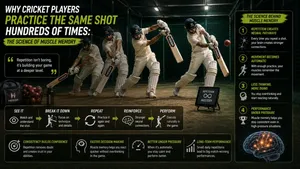 Why Cricket Players Practice the Same Shot Hundreds of Times: The Science of Muscle MemoryDiscover why cricket players repeat the same shots hundreds of times and how muscle memory, repetition, coordination, and deliberate practice improve batting technique and consistency.
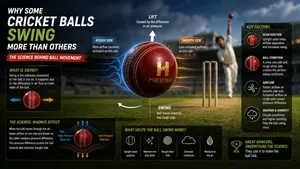 Why Some Cricket Balls Swing More Than Others: The Science Behind Ball MovementDiscover why some cricket balls swing more than others and learn how seam position, ball condition, speed, airflow, humidity, and technique influence swing bowling.