Cricket Without Borders: A Deep Dive Into the Sport’s Fastest-Growing Regions

For decades, cricket was viewed as a sport concentrated in a handful of nations — mainly India, England, Australia, Pakistan, and a few others. But the modern cricket world looks very different.
Today, cricket is expanding rapidly across continents, cultures, and communities that were once considered outside the sport’s traditional boundaries. From packed grounds in Nepal to franchise leagues in the United States, from youth academies in Canada to growing club systems in Germany and the Netherlands, cricket is becoming a truly global game.
This transformation is not happening by accident.
Driven by migration, digital media, franchise leagues, youth development programs, and international investment, the sport is entering one of the most important growth periods in its history.
In this guide, we’ll explore the world’s fastest-growing cricket regions, what’s fueling this expansion, the role of emerging leagues, grassroots systems, and why the future of cricket may look far more global than ever before.
Why Cricket Is Expanding Globally
Several major forces are helping cricket grow beyond traditional cricket nations.
1. Global Migration and Multicultural Communities
Large South Asian, Caribbean, African, and British communities helped introduce cricket into countries like:
- Canada
- United States
- Germany
- Netherlands
- UAE
Community leagues and local clubs became the first foundation for organized cricket growth.
Today, cities such as:
- Toronto
- Dallas
- Berlin
- Amsterdam
- Vancouver
have vibrant cricket cultures of their own.
2. The Rise of T20 Franchise Cricket
T20 cricket completely changed the sport’s accessibility.
Leagues such as:
- IPL
- Major League Cricket
- GT20 Canada
- The Hundred
- SA20
made cricket:
- Faster
- More entertaining
- Easier for beginners to follow
- More commercially attractive
Short-format cricket helped emerging regions attract new fans who may never have followed traditional Test cricket.
3. Digital Streaming and Social Media
Streaming platforms and social media made cricket available worldwide.
Fans can now:
- Watch matches on mobile devices
- Follow highlights instantly
- Discover emerging players online
- Stream associate nation games
This digital accessibility helped smaller cricket markets gain international visibility.
Nepal: Cricket’s Passion Capital
Few countries demonstrate cricket passion like Nepal.
The Rise of Cricket in Nepal
Over the last decade, cricket in Nepal has transformed dramatically.
Despite limited infrastructure, Nepal offers:
- Massive fan engagement
- Packed stadiums
- Strong youth participation
- Growing domestic leagues
Cricket has become deeply connected to national identity and youth culture.
Nepal Domestic Cricket Growth
The expansion of:
- Nepal T20 League
- Provincial tournaments
- Youth competitions
has created stronger pathways for young players.
Stars like:
- Paras Khadka
- Sandeep Lamichhane
helped bring global recognition to Nepal cricket.
USA: Cricket’s Biggest Commercial Opportunity
The United States is becoming one of cricket’s most important emerging markets.
Major League Cricket
The launch of Major League Cricket changed perceptions about cricket in USA.
MLC introduced:
- Professional franchises
- International stars
- Modern broadcasting
- Dedicated stadium investments
Cities like:
- Dallas
- New York
- Los Angeles
- San Francisco
are rapidly becoming cricket hubs.
Minor League Cricket and Youth Academies
The growth of:
- Minor League Cricket
- Youth cricket academies USA
- School development programs
is helping build long-term cricket infrastructure.
The goal is no longer just serving immigrant communities — it is creating American-born cricket talent.
Canada: The Rise of North American Cricket
Cricket in Canada is also expanding quickly.
GT20 Canada and Visibility
The success of GT20 Canada increased:
- International exposure
- Sponsorship interest
- Youth participation
- Franchise cricket culture
The tournament helped position Canada as a growing cricket destination.
Toronto and Vancouver Cricket Growth
Cities like Toronto and Vancouver now host:
- Youth academies
- Indoor cricket facilities
- Competitive leagues
- Community tournaments
Strong grassroots systems are helping develop future players for the Canada national team.
Germany: Europe’s Emerging Cricket Market
Germany represents one of Europe’s fastest-growing cricket regions.
Cricket in Germany
The rise of cricket in Germany has been driven largely by:
- Immigration
- Community clubs
- Structured league systems
- Youth participation
The German Cricket Federation leagues continue expanding across:
- Berlin
- Munich
- Frankfurt
- Hamburg
Germany National Team Growth
The improving Germany national team fixtures schedule reflects the country’s increasing competitiveness at the associate level.
Germany’s long-term strategy focuses on:
- Grassroots cricket
- Infrastructure
- Coaching systems
- Local player development
Netherlands: Europe’s Associate Success Story
The Netherlands remains one of the strongest non-traditional cricket nations.
Topklasse Cricket and Dutch Development
The Topklasse cricket structure continues producing competitive players and strong club systems.
Historic Dutch clubs include:
- HCC
- HBS
- VRA
The Dutch cricket model emphasizes:
- Club development
- Youth coaching
- International exposure
- Technical discipline
Why Netherlands Cricket Matters
The Netherlands consistently proves that associate nations can compete internationally through:
- Smart development systems
- Strong domestic structures
- Consistent investment
Dutch cricket continues influencing emerging European cricket systems.
UK: Tradition Meets Innovation
The UK remains one of the world’s most influential cricket nations.
County Championship and Grassroots Systems
The County Championship and ECB pathway continue shaping global cricket development models.
The UK’s success comes from balancing:
- Elite domestic cricket
- Grassroots participation
- Youth academies
- Community club systems
The Hundred and Modern Audiences
The Hundred helped modernize cricket by:
- Attracting younger viewers
- Simplifying the game for new fans
- Expanding women’s cricket visibility
- Creating entertainment-focused experiences
Its influence is now visible in emerging cricket leagues worldwide.
Youth Development Is Driving Global Growth
One of the biggest reasons cricket is expanding globally is youth participation.
Modern Youth Pathways
Emerging cricket nations are investing heavily in:
- School cricket
- Academies
- Indoor training centers
- Provincial competitions
- University cricket
Young players now have access to professional coaching in countries where organized cricket barely existed years ago.
Women’s Cricket Is Expanding Worldwide
Women’s cricket growth is also helping cricket expand into new regions.
Countries including:
- USA
- Canada
- Germany
- Netherlands
- Nepal
are increasing investment in:
- Girls’ youth programs
- Women’s leagues
- Coaching systems
- International competition pathways
This broader participation strengthens long-term sustainability.
Infrastructure Is Improving Globally
Modern cricket expansion requires facilities and long-term investment.
Emerging Infrastructure Projects
Many countries are now building:
- Cricket stadiums
- Indoor practice facilities
- Artificial turf wickets
- Academy campuses
- Franchise training centers
Infrastructure growth is especially noticeable in:
- North America
- Europe
- Nepal
- UAE
Challenges Facing Global Cricket Expansion
Despite impressive growth, several challenges remain.
Major Challenges
- Competition from football and basketball
- Limited funding in associate nations
- Infrastructure costs
- Broadcasting competition
- Weather limitations in some countries
However, overall momentum continues moving strongly upward.
The ICC’s Role in Global Cricket Growth
The International Cricket Council (ICC) is increasingly prioritizing global development.
ICC Development Programs
The ICC supports:
- Associate nations
- Youth tournaments
- Women’s cricket
- Coaching certifications
- Infrastructure grants
Its long-term vision is to make cricket more globally balanced and commercially sustainable.
Could Cricket Become a Truly Global Sport?
Cricket may never replace football globally, but it is clearly becoming more international than ever before.
Several trends support this growth:
- Franchise league expansion
- Olympic cricket discussions
- Social media popularity
- Youth participation increases
- Commercial investment in emerging markets
The center of global cricket is becoming more geographically diverse every year.
The Future of Cricket Without Borders
The next decade could completely reshape the cricket world.
Future developments may include:
- More franchise leagues in Europe and North America
- Stronger associate nation competitions
- Greater Olympic visibility
- Expanded women’s cricket structures
- More globally diverse professional players
The future stars of cricket may come from places once considered outside the sport’s traditional map.
Final Thoughts
The story of modern cricket is no longer confined to traditional cricketing nations.
From Nepal’s passionate fan culture to the commercial rise of Major League Cricket, from GT20 Canada to Germany’s growing club system and Dutch domestic development, cricket is becoming a borderless global sport.
What makes this era exciting is not just expansion — it’s accessibility. More people than ever before can now play, watch, and dream about cricket regardless of where they live.
And as emerging nations continue investing in youth pathways, infrastructure, and professional leagues, the future geography of cricket may look completely different from its past.
The game is no longer limited by borders — and that may be cricket’s greatest transformation yet.
Related posts
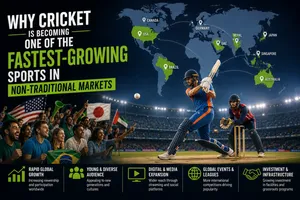 Why Cricket Is Becoming One of the Fastest-Growing Sports in Non-Traditional MarketsDiscover why cricket is becoming one of the fastest-growing sports in non-traditional markets. Learn about cricket in USA and Nepal, grassroots development, technology, youth participation, women's cricket, and the factors driving the sport's global expansion in this Heega Sports 2026 guide.
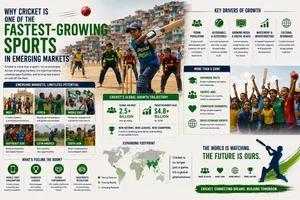 Why Cricket Is One of the Fastest-Growing Sports in Emerging MarketsDiscover why cricket is one of the fastest-growing sports in emerging markets. Explore the rise of cricket in USA, Nepal, Germany, Canada, franchise leagues, youth development, technology, and global expansion in this Heega Sports 2026 guide.
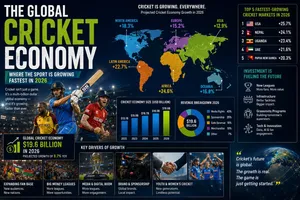 The Global Cricket Economy: Where the Sport Is Growing Fastest in 2026Explore the global cricket economy in 2026 and discover where the sport is growing fastest. Learn how cricket in USA, Nepal, Canada, Germany, and the Netherlands is driving new opportunities through leagues, sponsorships, technology, and grassroots development.