Cricket Balls
Choose a cricket ball by where you will use it. Red leather balls suit day cricket and longer formats, white suit limited-overs and day-night games, and pink is made to be seen under lights. For nets and coaching, synthetic balls cost less. Tennis, plastic and rubber balls suit gully games and young players.
Shop by type
All cricket balls30 products




How to choose
Decide where you will use the ball. Practice, nets and matches need different balls. For a match, check your competition's rules first, because they can set the weight, size, construction and colour.
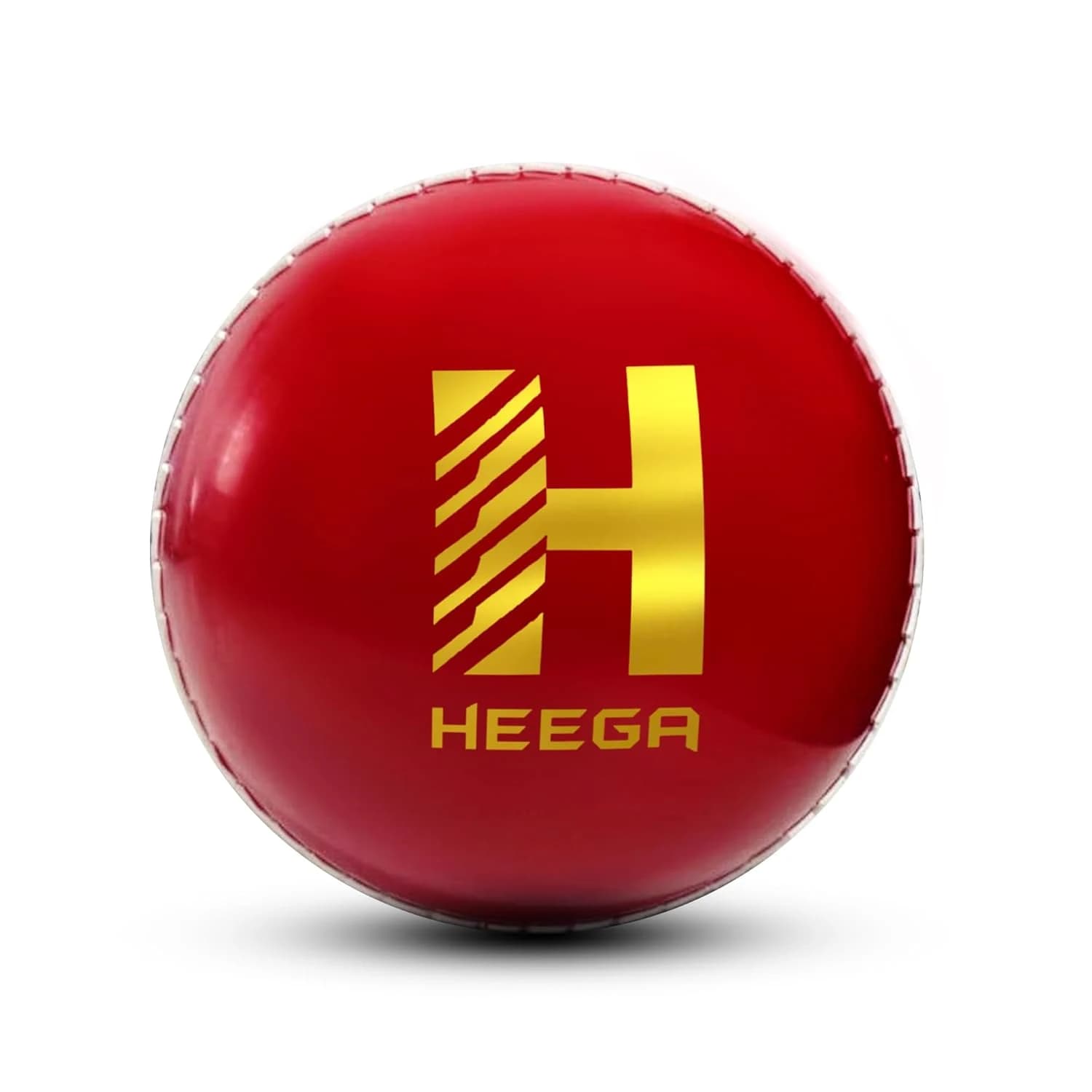
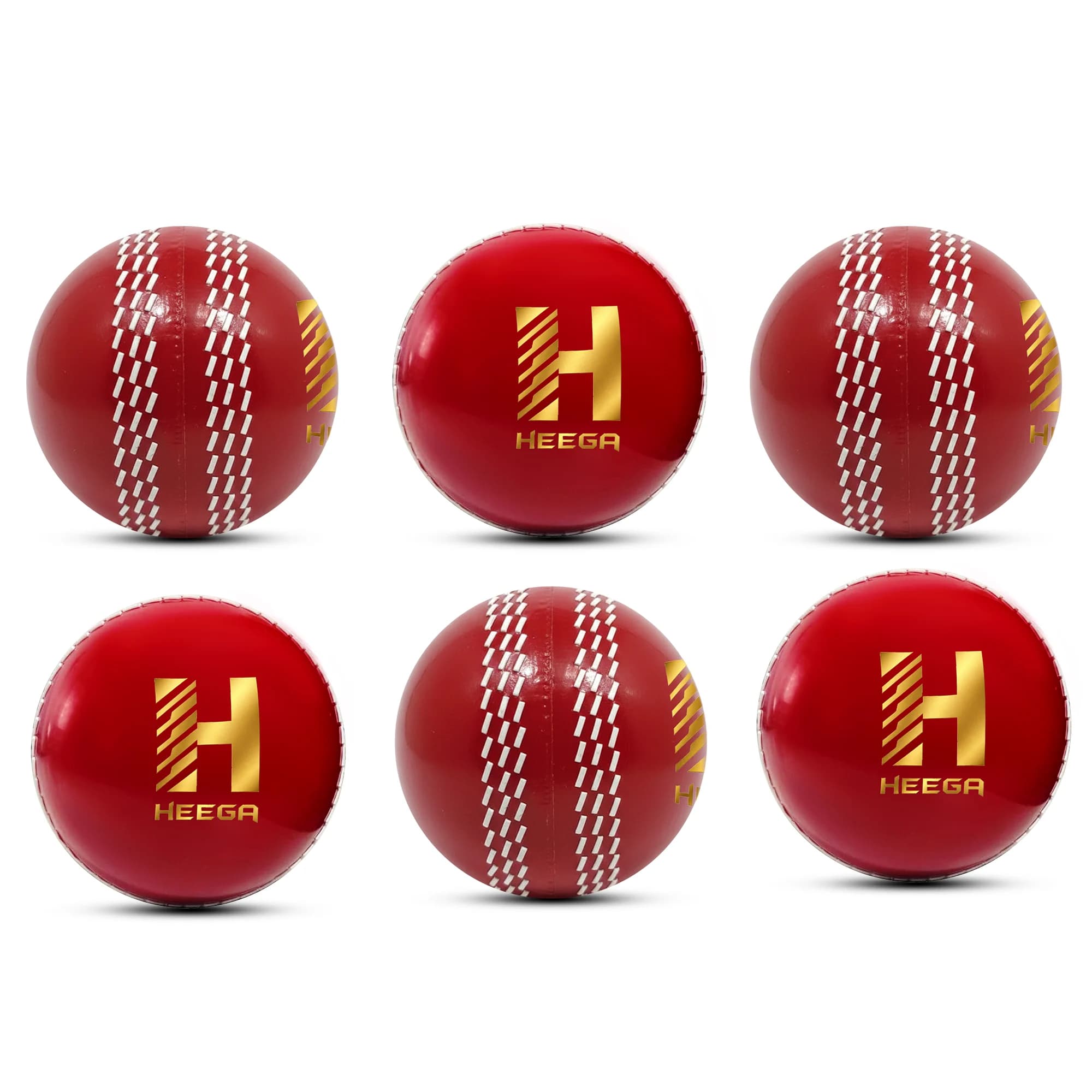
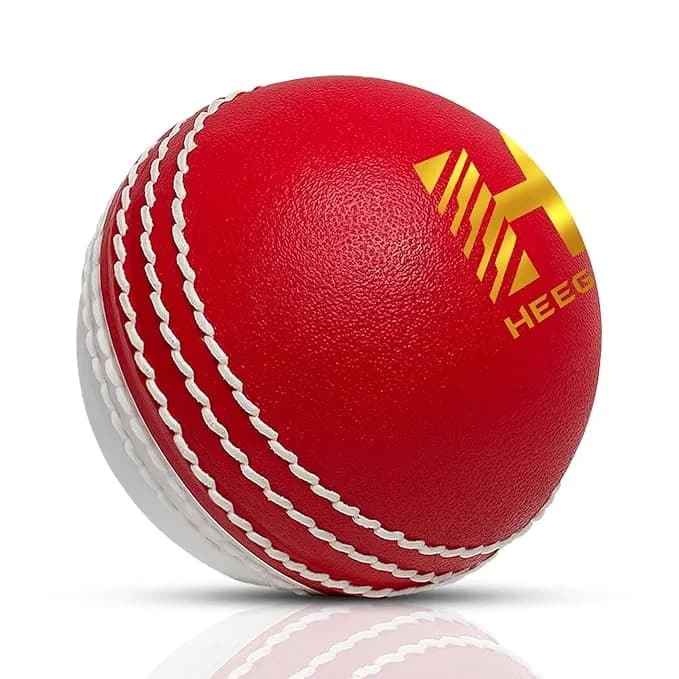
For matches and serious nets, look at our leather balls. Red suits day cricket and longer formats. White is for limited-overs and day-night play. Pink is made to be seen under lights. The range runs from Super Club and Tournament balls up to Test and Stallion balls, and the Super Club and Tournament balls come in Youth and Mens sizes.
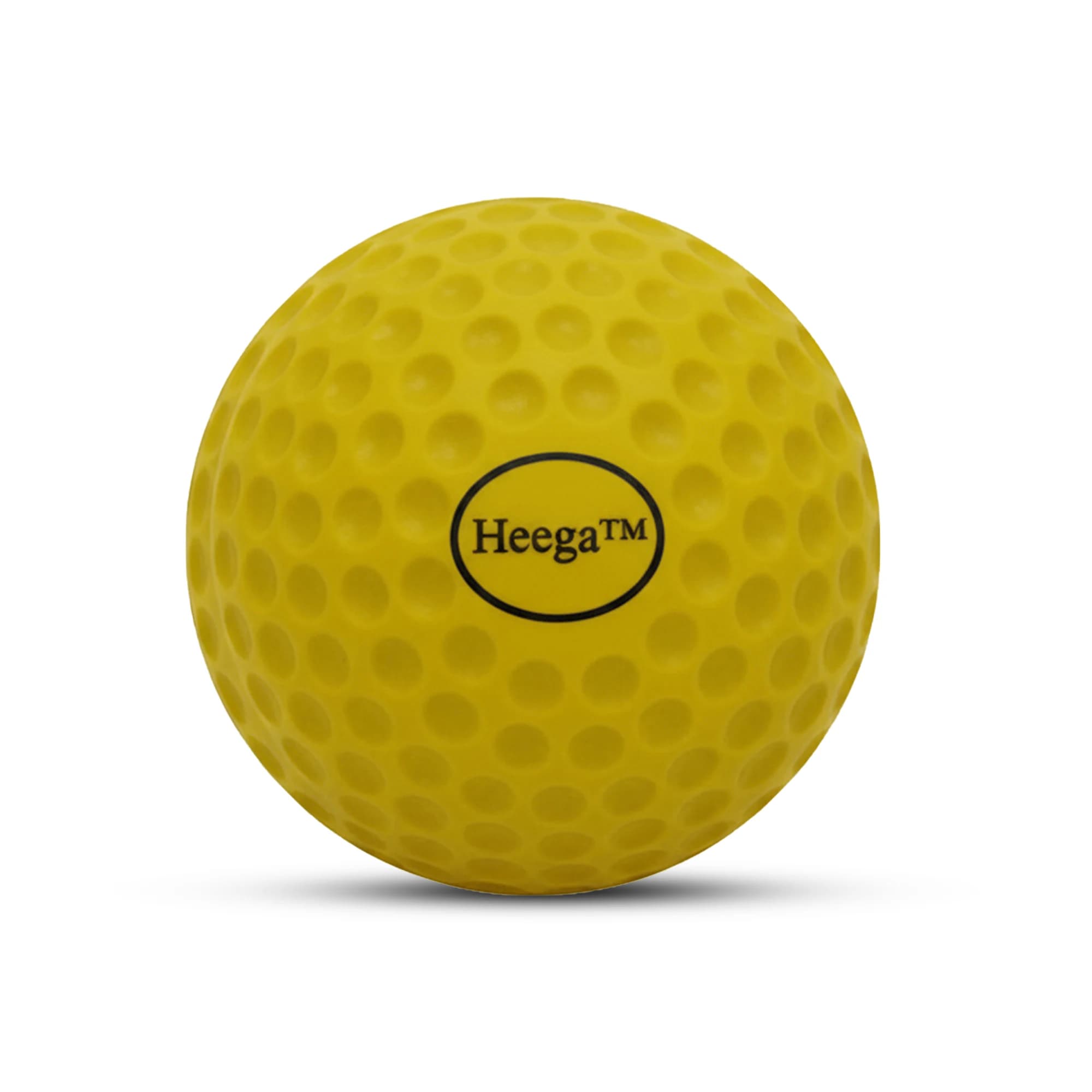
For indoor practice, our yellow leather balls come with a cork core or a plastic core. The cork core is closer to the feel of a match ball. The plastic core is lighter and softer.
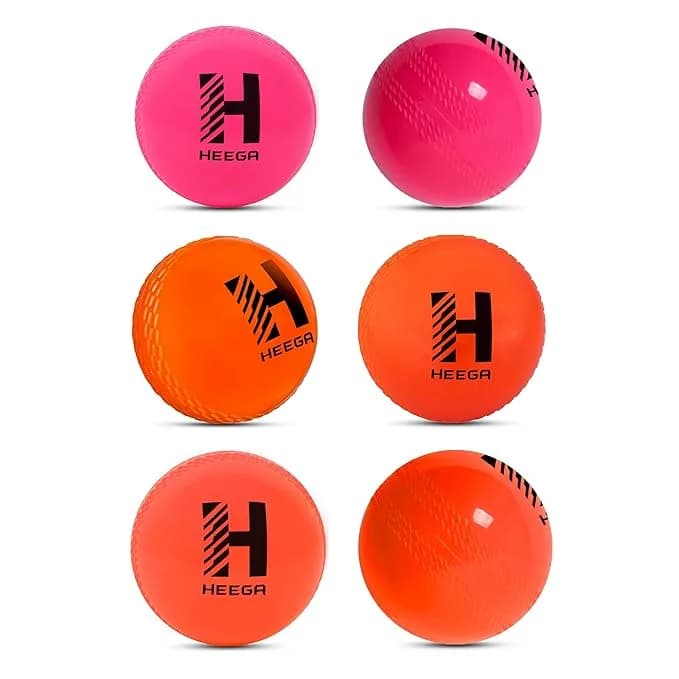
For training, synthetic balls cost less than leather and need less care. The i-30 balls are nylon stitched and sold singly. The softer i-10 and i-20 balls and the wind balls come in packs of 6.
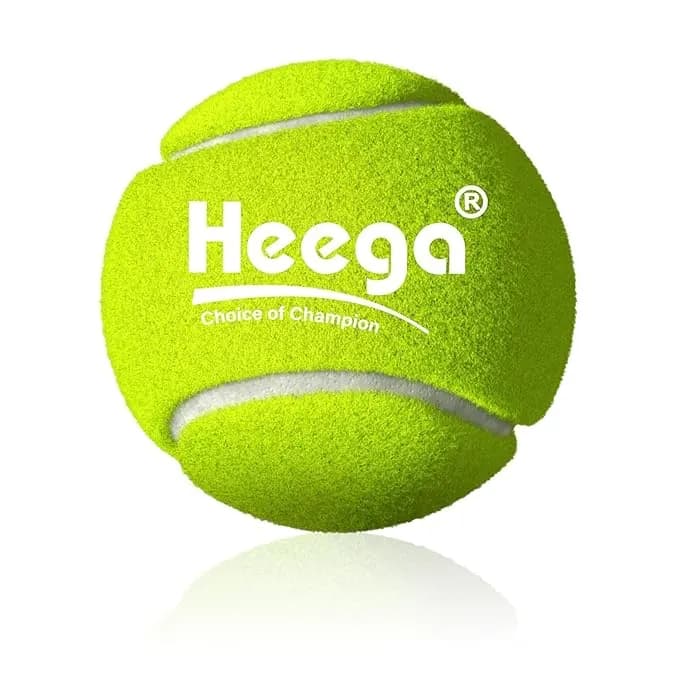
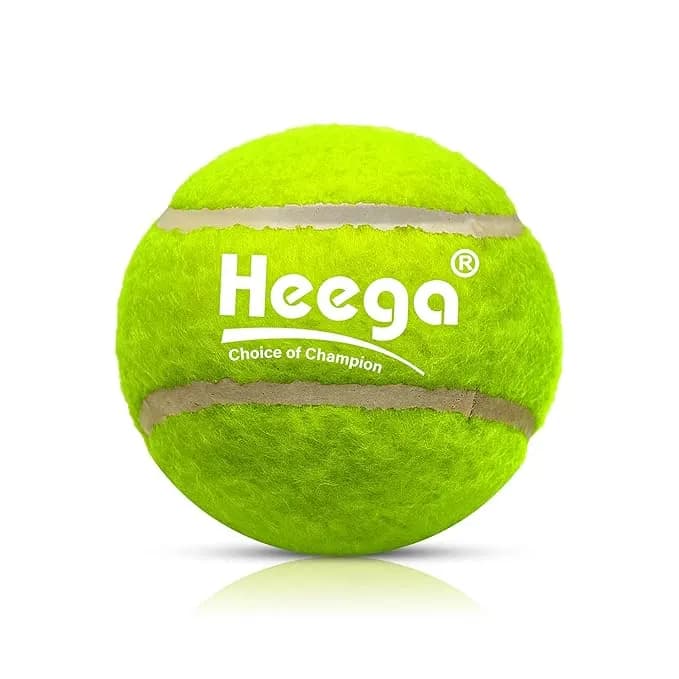
For gully cricket and young players, choose tennis balls, plastic balls or rubber jumper balls. Plastic balls are listed from 30 g to 80 g each, in packs of 6 or 12.
Retail prices
| Type | Retail price band | Products |
|---|---|---|
| Leather, red and white, one ball | ₹450 to ₹998 | 10 |
| Leather, pink, one ball | ₹998 | 1 |
| Leather, pink Tournament, pair of balls | ₹1,997 | 1 |
| Leather, yellow indoor, one ball | ₹799 to ₹999 | 2 |
| Hard synthetic, nylon stitched, one ball | ₹263 to ₹315 | 2 |
| Soft synthetic, wind and high-bounce, pack of 6 | ₹612 to ₹999 | 5 |
| Tennis, pack of 6 | ₹349 to ₹449 | 3 |
| Plastic, pack of 6 | ₹259 to ₹719 | 3 |
| Machine ball, one ball | ₹355 | 1 |
| Rubber jumper, pack of 10 | ₹415 | 1 |
Frequently asked questions
What is the difference between a red ball and a white ball?
A red ball is used in Test and first-class cricket and is easiest to see in daylight. A white ball is used in one-day and T20 cricket because it shows up under floodlights. Red balls keep their swing and shape for longer. White balls wear out faster.
Which cricket ball should I buy for practice, nets or a match?
For a match, buy a leather ball that meets your competition's rules. For serious nets, a leather practice ball is closest to match conditions. For general practice and coaching, a synthetic ball costs less and needs less care. For gully cricket, use a tennis, plastic or rubber ball.
Is a leather or a synthetic ball better for a beginner?
A synthetic ball is often easier for a beginner. Many are softer, and they usually cost less. A leather ball is firmer and closer to match conditions, so it suits players preparing for competitive cricket. Neither is better in every case. It depends on where you play and what you practise.
What is a yellow leather ball used for?
A yellow leather ball is made for indoor cricket and net practice. The colour stands out under indoor lighting. Heega sells it with a cork core, which is closer to the feel of a match ball, or with a plastic core, which is lighter and softer. Both are sold singly or in packs.