Duffel vs. Wheelie: Finding the Right Kit Bag for Your Game

In cricket, every player invests time in finding the perfect bat, gloves, or shoes. Yet, one piece of equipment that often goes unnoticed—but plays a huge role in comfort and performance—is the kit bag. It’s not just a carrier; it’s your mobile locker, protecting and organizing everything you need on the field.
The big debate among cricketers is always: Duffel vs. Wheelie—Which kit bag should I choose?
Both have their merits, and the right choice depends on how much gear you carry, how often you travel, and your style of play. In this blog, we’ll explore the advantages and disadvantages of each, compare their features, and guide you toward the perfect match for your game.
1. What Exactly Is a Duffel Bag in Cricket?
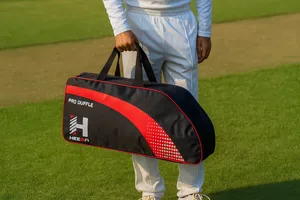
The duffel bag has become a favorite among young cricketers and even many professionals in recent years. Inspired by sports backpacks, the cricket duffel is designed to be carried on the shoulders.
Advantages of Duffel Bags:
- Lightweight & Easy to Carry: Can be worn like a backpack, leaving your hands free.
- Compact Size: Fits easily in tight spaces such as buses, cars, or changing rooms.
- Quick Access: Many duffels come with side bat sleeves and small pockets for accessories.
- Mobility: Perfect for grounds with uneven surfaces where wheels may get stuck.
- Affordable: Generally less expensive compared to large wheelie bags.
Disadvantages:
- Shoulder Strain: If heavily loaded, carrying a duffel can cause fatigue.
- Limited Capacity: Best for players who don’t carry multiple bats or full gear setups.
- Less Organized: Fewer compartments compared to wheelies.
2. What Is a Wheelie Bag in Cricket?
The wheelie bag is a traditional choice and is loved for its practicality. Designed with wheels and a pull handle, it allows players to drag their gear with minimal effort.
Advantages of Wheelie Bags:
- Effortless Transport: No need to carry weight on your back—just roll it along.
- High Storage Capacity: Ideal for pros who carry bats, pads, helmets, shoes, energy drinks, and even extras.
- Organized Compartments: Separate sections for shoes, bats, and protective gear.
- Durable Build: Strong bases and reinforced wheels designed to handle weight and travel.
- Longevity: With proper care, wheelie bags last longer due to their robust construction.
Disadvantages:
- Bulky Design: Can be difficult to fit in small cars or locker rooms.
- Not Ideal for Uneven Grounds: Wheels struggle on grass, mud, or village pitches.
- Heavier than Duffels: More material means more weight even when empty.
3. Real-World Scenarios: Which Bag Fits Best?
For Junior Players or Beginners
A duffel bag is perfect—light, affordable, and easy to carry. Youngsters usually don’t carry more than one bat and a few protective gear items, making duffels ideal.
For Club or League Players
A wheelie bag is often better since players need extra bats, full protective kits, and spare clothing. Traveling from ground to ground is easier with wheels.
For Touring Professionals
Hybrid options or large wheelie bags are the top choice. They can handle long trips, flights, and hotel-to-ground travel while keeping gear safe and organized.
For Casual or Gully Cricket Players
A small duffel works best—no need for oversized bags when you only carry a bat, ball, and some gloves.
4. The Rise of Hybrid Bags: Best of Both Worlds
Modern brands, including Heega, now offer duffel-wheelie hybrid bags. These come with wheels for long-distance transport but also include padded shoulder straps for when you need to carry them like a backpack.
Hybrids are great for players who play across different conditions—sometimes traveling long distances, other times just walking to a nearby ground.
5. Key Factors to Consider Before Buying
When choosing between a duffel and wheelie, consider these factors:
- How Much Gear Do You Carry?
- Light players = Duffel
- Full gear setup = Wheelie
- Your Mode of Travel:
- Local matches on bikes/public transport = Duffel
- Long-distance in cars/buses = Wheelie
- Storage Space at Home/Ground:
- Tight storage = Duffel
- Spacious locker rooms = Wheelie
- Budget:
- Limited budget = Duffel
- Willing to invest = Wheelie or Hybrid
6. Care & Maintenance Tips
- Keep It Dry: Wet pads or gloves can weaken bag fabric and cause odor.
- Don’t Overstuff: It reduces the life of zippers and stitching.
- Clean Regularly: Wipe mud and dust after games.
- Use Compartments Wisely: Store shoes separately to avoid spreading smell.
7. Common Myths About Kit Bags
- “Wheelie bags are always better.”
Not true—duffels are far more practical for juniors or short-distance travel. - “Duffels can’t carry full gear.”
Modern duffels now come in XL sizes with compartments for bats, helmets, and even shoes. - “Wheels break easily.”
Cheap models may, but quality wheelie bags have reinforced wheels designed for heavy loads.
Conclusion
The debate of duffel vs. wheelie ultimately comes down to your playing level and lifestyle. If you want compact, mobile, and budget-friendly storage, go with a duffel. If you need durability, space, and travel convenience, then a wheelie is your best companion.
And if you want the best of both? Choose a hybrid and enjoy flexibility in every match.
Ready to Carry Your Game the Smart Way?
Check out Heega’s premium range of cricket kit bags—duffel, wheelie, and hybrid designs crafted for every cricketer.
👉 Shop Now
Related posts
 Why Multi-Sport Athletes Are Finding Success in CricketDiscover why multi-sport athletes are finding success in cricket. Learn how football, tennis, athletics, and other sports help develop fitness, coordination, mental toughness, cricket in USA and Nepal, and modern player development in this Heega Sports 2026 guide.
 Beyond Power: Finding the Perfect Balance in a Cricket BatDiscover why balance is more important than just power when choosing a cricket bat. Learn how balance affects timing, shot-making, and overall performance on the pitch.
 Duffel Kit Bags: Stylish, Spacious, and Built for PerformanceDiscover why duffel kit bags are the ultimate choice for modern cricketers. Stylish, spacious, and performance-driven, these bags make carrying your cricket gear effortless.