Global Cricket Expansion: Emerging Cricket Nations and Their Rise

Introduction: Cricket Is No Longer Limited to Traditional Nations
For decades, cricket was often associated with a handful of countries — India, Australia, England, Pakistan, and a few others. The sport had passionate followers, historic rivalries, and legendary players, but its global footprint remained relatively concentrated.
Today, that story is changing.
Across the world, cricket is finding new homes in countries where football, basketball, baseball, or hockey once completely dominated the sporting conversation. From packed grounds in Kathmandu to growing cricket communities in Berlin, from franchise leagues in the United States to youth academies in Canada, the game is entering a new era of international expansion.
What makes this rise special is not just the numbers or tournaments. It is the emotion behind it. In many emerging cricket nations, the sport represents opportunity, identity, community, and ambition. Young players are no longer simply watching international stars on television — they are beginning to believe they can become those stars themselves.
The global cricket landscape is becoming broader, more inclusive, and more exciting than ever before.
The New Geography of Cricket
Cricket’s growth beyond traditional nations did not happen overnight. It is the result of several global changes happening at the same time:
- Migration and multicultural communities
- Social media and streaming platforms
- Franchise cricket leagues
- ICC development programs
- Youth academies and grassroots cricket
- International tournaments reaching new audiences
In countries where cricket once survived quietly through expatriate communities, the sport is now entering schools, universities, professional clubs, and national sporting systems.
And perhaps most importantly, fans in these nations are bringing something fresh to cricket — new energy, new stories, and new dreams.
Nepal: Passion That Turned Into a Cricket Movement
Few countries demonstrate emotional cricket passion like Nepal.
Nepal
In Nepal, cricket is more than entertainment. It has become part of the national identity for millions of young fans. Stadiums fill quickly, social media erupts during matches, and local players are treated like national heroes.
What makes Nepal’s rise remarkable is how quickly it happened.
Only a few years ago, Nepal was still considered a developing associate cricket nation. Today, the country regularly competes at higher international levels and has one of the most passionate cricket fanbases in the world.
The Role of Domestic Cricket in Nepal
Domestic competitions helped transform cricket from a hobby into a professional pathway.
Key developments include:
- Nepal T20 competitions
- Provincial tournaments
- Youth cricket systems
- Academy programs
Young cricketers now have visible pathways from local grounds to international cricket.
The Human Side of Nepal Cricket
Walk through local neighborhoods in Kathmandu and you will often see children playing cricket in narrow streets, open grounds, and schoolyards. Many of them imitate famous players they watch online.
The dream feels real now.
Players like:
- Paras Khadka
- Sandeep Lamichhane
have shown young athletes that international cricket is possible for Nepalese talent.
Germany: Building Cricket Through Structure and Community
Germany
Cricket in Germany tells a very different story.
Unlike Nepal, where cricket passion exploded emotionally, Germany’s growth has been driven by organization, leagues, and community development.
Cricket clubs in:
- Berlin
- Munich
- Frankfurt
- Hamburg
have expanded rapidly during the last decade.
Bundesliga-Style Cricket Leagues
Germany’s cricket ecosystem is increasingly structured like football leagues, with:
- Divisions
- Regional competitions
- Promotion systems
- Organized club management
This structure creates long-term sustainability and encourages clubs to improve facilities, coaching, and player development.
A Truly International Cricket Community
One beautiful aspect of German cricket is diversity.
In many German cricket clubs, players from:
- India
- Pakistan
- Afghanistan
- England
- Australia
- Sri Lanka
- South Africa
- Germany itself
share the same dressing room.
Cricket becomes more than a sport — it becomes a bridge between cultures.
USA: Cricket’s Billion-Dollar Opportunity
United States
For years, people talked about cricket in America as “potential.”
Now, that potential is beginning to turn into reality.
The rise of:
- Major League Cricket
- Minor League Cricket
- Youth academies
- Professional stadium projects
has completely changed the conversation around cricket in the USA.
Why America Matters for Cricket
The United States brings:
- Huge media markets
- Commercial investment
- Diverse populations
- Sports infrastructure
- Broadcasting opportunities
to the cricket world.
If cricket succeeds in America long term, it could transform the sport economically on a global level.
Youth Cricket Is the Real Foundation
While professional leagues receive attention, the most important development is happening quietly inside youth academies.
Young American players are now learning cricket at earlier ages through:
- School programs
- Weekend leagues
- Academy coaching
- Junior tournaments
This creates a sustainable future instead of short-term excitement.
Canada: Cricket Growing Through Community and Culture
Canada
Cricket in Canada has deep historical roots, but modern growth has accelerated through multicultural communities and franchise cricket.
Cities like:
- Toronto
- Vancouver
- Brampton
have thriving cricket ecosystems.
GT20 Canada and Visibility
Global T20 Canada
GT20 Canada brought international players, television audiences, and global attention to Canadian cricket.
More importantly, it gave young local players exposure to professional environments.
Community Cricket in Canada
Weekend cricket in Canada is deeply community-driven.
Families gather around local grounds, food stalls appear during tournaments, and players from different backgrounds connect through the game.
In many ways, cricket helps immigrant communities maintain cultural identity while also building new friendships and local networks.
Netherlands: The Quietly Successful Cricket Nation
Netherlands
The Netherlands may not always dominate headlines, but Dutch cricket has earned respect through consistency and smart development.
The Dutch national team has repeatedly challenged stronger cricket nations in ICC tournaments, proving that disciplined systems and strong coaching can compete against bigger cricket economies.
Club Cricket and Technical Development
Dutch cricket focuses heavily on:
- Technical coaching
- Youth development
- Club structure
- International exposure
Competitions like:
- Topklasse
help create professional-level environments despite limited resources.
County Cricket Connections
Many Dutch players gain experience through English county cricket systems, helping improve international competitiveness.
This relationship between domestic development and international exposure has been key to Netherlands cricket success.
The UK: Balancing Tradition and Innovation
United Kingdom
While emerging nations grow rapidly, the UK remains one of cricket’s foundational pillars.
However, even established cricket systems are evolving.
County Cricket and Grassroots Systems
County Championship
The county structure continues producing world-class players through:
- Academy pathways
- Club cricket
- School systems
- Professional coaching
The Hundred and Modern Audiences
The Hundred
The Hundred introduced a shorter, entertainment-focused format designed to attract:
- Families
- Younger viewers
- New cricket audiences
It represents cricket’s attempt to modernize while preserving tradition.
Why Emerging Cricket Nations Matter
The rise of new cricket nations changes the sport in several important ways.
1. Cricket Becomes More Global
A wider international footprint means:
- More fans
- More players
- More tournaments
- More markets
- More opportunities
2. New Stories Make Cricket More Emotional
Emerging nations bring powerful underdog stories into world cricket.
Fans connect deeply with teams fighting to build systems, improve infrastructure, and earn global respect.
3. Youth Participation Increases Worldwide
As more countries invest in cricket academies and grassroots systems, more children gain access to the sport.
4. Franchise Leagues Create Opportunities
Modern franchise cricket has accelerated growth dramatically by:
- Providing financial investment
- Increasing visibility
- Creating professional pathways
- Attracting international players
Challenges Facing Emerging Cricket Nations
Despite exciting growth, challenges remain.
Infrastructure Gaps
Many nations still lack:
- Dedicated stadiums
- Turf wickets
- Indoor facilities
- Training centers
Funding Limitations
Sustained development requires long-term investment.
Competition With Established Sports
In countries like Germany and the USA, cricket competes against deeply established sports cultures.
The Human Story Behind Cricket Expansion
Beyond leagues, fixtures, and statistics, global cricket expansion is ultimately about people.
It is about:
- A child in Kathmandu practicing with a taped tennis ball
- A university student discovering cricket in Berlin
- A young player attending an academy in Texas
- Families gathering around local matches in Toronto
- Volunteers maintaining cricket clubs in Amsterdam
These moments rarely appear in headlines, but they are the real foundation of cricket’s future.
The Future of Global Cricket
The next decade could redefine world cricket completely.
We may see:
- More ICC events hosted outside traditional nations
- Expansion of women’s cricket
- Professional leagues in new regions
- Stronger associate nations
- Increased Olympic visibility
- Greater global broadcasting access
Cricket is no longer growing in one direction. It is spreading in many directions at once.
Final Thoughts
Global cricket expansion is one of the most exciting developments in modern sport. Emerging cricket nations like Nepal, Germany, USA, Canada, and the Netherlands are proving that passion, structure, community, and opportunity can transform the game far beyond its traditional boundaries.
The rise of these nations is not replacing cricket’s history — it is expanding it.
And somewhere right now, on a small local ground far away from the world’s biggest stadiums, the next chapter of global cricket is already beginning.
Related posts
 Why Cricket Is Emerging as a Global Leader in Youth Development and Athletic ExcellenceDiscover why cricket is emerging as a global leader in youth development and athletic excellence. Learn about cricket in USA and Nepal, athlete development, leadership, sports science, education, coaching, and the future of cricket in this Heega Sports 2026 guide.
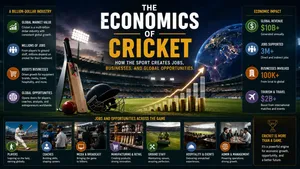 The Economics of Cricket: How the Sport Creates Jobs, Businesses, and Global OpportunitiesDiscover how cricket contributes to the economy through equipment manufacturing, academies, broadcasting, tourism, sponsorships, and local businesses across Nepal, Germany, USA, Canada, the Netherlands, and the UK.
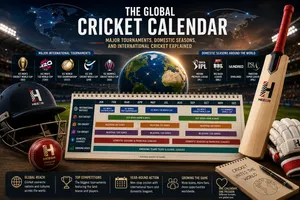 The Global Cricket Calendar: Major Tournaments, Domestic Seasons, and International Cricket ExplainedDiscover how the global cricket calendar works. Learn about major ICC tournaments, domestic leagues, franchise competitions, bilateral series, and cricket seasons across Nepal, Germany, USA, Canada, the Netherlands, and the UK.