Inside the Global Cricket Revolution: From Nepal to the United Kingdom

Introduction: Cricket Is Entering a New Era
For generations, cricket belonged largely to a familiar circle of nations. Countries like India, England, Australia, Pakistan, and South Africa shaped the sport’s biggest rivalries, iconic moments, and legendary careers. The image of cricket was tied to packed stadiums, historic rivalries, white flannels, and long-standing traditions.
But quietly — and then suddenly — cricket began changing.
Today, the sport is expanding far beyond its traditional borders. Across cities in Nepal, Germany, the United States, Canada, and the Netherlands, cricket is growing at a pace few imagined possible. Meanwhile, the United Kingdom continues to evolve its own cricket ecosystem, blending history with innovation to stay relevant in a changing sporting world.
This is not simply growth. It is a revolution.
The global cricket revolution is powered by passion, migration, technology, franchise leagues, youth academies, and communities determined to make cricket part of their future.
And perhaps most importantly, it feels deeply human.
Because behind every cricket revolution is a story — a teenager training before sunrise, a volunteer coach teaching newcomers, parents spending weekends at local grounds, and communities finding identity through sport.
What Is Driving the Global Cricket Revolution?
Before diving into specific countries, it is important to understand why cricket is expanding so rapidly.
Several forces are shaping this global movement:
1. Migration and Multicultural Communities
As communities moved around the world, cricket traveled with them.
People from cricket-loving countries carried the sport into:
- Europe
- North America
- Emerging Asian markets
Local clubs became gathering spaces where cricket preserved culture, friendships, and belonging.
2. Digital Streaming and Social Media
Twenty years ago, watching international cricket outside traditional nations was difficult.
Today:
- Live streams are available instantly
- Match clips spread through social platforms
- Young players learn techniques online
- Fans follow international leagues from anywhere
A teenager in Munich can now study batting videos from elite professionals with a phone in hand.
3. Franchise Cricket and Professional Leagues
T20 cricket transformed cricket economics.
Modern franchise leagues created:
- Financial investment
- Sponsorship opportunities
- Career pathways
- International visibility
This professional ecosystem gave emerging nations something they lacked before: a believable future.
4. Youth Development Pathways
Perhaps the biggest change of all is grassroots participation.
More countries now invest in:
- School cricket
- Academies
- Club systems
- Junior leagues
- Coaching certifications
Cricket is no longer something people casually try — in many places, it is becoming a structured career pathway.
Nepal: Where Passion Became a National Movement
Nepal
If there is one country that captures cricket emotion perfectly, it is Nepal.
In Nepal, cricket feels personal.
Walk through neighborhoods in Kathmandu and it is difficult not to notice children batting in streets, improvised grounds, and school spaces. Cricket conversations happen everywhere — tea shops, schools, buses, workplaces, and homes.
What makes Nepal unique is the emotional intensity of its fanbase.
Despite being an emerging cricket nation, Nepal produces stadium atmospheres that rival much larger cricket markets.
From Enthusiasm to Structure
The real breakthrough happened when passion began turning into systems.
Nepal invested in:
- Domestic tournaments
- Youth pathways
- Cricket academies
- Competitive exposure
Domestic cricket competitions created opportunities for players to dream bigger.
National Heroes Inspiring a Generation
Figures like:
- Paras Khadka
- Sandeep Lamichhane
showed young athletes something powerful:
Professional cricket was possible.
For many children, these players transformed cricket from fantasy into ambition.
Germany: Building Cricket Through Systems
Germany
Germany’s cricket story feels different from Nepal’s.
Here, growth has been less emotional explosion and more steady construction.
Cricket in Germany has expanded through organization.
Cities such as:
- Berlin
- Munich
- Frankfurt
- Hamburg
have developed active cricket communities supported by league systems and clubs.
Bundesliga-Style Cricket Growth
One fascinating feature of German cricket is its league structure.
Inspired by football-style organization, domestic cricket increasingly operates with:
- Regional divisions
- Promotion systems
- Competitive club structures
- Scheduled seasonal competition
This creates sustainability.
Instead of short bursts of enthusiasm, Germany is building a long-term cricket ecosystem.
Cricket as Community
Many German cricket clubs feel multicultural.
Inside one dressing room you may find players originally from:
- India
- Pakistan
- Afghanistan
- Sri Lanka
- England
- Australia
- Germany
Cricket becomes more than competition — it becomes social connection.
The United States: Cricket’s Biggest Opportunity
United States
For decades, people described cricket in America as “the sleeping giant.”
Now, it is beginning to wake up.
The rise of:
- Major League Cricket
- Minor League Cricket
- Youth academies
- New stadium infrastructure
has transformed perceptions of cricket in America.
Why the USA Matters
America brings something unique to cricket:
Scale.
The country offers:
- Massive audiences
- Sports investment
- Broadcasting power
- Commercial sponsorship
- Professional infrastructure
If cricket succeeds deeply in America, the sport could become dramatically larger worldwide.
Grassroots Before Glamour
Yet the most meaningful story is not the billion-dollar discussion.
It is the child attending weekend cricket coaching in Texas.
It is immigrant families introducing cricket to second-generation children.
It is schools slowly beginning to recognize the sport.
Professional leagues create headlines, but grassroots systems create futures.
Canada: Cricket Through Community and Belonging
Canada
Canada’s cricket growth feels warm, local, and community-driven.
Cities like Toronto and Vancouver host thriving weekend cricket cultures where families gather for matches, meals, and community events.
Cricket in Canada often feels deeply social.
The Role of Franchise Cricket
Global T20 Canada
Franchise cricket increased visibility.
It gave local players:
- Exposure
- Higher competition
- International interaction
- Professional aspirations
But beyond television cameras, community cricket remains the heart of Canadian growth.
Cricket as Cultural Identity
For many immigrant communities, cricket preserves familiarity.
Parents introduce children to a sport they loved growing up while also building new friendships inside Canadian society.
Cricket becomes both memory and opportunity.
Netherlands: Quiet Progress, Serious Results
Netherlands
The Netherlands may not dominate headlines, but it consistently earns respect.
Dutch cricket is proof that smaller systems can compete through discipline and planning.
Building Through Structure
Competitions like:
Topklasse
help players develop in organized environments.
Dutch cricket emphasizes:
- Technical coaching
- Discipline
- Youth systems
- Club participation
The result?
A national team capable of surprising larger cricket nations.
Why Dutch Cricket Matters
The Netherlands reminds the cricket world that success is not only about population or money.
Sometimes it comes from patience, planning, and strong coaching.
The United Kingdom: Protecting Tradition While Reinventing Cricket
United Kingdom
The UK sits at the center of cricket history.
Yet even cricket’s traditional home is changing.
County Cricket: The Foundation
County Championship
County cricket remains the backbone of player development.
Young players progress through:
- Club cricket
- Schools
- Academies
- County systems
This structure has produced generations of elite cricketers.
The Hundred and Modern Audiences
The Hundred
The Hundred introduced shorter, entertainment-driven cricket designed to attract:
- New fans
- Families
- Young audiences
Not everyone agreed with change.
But it reflected something important:
Even traditional cricket nations must evolve.
The Human Side of Cricket’s Expansion
Statistics explain growth.
People explain meaning.
The global cricket revolution lives inside everyday moments:
- A child practicing shadow batting in Kathmandu
- Volunteers preparing pitches in Berlin
- Parents driving children to academy sessions in Texas
- Families spending weekends at local grounds in Toronto
- Young players dreaming of county cricket in London
These moments rarely appear in headlines.
But they are the real engine behind global cricket.
Challenges Still Exist
Growth is exciting, but progress is uneven.
Emerging cricket nations still face:
Infrastructure Challenges
- Limited stadiums
- Shared sports facilities
- Weather limitations
- Lack of turf wickets
Financial Pressure
- Sponsorship gaps
- Funding instability
- Development costs
Competition From Other Sports
Football, basketball, baseball, and hockey remain dominant in many regions.
Cricket must compete for attention.
What the Future Could Look Like
Over the next decade, global cricket may look dramatically different.
We may see:
- Stronger associate nations
- More global ICC tournaments
- Professional leagues in new countries
- Greater women’s cricket participation
- More international player pathways
- Increased Olympic visibility
Most importantly, cricket could become genuinely global.
Not concentrated.
Not regional.
Global.
Final Thoughts
The global cricket revolution is not happening in one place — it is unfolding everywhere at once.
From Nepal’s emotional passion to Germany’s organized leagues, from America’s commercial opportunity to Canada’s community culture, from Dutch discipline to British tradition, cricket is expanding into something larger than it has ever been.
The story of cricket is no longer about where the game started.
It is about where the game is going.
And right now, somewhere on a local ground far from the world’s biggest stadiums, the next chapter of cricket is already beginning.
Related posts
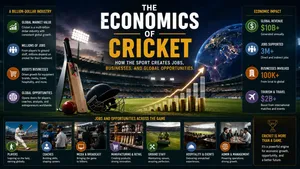 The Economics of Cricket: How the Sport Creates Jobs, Businesses, and Global OpportunitiesDiscover how cricket contributes to the economy through equipment manufacturing, academies, broadcasting, tourism, sponsorships, and local businesses across Nepal, Germany, USA, Canada, the Netherlands, and the UK.
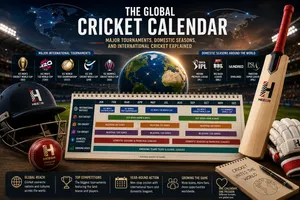 The Global Cricket Calendar: Major Tournaments, Domestic Seasons, and International Cricket ExplainedDiscover how the global cricket calendar works. Learn about major ICC tournaments, domestic leagues, franchise competitions, bilateral series, and cricket seasons across Nepal, Germany, USA, Canada, the Netherlands, and the UK.
 How Cricket Is Leading the Evolution of Modern Sports Through Performance, Technology, and Global GrowthDiscover how cricket is leading the evolution of modern sports through performance, technology, and global growth. Learn about cricket in USA and Nepal, sports science, AI, athlete development, performance analytics, sportswear, and the future of cricket in this Heega Sports 2026 guide.