International Cricket Expansion Explained: USA, Europe & Beyond.

For decades, international cricket was dominated by a small group of traditional powerhouses like India, Australia, England, and Pakistan. But over the last few years, the global cricket map has started to change dramatically.
Today, international cricket expansion is one of the sport’s biggest stories. Countries like the USA, Germany, Canada, Nepal, and the Netherlands are investing heavily in leagues, youth development, infrastructure, and professional pathways. From packed stadiums in Kathmandu to the rise of Major League Cricket in America, cricket is no longer limited to its traditional markets.
What was once considered a regional sport is now becoming a truly global entertainment and development industry.
In this guide, we’ll explore how cricket is expanding across the USA, Europe, and emerging nations, what’s driving this growth, the challenges involved, and what the future of global cricket could look like.
Why International Cricket Is Expanding
Several major factors are fueling the growth of cricket worldwide.
1. Immigration and Multicultural Communities
Countries like the USA, Canada, Germany, and the UK have large South Asian, Caribbean, and African communities that brought cricket culture with them.
As these communities grew, they created:
- Local cricket clubs
- Community leagues
- Youth academies
- Amateur tournaments
Over time, cricket moved beyond immigrant communities and began attracting local audiences as well.
2. Franchise Leagues Changed Everything
The success of tournaments like:
- IPL
- Big Bash League
- The Hundred
- SA20
- GT20 Canada
- Major League Cricket
has shown that cricket can succeed commercially in new markets.
Franchise cricket made the game:
- Faster
- More entertaining
- Easier for new fans to understand
- More attractive to investors and broadcasters
3. Digital Streaming and Social Media
In the past, fans outside major cricket countries struggled to watch matches. Today, YouTube streams, social media highlights, and OTT platforms have made cricket accessible globally.
Young fans in Europe and North America can now follow:
- International matches
- Franchise leagues
- Local tournaments
- Cricket influencers and creators
This digital exposure has accelerated cricket’s popularity worldwide.
Cricket Expansion in the USA
The United States has become one of cricket’s biggest target markets.
Rise of Major League Cricket
The launch of Major League Cricket (MLC) marked a turning point for cricket in USA.
MLC introduced:
- International players
- Modern stadiums
- Professional franchises
- Major investors
- Television coverage
Cities like Dallas, New York, Los Angeles, and San Francisco are now becoming important cricket hubs.
Minor League Cricket and Youth Pathways
Below MLC, Minor League Cricket is helping build grassroots development across the country.
The USA cricket structure now includes:
- Youth academies
- School cricket
- Regional tournaments
- Development camps
- Franchise scouting systems
The long-term goal is to create American-born professional cricketers.
Why the USA Matters to Global Cricket
The US sports market is massive. If cricket succeeds in America, it could unlock:
- Huge sponsorship deals
- Mainstream broadcasting opportunities
- Global commercial growth
- Olympic visibility
This is why ICC and private investors continue focusing heavily on the American market.
Cricket Growth Across Europe
Europe has become one of cricket’s most exciting emerging regions.
Cricket in Germany
Cricket in Germany has grown rapidly due to immigration and grassroots community leagues.
German Cricket Federation Leagues
The German Cricket Federation leagues now organize structured competitions across cities like:
- Berlin
- Munich
- Frankfurt
- Hamburg
Many Berlin cricket clubs and Munich cricket clubs are now investing in youth development programs and indoor facilities.
Germany National Team Development
The Germany national team fixtures attract increasing attention as the country pushes for higher ICC rankings.
Germany’s long-term strategy focuses on:
- Youth participation
- Infrastructure growth
- Local player development
- Professional league systems
Cricket in the Netherlands
The Netherlands remains one of Europe’s strongest associate cricket nations.
Topklasse Cricket
The Topklasse cricket competition is the country’s highest domestic level and has helped develop several international players.
Historic Dutch clubs include:
- HCC
- HBS
- VRA
These clubs play a major role in maintaining competitive standards.
Why Dutch Cricket Succeeds
The Netherlands benefits from:
- Strong club culture
- Connections with English county cricket
- Professional coaching
- Consistent international exposure
The Dutch national team continues to surprise stronger cricket nations in ICC tournaments.
Cricket in the UK and Its Global Influence
The UK remains one of the sport’s most important development centers.
County Championship and ECB Pathway
The County Championship and ECB pathway system have influenced cricket structures worldwide.
Many emerging cricket nations now model their systems around:
- County academies
- Grassroots leagues
- Youth pathways
- Club cricket development
The Hundred’s International Impact
The Hundred also showed how cricket can adapt for modern audiences through:
- Shorter formats
- Entertainment-focused presentation
- Family-friendly experiences
Several countries are now studying similar franchise models.
Cricket Growth in Canada
Cricket in Canada has expanded quickly over the last decade.
GT20 Canada
The launch of GT20 Canada increased visibility for:
- Local players
- Canadian cricket infrastructure
- International partnerships
Cities like Toronto and Vancouver now host vibrant cricket communities.
Youth and College Cricket
Canadian cricket is also growing through:
- School competitions
- College tournaments
- Youth academies
- Indoor cricket facilities
The Canada national team is benefiting from stronger grassroots systems.
Nepal: The Passion Powerhouse
Few countries demonstrate cricket passion like Nepal.
Why Cricket in Nepal Is Unique
Despite limited infrastructure, Nepal offers:
- Massive fan support
- Packed stadiums
- Strong youth interest
- Growing domestic competitions
Players like Paras Khadka and Sandeep Lamichhane helped bring global attention to Nepal cricket.
Challenges Facing International Cricket Expansion
Although growth is exciting, emerging cricket nations still face major obstacles.
Infrastructure Limitations
Many countries lack:
- International-standard stadiums
- Dedicated cricket grounds
- Indoor training centers
Funding and Sponsorship
Football, basketball, baseball, and hockey often dominate sports funding in new cricket markets.
Cricket organizations must compete for:
- Sponsors
- Media attention
- Government support
Building Local Fanbases
In some countries, cricket still relies heavily on immigrant communities.
Long-term success requires attracting:
- Local youth
- Schools
- Mainstream audiences
The Role of ICC in Global Cricket Growth
The International Cricket Council (ICC) plays a major role in expansion efforts.
ICC Development Programs
The ICC supports:
- Associate nations
- Coaching programs
- Youth tournaments
- Infrastructure grants
- Women’s cricket development
The organization is increasingly focused on making cricket a global sport rather than a regional one.
Women’s Cricket Is Expanding Globally Too
Women’s cricket growth is helping international expansion significantly.
Countries like:
- USA
- Canada
- Germany
- Netherlands
are investing more in women’s leagues and youth participation programs.
This creates broader audiences and long-term sustainability.
Could Cricket Become a Truly Global Sport?
The biggest question is whether cricket can eventually compete globally with football, basketball, or tennis.
Several signs suggest strong potential:
- Olympic inclusion discussions
- Expanding T20 leagues
- Youth participation growth
- Social media popularity
- Corporate investment
Cricket may never replace football globally, but it no longer depends only on traditional nations for growth.
The Future of International Cricket Expansion
The next decade could reshape cricket completely.
Future trends may include:
- More franchise leagues in Europe and North America
- Expansion of youth academies
- Olympic cricket growth
- Better global broadcasting
- Increased women’s participation
- New international rivalries
Countries once considered “emerging” may soon become major cricket markets.
Final Thoughts
The story of international cricket expansion is no longer just about spreading the sport — it’s about transforming cricket into a truly global industry.
From Major League Cricket in the USA to Topklasse cricket in the Netherlands, from Nepal’s passionate crowds to Germany’s growing league systems, cricket is evolving far beyond its traditional boundaries.
What makes this moment exciting is that the next cricket powerhouse may not come from a historic cricket nation at all. It could emerge from Toronto, Berlin, Dallas, Amsterdam, or Kathmandu.
And that possibility is changing the future of world cricket forever.
Related posts
 How Local Cricket Leagues Help Build Future International PlayersDiscover how local cricket leagues develop future international cricketers. Learn why grassroots competitions, clubs, and domestic leagues are essential for cricket's growth across Nepal, Germany, USA, Canada, the Netherlands, and the UK.
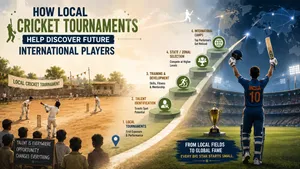 How Local Cricket Tournaments Help Discover Future International PlayersDiscover how local cricket tournaments help identify future international players. Learn how grassroots competitions, academies, clubs, and talent scouts support cricket development across Nepal, Germany, USA, Canada, the Netherlands, and the UK.
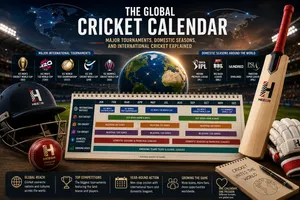 The Global Cricket Calendar: Major Tournaments, Domestic Seasons, and International Cricket ExplainedDiscover how the global cricket calendar works. Learn about major ICC tournaments, domestic leagues, franchise competitions, bilateral series, and cricket seasons across Nepal, Germany, USA, Canada, the Netherlands, and the UK.