The Psychology of a Cricket Captain: Leadership Lessons from the Game

Introduction: What Makes a Great Cricket Captain?
A cricket captain does much more than decide who bowls the next over.
The captain is responsible for leading the team through changing situations, making difficult decisions, managing pressure, and keeping players focused on a common goal.
During a match, a captain may need to make decisions within seconds.
Should the field move?
Should a fast bowler continue?
Is it time to introduce a spin bowler?
Should the batting order change?
How should the team respond after losing an important wicket?
These decisions can influence the outcome of a match.
However, captaincy is not only about tactics.
A successful leader also understands people.
The captain must know how to motivate different personalities, support struggling players, communicate clearly, and create trust among the members of the team.
This combination of tactical thinking and psychological awareness makes cricket captaincy one of the most demanding leadership roles in sport.
A Captain Leads People, Not Just Players
Every cricket team contains players with different personalities, experiences, strengths, and weaknesses.
One player may be naturally confident.
Another may need encouragement.
A young player may feel nervous before an important match.
An experienced player may need more responsibility.
A captain has to recognize these differences.
Good leadership begins with understanding the people behind the performances.
The captain's job is not to treat everyone exactly the same.
Instead, effective leaders learn how to bring out the best in each player.
Trust Is the Foundation of Leadership
Players perform better when they trust their captain.
Trust develops through consistency.
A captain earns trust by:
- Keeping promises
- Treating players fairly
- Supporting teammates
- Taking responsibility for mistakes
- Listening to concerns
- Making decisions consistently
If players believe their captain will support them, they are more likely to take responsibility on the field.
Trust can become especially important during difficult periods.
When a team is losing, players often look toward their captain for direction.
Communication Skills Can Change a Team
Strong communication skills are essential for cricket leadership.
A captain constantly communicates with:
- Bowlers
- Batters
- Wicketkeepers
- Fielders
- Coaches
- Support staff
But communication is not simply about talking more.
It is about saying the right thing at the right time.
A captain needs to communicate clearly when the team is under pressure.
For example, a bowler who has just conceded several boundaries may not need criticism.
They may need a simple tactical instruction and reassurance.
Good communication helps players understand what is expected of them.
Listening Is Part of Communication
Leadership is often associated with giving instructions.
However, good captains also listen.
Players may notice things that the captain cannot see.
A bowler may understand how the pitch is behaving.
A batter may recognize a weakness in the opposition.
A fielder may notice a particular scoring pattern.
Listening to these observations can improve decision-making.
A captain who listens creates an environment where members of the team feel valued.
Staying Calm Under Pressure
Cricket produces intense moments.
A captain may face pressure when:
- The team is chasing a difficult target
- Several wickets fall quickly
- A bowler struggles
- An opposition batter dominates
- A close decision goes against the team
- The required run rate increases
The captain's emotional response can influence the rest of the team.
If the captain panics, players may become anxious.
If the captain remains calm, the team is more likely to stay focused.
This does not mean a captain should never show emotion.
It means emotions should not control decision-making.
Decision-Making Is a Core Leadership Skill
Cricket captains make hundreds of small decisions during a match.
Some decisions are tactical.
Others are psychological.
A captain may decide:
- Which bowler starts
- When to change bowlers
- Where fielders should stand
- When to take a review
- Whether to attack or defend
- How to manage workloads
- When to change the batting order
There is rarely a perfect answer.
Captains must make decisions with incomplete information.
This is why experience is so valuable.
Field Placement Requires Strategic Thinking
Field placement is one of the clearest examples of captaincy psychology.
A captain needs to understand the batter's tendencies.
Does the batter prefer the leg side?
Do they frequently drive through the off side?
Are they attempting to hit over the infield?
Where are they most likely to score?
The captain then creates a field designed to influence those decisions.
Good field placement can:
- Reduce scoring opportunities
- Create pressure
- Encourage risky shots
- Protect boundaries
- Create catching chances
A captain therefore needs tactical awareness as well as an understanding of player behavior.
Reading the Opposition
A captain must also understand the opposition.
This includes observing:
- Batting patterns
- Bowling changes
- Field placements
- Running between wickets
- Shot selection
- Player confidence
The best captains constantly gather information.
They watch how the match develops rather than following a fixed plan.
Adaptability Separates Good Captains From Great Ones
A match rarely goes exactly according to plan.
The opposition may change its strategy.
The pitch may behave differently than expected.
Weather may alter conditions.
A key player may become unavailable.
A captain needs to adapt.
Adaptability means being willing to change the plan when circumstances change.
A captain who refuses to adjust can make a difficult situation even worse.
The Captain Must Understand Different Personalities
A cricket team is a group of individuals.
Each player may respond differently to pressure.
Some players respond well to direct instructions.
Others perform better with encouragement.
Some players enjoy responsibility.
Others may need time to develop confidence.
Understanding these personalities allows a captain to communicate more effectively.
Leadership is therefore partly about emotional intelligence.
Motivating Players After Failure
Every player experiences failure.
A batter may score a duck.
A bowler may concede too many runs.
A fielder may drop an important catch.
A captain has to decide how to respond.
Public criticism can sometimes damage confidence.
Constructive feedback is usually more useful.
A good captain can help a player understand:
What happened?
Why did it happen?
What can be done differently next time?
This turns failure into a learning opportunity.
Creating a Positive Team Culture
Team culture develops through everyday behavior.
A captain influences that culture through:
- Attitude
- Discipline
- Communication
- Fairness
- Work ethic
- Respect
If the captain arrives prepared, works hard, and treats everyone respectfully, players are more likely to follow that example.
Leadership is often demonstrated through actions rather than speeches.
Leading by Example
Players watch what their captain does.
A captain who demands fitness but avoids training will lose credibility.
A captain who expects discipline but ignores rules sends a confusing message.
Leading by example means demonstrating the standards expected from everyone else.
This can involve:
- Arriving on time
- Training seriously
- Supporting teammates
- Accepting criticism
- Staying disciplined
- Remaining committed during difficult matches
Actions can communicate leadership more powerfully than words.
Handling Conflict Within the Team
Disagreements can happen in any cricket team.
Players may disagree about:
- Batting positions
- Bowling opportunities
- Field placements
- Selection
- Match tactics
A captain should avoid allowing disagreements to become personal conflicts.
The goal is to focus on the team's objectives.
Good communication skills can help leaders resolve disagreements before they affect performance.
Giving Young Players Responsibility
Young players need opportunities to develop leadership skills themselves.
A captain can help by giving them responsibilities such as:
- Leading warm-ups
- Setting fielding drills
- Supporting younger players
- Sharing tactical observations
- Taking responsibility for specific fielding areas
Small responsibilities can gradually build confidence.
Senior Players Can Support the Captain
Captaincy does not have to be a one-person job.
Experienced players can provide valuable support.
A captain may rely on senior teammates for:
- Tactical advice
- Opposition analysis
- Bowling suggestions
- Player management
- Match experience
This creates a collaborative leadership environment.
The captain remains responsible for final decisions, but good leaders know when to seek advice.
The Wicketkeeper Can Be an Important Communication Partner
The wicketkeeper has a unique view of the field.
They can communicate with:
- Bowlers
- Captain
- Close fielders
They may notice details that are difficult to see from another position.
A captain and wicketkeeper who communicate effectively can coordinate field changes and tactical adjustments more efficiently.
Bowlers Need Clear Instructions
Bowlers often need simple, specific instructions.
A captain might communicate:
- Desired line
- Field plan
- Bowling change
- Match situation
- Batter weakness
Too many instructions can create confusion.
The best captains keep messages clear and practical.
Batters Also Need Leadership Support
Captains should not focus only on bowlers.
Batters may need support during:
- Difficult run chases
- Long partnerships
- Pressure situations
- Losing wickets
- Required-rate increases
A captain can help the batting group remain focused on the next objective rather than becoming overwhelmed by the final target.
The Psychology of Positive Reinforcement
Positive reinforcement can influence player confidence.
Recognizing good behavior can encourage players to repeat it.
A captain might praise:
- A difficult catch
- A disciplined over
- A valuable partnership
- A strong running effort
- A smart tactical decision
Recognition does not mean ignoring mistakes.
It means ensuring that players know what they are doing well.
Why Confidence Matters
Confidence influences performance.
A confident player is more likely to:
- Make decisive movements
- Commit to shots
- Attack the ball
- Take responsibility
- Stay composed
A captain can support confidence by providing clear expectations and constructive feedback.
Avoiding Overconfidence
Confidence must be balanced with discipline.
A team that becomes too confident may:
- Underestimate opponents
- Take unnecessary risks
- Lose concentration
- Ignore match conditions
Good captains encourage confidence while keeping players focused.
Managing Pressure During a Run Chase
Chasing a target can create enormous psychological pressure.
Players may focus too heavily on the required total.
A good captain can break the chase into smaller goals.
Instead of thinking only about the final target, the team can focus on:
- Building partnerships
- Rotating strike
- Winning individual overs
- Protecting wickets
- Maintaining the required rate
Breaking a large challenge into smaller objectives can make pressure easier to manage.
The Captain's Relationship With the Coach
Modern cricket often involves collaboration between captain and coach.
The coach may provide:
- Long-term planning
- Player development
- Opposition analysis
- Training strategies
The captain then applies those ideas during matches.
A strong relationship between captain and coach can create consistency between training and competition.
Tactical Intelligence Develops With Experience
Young captains may initially rely heavily on coaches and senior players.
With experience, they learn to recognize patterns independently.
They begin to understand:
- When a batter is under pressure
- When a bowler needs changing
- When a field needs adjusting
- When to attack
- When to defend
Experience helps turn information into instinctive decisions.
Data Is Changing Cricket Leadership
Modern captains have access to more information than previous generations.
Data can reveal:
- Batter scoring zones
- Bowler economy rates
- Boundary patterns
- Matchups
- Fielding statistics
- Player workloads
Technology can support decision-making.
However, numbers should not completely replace judgment.
A captain still needs to understand the match situation and the people involved.
The Best Captains Balance Data and Instinct
Statistics can tell a captain what usually happens.
Experience can help them understand what is happening now.
The best leaders combine both.
For example, a statistic may suggest that a batter struggles against a particular bowler.
But if the batter is currently seeing the ball exceptionally well, the captain may choose a different strategy.
Leadership requires context.
Learning From Previous Matches
Good captains review their decisions.
After a match, they can ask:
- Which decisions worked?
- Which decisions failed?
- Did the field placement make sense?
- Did communication remain clear?
- Were players supported effectively?
- Could changes have been made earlier?
This process helps captains improve.
Self-reflection is one of the most important leadership habits.
Handling Criticism
Captains are often judged publicly.
A tactical decision that fails can become a major talking point.
The captain may receive criticism from:
- Teammates
- Coaches
- Supporters
- Media
- Analysts
A strong leader learns to separate useful feedback from unnecessary negativity.
They should be willing to accept responsibility without allowing criticism to destroy confidence.
Captaincy and Emotional Control
Emotional control does not mean becoming emotionless.
Cricket is an emotional sport.
Celebrating wickets and showing frustration are natural.
The important skill is knowing when emotions need to be controlled.
A captain who can reset quickly after disappointment gives the team a psychological advantage.
Leadership During Difficult Periods
The true test of a captain often comes when things go wrong.
Anyone can lead when the team is winning comfortably.
Leadership becomes more difficult when:
- Wickets fall quickly
- Bowlers struggle
- The opposition dominates
- Players lose confidence
- The match appears to be slipping away
A strong captain keeps searching for solutions.
Building Accountability
Every player should understand their responsibilities.
Accountability means accepting responsibility for actions and performance.
A captain can create accountability by setting clear expectations.
For example:
- Bowlers must follow plans.
- Fielders must remain alert.
- Batters must understand match situations.
- Everyone must contribute to team preparation.
When responsibilities are clear, players can take greater ownership.
Why Respect Matters More Than Fear
A captain can control players through fear.
But fear rarely creates lasting team unity.
Respect is more powerful.
Players are more likely to follow a captain who:
- Listens
- Works hard
- Communicates clearly
- Treats people fairly
- Accepts responsibility
- Supports teammates
Respect creates commitment rather than simple obedience.
Cricket Teaches Leadership Beyond the Field
The leadership lessons learned through cricket can apply to everyday life.
Players learn how to:
- Work with different personalities
- Handle pressure
- Make decisions
- Communicate
- Accept failure
- Solve problems
- Take responsibility
These skills can be valuable in education, business, and professional environments.
What Young Players Can Learn From Captains
Young cricketers do not need to become captains to develop leadership skills.
They can practice leadership by:
- Supporting teammates
- Communicating respectfully
- Taking responsibility
- Helping younger players
- Staying positive
- Following team plans
Leadership can begin with small actions.
How Parents Can Encourage Leadership Through Cricket
Parents can help young players develop leadership qualities without putting unnecessary pressure on them.
Encourage children to:
- Communicate with teammates
- Listen to coaches
- Take responsibility
- Accept mistakes
- Support others
- Set personal goals
The objective should be development rather than forcing children into leadership roles.
How Heega Sports Supports Cricket Players
At Heega Sports, we believe cricket is about more than equipment.
The game helps players develop skills that can influence their sporting and personal lives.
Our cricket collection supports players at different stages of development with products including:
- Cricket bats
- Kashmir Willow bats
- English Willow bats
- Cricket balls
- Batting gloves
- Batting pads
- Cricket helmets
- Cricket shoes
- Cricket kit bags
- Practice nets
- Training accessories
- Protective equipment
Reliable equipment can help players focus on practice, teamwork, and performance.
Final Thoughts: Great Captains Make Better Teams
The psychology of a cricket captain goes far beyond tactical decisions.
A great captain understands people.
They communicate clearly.
They listen carefully.
They remain calm under pressure.
They accept responsibility.
They build trust.
They motivate players after failure.
They adapt when circumstances change.
And they understand that every member of the cricket team has an important role.
Strong communication skills help turn individual players into a connected group.
Trust encourages players to take responsibility.
Respect creates commitment.
Good decision-making gives the team direction.
Perhaps most importantly, effective leadership is not about controlling people.
It is about helping people perform at their best.
A captain cannot score every run, take every wicket, or stop every boundary.
But they can create an environment where players believe in themselves and in each other.
That is the real power of cricket leadership.
The lessons learned through captaincy can remain valuable long after a match ends.
They teach players how to communicate, handle pressure, solve problems, accept responsibility, and work toward a shared goal.
Whether leading a school side, academy squad, club team, or international cricket team, the principles remain remarkably similar.
Great captains do not simply lead from the front. They bring the entire team forward with them.
🏏 Build Your Cricket Kit With Heega Sports
Explore quality cricket bats, cricket balls, batting gloves, batting pads, cricket helmets, cricket shoes, kit bags, practice nets, and training accessories designed to support players at every stage.
Shop Now
Heega Sports – Supporting Every Player, Every Practice, and Every Team.
Related posts
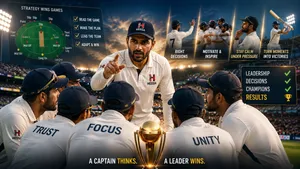 Why Cricket Captains Matter: How Leadership Decisions Win Matches.Discover why cricket captains play one of the most important roles in the game. Learn how leadership, strategy, field placements, bowling changes, and decision-making influence matches across Nepal, Germany, USA, Canada, the Netherlands, and the UK.
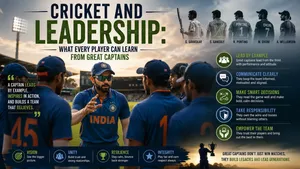 Cricket and Leadership: What Every Player Can Learn from Great CaptainsDiscover the leadership lessons cricket teaches through its greatest captains. Learn how communication, decision-making, teamwork, resilience, and responsibility help players grow on and off the field across Nepal, Germany, USA, Canada, the Netherlands, and the UK.
 Why Cricket Players Struggle Against Certain Bowlers: Understanding the Psychology of MatchupsWhy do cricket players struggle against certain bowlers? Discover how bowling styles, matchups, confidence, technique, decision-making, and psychology influence batting performance.