Why Cricket Socks Matter for Players.

Introduction: Cricket Socks Are More Important Than They Look
When players think about cricket equipment, they usually focus on bats, balls, gloves, pads, helmets, and shoes.
Socks rarely receive the same attention.
Yet socks sit directly between the player's feet and their cricket shoes for hours at a time.
That makes them an important part of overall comfort.
A poorly chosen pair can contribute to:
- Excessive sweating
- Friction
- Blisters
- Discomfort
- Poor moisture management
- Foot fatigue
The right socks cannot turn an average player into a better cricketer overnight.
However, they can help create a more comfortable environment in which the player can focus on cricket rather than their feet.
Why Foot Comfort Matters in Cricket
Cricket involves a surprising amount of movement.
Players may spend hours:
- Standing
- Running
- Turning
- Jumping
- Bowling
- Batting
- Fielding
All of these movements place demands on the feet.
Cricket Players Spend Long Hours on Their Feet
A batter can remain at the crease for a long innings.
Fielders may spend an entire match moving around the ground.
Bowlers repeatedly run toward the crease.
Wicketkeepers constantly change position.
Because the feet are involved in nearly every movement, comfort becomes important.
What Makes Cricket Socks Different?
Cricket socks are designed to work with sports footwear and repeated physical activity.
Depending on the design, they may provide:
- Cushioning
- Stretch
- Moisture management
- Secure fit
- Breathability
- Support
The exact characteristics depend on the material and construction.
Material Can Change How Socks Feel
Different materials behave differently.
Common sock materials include:
- Cotton
- Polyester
- Nylon
- Elastane
- Blended fabrics
Cotton Socks
Cotton is comfortable and familiar to many players.
It can feel soft against the skin.
However, cotton can retain moisture when heavily soaked with sweat.
Synthetic Materials
Synthetic fibers can be designed to move moisture away from the skin and dry more quickly.
This can be useful during intense cricket sessions.
Why Blended Materials Are Common
A blend can combine characteristics from multiple fibers.
For example, a sock may aim to provide:
- Comfort
- Stretch
- Durability
- Moisture management
Moisture Management Is Important
Feet naturally produce sweat.
During cricket, sweating can increase because of:
- Heat
- Exercise
- Long playing periods
- Protective equipment
- Closed footwear
Why Wet Feet Can Become Uncomfortable
Moisture can increase friction between the skin and sock or shoe.
Over time, this can contribute to irritation.
Socks Can Help Reduce Friction
A properly fitted sock creates a consistent layer between the foot and shoe.
This can help reduce direct rubbing.
Why Blisters Can Develop
Blisters commonly form when repeated friction affects the skin.
Cricket players may experience this when:
- Shoes are new
- Socks fit poorly
- Feet become sweaty
- Players train for long periods
Good footwear and appropriate socks can help reduce these problems.
Sock Fit Matters
A sock should generally stay in place during movement.
If it repeatedly slides or bunches up, it can become uncomfortable.
Why Loose Socks Can Be a Problem
Excess fabric may gather inside the shoe.
This can create pressure points and friction.
Why Extremely Tight Socks Can Also Be Uncomfortable
Socks should provide a secure fit without creating unnecessary pressure.
Players should pay attention to how the sock feels around:
- Toes
- Foot
- Ankle
- Calf
Cushioning Can Improve Comfort
Some sports socks include additional cushioning in areas exposed to impact.
These may include:
- Heel
- Sole
- Forefoot
- Toe area
Why Cushioning Matters for Bowlers
Fast bowlers repeatedly accelerate toward the crease and complete forceful delivery movements.
Their feet can experience significant impact.
Comfortable cushioning may help make long sessions more manageable.
Batters Also Need Comfortable Feet
Batters spend long periods standing and moving around the crease.
They may repeatedly shift between:
- Front foot
- Back foot
- Neutral stance
Comfortable socks can help reduce unnecessary distractions.
Fielders Need Mobility
Fielders may sprint, stop, change direction, and dive.
Their feet need to remain comfortable inside the shoes throughout these movements.
Wicketkeepers Have Special Footwork Demands
Wicketkeepers repeatedly move sideways and forward.
They need footwear and socks that allow comfortable movement without excessive bunching.
Socks and Cricket Shoes Work Together
Socks should not be considered separately from footwear.
A good cricket shoe can still feel uncomfortable if the socks are inappropriate.
Why Shoe Fit Can Change With Sock Thickness
A thick sock takes up more space inside the shoe.
A thin sock takes up less.
This means players should consider sock thickness when selecting cricket shoes.
The Wrong Combination Can Cause Pressure
If the shoe already fits tightly and the player wears very thick socks, the foot may feel compressed.
This can reduce comfort during long sessions.
Why Players Should Test Socks With Their Cricket Shoes
Before an important match, players should ideally test the complete combination.
Try:
Socks + Cricket Shoes + Normal Movement
This gives a better indication of comfort.
Cricket Socks and Long Training Sessions
A practice session may last one or two hours.
Some academy or club sessions can last even longer.
The longer the session, the more important comfort becomes.
Why Small Discomfort Can Become a Big Distraction
A sock may feel fine for ten minutes.
After repeated running and movement, however, a small fold or pressure point can become irritating.
Good Socks Can Support Consistent Training
Comfort does not directly improve batting technique or bowling accuracy.
But it can make it easier for players to complete training without unnecessary distractions.
Why Sock Durability Matters
Cricket players may wear sports socks frequently.
Repeated washing, stretching, sweating, and movement can eventually affect their condition.
Durable materials can help socks maintain their shape for longer.
Signs Your Socks Need Replacing
Players should consider replacing socks when they become:
- Thin
- Stretched
- Loose
- Damaged
- Permanently uncomfortable
- Worn around the heel or toes
Why Worn Socks Can Create Problems
As fabric becomes thinner, cushioning and protection may decrease.
Loose elastic can also cause the sock to move during play.
Sock Height Can Affect Comfort
Cricket socks are commonly worn at different heights depending on the player's uniform and preference.
The sock should remain comfortable under cricket clothing and protective equipment.
Why Cricket Players Often Wear Long Socks
Long socks can provide coverage underneath cricket trousers and protective equipment.
They can also create a consistent layer between the skin and gear.
Socks and Leg Guards
Batting pads and other protective equipment sit close to the lower leg.
A suitable sock can make the overall setup more comfortable.
Why Wrinkles Should Be Avoided
Players should pull their socks into a comfortable position before putting on protective equipment.
Folds can create pressure points.
Sock Care Matters Too
Even high-quality socks require proper care.
Players should:
- Wash them regularly
- Dry them properly
- Avoid storing them damp
- Follow the manufacturer's washing instructions
Why Damp Socks Should Not Be Stored
Moisture left inside fabric for long periods can create unpleasant odors and reduce freshness.
Good drying habits help maintain hygiene.
Cricket Socks in Hot Conditions
Cricket is frequently played in warm environments.
Hot weather can increase sweating.
Players should prioritize breathable and moisture-managing clothing and socks where appropriate.
Cricket Socks in Cold Conditions
Cold weather creates a different challenge.
Players may prefer socks with additional warmth and comfortable coverage.
Cricket Socks in Wet Conditions
Wet grounds can make shoes and socks damp.
Players should carry spare socks when playing in unpredictable weather.
Why Spare Socks Are Useful
A fresh pair can make a major difference if the original socks become wet during a long playing day.
This is particularly useful during tournaments and multiple-match events.
Socks for Training vs Match Day
Players may have different preferences for practice and competition.
For training, durability and everyday comfort may be priorities.
For matches, players may prefer socks they have already tested thoroughly.
Why New Socks Should Be Tested First
Never assume a new pair will automatically feel perfect.
Try them during practice first.
This gives players time to discover any issues.
Young Players Need Comfortable Socks Too
Children and teenagers may spend several hours training at academies or clubs.
Properly fitting socks can make their overall equipment setup more comfortable.
Why Growing Players Should Check Their Socks Regularly
Feet change as young players grow.
A sock that once fit well may eventually feel too small or restrictive.
Parents Can Help With Basic Equipment Checks
Parents can encourage young players to check:
- Sock condition
- Shoe fit
- Comfort
- Moisture
- Damage
These small habits teach equipment responsibility.
Socks Should Match the Player's Activity
Not every sports sock is identical.
Players should consider the demands of their cricket activities.
A fast bowler who trains frequently may have different comfort priorities from a recreational player.
Why All-Day Comfort Matters
Cricket is unusual because matches can last for several hours.
Players cannot simply remove their shoes whenever their feet become uncomfortable.
That makes preparation important.
Socks and Foot Hygiene
Good foot hygiene is an important part of sports equipment care.
Players should:
- Change socks after training
- Wash feet regularly
- Dry feet properly
- Avoid repeatedly wearing damp socks
Why Hygiene Matters
Warm, moist environments can become uncomfortable and may encourage unpleasant odors.
Keeping feet and socks clean helps maintain freshness.
How Heega Sports Supports Cricket Players
At Heega Sports, we understand that a player's equipment should provide comfort from head to toe.
Our cricket range includes:
- Cricket socks
- Cricket shoes
- Cricket bats
- Batting gloves
- Inner gloves
- Batting pads
- Helmets
- Leather cricket balls
- Practice balls
- Cricket kit bags
- Practice nets
- Training accessories
Choosing suitable equipment helps players prepare more comfortably for training and matches.
Choosing the Right Cricket Socks: A Simple Checklist
Before buying cricket socks, consider:
1. Fit
They should stay securely in place without feeling excessively tight.
2. Material
Choose a material or blend that suits your comfort and moisture-management needs.
3. Cushioning
Consider extra cushioning if you spend long hours training.
4. Breathability
Useful for players who sweat heavily during cricket.
5. Durability
Regular players may benefit from socks designed for repeated use.
6. Compatibility
Make sure the socks work comfortably with your cricket shoes and protective equipment.
Why Players Should Not Ignore Small Equipment Choices
Cricket performance is often associated with major equipment such as bats and shoes.
But smaller items also contribute to the overall playing experience.
Socks are one example.
A player's equipment works as a complete system.
The Global Cricket Environment
Cricket is played in very different environments around the world, including Nepal, Germany, the United States, Canada, the Netherlands, and the United Kingdom.
Weather, training facilities, playing surfaces, and match durations can vary.
This makes personal comfort and equipment selection even more important.
Nepal
Warm conditions can make moisture management important during outdoor cricket.
Players may benefit from comfortable, breathable socks during long sessions.
Germany
Changing temperatures can make players switch between different training environments throughout the year.
Comfortable socks can help maintain a consistent equipment setup.
United States
Cricket is played across a wide range of climates.
Players should choose socks according to their local conditions and activity level.
Canada
Cold winters and indoor training can create different footwear requirements compared with summer cricket.
Netherlands
Cool and wet conditions can make spare socks particularly useful during outdoor cricket.
United Kingdom
Changing weather throughout the season makes moisture management and equipment preparation important.
Final Thoughts
Cricket socks may seem like a small part of a player's kit, but they can have a surprisingly important role in comfort and foot care.
The right pair can help manage moisture, reduce friction, stay securely in place, and make long training sessions more comfortable.
They also need to work together with cricket shoes and protective equipment.
Players should not choose socks based only on appearance.
Instead, they should consider:
- Fit
- Material
- Cushioning
- Breathability
- Durability
- Playing conditions
- Personal comfort
The goal is simple.
When players step onto the cricket field, they should be thinking about the next ball—not about uncomfortable feet.
Small equipment choices can make a big difference to the overall playing experience.
🏏 Complete Your Cricket Kit With Heega Sports
Explore cricket socks, cricket shoes, bats, batting gloves, pads, helmets, leather balls, practice balls, kit bags, practice nets, and other cricket equipment at Heega Sports.
Shop Now
Heega Sports – Quality Cricket Equipment Designed for Players From Head to Toe.
Related posts
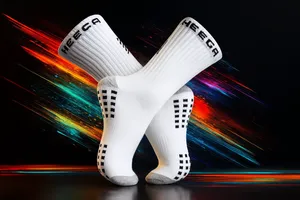 Soft, Strong, Supportive — The Engineering of Heega SocksDiscover the engineering behind Heega Sports Socks — designed for softness, durability, stability, and all-day comfort for every cricketer.
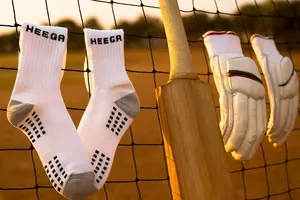 Comfort That Lasts Beyond the Match — Discover Heega Cricket SocksPlay harder, stay fresher. Heega Cricket Socks are designed for athletes who demand all-day comfort, breathability, and performance support — both on and off the field.
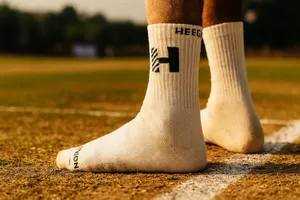 Small Gear, Big Impact: Why Athletes Swear by Performance SocksPerformance socks are the secret weapon of serious athletes. Learn how advanced materials, compression zones, and moisture control give you comfort, power, and endurance.