15 Cricket Accessories Every Serious Player Should Own.

Introduction: The Right Cricket Accessories Can Make a Difference
When people think about cricket equipment, they usually think about the cricket bat and cricket ball first.
While these are undoubtedly essential, a complete cricket setup involves much more.
Whether you are playing cricket at an academy, club, school, local ground, or competitive level, having the right accessories can make training more comfortable, organized, and safe.
A serious player needs equipment that supports different parts of the game.
This includes:
- Batting
- Bowling
- Fielding
- Running
- Protection
- Equipment storage
- Training
- Recovery
- Match-day preparation
From batting gloves and batting pads to cricket helmets, cricket shoes, and a reliable cricket bag, every item has a specific purpose.
Some accessories improve comfort.
Some provide protection.
Others simply make it easier to organize and transport your cricket kit.
In this guide, we explore 15 useful cricket accessories that serious players should consider adding to their collection.
1. Batting Gloves
Batting gloves are one of the most important pieces of cricket gear for any batter.
The hands are exposed to considerable impact when playing fast bowling.
A good pair of batting gloves provides cushioning and protection around the fingers, palms, and knuckles.
Quality gloves can also improve grip on the handle of the cricket bat.
When selecting batting gloves, consider:
- Palm material
- Finger protection
- Knuckle protection
- Grip
- Ventilation
- Wrist support
- Size and weight
The gloves should fit securely without restricting natural hand movement.
A glove that is too loose can affect grip.
A glove that is too tight may become uncomfortable during a long innings.
2. Cricket Helmet
A cricket helmet is essential protective equipment for batters facing hard cricket balls.
A properly fitted helmet helps protect the head and face from accidental impact.
Modern cricket helmets can include features such as:
- Protective grille
- Adjustable fitting
- Lightweight shell
- Comfortable padding
- Ventilation
- Chin strap
Players should never choose a helmet based only on appearance.
Fit and protection should always come first.
3. Batting Pads
Batting pads protect the legs from the impact of the cricket ball.
They are especially important when facing fast bowlers.
Good pads can protect areas around the:
- Shins
- Knees
- Lower legs
When choosing batting pads, players should consider their height, leg shape, playing level, and comfort.
Properly fitted leg pads should remain secure while allowing the batter to move naturally.
4. Abdominal Guard
An abdominal guard provides protection to a sensitive area of the body.
It is particularly important for players facing hard cricket balls at high speed.
An abdominal guard is commonly worn by batters, wicketkeepers, and sometimes close fielders.
The guard should fit securely and comfortably underneath the appropriate protective clothing.
Players should not treat this accessory as optional when regularly playing competitive cricket with hard balls.
5. Chest Guards
Chest guards can provide additional protection for players who regularly face or field close to the action.
They can be particularly useful for:
- Batters
- Wicketkeepers
- Close fielders
Chest protection can help reduce the impact of an accidental hit from a hard cricket ball.
As with other protective gear, fit is extremely important.
6. Cricket Shoes
Cricket shoes are designed to provide grip and stability on the playing surface.
Players need footwear that supports:
- Running
- Batting
- Bowling
- Fielding
- Quick direction changes
Bowlers may prioritize stability and traction.
Batters may prefer lightweight shoes that allow comfortable movement.
All-rounders often look for a balance between grip, comfort, and flexibility.
The right cricket shoes should match the playing surface and the player's role.
7. Cricket Bag
A reliable cricket bag helps players keep their equipment organized.
A complete cricket kit can contain a surprising amount of gear.
A suitable bag can provide separate spaces for:
- Cricket bat
- Batting gloves
- Batting pads
- Helmet
- Shoes
- Cricket balls
- Clothing
- Accessories
Players who regularly travel between training sessions and matches should choose a bag that is durable and easy to carry.
8. Wheelie Bag
A wheelie bag is especially useful for players who carry a large amount of equipment.
Instead of carrying the entire kit on your shoulders, wheels allow you to pull the bag across the ground.
This can be useful when traveling to:
- Cricket academies
- Club matches
- Tournaments
- Practice grounds
- Away fixtures
When choosing a wheelie bag, consider:
- Storage capacity
- Wheel quality
- Handle construction
- Compartments
- Material durability
- Overall size and weight
A larger bag is not always better.
The ideal size should match the equipment you actually carry.
9. Cricket Bat Grip
The grip of a cricket bat directly affects how the bat feels in the hands.
A worn or damaged grip can become slippery.
This can make it more difficult to control the bat during powerful shots.
Players should regularly inspect the grip and replace it when necessary.
Different grip textures can also create different levels of comfort.
A fresh grip can make an old cricket bat feel noticeably better in the hands.
10. Bat Care Accessories
A quality cricket bat requires proper maintenance.
This becomes especially important with wooden bats.
Players may use accessories such as:
- Bat oil
- Bat mallet
- Bat gauge
- Edge protection
- Anti-scuff sheets
- Storage covers
Proper maintenance can help protect the bat from unnecessary damage.
Players should always follow the care instructions recommended for their particular bat.
11. Cricket Bat Cover
A cricket bat cover protects the bat during transportation and storage.
It can help reduce exposure to:
- Dust
- Moisture
- Scratches
- Accidental impacts
This is particularly useful for players who carry their bat regularly.
Bats made from premium materials, including English Willow, should be handled and stored carefully.
A suitable cover is a simple accessory that can help protect an important investment.
12. Cricket Ball Collection
A serious player should have access to different types of cricket ball for training.
Depending on the training environment, players may use:
- Leather cricket balls
- Practice balls
- Synthetic balls
- Soft training balls
- Tennis balls
Different balls can be useful for different drills.
Hard cricket balls are suitable for match-specific practice when appropriate protective equipment is being used.
Tennis balls can be useful for reaction drills and certain batting exercises.
Soft training balls can be useful for beginners and controlled practice.
The important thing is to choose the ball according to the drill and player's skill level.
13. Cricket Stumps
Cricket stumps are useful for both training and matches.
They help players practice:
- Bowling accuracy
- Batting alignment
- Wicketkeeping
- Run-out drills
- Fielding
Portable stumps are particularly convenient for home or academy practice.
They can turn an ordinary practice area into a more structured cricket training environment.
14. Training Cones and Fielding Equipment
Training accessories can help players develop movement and coordination.
Cones can be used for:
- Agility drills
- Sprint exercises
- Running drills
- Fielding movement
- Reaction training
Other useful training equipment can include:
- Catching aids
- Rebound nets
- Throwing targets
- Resistance equipment
- Practice hurdles
These accessories may appear simple, but structured drills can make practice sessions more productive.
15. Cricket Kit Organizer and Accessories
Small accessories are often easy to overlook.
However, keeping your cricket gear organized can make match-day preparation much easier.
Useful items may include:
- Inner gloves
- Wristbands
- Sunglasses
- Socks
- Water bottle
- Towel
- Equipment labels
- Spare grips
- Grip cones
- Protective covers
Keeping smaller items organized means you spend less time searching for equipment and more time preparing for the game.
Why Protective Gear Should Never Be Ignored
Cricket involves a hard ball traveling at high speed.
Players should therefore take protection seriously.
A complete set of protective gear may include:
- Cricket helmet
- Batting pads
- Batting gloves
- Abdominal guard
- Chest guard
- Thigh protection
- Arm protection
The exact equipment required depends on the player's role and level of cricket.
Why Equipment Fit Matters
Buying high-quality cricket gear is only part of the process.
It also needs to fit properly.
Poorly fitted equipment can:
- Restrict movement
- Become uncomfortable
- Affect concentration
- Reduce confidence
- Interfere with technique
This is particularly important for:
- Helmet fitting
- Batting gloves
- Batting pads
- Abdominal guards
- Cricket shoes
Players should always follow the manufacturer's sizing recommendations.
How to Choose Batting Gloves
When buying batting gloves, look beyond the design.
Consider:
Protection
The glove should provide appropriate protection for the level of cricket being played.
Grip
A reliable palm grip helps the batter maintain control.
Comfort
Players may wear gloves for long periods, so comfort matters.
Fit
The fingers should sit correctly inside the glove without excessive movement.
Ventilation
Breathable materials can improve comfort during hot conditions.
How to Choose a Cricket Helmet
Helmet selection deserves particular attention.
Consider:
- Proper size
- Secure fit
- Protective grille
- Padding
- Visibility
- Comfort
- Manufacturer specifications
A helmet should remain secure when the player moves.
Players should not modify or use damaged helmets.
How to Choose Batting Pads
When selecting batting pads, consider:
- Player height
- Leg shape
- Knee position
- Comfort
- Protection
- Strapping system
- Weight
The pads should cover the appropriate areas without restricting movement.
Players should also check that the straps remain secure during batting.
English Willow vs Other Cricket Bat Materials
Serious players often consider different types of cricket bats.
English Willow bats are widely associated with higher-level cricket because of their performance characteristics.
However, not every player needs an English Willow bat.
For beginners and recreational players, Kashmir Willow can offer excellent value and durability.
The right choice depends on:
- Playing level
- Budget
- Training frequency
- Bat weight
- Pickup
- Personal preference
Players should select a bat that they can comfortably control.
Why Size and Weight Matter
When selecting cricket equipment, size and weight are important factors.
This applies particularly to:
- Cricket bats
- Cricket helmets
- Batting pads
- Cricket shoes
- Cricket bags
A cricket bat that is too heavy can affect swing speed and control.
A helmet that does not fit properly can become uncomfortable.
A bag that is unnecessarily large can be difficult to transport.
The best equipment is equipment that matches the player's physical requirements.
Helmet Batting: Why Protection Matters
When players practice helmet batting against hard cricket balls, proper protective equipment becomes especially important.
Batters should wear the appropriate helmet, pads, gloves, and abdominal protection when facing fast or hard deliveries.
Training should also be conducted under suitable supervision and conditions.
The purpose of protective equipment is not to encourage players to take unnecessary risks.
It is to reduce the consequences of accidental contact.
Cricket Gear for Different Types of Players
Different players may prioritize different accessories.
Batters
Batters may need:
- Cricket bat
- Batting gloves
- Batting pads
- Cricket helmet
- Abdominal guard
- Cricket shoes
- Cricket bag
Bowlers
Bowlers may prioritize:
- Cricket shoes
- Training equipment
- Cricket balls
- Fielding equipment
- Protective gear
Wicketkeepers
Wicketkeepers may use:
- Wicketkeeping gloves
- Leg protection
- Helmet
- Abdominal guard
- Cricket shoes
- Training accessories
All-Rounders
All-rounders may need a broad selection of equipment because they contribute in multiple areas.
Building a Complete Cricket Kit
A complete cricket kit does not have to be purchased all at once.
Players can build their equipment gradually.
Essential Equipment
Start with:
- Cricket bat
- Cricket ball
- Batting gloves
- Batting pads
- Cricket helmet
- Cricket shoes
- Cricket bag
Additional Protective Gear
Then consider:
- Abdominal guard
- Chest guards
- Thigh protection
- Arm protection
Training Accessories
Finally, add:
- Training cones
- Practice balls
- Stumps
- Catching aids
- Rebound equipment
This approach allows players to build a practical setup according to their needs and budget.
How to Store Cricket Equipment Properly
Good storage can extend the life of your cricket gear.
Keep Wooden Bats Dry
Avoid leaving wooden bats in damp environments.
Clean Protective Equipment
Remove dirt and sweat after use.
Air Out Gloves and Pads
Allow equipment to dry naturally after training.
Store Shoes Separately
Cricket shoes can carry dirt and moisture from the ground.
Keep Your Cricket Bag Organized
Regularly check your bag for damaged equipment and replace worn accessories.
Why a Good Pair of Cricket Shoes Matters
Footwear is often underestimated.
A good pair of cricket shoes can help players move comfortably around the ground.
They can support:
- Acceleration
- Stopping
- Turning
- Running between wickets
- Bowling
- Fielding
The ideal shoe should provide an appropriate combination of grip, comfort, stability, and mobility.
Players should select footwear according to the playing surface and competition requirements.
Cricket Accessories for Training at Home
Not every player has access to a professional training facility.
Some accessories can make home practice more productive.
Useful options include:
- Tennis balls
- Soft training balls
- Stumps
- Training cones
- Rebound equipment
- Batting aids
Players can use these items to practice:
- Hand-eye coordination
- Bat control
- Footwork
- Catching
- Reaction speed
Home practice cannot replace proper coaching, but it can complement regular training.
Why Every Serious Player Should Maintain Spare Equipment
Unexpected problems can occur during matches.
A grip can break.
A glove can tear.
A shoelace can snap.
A piece of protective equipment can become damaged.
Keeping a few spare accessories in your cricket bag can prevent small problems from disrupting a training session or match.
Useful spare items include:
- Bat grip
- Inner gloves
- Socks
- Shoe laces
- Towel
- Equipment tape
Being prepared is part of professional cricket habits.
Common Cricket Equipment Buying Mistakes
Players should avoid several common mistakes.
Buying Only Based on Price
The cheapest option is not always the best value.
Choosing Equipment That Does Not Fit
Fit is critical for comfort and safety.
Buying Too Much Equipment
Players do not need every accessory available.
Ignoring Playing Conditions
Equipment should match the surface and environment.
Forgetting Maintenance
Even high-quality equipment requires proper care.
Choosing Appearance Over Function
Good-looking gear should still perform its intended purpose.
How Heega Sports Helps Players Build Their Cricket Gear
At Heega Sports, we understand that serious players need dependable cricket equipment for practice and competition.
Our range includes equipment for different playing roles and experience levels.
Players can explore products such as:
- Cricket bats
- Kashmir Willow bats
- English Willow bats
- Batting gloves
- Batting pads
- Cricket helmets
- Abdominal guards
- Chest guards
- Cricket shoes
- Leather cricket balls
- Practice balls
- Cricket kit bags
- Wheelie bags
- Practice nets
- Cricket stumps
- Training accessories
Whether you are a beginner building your first kit or an experienced player upgrading your existing cricket gear, choosing suitable equipment can make preparation more organized and comfortable.
How to Build Your Cricket Kit Step by Step
If you are starting from scratch, follow a simple approach.
Step 1: Choose Your Cricket Bat
Select a bat according to your playing level, preferred weight, and playing style.
Step 2: Add Batting Protection
Choose batting gloves, batting pads, a helmet, and an abdominal guard.
Step 3: Select Cricket Shoes
Match your footwear to your playing surface.
Step 4: Choose a Cricket Bag
Make sure the bag has enough space for your equipment.
Step 5: Add Training Accessories
Consider practice balls, stumps, cones, and catching equipment.
Step 6: Maintain Your Equipment
Clean, inspect, and store your equipment properly after every session.
Final Thoughts
Serious players understand that cricket performance is not only about owning a good cricket bat.
A complete setup involves many pieces of cricket equipment working together.
Batting gloves protect the hands and improve grip.
Batting pads protect the legs.
Cricket helmets provide important head protection.
An abdominal guard protects a sensitive area.
Chest guards can provide additional protection for players in demanding positions.
Cricket shoes support movement, traction, and stability.
A reliable cricket bag or wheelie bag keeps everything organized and makes transportation easier.
Training accessories such as practice balls, stumps, and cones can also make regular practice more structured.
The key is not to buy every accessory simply because it is available.
Instead, focus on equipment that matches your role, playing level, size and weight requirements, and playing conditions.
Whether you are investing in a premium English Willow cricket bat or building a practical beginner's cricket kit, comfort, fit, protection, and usability should always guide your decisions.
The right cricket gear will not automatically make you a better player.
But when your equipment fits correctly, protects you properly, and allows you to move comfortably, you can spend more time focusing on what really matters:
practicing, improving, and playing your best cricket.
🏏 Build Your Cricket Kit With Heega Sports
Looking for reliable cricket equipment for training and match day?
Explore cricket bats, batting gloves, batting pads, cricket helmets, abdominal guards, chest guards, cricket shoes, leather cricket balls, practice balls, cricket bags, wheelie bags, practice nets, stumps, and training accessories at Heega Sports.
Shop Now
Heega Sports – Helping Serious Players Build Better Cricket Kits and Train With Confidence.
Related posts
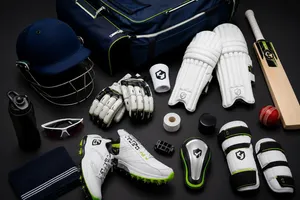 Essential Cricket Accessories Every Serious Player Should OwnDiscover the essential cricket accessories every serious player should own. From bat grips and toe guards to athletic tape, shoe bags, towels, hydration essentials, and first aid kits, learn how the right accessories improve performance and protect your cricket gear. Explore premium cricket accessories at Heega Sports.
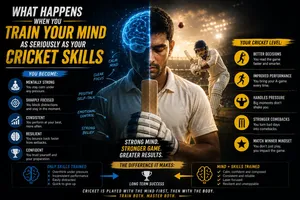 What Happens When You Train Your Mind as Seriously as Your Cricket SkillsDiscover what happens when you train your mind as seriously as your cricket skills. Learn practical mental training techniques for better focus, confidence, decision-making, pressure management, visualization, and match performance.
 The Ultimate Cricket Gear Buying Guide for Serious Players in 2026Discover the ultimate cricket gear buying guide for serious players in 2026. Learn how to choose cricket bats, helmets, gloves, pads, shoes, bags, accessories, and sportswear with premium cricket equipment from Heega Sports.