Cricket Around the World: Emerging Nations Shaping the Future of the Game

Introduction: Cricket’s World Is Changing Faster Than Ever
For most of cricket’s history, the sport revolved around a small group of traditional nations. Countries like India, England, Australia, Pakistan, and South Africa shaped the game’s biggest tournaments, greatest rivalries, and most iconic moments.
But today, cricket is experiencing something extraordinary.
The game is expanding far beyond its historic boundaries. Across Europe, North America, and emerging Asian regions, cricket is no longer viewed as just a foreign sport brought by immigrant communities. It is becoming local. It is becoming professional. And in many places, it is becoming part of a new sporting identity.
From children practicing cricket in the streets of Kathmandu to professional leagues developing in the United States, from organized club structures in Germany to rising cricket culture in Canada and the Netherlands, the sport is entering a global transformation unlike anything seen before.
This is not simply growth in numbers.
It is a shift in cricket’s future.
And perhaps what makes this movement so special is the human emotion behind it. Every new cricket nation carries its own story — stories of ambition, community, sacrifice, opportunity, and belief.
The Global Rise of Emerging Cricket Nations
The modern cricket revolution did not happen accidentally. Several global factors have accelerated the game’s expansion across new countries.
These include:
- International migration and multicultural communities
- Digital streaming and social media
- Franchise T20 leagues
- ICC development programs
- Youth academies and grassroots cricket
- Increased international exposure
What was once a regional sport is slowly becoming a genuinely global one.
And emerging cricket nations are playing the biggest role in that transformation.
Nepal: A Nation Where Cricket Became Emotion
Nepal
Few countries capture cricket passion the way Nepal does.
In Nepal, cricket is not just entertainment. It is emotion. It is identity. It is hope.
Walk through local neighborhoods in Kathmandu and you will see children playing cricket almost everywhere — on streets, school grounds, rooftops, and open spaces. Fans fill stadiums with unmatched energy, and every national team victory feels deeply personal to millions of supporters.
What makes Nepal’s rise remarkable is how quickly the country transformed from an emerging associate nation into one of cricket’s most passionate markets.
Domestic Cricket and Professional Pathways
The rise of:
- Nepal T20 competitions
- Provincial tournaments
- Youth academies
- Local cricket clubs
has created real professional pathways for young cricketers.
Players are no longer just dreaming about cricket — they are building careers around it.
National Heroes Inspiring Young Players
Figures like:
- Paras Khadka
- Sandeep Lamichhane
have inspired an entire generation of young athletes.
Their journeys showed Nepalese children that international cricket success is possible.
Germany: Building Cricket Through Structure and Community
Germany
Cricket in Germany represents a very different type of growth.
Instead of emotional explosion, Germany’s cricket rise has been built patiently through:
- League systems
- Community clubs
- Organized competitions
- Youth participation
Cities like Berlin, Munich, Frankfurt, and Hamburg now host active cricket cultures that continue expanding every year.
Bundesliga-Style Cricket Leagues
One of Germany’s most unique developments is its football-inspired league structure.
Regional competitions operate with:
- Divisions
- Promotions
- Competitive club systems
- Seasonal schedules
This creates stability and encourages clubs to invest in long-term development.
Cricket as a Cultural Bridge
German cricket clubs are often deeply multicultural.
Players from different countries share the same dressing rooms, creating communities that extend beyond sport itself.
In many ways, cricket in Germany represents integration, diversity, and shared identity.
United States: Cricket’s Biggest Commercial Opportunity
United States
For years, people described cricket in America as “potential.”
Today, that potential is beginning to turn into reality.
The emergence of:
- Major League Cricket
- Minor League Cricket
- New stadium developments
- Youth academies
has dramatically changed cricket’s visibility in the USA.
Why Cricket in America Matters Globally
The United States offers:
- Massive sports markets
- Commercial investment
- Broadcasting opportunities
- Huge multicultural populations
If cricket becomes deeply established in America, it could reshape the global economy of the sport.
Grassroots Cricket Is the Real Story
While professional leagues receive headlines, the true revolution is happening quietly in local communities.
Children are now learning cricket through:
- Weekend coaching programs
- School tournaments
- Community leagues
- Academy systems
That grassroots foundation is what will determine cricket’s long-term future in the USA.
Canada: Community Cricket Creating National Growth
Canada
Cricket in Canada feels deeply community-driven.
Across cities like Toronto, Vancouver, and Brampton, local cricket grounds become gathering places where families spend weekends watching matches, sharing meals, and supporting clubs.
Cricket in Canada is growing not just because of leagues — but because of belonging.
GT20 Canada and Professional Exposure
Global T20 Canada
GT20 Canada brought professional attention to Canadian cricket.
The tournament helped:
- Increase visibility
- Create professional standards
- Give local players exposure
- Attract international talent
But beneath the professional layer, community cricket remains the heart of Canada’s cricket culture.
The Importance of Youth Cricket
Canada’s youth systems continue expanding through:
- Local clubs
- Junior academies
- School cricket
- Provincial competitions
This is creating a stronger future generation of Canadian cricketers.
Netherlands: Quiet Growth, Serious Results
Netherlands
The Netherlands may not always dominate global headlines, but Dutch cricket has quietly become one of the most respected associate systems in world cricket.
The country consistently competes above expectations through:
- Strong coaching
- Organized domestic cricket
- Technical discipline
- Smart player development
Topklasse and Club Cricket
Topklasse
Topklasse serves as the backbone of Dutch domestic cricket.
Historic clubs such as:
- HCC
- HBS
- VRA Amsterdam
have helped maintain high standards for player development.
County Cricket Connections
Many Dutch players gain experience through English county cricket environments, which improves:
- Technical ability
- Tactical awareness
- Professional standards
This connection has played a major role in Dutch cricket’s international competitiveness.
The United Kingdom: Tradition Adapting to a Modern Game
United Kingdom
Even cricket’s traditional home is evolving.
The UK remains one of the world’s strongest cricket ecosystems, but modern audiences and changing entertainment habits have forced innovation.
County Cricket and the ECB Pathway
County Championship
County cricket continues producing elite players through:
- Club systems
- School cricket
- Academies
- Professional coaching pathways
The ECB pathway remains one of the most respected development systems in world cricket.
The Hundred and Modern Audiences
The Hundred
The Hundred introduced a shorter and faster version of cricket aimed at:
- Families
- Young viewers
- New audiences
It represents cricket’s attempt to modernize while still respecting tradition.
Women’s Cricket and Global Expansion
One of the most important developments worldwide is the rapid growth of women’s cricket.
Emerging nations are increasingly investing in:
- Girls’ academies
- Women’s leagues
- School participation
- International competitions
This growth is helping cricket become more inclusive and accessible.
The Human Side of Global Cricket
Statistics explain expansion.
People explain meaning.
The future of cricket is being built through:
- Volunteers preparing local grounds
- Coaches mentoring children after work
- Parents supporting academy journeys
- Communities organizing weekend tournaments
- Young players practicing for hours with limited resources
These stories rarely appear in headlines, but they are the foundation of cricket’s global rise.
Challenges Emerging Nations Still Face
Despite exciting progress, many emerging cricket nations continue facing major obstacles.
Infrastructure Challenges
Many countries still lack:
- Turf wickets
- Dedicated stadiums
- Indoor facilities
- High-performance training centers
Funding and Sponsorship
Sustainable cricket development requires long-term financial support.
Competition From Other Sports
Football, basketball, hockey, and baseball remain dominant in many regions.
Cricket must compete for attention and participation.
Why Emerging Nations Matter for Cricket’s Future
The growth of emerging nations is transforming cricket in several important ways.
Cricket Becomes Truly Global
More countries mean:
- More fans
- More players
- More tournaments
- More commercial opportunities
New Stories Create New Energy
Emerging nations bring underdog stories, emotional fanbases, and fresh excitement into world cricket.
Youth Participation Expands
As more countries build academies and grassroots systems, cricket reaches entirely new generations.
The Future of World Cricket
The next decade could completely reshape the sport.
We may soon see:
- More ICC events in emerging nations
- New franchise leagues
- Greater Olympic visibility
- Stronger associate nations
- Expanded women’s cricket
- Increased global broadcasting access
Cricket is no longer growing in one direction.
It is growing everywhere.
Final Thoughts
Cricket around the world is changing rapidly, and emerging nations are leading that transformation. From Nepal’s unmatched passion to Germany’s organized league systems, from America’s commercial opportunity to Canada’s community culture, from Dutch discipline to British innovation, cricket is entering its most global era ever.
The future of the game will not belong to only a few traditional nations.
It will belong to everyone helping the sport grow — on local grounds, in community clubs, inside academies, and across emerging cricket cultures worldwide.
And somewhere right now, in a city where cricket once barely existed, a young player is picking up a bat and beginning the next chapter of cricket’s global story.
Related posts
 English Willow Cricket Bats: How Bat Shaping and Pressing Influence PerformanceDiscover how English Willow cricket bat shaping and pressing influence blade structure, rebound, balance, durability, and batting performance.
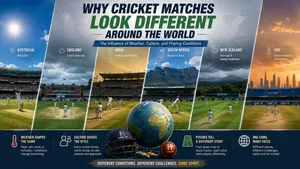 Why Cricket Matches Look Different Around the World: The Influence of Weather, Culture, and Playing ConditionsDiscover why cricket matches can look different around the world. Learn how weather, pitches, grounds, altitude, local cricket culture, and playing conditions influence the modern game.
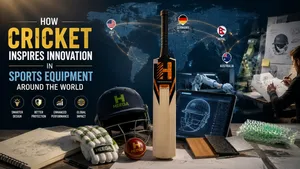 How Cricket Inspires Innovation in Sports Equipment Around the WorldDiscover how cricket inspires innovation in sports equipment around the world. Learn how advances in bat design, protective gear, footwear, materials, and training equipment are improving performance, comfort, and safety across Nepal, Germany, USA, Canada, the Netherlands, and the UK.