From Backyard Cricket to International Stadiums: How Every Great Player Starts Small

Introduction: Every Cricket Dream Begins Somewhere
Every international cricketer has a story.
Long before they stepped into a packed stadium wearing their national colors, they were simply children who loved playing cricket. Many learned the game in backyards, narrow streets, school playgrounds, empty parking lots, village fields, or local parks with homemade equipment and improvised rules.
These humble beginnings teach lessons that expensive stadiums never can.
Backyard cricket develops creativity, adaptability, confidence, and a genuine love for the game. It encourages young players to experiment, solve problems, and play without pressure. While professional coaching eventually becomes important, the passion that drives elite players is often born during these informal games.
Across Nepal, Germany, the United States, Canada, the Netherlands, and the United Kingdom, thousands of young cricketers continue starting their journeys in small spaces before progressing to clubs, academies, and competitive cricket.
This article explores why informal cricket remains one of the most valuable stages of player development and how small beginnings often lead to remarkable achievements.
Every Champion Starts as a Beginner
No player begins their journey at the highest level.
Every successful cricketer first learns:
- How to hold a bat
- How to throw a ball
- How to catch
- How to enjoy the game
Progress happens gradually through regular practice and experience.
Backyard Cricket Builds a Love for the Game
Children play differently when they are having fun.
Backyard cricket encourages:
- Creativity
- Curiosity
- Confidence
- Freedom
- Imagination
Enjoyment creates long-term motivation to keep improving.
Limited Space Creates Better Skills
Small playing areas require players to adapt.
Children quickly learn:
- Placement over power
- Quick reactions
- Soft hands
- Fast footwork
- Smart shot selection
These skills remain valuable throughout competitive cricket.
Improvised Equipment Encourages Creativity
Many young players begin with simple equipment.
Examples include:
- Plastic bats
- Tennis balls
- Homemade wickets
- Chalk stumps
- Everyday objects as field markers
Learning with basic equipment teaches adaptability rather than dependence on perfect conditions.
Playing With Friends Builds Confidence
Informal games allow players to:
- Experiment freely
- Learn from mistakes
- Compete without pressure
- Develop leadership
- Communicate naturally
Confidence often grows faster in relaxed environments.
Street Cricket Develops Quick Thinking
Unlike organized matches, informal cricket constantly changes.
Players adjust to:
- Small spaces
- Different surfaces
- Unpredictable bounce
- Limited fielders
- Creative local rules
This improves decision-making and adaptability.
Repetition Creates Natural Improvement
Children playing for enjoyment often spend hours practicing without realizing it.
Regular repetition improves:
- Timing
- Throwing accuracy
- Catching
- Footwork
- Hand-eye coordination
Consistency becomes the foundation of future success.
School Cricket Builds the Next Step
As players grow, school cricket introduces:
- Structured coaching
- Teamwork
- Match experience
- Discipline
- Competition
Many future professionals first represent their schools before joining academies.
Local Clubs Open New Opportunities
Community clubs provide:
- Better coaching
- Quality facilities
- Regular matches
- Experienced teammates
- Long-term development
Clubs bridge the gap between casual cricket and competitive cricket.
Cricket Academies Refine Talent
Academies help transform natural ability into professional skill.
Training includes:
- Batting technique
- Bowling mechanics
- Fielding drills
- Fitness
- Match awareness
The passion developed in backyard cricket continues driving improvement.
Learning From Failure
Backyard cricket teaches resilience.
Children experience:
- Getting out
- Dropping catches
- Losing games
- Making mistakes
These experiences prepare players for future challenges.
Family Support Makes a Difference
Many cricket journeys begin with encouragement from family members.
Parents and siblings often:
- Play together
- Practice together
- Attend matches
- Provide motivation
Family support helps young players remain committed.
Nepal: Cricket Growing From Local Communities
Many talented Nepali cricketers first developed their skills in local neighborhoods before progressing to academies and national programs.
Community cricket continues driving the sport's rapid growth.
Germany: New Players Discover Cricket Everywhere
In Germany, many children first experience cricket through schools, parks, and local community clubs before joining organized programs.
Grassroots participation continues expanding.
The United States: Backyard Cricket Supporting Growth
Cricket's increasing popularity in America has encouraged more families to introduce children to the sport through informal games at home and in local parks.
Canada: Community Cricket Inspiring Young Players
Canadian communities continue using school grounds and neighborhood parks to introduce young players to cricket.
These early experiences often lead to club participation.
The Netherlands: Small Clubs, Big Dreams
Dutch cricket demonstrates that world-class players can emerge from modest facilities supported by dedicated local communities.
The United Kingdom: Tradition Begins at Home
Many British cricketers first learned the game in gardens, village greens, and school playgrounds before progressing through county systems.
Passion Matters More Than Perfect Facilities
Modern facilities are valuable, but enthusiasm remains the most important ingredient.
Players who genuinely enjoy cricket often practice more, learn faster, and stay involved longer.
Quality Equipment Helps Players Progress
As players advance, reliable equipment becomes increasingly important.
Progression often includes:
- Junior cricket bats
- Leather balls
- Batting gloves
- Pads
- Practice nets
- Cricket kit bags
Good equipment supports continued improvement.
How Heega Sports Supports Every Cricket Journey
At Heega Sports, we believe every cricket journey deserves the right start.
Whether children are playing their first backyard match or preparing for competitive academy cricket, quality equipment helps build confidence and develop proper skills.
Our range includes:
- Premium Kashmir Willow cricket bats
- Leather and practice balls
- Practice nets
- Batting gloves
- Batting pads
- Cricket kit bags
- Training accessories
From first practice sessions to professional aspirations, Heega Sports supports every stage of player development.
Small Beginnings Create Big Dreams
Every international stadium was once only a dream for the players who compete there.
Their journey usually began:
- In a backyard
- On a village ground
- At school
- With friends
- With simple equipment
- Through countless hours of joyful practice
The location may have been small.
The dream was never small.
Final Thoughts
The path to professional cricket rarely begins in a packed stadium.
It begins in everyday places where children discover the joy of batting, bowling, fielding, and competing with friends.
Across Nepal, Germany, the United States, Canada, the Netherlands, and the United Kingdom, informal cricket continues inspiring future generations of players.
Backyard cricket teaches creativity.
Community cricket teaches teamwork.
Academies teach excellence.
Together, they create complete cricketers ready to pursue bigger dreams.
Because every great player starts somewhere—and often, that somewhere is much closer to home than most people imagine.
🏏 Start Your Cricket Journey with Heega Sports
Explore premium-quality Kashmir Willow bats, leather cricket balls, practice balls, batting gloves, pads, practice nets, cricket kit bags, and training accessories designed for beginners, academies, clubs, and future champions.
Shop Now
Heega Sports – Supporting Every Cricket Journey, From Backyard Practice to International Dreams.
Related posts
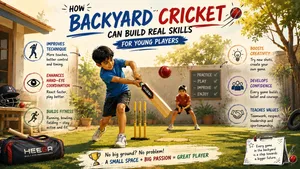 How Backyard Cricket Can Build Real Skills for Young Players.Discover how backyard cricket can help young players develop real cricket skills. Learn simple home games that improve batting, bowling, catching, movement, reactions, and confidence.
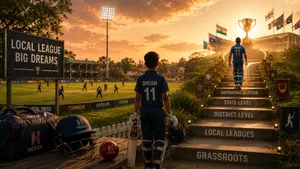 How Local Cricket Leagues Help Build Future International PlayersDiscover how local cricket leagues develop future international cricketers. Learn why grassroots competitions, clubs, and domestic leagues are essential for cricket's growth across Nepal, Germany, USA, Canada, the Netherlands, and the UK.
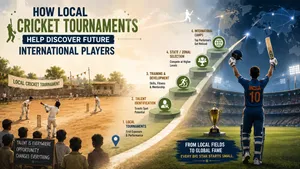 How Local Cricket Tournaments Help Discover Future International PlayersDiscover how local cricket tournaments help identify future international players. Learn how grassroots competitions, academies, clubs, and talent scouts support cricket development across Nepal, Germany, USA, Canada, the Netherlands, and the UK.