How to Choose the Right Cricket Helmet for Your Child: A Parent's Safety Guide

Introduction: Safety Should Always Come Before Style
Every parent wants their child to enjoy cricket safely.
While most parents spend considerable time choosing the right cricket bat, many underestimate the importance of selecting the right cricket helmet.
A properly fitted cricket helmet is one of the most important pieces of protective equipment a young cricketer can own.
Whether your child is facing bowling machines, leather cricket balls, or simply beginning academy training, wearing a suitable helmet helps reduce the risk of serious head and facial injuries.
However, buying a helmet isn't as simple as choosing the right color or brand.
Parents need to consider:
- Size
- Fit
- Comfort
- Safety standards
- Playing level
Across Nepal, Germany, the United States, Canada, the Netherlands, and the United Kingdom, cricket academies strongly encourage young players to wear helmets whenever batting against hard cricket balls.
This guide explains everything parents should know before buying a cricket helmet for their child.
Why a Cricket Helmet Is So Important
Cricket balls can travel at high speeds.
Even junior players can be exposed to unexpected bouncers, mistimed shots, or accidental impacts during practice.
A good helmet helps protect:
- Head
- Forehead
- Face
- Ears
- Back of the head
While no helmet can eliminate all risk, it greatly improves player safety.
When Should Children Start Wearing a Helmet?
As a general rule, children should wear a helmet whenever they bat against:
- Leather cricket balls
- Hard practice balls
- Fast bowlers
- Bowling machines
Even beginners benefit from developing the habit of wearing protective equipment early.
If your child is only playing with soft tennis balls at home, a helmet may not always be necessary, but once hard-ball cricket begins, it becomes essential.
Choose the Correct Helmet Size
Helmet size is just as important as bat size.
A helmet that is too large may move during play.
A helmet that is too small can become uncomfortable and distracting.
Parents should always check the manufacturer's sizing recommendations and, whenever possible, allow the child to try the helmet before purchasing.
A Proper Fit Is Essential
A correctly fitted helmet should:
- Sit comfortably on the head.
- Stay secure during movement.
- Not wobble when the child shakes their head.
- Feel snug without causing pressure.
Children should be able to concentrate on batting—not adjusting their helmet every few minutes.
Check the Face Guard Position
The helmet grille (face guard) plays an important role in protecting the face.
When fitted correctly:
- The grille should not touch the face.
- There should be clear visibility.
- The gap should not be large enough for a cricket ball to pass through.
Parents should never modify the grille themselves.
Comfort Encourages Regular Use
Children are more likely to wear helmets consistently when they feel comfortable.
Look for helmets with:
- Soft inner padding
- Adjustable straps
- Good ventilation
- Lightweight construction
Comfort improves both safety and confidence.
Weight Matters for Young Players
Heavy helmets may become tiring during long practice sessions.
Junior players usually benefit from lightweight helmets that:
- Reduce neck strain
- Improve comfort
- Encourage longer practice sessions
The helmet should protect without feeling cumbersome.
Look for Recognized Safety Standards
Whenever possible, purchase helmets that meet recognized cricket safety standards.
Quality-certified helmets are designed to provide reliable protection during cricket activities.
Parents should avoid very cheap, uncertified products that may not offer adequate protection.
Replace Damaged Helmets Immediately
Parents should inspect helmets regularly.
Replace the helmet if you notice:
- Cracks
- Broken grille
- Loose fittings
- Damaged straps
- Worn padding
Protective equipment should never be used after significant damage.
Common Mistakes Parents Make
Avoid these common errors:
- Buying a helmet that's too large.
- Choosing based only on appearance.
- Ignoring comfort.
- Continuing to use damaged helmets.
- Waiting until competitive cricket before buying one.
Safety should always come first.
Nepal: Protecting Future Cricketers
As youth cricket continues growing across Nepal, academies increasingly encourage proper protective equipment for all young players.
Germany: Building Safe Cricket Habits
German cricket clubs continue introducing safety-first coaching practices for beginners.
The United States: Cricket Safety Is Becoming a Priority
As youth cricket expands across America, more parents are investing in quality protective equipment from the beginning.
Canada: Safe Development Through Proper Equipment
Canadian coaches encourage families to use helmets whenever children begin hard-ball cricket.
The Netherlands: Developing Responsible Players
Dutch cricket programs emphasize learning good safety habits alongside batting technique.
The United Kingdom: A Long Tradition of Player Safety
British youth cricket has long recognized that proper helmets are essential for player protection and confidence.
How Heega Sports Supports Young Cricketers
At Heega Sports, we believe that every young player deserves quality equipment that supports both performance and safety.
Our cricket collection includes products designed for beginners, school players, academies, and developing cricketers, including:
- Junior cricket bats
- Premium Kashmir Willow bats
- Cricket helmets
- Leather cricket balls
- Practice balls
- Batting gloves
- Batting pads
- Cricket kit bags
- Practice nets
- Training accessories
Whether your child is attending their first coaching session or preparing for competitive cricket, Heega Sports offers dependable equipment designed to support safer training.
Expert Helmet Buying Tips
Before purchasing a cricket helmet, make sure:
- It fits comfortably.
- It stays secure.
- The grille is correctly positioned.
- The child has clear visibility.
- The helmet meets recognized safety standards.
Never compromise on protective equipment.
Final Thoughts
A cricket helmet is not just another accessory—it is one of the most important investments parents can make for their child's safety.
Choosing the correct size, ensuring a proper fit, and replacing damaged helmets when necessary helps children practice with greater confidence while reducing injury risks.
Across Nepal, Germany, the United States, Canada, the Netherlands, and the United Kingdom, experienced coaches continue reminding families that developing good safety habits from an early age is just as important as learning batting or bowling techniques.
A confident player is often a safer player—and every great cricket journey begins with the right protection.
🏏 Keep Your Young Cricketer Safe with Heega Sports
Explore premium-quality cricket helmets, junior cricket bats, Kashmir Willow bats, leather balls, practice balls, batting gloves, pads, cricket kit bags, practice nets, and training accessories designed to support safe and confident cricket development.
Shop Now
Heega Sports – Protecting Young Cricketers While Helping Them Grow Their Game.
Related posts
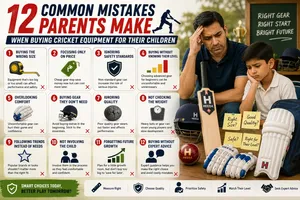 12 Common Mistakes Parents Make When Buying Cricket Equipment for Their ChildrenAvoid these 12 common mistakes parents make when buying cricket equipment for their children. Learn how to choose the right bat, helmet, gloves, pads, shoes, and accessories to support safe and enjoyable cricket development.
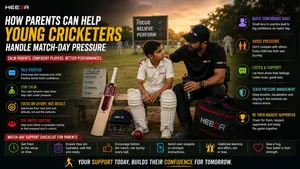 How Parents Can Help Young Cricketers Handle Match-Day PressureLearn how parents can help young cricketers handle match-day pressure, manage nerves, build confidence, and enjoy competitive cricket without unnecessary stress.
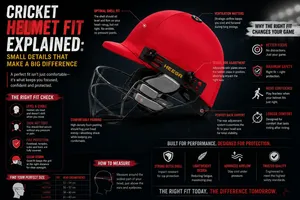 Cricket Helmet Fit Explained: Small Details That Make a Big DifferenceLearn how to choose and correctly fit a cricket helmet, including sizing, chin straps, grille position, visibility, comfort, ventilation, safety standards, inspection, and common fitting mistakes.