How Weather Influences Cricket Matches: Rain, Wind, Humidity, and Sunlight Explained

Introduction: In Cricket, the Weather Is Like an Extra Player
Few sports are influenced by weather as much as cricket.
A football match can usually continue in the rain.
Basketball is played indoors.
Tennis tournaments may close the roof.
Cricket, however, is played on natural pitches and large open grounds, making it highly dependent on the weather.
A sunny morning can produce ideal batting conditions.
Cloud cover can suddenly help fast bowlers.
Humidity can increase swing.
Rain can completely change a pitch.
Even a gentle breeze may affect how the ball moves through the air.
That is why players, coaches, captains, and groundskeepers closely monitor weather forecasts before every match.
Across Nepal, Germany, the United States, Canada, the Netherlands, and the United Kingdom, weather conditions vary significantly throughout the year, making adaptability an essential skill for every cricketer.
Why Weather Matters So Much in Cricket
Weather influences almost every part of the game.
It affects:
- Pitch behavior.
- Ball movement.
- Player fitness.
- Fielding conditions.
- Match strategy.
- Ground preparation.
Understanding these effects helps teams make smarter decisions.
Rain Changes Everything
Rain is perhaps the most obvious weather factor in cricket.
Heavy rainfall can:
- Delay matches.
- Soften pitches.
- Slow the outfield.
- Increase injury risks.
Ground staff work hard to protect the playing surface using covers and drainage systems.
Wet Outfields Slow the Ball
After rain, the outfield often becomes slower.
This means:
- Boundaries become harder to score.
- Fielders can stop the ball more easily.
- Batters may need to run more between wickets.
Teams often adjust their batting approach accordingly.
Humidity Helps Swing Bowling
Humidity refers to the amount of moisture in the air.
Many fast bowlers believe humid conditions make it easier to swing the ball.
While swing depends on several factors, humid weather often creates conditions that encourage movement through the air.
Captains frequently choose to bowl first when humidity is expected.
Cloud Cover Can Benefit Fast Bowlers
Overcast skies have long been associated with seam bowling.
Although clouds alone do not create swing, they are often linked with atmospheric conditions that help bowlers generate movement.
Batters usually need greater patience during cloudy conditions.
Bright Sunshine Favors Batting
Sunny weather generally produces more comfortable batting conditions.
Dry pitches often provide:
- Consistent bounce.
- Better visibility.
- Faster outfields.
Batters usually enjoy these conditions once the new ball becomes less threatening.
High Temperatures Challenge Players
Playing cricket for several hours under intense heat demands excellent fitness.
Hot weather increases:
- Fatigue.
- Dehydration.
- Muscle cramps.
Professional teams carefully manage hydration throughout the match.
Cold Weather Creates Different Challenges
Cricket played in cooler climates presents different difficulties.
Players may experience:
- Reduced flexibility.
- Cold hands.
- Harder ball impact.
- Longer warm-up requirements.
Proper preparation becomes especially important.
Wind Influences Ball Movement
Strong winds can affect both batting and bowling.
Fast bowlers sometimes use crosswinds to encourage additional movement.
Batters may find high catches more difficult to judge.
Captains often consider wind direction when setting fields.
Dew Changes Evening Matches
Limited-overs matches played at night often experience dew.
Moisture on the grass makes:
- The ball slippery.
- Bowling more difficult.
- Spin harder to control.
Teams winning the toss frequently choose to bowl first to avoid fielding with a wet ball later in the evening.
Weather Influences Pitch Preparation
Ground staff adjust preparation according to expected weather.
Before a hot match they may:
- Control moisture carefully.
- Roll the pitch differently.
Before wet weather they focus on:
- Drainage.
- Surface protection.
- Ground covers.
Preparation begins days before the match.
Different Countries Face Different Weather Challenges
No two cricket nations experience identical conditions.
This is why players must learn to adapt.
Nepal: Mountain Climate Creates Variety
Cricket in Nepal can involve:
- Warm lowland conditions.
- Cooler hill regions.
- Seasonal monsoon rainfall.
Players often experience changing conditions throughout the year.
Germany: Short Cricket Summers
Germany's cricket season is largely concentrated during warmer months.
Rain interruptions and cooler temperatures frequently influence domestic competitions.
United States: Wide Climate Differences
The USA offers enormous weather diversity.
Players may experience:
- Humid conditions in the south.
- Dry western climates.
- Cooler northern regions.
Teams regularly adapt to regional differences.
Canada: Managing a Short Playing Season
Canadian cricket is largely limited to warmer months.
Players often train indoors during winter before returning outdoors in spring and summer.
The Netherlands: Wind and Rain Shape Cricket
Dutch cricket frequently deals with:
- Windy conditions.
- Variable temperatures.
- Occasional rain interruptions.
Adaptability is an important skill.
United Kingdom: Famous for Unpredictable Weather
British weather is well known for changing quickly.
Players often experience sunshine, clouds, wind, and light rain within the same match.
This unpredictability has shaped cricket strategy for generations.
Professional Teams Use Weather Data
Modern teams carefully study weather forecasts before matches.
They analyze:
- Rain probability.
- Wind speed.
- Humidity.
- Temperature.
- Cloud cover.
Captains use this information when deciding:
- Bat or bowl first.
- Bowling changes.
- Field placements.
- Match tactics.
Equipment Helps Players Handle Different Conditions
Weather may change, but quality equipment helps players remain prepared.
Essential equipment includes:
- Cricket bats.
- Leather cricket balls.
- Helmets.
- Batting gloves.
- Batting pads.
- Cricket shoes with proper grip.
- Practice nets.
Reliable equipment improves confidence under all conditions.
How Heega Sports Supports Cricketers in Every Climate
At Heega Sports, we understand that cricketers play in many different environments.
Whether competing under the bright sun of the United States, the changing skies of the United Kingdom, the monsoon seasons of Nepal, or the windy conditions of the Netherlands, dependable equipment makes preparation easier.
Our collection includes:
- Kashmir Willow cricket bats.
- Leather cricket balls.
- Practice balls.
- Cricket helmets.
- Batting gloves.
- Batting pads.
- Cricket shoes.
- Practice nets.
- Cricket kit bags.
- Training accessories.
Quality equipment helps players perform confidently in every weather condition.
Final Thoughts
Weather has always been one of cricket's greatest challenges—and one of its greatest attractions.
Rain, sunshine, humidity, wind, temperature, and dew all influence how matches unfold.
The best players do not simply hope for perfect conditions.
They learn to understand them.
They adapt.
They prepare.
And they use changing conditions to their advantage.
Across Nepal, Germany, the United States, Canada, the Netherlands, and the United Kingdom, weather continues shaping cricket in unique ways, making every match a different challenge.
That is one of the many reasons cricket remains one of the world's most fascinating sports.
🏏 Be Ready for Every Condition with Heega Sports
Explore premium-quality Kashmir Willow cricket bats, leather cricket balls, practice balls, cricket helmets, batting gloves, batting pads, cricket shoes, practice nets, cricket kit bags, and training accessories designed to perform in every cricket season.
Shop Now
Heega Sports – Quality Cricket Equipment for Every Weather, Every Ground, Every Match.
Related posts
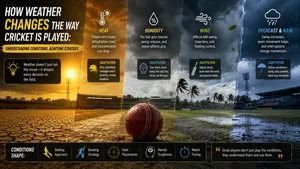 How Weather Changes the Way Cricket Is Played: Understanding Heat, Humidity, Wind, and ConditionsDiscover how weather affects cricket and learn how heat, humidity, wind, cloud cover, rain, and ground conditions can influence batting, bowling, fielding, and strategy.
 Cricket Bat Profile Explained: How Blade Shape Influences Balance and Shot-MakingLearn how cricket bat profile and blade shape affect balance, pickup, control, durability, and shot-making, and choose a profile suited to your playing style.
 Why Cricket Matches Look Different Around the World: The Influence of Weather, Culture, and Playing ConditionsDiscover why cricket matches can look different around the world. Learn how weather, pitches, grounds, altitude, local cricket culture, and playing conditions influence the modern game.