Long Sixes: Is It Strength or Timing?
How do batsmen hit long sixes effortlessly: is it strength or timing?
Mostly timing. A well-timed shot does not need maximum force: the batter lets the ball's speed do part of the work, and clean contact on the sweet spot sends more energy into the ball. Strength helps only when the batter can still swing the bat fast and keep control of it.
That is why a shot that looks easy usually is not. It is balance, footwork, bat speed and contact all arriving at the same moment, built up over years of practice.
Where does the power in a six actually come from?
Not the arms, mainly. Power starts from the ground. The feet connect with the surface, the legs transfer force, the hips and torso rotate, and the shoulders and arms guide the bat. The hands control the last part of the movement.
Then there is bat speed. The faster the bat is moving when it meets the ball, the greater the force on the ball. Controlled bat speed has more influence than muscle, which is why smaller players can hit surprisingly hard. Efficient bat speed comes from relaxed movement, a proper grip and a smooth swing, not a bigger swing.
The last piece is what the bowler gives you. A fast bowler provides energy through the delivery, and a well-timed stroke redirects that speed rather than creating all of it from scratch.
Does a heavier bat hit the ball farther?
It can, but only under one condition: you must still be able to swing it fast. A heavier bat puts more mass behind the ball. If the extra weight slows your swing, that advantage disappears, and a well-timed shot with a manageable bat beats a mistimed shot with a very heavy one.
The formula in our bat weight guide is simple:
- Effective batting = mass + bat speed + timing + technique.
Balance matters too, not just the number on the scale. Two bats of the same weight can feel completely different depending on where the wood sits. A bat that carries its weight lower in the blade generates more momentum but feels heavier to move; a bat with the same weight sitting closer to the handle feels lighter and quicker. Even the strongest players prefer a balanced bat, because timing and efficiency matter more than raw strength.
What does the sweet spot have to do with it?
The sweet spot is the area of the blade where contact feels most efficient. Hit it and the energy goes into the ball with little lost to vibration or bat movement. Miss it and you get less power, more vibration, the bat twisting in the hands and a less predictable rebound. Two shots played with the same swing can travel very different distances for this reason alone.
The bat cannot bring the sweet spot to the ball by itself. That takes balance, accurate footwork, a proper head position and a controlled swing. Trying to hit every ball as hard as possible tends to cost balance, timing and bat-face stability, which is the opposite of what a six needs.
Which bat suits a power hitter?
A few things from our own range:
- Aggressive hitters generally go a little heavier, with a low-to-mid balance, to build momentum through the swing. Timing-based players tend to prefer lighter bats and quick hands.
- A low sweet spot suits front-foot players and low-bounce pitches; a mid or high sweet spot suits back-foot play and bouncier surfaces.
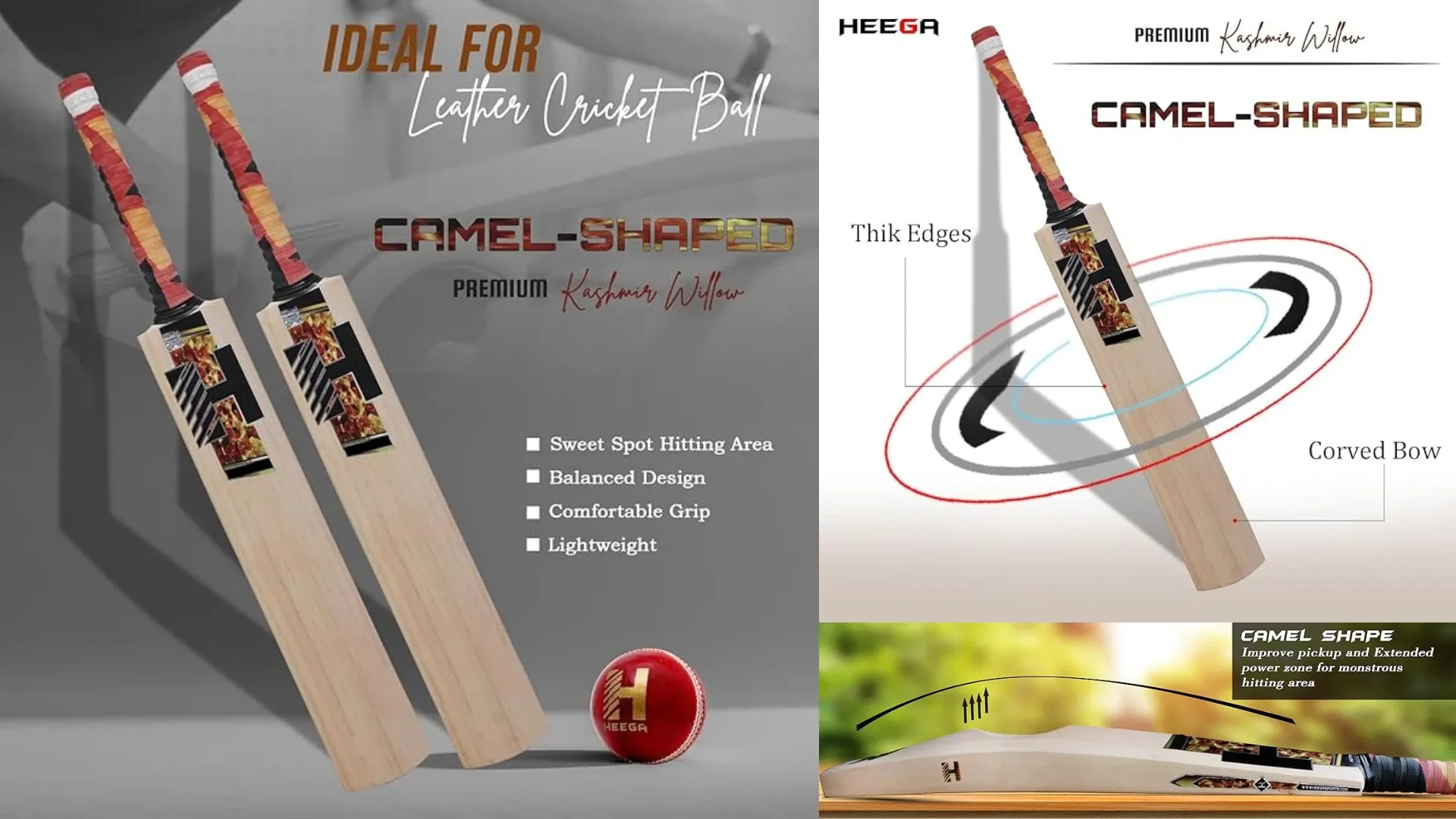
- Thick edges and a well-defined spine give a larger sweet spot, so an off-centre hit still carries.
- An oval handle gives more control and stability for hard hitters; a round handle allows more wrist rotation.
- The Mongoose moves weight out of the handle and into the blade, and its lower sweet spot rewards precise contact.
Whatever you choose, check the pickup in your hands. A well-balanced bat feels lighter than its scale weight, which lets you swing faster without losing control.
What should a young player work on first?
Timing, not power. A bat that is too heavy makes the swing harder to control and pushes a developing player into bad habits: dropping the hands, changing the backlift, losing balance, swinging early. Learn to time the ball on a bat you can control; bat speed and power build later through practice and physical development.
If you are not sure what weight to start with, the bat weight guide covers the lighter, medium and heavier options, and the Bat Advisor will fit a bat to your game from a few quick questions.
When the timing is there and you want more behind the ball, our English willow cricket bats are made in Meerut in lighter, medium-weight and heavier options and in low, mid and high balance.
Related posts
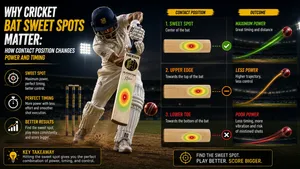 Why Cricket Bat Sweet Spots Matter: How Contact Position Changes Power and TimingWhy does the cricket bat sweet spot matter? Learn how contact position affects power, timing, control, vibration, and batting performance, plus tips to find your bat's sweet spot.
 Why Some Cricket Shots Feel Easier Than Others: The Role of Timing, Balance, and TechniqueWhy do some cricket shots feel easier than others? Discover how timing, balance, footwork, bat path, body position, and technique influence batting performance.
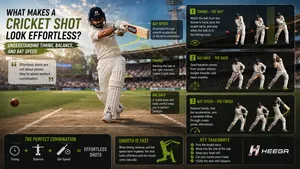 What Makes a Cricket Shot Look Effortless? Understanding Timing, Balance, and Bat SpeedDiscover what makes a cricket shot look effortless and learn how timing, balance, footwork, bat speed, body movement, and technique work together to create clean batting.