The Psychology of Cricket: How Confidence, Focus, and Discipline Shape Great Players

Introduction
Ask most cricket fans what makes a great player, and you'll hear answers like powerful batting, accurate bowling, quick reflexes, or outstanding fielding. While these physical abilities are certainly important, they tell only part of the story.
Behind every brilliant cover drive, every match-winning spell, and every stunning catch is something far less visible—the player's mindset.
Cricket is often called a game of patience, but it is equally a game of psychology.
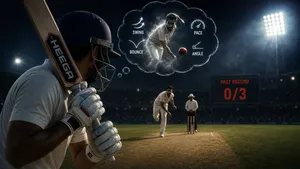
Unlike many sports where action is continuous, cricket gives players time to think. A batter has time to analyze the bowler. A bowler studies the batter's weaknesses. Captains constantly adjust strategies. Fielders must stay alert even after long periods without touching the ball.
Every decision is influenced by confidence, focus, emotional control, and discipline.
Whether you're a young cricketer training in Nepal, a club player in Germany, an academy student in the USA, a community player in Canada, a rising talent in the Netherlands, or competing in the UK, mastering the mental side of cricket can often be the difference between good and great.
Why Cricket Is Often Called a Mental Game
Unlike sports that rely mainly on speed or strength, cricket constantly tests a player's ability to think clearly under pressure.
A batter who has scored centuries can still be dismissed for zero in the next match.
A bowler can dominate one over and concede several boundaries in the next.
These sudden changes require players to remain mentally balanced.
Cricket rewards those who can stay calm, adapt quickly, and recover from setbacks.
Confidence: The Invisible Skill Every Great Player Needs
Confidence cannot be measured like batting averages or bowling speeds, yet it influences every aspect of performance.
Confident players make positive decisions.
They trust their preparation.
They believe they can succeed even when facing difficult situations.
Without confidence, even technically gifted players often hesitate.
How Confidence Affects Batting
A confident batter:
- Plays shots with commitment.
- Leaves difficult deliveries without panic.
- Rotates the strike calmly.
- Handles fast bowlers with composure.
- Recovers quickly after a mistake.
A lack of confidence often leads to defensive thinking, poor shot selection, and unnecessary pressure.
How Confidence Helps Bowlers
For bowlers, confidence means believing every ball can create an opportunity.
Confident bowlers:
- Attack the stumps.
- Maintain consistent line and length.
- Continue following their plans after being hit for boundaries.
- Trust their skills instead of reacting emotionally.
Many wickets are taken not because of perfect deliveries, but because bowlers remain patient and confident.
Focus: Staying Present Ball After Ball
One unique challenge in cricket is maintaining concentration for long periods.
A Test match can last five days.
Even shorter formats require players to remain mentally engaged.
Losing focus for just one delivery can change an entire match.
Developing Better Concentration
Successful players learn to focus on the present rather than worrying about previous mistakes or future outcomes.
They ask themselves simple questions:
- What is the next ball?
- What is my role?
- What is the team's plan?
Breaking the game into small moments prevents mental overload.
Discipline Builds Consistency
Talent may win occasional matches.
Discipline builds successful careers.
Every accomplished cricketer develops habits that support continuous improvement.
These habits often include:
- Regular practice
- Fitness training
- Proper recovery
- Healthy nutrition
- Match preparation
Discipline allows players to improve even when motivation is low.
Learning to Handle Failure
Every cricketer experiences disappointment.
Even the world's greatest players have faced:
- Ducks
- Dropped catches
- Expensive bowling spells
- Missed opportunities
The difference lies in how they respond.
Great players view failure as feedback rather than defeat.
Instead of asking, "Why did this happen to me?"
they ask,
"What can I learn from this?"
That mindset encourages continuous growth.
Pressure Is Part of Every Match
Pressure exists at every level of cricket.
A school player feels pressure before an important tournament.
A club player feels pressure during a close chase.
An international player feels pressure in front of thousands of spectators.
Pressure never disappears.
Players simply learn to manage it better.
Turning Pressure into Performance
Successful cricketers often prepare for pressure before it arrives.
They:
- Visualize difficult situations.
- Practice under match-like conditions.
- Develop routines before every delivery.
- Focus on controllable actions instead of results.
Preparation reduces anxiety.
The Role of Coaches in Mental Development
Modern coaching extends beyond technical instruction.
Today's coaches help players:
- Build confidence.
- Stay positive.
- Improve concentration.
- Handle setbacks.
- Set realistic goals.
A supportive coach often has a lasting influence on a young cricketer's mindset.
Parents Shape Young Players Too
Parents play an equally important role.
Children who receive encouragement rather than constant criticism usually develop greater confidence.
Supportive parents celebrate effort, learning, and improvement—not only victories.
This creates healthier long-term development.
Nepal: Building Confidence Through Passion
Cricket has become a powerful source of inspiration for young people in Nepal.
Many aspiring cricketers begin with limited facilities but extraordinary determination.
Their passion teaches an important lesson:
Confidence does not come from expensive equipment alone.
It comes from believing that improvement is possible through consistent effort.
This positive mindset has helped Nepal produce increasingly competitive players on the international stage.
Germany: Growing Through Patience
Cricket continues expanding across Germany.
Many players begin the sport later than those in traditional cricket nations.
This means they often face a steep learning curve.
However, disciplined coaching, regular practice, and supportive club environments help players develop confidence despite limited experience.
Germany shows that mental resilience can accelerate cricket development even in emerging markets.
The USA: New Opportunities, New Mindsets
Cricket in the United States is growing rapidly.
Young players now have access to academies, leagues, and structured coaching that were difficult to find just a few years ago.
This growth encourages players to think bigger.
Believing that cricket offers real opportunities motivates young athletes to commit more seriously to their development.
Confidence often begins with opportunity.
Canada and the Netherlands: Building Strong Cricket Communities
Both Canada and the Netherlands demonstrate how supportive cricket communities help players grow mentally.
Local clubs provide environments where mistakes become learning experiences rather than reasons to quit.
Positive cricket cultures encourage players to:
- Experiment.
- Improve.
- Compete.
- Enjoy the game.
That enjoyment remains one of cricket's greatest psychological advantages.
The UK: Experience Meets Mental Preparation
The United Kingdom has centuries of cricket tradition.
While technical coaching remains important, mental preparation has become an increasingly significant part of modern player development.
Elite academies now include:
- Sports psychology
- Performance coaching
- Mental resilience training
- Leadership development
Today's game recognizes that strong minds often produce stronger performances.
Developing a Winning Mindset
One of the biggest differences between average players and exceptional ones is their mindset.
Winning is not simply about talent—it is about thinking like a winner.
Players with a strong mindset understand that success is built through consistent preparation rather than hoping for lucky moments.
They focus on what they can control:
- Their attitude
- Their preparation
- Their effort
- Their decision-making
Instead of worrying about the scoreboard, they concentrate on executing each ball as well as possible.
This approach reduces pressure and improves performance.
Visualization: Practicing Success Before It Happens
Many professional cricketers use visualization as part of their training.
Visualization means mentally rehearsing situations before they happen.
A batter may imagine:
- Playing a perfect cover drive.
- Facing a fast bowler confidently.
- Rotating the strike under pressure.
A bowler may imagine:
- Bowling the perfect yorker.
- Taking an important wicket.
- Maintaining control during the final over.
Sports psychologists have shown that visualization improves confidence because the brain begins recognizing these situations as familiar.
When players eventually face similar moments in real matches, they feel calmer and more prepared.
Setting Goals That Encourage Improvement
Successful cricketers rarely focus only on big dreams.
Instead, they divide those dreams into smaller, achievable goals.
For example:
Short-Term Goals
- Improve batting grip.
- Bowl consistent line and length.
- Practice catching every day.
- Increase fitness.
Medium-Term Goals
- Score fifty runs consistently.
- Earn selection for the school team.
- Improve bowling economy.
Long-Term Goals
- Play club cricket.
- Represent the state.
- Play professional cricket.
- Represent the national team.
Breaking ambitions into smaller goals makes progress easier to measure and keeps motivation high.
Emotional Control During Matches
Every cricketer experiences frustration.
Perhaps a batter edges the ball.
Perhaps a bowler gets hit for consecutive boundaries.
Perhaps a fielder drops an easy catch.
The immediate emotional reaction is natural.
The important question is:
How quickly can the player recover?
Great players never allow one mistake to define the rest of their performance.
Instead, they reset mentally.
They remind themselves:
"The next ball is a new opportunity."
That simple habit separates mentally strong players from those who struggle under pressure.
Learning to Stay Patient
Cricket rewards patience more than many other sports.
Sometimes a batter must defend several deliveries before finding a scoring opportunity.
A bowler may bowl excellent deliveries without immediate rewards.
Fielders may wait long periods before the ball comes their way.
Patience allows players to continue trusting the process.
Instead of forcing results, disciplined players allow opportunities to develop naturally.
Teamwork Is a Psychological Strength
Cricket may showcase individual performances, but victories are almost always built on teamwork.
Strong teams create positive environments where players:
- Encourage one another.
- Share responsibility.
- Learn together.
- Celebrate collective success.
When teammates trust each other, pressure becomes easier to manage.
Positive communication also improves confidence throughout the team.
Leadership Creates Confidence
Captains play an important psychological role.
Good captains do much more than set fields.
They inspire confidence.
Effective leaders:
- Stay calm during difficult situations.
- Support struggling teammates.
- Communicate clearly.
- Make confident decisions.
Young players often perform better simply because they feel trusted by their captain.
Leadership creates belief.
Building Positive Daily Habits
Mental strength develops through small daily habits.
Successful cricketers often follow routines such as:
- Waking up early.
- Completing fitness sessions.
- Practicing consistently.
- Watching cricket strategically.
- Reviewing performances honestly.
- Maintaining healthy nutrition.
These habits gradually strengthen discipline.
Discipline eventually becomes part of a player's identity rather than something they force themselves to do.
The Importance of Match Preparation
Preparation reduces anxiety.
Before important matches, experienced players often prepare by:
- Checking equipment.
- Visualizing situations.
- Reviewing strategies.
- Warming up properly.
- Staying hydrated.
- Sleeping well.
These routines help players feel mentally ready before stepping onto the field.
Social Media and Modern Pressure
Today's young cricketers face challenges previous generations never experienced.
Social media can create unnecessary pressure.
Players may compare themselves with others or become distracted by criticism.
Mentally strong athletes understand that improvement comes from consistent work—not online opinions.
They use social media as inspiration rather than validation.
Quality Equipment Builds Mental Confidence
Many people think equipment only affects physical performance.
In reality, it also influences confidence.
Imagine a young batter walking to the crease with:
- A comfortable bat.
- Well-fitted gloves.
- A reliable helmet.
- Strong protective pads.
That player naturally feels more secure.
Confidence increases because they trust their equipment.
Poor-quality equipment often creates unnecessary distractions.
Instead of focusing on technique, players worry about discomfort or safety.
Reliable gear allows complete concentration on the game.
How Heega Sports Helps Players Build Confidence
At Heega Sports, we believe confidence begins with preparation.
Every player deserves equipment that supports both performance and safety.
Whether you're practicing in your backyard, training at a cricket academy, representing your school, or competing for a local club, quality equipment makes every session more productive.
Our range includes:
- Premium cricket bats
- Practice balls
- Batting gloves
- Pads
- Cricket nets
- Training accessories
- Protective equipment
Each product is designed to help players practice with greater confidence and comfort.
Because confident players learn faster.
And better preparation creates better performances.
Mental Strength Is Built Over Time
No player is born mentally tough.
Confidence develops through experience.
Focus improves through practice.
Discipline grows through daily habits.
Every training session contributes to stronger mental resilience.
Young cricketers should understand that setbacks are not signs of failure.
They are opportunities for growth.
Every missed catch.
Every difficult innings.
Every challenging match.
Each experience teaches valuable lessons that contribute to long-term success.
Why Mental Preparation Matters More Than Ever
Modern cricket is becoming increasingly competitive.
Physical fitness has improved.
Coaching standards have risen.
Technology has advanced.
As technical differences between players become smaller, mental strength often becomes the deciding factor.
Players who remain calm under pressure frequently outperform equally talented opponents.
The future of cricket will belong not only to skilled athletes but also to mentally prepared ones.
Final Thoughts
Cricket has always been a game of technique, timing, and talent.
But beneath every successful performance lies something even more important—a strong mind.
Confidence gives players courage.
Focus helps them perform consistently.
Discipline drives continuous improvement.
Together, these qualities shape the cricketers who inspire fans around the world.
Whether playing on local grounds in Nepal, developing through clubs in Germany, training in the United States, competing in Canada, progressing through academies in the Netherlands, or following the rich traditions of the United Kingdom, the psychological side of cricket remains universal.
Every player faces pressure.
Every player experiences setbacks.
Every player must learn to believe in themselves.
Because in cricket, success begins long before the first ball is bowled.
It begins in the mind.
🏏 Build Your Game with Heega Sports
Every champion starts with confidence, preparation, and the right equipment.
Explore Heega Sports' range of premium cricket bats, balls, protective gear, practice nets, and training equipment designed for beginners, academies, clubs, and professional players.
Shop Now
Heega Sports – Empowering Every Cricketer to Play with Confidence, Focus, and Purpose.
Related posts
 Cricket Leg Guards Explained: How Fit, Protection, and Comfort Improve Batting ConfidenceLearn how cricket leg guards provide protection, comfort, fit, and confidence while batting, plus tips for choosing and maintaining the right pair.
 How Young Cricketers Can Build Confidence After a Bad Match.Learn how young cricketers can rebuild confidence after a bad match, handle mistakes, manage pressure, and return to practice with a positive mindset.
 Why Cricket Players Struggle Against Certain Bowlers: Understanding the Psychology of MatchupsWhy do cricket players struggle against certain bowlers? Discover how bowling styles, matchups, confidence, technique, decision-making, and psychology influence batting performance.