What Makes a Great Cricket Captain? Lessons from Leaders Across the World

Introduction: A Captain's Influence Extends Beyond the Toss
Every cricket team has talented players.
Some teams have explosive batters, skillful bowlers, and athletic fielders.
Yet talent alone does not guarantee success.
One factor often separates good teams from great teams:
Leadership.
A cricket captain plays one of the most demanding leadership roles in sports. Unlike many other games, captains make constant decisions throughout a match. They must manage players, adapt strategies, handle pressure, and inspire confidence, often while focusing on their own performance.
Whether leading a school team in Nepal, a club side in Germany, an academy squad in Canada, or a national team in the UK, effective leadership can transform a team's fortunes.
Great captains do far more than set field placements.
They shape culture, build trust, and create environments where players can perform at their best.
Leadership Begins with Responsibility
The best captains understand that leadership is not about authority.
It is about responsibility.
A captain takes ownership of the team's direction, performance, and mindset.
When things go well, they credit the team.
When challenges arise, they accept responsibility and focus on solutions.
This attitude builds trust among teammates.
Communication Is the Foundation of Leadership
Successful captains are excellent communicators.
Cricket teams consist of players with different personalities, strengths, and experiences.
A captain must know how to communicate effectively with each individual.
Why Communication Matters
Good communication helps:
- Build team unity
- Clarify expectations
- Resolve conflicts
- Maintain confidence
- Improve performance
Players are more likely to perform well when they understand their roles.
Decision-Making Under Pressure
Few sports require as much in-game decision-making as cricket.
Captains constantly evaluate:
- Bowling changes
- Field placements
- Match situations
- Pitch conditions
- Weather influences
Strong decision-making often determines match outcomes.
The Best Captains Stay Calm
Pressure affects every player.
Exceptional captains remain composed during difficult moments.
Their calmness helps teammates stay focused and confident.
Leading by Example
Players often follow actions more closely than words.
The best captains demonstrate the behaviors they expect from their teammates.
Setting Standards
Effective leaders consistently show:
- Discipline
- Commitment
- Work ethic
- Professionalism
- Respect
These standards often become part of the team's culture.
Understanding Individual Players
No two players are identical.
Some respond well to encouragement.
Others prefer direct feedback.
Great captains understand individual personalities and adapt accordingly.
Building Strong Relationships
When players feel valued and understood, they are more likely to contribute positively to the team.
Strong relationships create stronger teams.
Strategy Is More Than Field Placements
Many people associate captaincy with tactical decisions.
While tactics are important, leadership extends much further.
Captains must also think about:
- Team morale
- Long-term development
- Player confidence
- Match momentum
Strategic thinking involves understanding both the game and the people playing it.
Learning from Cricket Cultures Around the World
Every cricket nation approaches leadership slightly differently.
Countries such as Nepal, the Netherlands, Germany, USA, Canada, and the UK offer valuable lessons in how leadership contributes to team growth.
Nepal: Leading Through Passion
As cricket continues growing in Nepal, captains often play important roles in inspiring young players and strengthening team identity.
Passion and commitment frequently become leadership strengths.
Germany: Building New Cricket Communities
In emerging cricket nations like Germany, captains often help unite players from diverse backgrounds.
Leadership extends beyond matches and contributes to community development.
USA: Managing Growth and Opportunity
As cricket expands across the United States, leaders often face the challenge of building competitive teams within rapidly developing environments.
Adaptability becomes an essential leadership quality.
Canada and the Netherlands: Leadership Through Structure
Both countries have demonstrated how organized systems and strong leadership can help smaller cricketing populations compete successfully on the international stage.
Confidence Is Contagious
Teams often reflect the emotional state of their leaders.
Confident captains help create confident teams.
This does not mean pretending to know everything.
Instead, it means maintaining belief, focus, and positivity during difficult situations.
Players frequently perform better when they trust their leadership.
Handling Success and Failure
Cricket is a game of highs and lows.
Every player experiences:
- Good performances
- Poor performances
- Victories
- Defeats
Captains must manage both success and disappointment effectively.
Staying Balanced
Great leaders avoid becoming overly emotional after wins or losses.
They focus on continuous improvement rather than short-term outcomes.
This balanced approach helps maintain consistency.
Developing Future Leaders
One responsibility often overlooked is leadership development.
Strong captains help create future captains.
They encourage teammates to:
- Take responsibility
- Make decisions
- Support others
- Develop leadership skills
This strengthens the team over the long term.
Youth Cricket Needs Leadership Too
Leadership is not only important at professional levels.
School teams, academies, and local clubs also benefit from strong captains.
Young leaders learn valuable skills that extend beyond cricket, including:
- Communication
- Problem-solving
- Accountability
- Teamwork
These lessons often prove valuable throughout life.
Technology Is Changing Leadership
Modern captains increasingly use technology to support decision-making.
Tools now provide insights into:
- Player performance
- Opponent tendencies
- Match statistics
- Tactical opportunities
While technology helps, leadership still depends on human judgment and relationships.
The Importance of Preparation
Great captains rarely rely on instinct alone.
Preparation plays a major role in effective leadership.
Successful leaders study:
- Opponents
- Conditions
- Team strengths
- Match scenarios
Preparation improves confidence and decision-making.
Building a Positive Team Culture
One of the most valuable contributions a captain can make is creating a positive culture.
Strong cultures encourage:
- Accountability
- Respect
- Support
- Continuous learning
Teams with healthy cultures often achieve more consistent success.
Why Equipment and Resources Matter
Leadership becomes easier when players have access to quality facilities and equipment.
Reliable resources help teams:
- Train effectively
- Develop skills
- Build confidence
This is especially important for schools, academies, and clubs working to develop future leaders.
How Heega Sports Supports Future Cricket Leaders
At Heega Sports, we believe leadership development starts with opportunity.
By providing quality cricket equipment for schools, academies, clubs, and players, we help create environments where future captains can learn, grow, and lead.
Strong leaders often emerge from strong cricket programs, and quality equipment supports that journey.
The Future of Cricket Leadership
As cricket continues expanding across Nepal, Germany, USA, Canada, the Netherlands, the UK, and beyond, leadership will remain one of the most important factors in team success.
Future captains will likely combine:
- Traditional leadership skills
- Data-driven insights
- Advanced communication abilities
- Strong emotional intelligence
The game may evolve, but great leadership will always matter.
Final Thoughts
A great cricket captain is much more than a tactical decision-maker.
They are communicators, mentors, problem-solvers, role models, and culture-builders.
The best captains help individuals become better teammates and teams become stronger units.
From school cricket to international competition, leadership continues to shape the success of players and teams around the world.
Because while matches are won through skill, sustained success is often built through leadership.
🏏 Build Future Leaders with Heega Sports
Explore quality cricket bats, balls, nets, training equipment, and accessories designed to support schools, academies, clubs, and aspiring cricketers.
Shop Now
Heega Sports – Supporting the Players and Leaders of Tomorrow.
Related posts
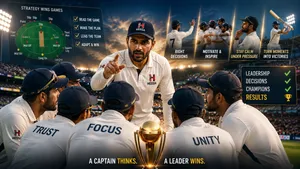 Why Cricket Captains Matter: How Leadership Decisions Win Matches.Discover why cricket captains play one of the most important roles in the game. Learn how leadership, strategy, field placements, bowling changes, and decision-making influence matches across Nepal, Germany, USA, Canada, the Netherlands, and the UK.
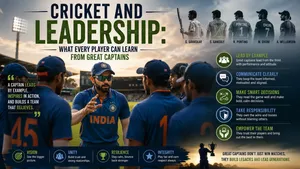 Cricket and Leadership: What Every Player Can Learn from Great CaptainsDiscover the leadership lessons cricket teaches through its greatest captains. Learn how communication, decision-making, teamwork, resilience, and responsibility help players grow on and off the field across Nepal, Germany, USA, Canada, the Netherlands, and the UK.
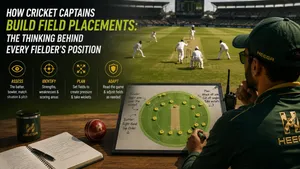 How Cricket Captains Build Field Placements: The Thinking Behind Every Fielder's PositionLearn how cricket captains build field placements, why every fielder has a purpose, and how bowling plans, batter tendencies, pitch conditions, and match situations influence field strategy.