What Should a Child Carry in Their Cricket Kit Bag? A Practical Parent's Guide.

Introduction: A Good Kit Bag Makes Cricket Easier
For a young cricketer, getting ready for practice can be exciting.
The bat comes out.
The gloves go on.
The helmet is packed.
Then suddenly, the player realizes something important is missing.
Maybe the water bottle.
Maybe the batting pads.
Maybe the cricket shoes.
Maybe the ball.
This is why teaching children how to organize their cricket kit bag is useful from an early age.
A cricket kit bag is not simply a place to throw equipment.
It can help young players develop:
- Organization.
- Responsibility.
- Preparation.
- Independence.
- Good sporting habits.
Children do not need to carry every piece of professional equipment.
The contents should match their age, playing level, training environment, and the type of cricket they play.
This guide explains what young cricketers should consider keeping in their kit bags and how parents can make match-day preparation simpler.
Why Should Kids Learn to Pack Their Own Kit?
Parents often pack everything for young players.
That is understandable, especially when children are beginners.
However, as children grow, they can gradually take responsibility for their own equipment.
Learning to prepare a kit bag teaches them to think ahead.
Before practice, they can ask:
"What will I need today?"
That simple question develops useful habits beyond cricket.
Start With the Cricket Bat
For a young batter, the cricket bat is usually the most important item in the bag.
The bat should be:
- Appropriate for the child's height.
- Comfortable to lift.
- Suitable for their strength.
- In good condition.
- Properly protected.
A bat that is too heavy or too large can make practice unnecessarily difficult.
Always Use a Bat Cover
A bat cover helps protect the bat while it is being transported.
It can reduce exposure to:
- Dust.
- Scratches.
- Accidental impacts.
- General handling damage.
Children should learn to put the bat back into its cover after use.
Batting Gloves Are Essential
Batting gloves provide grip and protection for the hands.
Young players should use gloves that fit properly.
Gloves that are too loose can move during batting.
Gloves that are too tight can become uncomfortable.
A good fit allows the child to hold the bat naturally.
Batting Pads Provide Important Protection
Batting pads help protect the lower legs from cricket balls.
For children, properly fitted pads are especially important.
Parents should check that the pads:
- Fit securely.
- Do not restrict movement unnecessarily.
- Are appropriate for the child's size.
- Are in good condition.
A Helmet Should Be Part of Match Preparation
When children face hard cricket balls, appropriate head protection is extremely important.
A properly fitted cricket helmet should be used according to the playing environment and applicable safety guidance.
Parents should check:
- Fit.
- Condition.
- Grill or face protection.
- Straps.
- Signs of damage.
A helmet should never be treated as an optional accessory when protective headgear is required or appropriate.
Don't Forget an Abdominal Guard Where Appropriate
Protective equipment should be suitable for the player's age, role, and playing conditions.
An abdominal guard can provide additional protection in situations where it is appropriate.
Parents should make sure the child understands how protective equipment should be worn and checked.
Wicketkeepers Need Additional Equipment
If your child plays wicketkeeper, their kit may include extra items such as:
- Wicketkeeping gloves.
- Wicketkeeping pads.
- Inner gloves.
- Appropriate protective equipment.
The exact requirements can vary depending on the level and format of cricket.
Cricket Shoes Matter
Young players spend considerable time moving around the cricket field.
Suitable cricket footwear can provide:
- Grip.
- Stability.
- Comfort.
- Support.
The correct footwear can depend on the surface and playing conditions.
Children should avoid arriving at practice without the shoes they normally use for cricket.
Carry Appropriate Cricket Balls
The type of ball required depends on the session.
A training session may use:
- Soft balls.
- Practice balls.
- Synthetic balls.
Competitive matches may require a specific match ball.
Parents should check with the coach before packing the wrong type.
Why Practice Balls Are Useful
Practice balls can be useful for:
- Backyard cricket.
- Throwdowns.
- Fielding drills.
- Batting practice.
- Bowling exercises.
They allow children to practice skills in environments where a match ball may not always be necessary.
A Water Bottle Is a Must
Hydration should be part of every young player's preparation.
A reusable water bottle is one of the simplest things to keep in a cricket bag.
It helps children remember to drink during training and matches.
Parents should encourage regular hydration, particularly during warm conditions.
Keep a Small Towel in the Bag
A towel can be surprisingly useful.
It can help players:
- Wipe sweat.
- Dry equipment.
- Clean their hands.
- Handle wet conditions.
A small towel takes up very little space.
Extra Clothes Can Save the Day
Weather can change.
Children can also get dirty during fielding.
Depending on the conditions, a kit bag may include:
- Extra T-shirt.
- Spare trousers or shorts.
- Socks.
- Light jacket.
- Cap.
The exact clothing depends on the weather and local playing requirements.
Pack Extra Socks
Socks are easy to forget.
They can also become uncomfortable after a long training session.
Keeping one spare pair in the kit bag is a simple habit that can be useful on match days.
Don't Forget Personal Hygiene Items
A small personal-care pouch can include:
- Tissues.
- Hand towel.
- Basic hygiene supplies.
- Hand sanitizer where appropriate.
Children can learn to keep these items organized separately from their cricket equipment.
A Cricket Kit Bag Should Have Separate Sections
Good organization makes equipment easier to find.
For example:
Main Section
Bat and larger equipment.
Protective Section
Gloves, pads, and helmet.
Shoe Compartment
Cricket shoes.
Small Pocket
Personal items and accessories.
Children should learn where everything belongs.
Label Your Child's Equipment
Young players often train with many other children.
Bats, gloves, water bottles, and kit bags can look similar.
Simple name labels can help prevent confusion.
This is particularly useful at:
- Cricket academies.
- Schools.
- Clubs.
- Tournaments.
Keep Valuables Out of the Kit Bag
A cricket kit bag is not the best place for unnecessary valuables.
Avoid allowing children to carry expensive personal items that they do not need for cricket.
Keep the bag focused on sporting equipment.
Check the Kit Before Leaving Home
A simple checklist can prevent most forgotten-item problems.
Before leaving, ask your child:
Bat?
Gloves?
Pads?
Helmet?
Shoes?
Water?
Clothing?
Other equipment required for today's session?
This takes less than a minute.
Match-Day Bags May Need More Equipment
A match can require more equipment than a normal practice session.
Depending on the player's role, children may need:
- Full batting protection.
- Match clothing.
- Appropriate cricket shoes.
- Helmet.
- Gloves.
- Pads.
- Personal hydration.
- Additional accessories.
Parents should always follow the team's specific requirements.
Practice Bags Can Be Simpler
Children do not need to carry their entire cricket collection to every training session.
For a simple practice session, they may only need:
- Bat.
- Gloves.
- Appropriate protective equipment.
- Practice clothing.
- Shoes.
- Water bottle.
A lighter bag can make preparation easier.
Don't Overpack Your Child's Bag
More equipment does not automatically mean better preparation.
An overloaded bag can become:
- Heavy.
- Difficult to organize.
- Hard for children to carry.
- Full of unnecessary items.
Pack what the child actually needs.
Teach Kids to Check Their Equipment
Children should gradually learn to inspect their own gear.
They can look for:
- Damaged gloves.
- Loose straps.
- Worn grips.
- Cracked equipment.
- Damaged pads.
- Helmet issues.
- Worn shoe soles.
Parents can supervise younger children while allowing older children to take more responsibility.
Check the Cricket Bat Grip
A worn or loose grip can affect comfort and control.
If the grip becomes damaged or loose, it may need attention before the next session.
This is a simple equipment check children can learn.
Check Pads and Gloves After Training
Sweat and moisture can accumulate inside protective equipment.
Allow equipment to dry properly after use.
Avoid immediately sealing damp gear inside a closed bag for long periods.
Air Out the Kit Bag Regularly
A cricket bag can collect:
- Sweat.
- Dirt.
- Grass.
- Moisture.
Regularly emptying and airing the bag helps keep the equipment cleaner and more pleasant to use.
Clean Equipment After Matches
A quick cleanup can make the next training session easier.
Children can learn to:
- Remove dirty clothing.
- Wipe equipment where appropriate.
- Dry damp items.
- Put everything back in its correct place.
This creates good long-term habits.
Parents Should Teach Responsibility Gradually
Young children may need help.
That is completely normal.
Parents can start by packing together.
Later, the child can take over simple tasks.
Eventually, older players should be able to prepare most of their own kit.
Turn Packing Into a Routine
Children respond well to predictable routines.
For example:
Night Before Match → Check Equipment → Pack Bag → Fill Water Bottle → Keep Shoes Ready
This reduces last-minute stress.
Create a Simple Printed Checklist
For younger players, parents can place a small checklist near the cricket equipment.
It could say:
- Bat.
- Gloves.
- Pads.
- Helmet.
- Shoes.
- Water.
- Clothes.
- Team-required items.
Children can tick each item before leaving.
What Should Beginners Carry?
A beginner's cricket kit does not need to be complicated.
A basic setup can include:
- Correctly sized bat.
- Batting gloves.
- Appropriate protective equipment.
- Cricket shoes where required.
- Water bottle.
- Practice clothing.
- Small towel.
The exact equipment should follow the coach's recommendations.
What Should More Advanced Junior Players Carry?
As children progress, their kit may become more complete.
They may need:
- Match bat.
- Backup bat if appropriate.
- Full protective equipment.
- Multiple gloves where required.
- Match clothing.
- Specialized wicketkeeping equipment if applicable.
- Additional training accessories.
Again, avoid unnecessary weight.
A Kit Bag Is Also a Learning Tool
Packing a cricket bag may seem like a small responsibility.
But it teaches children important habits.
They learn:
- Preparation.
- Planning.
- Organization.
- Responsibility.
- Independence.
These skills can help them at school and in everyday life.
Cricket Kit Organization Can Reduce Match-Day Stress
Forgotten equipment can create unnecessary anxiety.
Imagine arriving at a match and realizing:
"My gloves are at home."
A simple checklist can prevent this.
Preparation allows the child to focus on the game instead of worrying about missing equipment.
Let Children Take Ownership
As children become older, let them decide how to organize their bags.
They may develop their own system.
Some prefer everything arranged neatly.
Others may organize by frequency of use.
The important thing is that they know where their equipment is.
The Kit Bag Should Match the Child
Large professional-style bags can look impressive.
But young children may struggle to carry oversized bags.
Choose a bag that is:
- Suitable for the equipment.
- Comfortable to carry.
- Easy to organize.
- Appropriate for the child's size.
Nepal: Helping Young Cricketers Build Good Habits
As youth cricket continues growing in Nepal, young players are gaining more opportunities to train and compete.
Learning to organize cricket equipment early can help children become more responsible players.
Germany: Organized Kits for Growing Cricket Programs
As cricket develops across Germany, young players are entering clubs and training environments where preparation matters.
A simple equipment checklist can make training sessions easier.
United States: Preparing Young Players for Growing Cricket Opportunities
Youth cricket is expanding across the United States.
As children participate in schools, clubs, and academies, learning how to manage their own cricket equipment can become an important part of their development.
Canada: Preparing for Different Playing Seasons
Canadian players may experience different training environments throughout the year.
A well-organized kit can make it easier to prepare for outdoor and indoor sessions.
The Netherlands: Developing Independent Young Players
Youth cricket programs in the Netherlands can encourage children to take increasing responsibility for their equipment as they progress.
Packing a kit bag can become part of that development.
United Kingdom: A Long Tradition of Cricket Preparation
With its extensive school, club, and youth cricket structure, the United Kingdom provides many opportunities for young players.
Teaching children to arrive prepared is an important part of developing good sporting habits.
How Heega Sports Helps Young Players Prepare
At Heega Sports, we understand that young players need dependable equipment for every stage of their cricket journey.
Our cricket range includes:
- Junior cricket bats.
- Kashmir Willow cricket bats.
- Leather cricket balls.
- Practice cricket balls.
- Batting gloves.
- Batting pads.
- Cricket helmets.
- Wicketkeeping gloves.
- Cricket shoes.
- Cricket kit bags.
- Practice nets.
- Training accessories.
The right equipment helps children train comfortably while learning how to take responsibility for their own cricket preparation.
A Simple Kids Cricket Kit Checklist
Here is a practical checklist parents can save:
Batting Equipment
- Cricket bat.
- Bat cover.
- Batting gloves.
- Batting pads.
- Helmet.
- Abdominal protection where appropriate.
General Equipment
- Cricket shoes.
- Water bottle.
- Towel.
- Spare socks.
- Extra clothing.
Optional or Role-Specific Equipment
- Wicketkeeping gloves.
- Wicketkeeping pads.
- Inner gloves.
- Practice balls.
- Training accessories.
Always check what the coach, school, club, or tournament requires before packing.
Final Thoughts
A cricket kit bag may look like a simple piece of sporting equipment, but it can teach young players much more than organization.
It can teach preparation.
It can teach responsibility.
It can teach independence.
And it can help children feel ready before they step onto the field.
Young players do not need to carry everything.
They simply need the right equipment for their age, role, training environment, and level of cricket.
Parents can make the process easier by creating a simple checklist and gradually allowing children to take responsibility for their own bags.
Over time, the child who once needed help finding their gloves can become the player who checks every item before leaving home.
That small change is part of growing as a young cricketer.
From Nepal, Germany, the United States, Canada, and the Netherlands to the established cricket environment of the United Kingdom, young players everywhere can benefit from learning one simple lesson:
Good preparation starts before you reach the field.
🏏 Get Your Young Cricketer Match-Ready With Heega Sports
Explore junior cricket bats, Kashmir Willow bats, leather and practice balls, batting gloves, pads, helmets, wicketkeeping equipment, cricket shoes, kit bags, practice nets, and training accessories designed for young players.
Shop Now
Heega Sports – Helping Young Cricketers Pack Smart, Prepare Better, and Play With Confidence.
Related posts
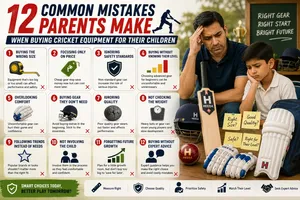 12 Common Mistakes Parents Make When Buying Cricket Equipment for Their ChildrenAvoid these 12 common mistakes parents make when buying cricket equipment for their children. Learn how to choose the right bat, helmet, gloves, pads, shoes, and accessories to support safe and enjoyable cricket development.
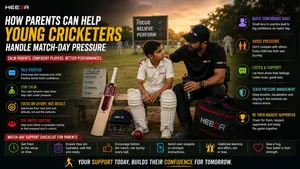 How Parents Can Help Young Cricketers Handle Match-Day PressureLearn how parents can help young cricketers handle match-day pressure, manage nerves, build confidence, and enjoy competitive cricket without unnecessary stress.
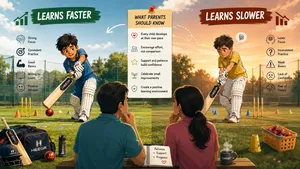 Why Some Kids Learn Cricket Skills Faster Than Others — And What Parents Should KnowWhy do some kids learn cricket skills faster than others? Discover how coordination, practice, confidence, coaching, physical development, motivation, and learning styles influence youth cricket progress.