Why Cricket Bat Grip Thickness Can Change Your Batting Control and Comfort

Introduction: The Smallest Part of the Bat Can Make a Big Difference
When players choose a cricket bat, they usually pay attention to the things they can see immediately.
They look at the willow.
They check the weight.
They examine the edges and spine.
They think about the sweet spot.
Some players even spend a lot of time discussing the bat's profile and pickup.
But there is one small detail that is often overlooked:
The grip.
A cricket bat grip may not look like an important part of the equipment, but it is the player's direct connection to the handle.
Every shot begins with that connection.
When the grip feels comfortable, the player can hold the bat naturally and focus on the delivery.
When it feels too thick, too thin, too hard, or uncomfortable, the player may start adjusting their hands instead of concentrating on the ball.
That can affect control, timing, confidence, and even the way a batter approaches certain shots.
This does not mean there is one perfect grip thickness for every player.
Far from it.
Grip preference is highly personal.
A young player, a powerful hitter, an experienced batter, and a player who relies heavily on wrist work may all prefer different setups.
The important thing is understanding how grip thickness changes the way a bat feels in your hands.
What Is a Cricket Bat Grip?
A cricket bat grip is the rubber or synthetic covering placed over the bat handle.
Its main purpose is to provide a comfortable and secure surface for the player's hands.
A grip can help with:
- Comfort.
- Traction.
- Shock absorption.
- Hand positioning.
- Bat control.
- Confidence.
Different grips can have different textures, thicknesses, shapes, and levels of softness.
Some players like a simple traditional grip.
Others prefer layered grips to create a thicker handle.
The choice may seem minor, but it can change the feel of the entire bat.
Why Grip Thickness Matters
The thickness of the grip changes the size and feel of the handle in the player's hands.
A thinner grip can allow the player to feel the handle more directly.
A thicker grip can create a softer, more substantial feeling in the hands.
Neither option is automatically better.
The right choice depends on the player's hands, technique, strength, and personal preference.
This is why two players can pick up the same cricket bat and have completely different opinions about how it feels.
Thin Grips: More Direct Handle Feel
Some batters prefer a thinner grip because it gives them a closer connection to the handle.
This can be useful for players who enjoy:
- Wrist movement.
- Quick bat manipulation.
- Fine control.
- Creative shots.
- Rapid changes in bat angle.
A thinner grip may make the handle feel more responsive.
For some players, that feeling is extremely comfortable.
However, a grip that is too thin can feel uncomfortable or fail to provide the level of cushioning the player wants.
Comfort should always be considered.
Thick Grips: Comfort and Added Cushioning
Other players prefer a thicker grip.
A thicker grip can make the handle feel more substantial and may provide additional cushioning.
This can appeal to batters who prefer:
- A fuller handle.
- More cushioning.
- A secure feeling in the hands.
- Reduced direct vibration.
- A larger grip surface.
Again, thicker does not automatically mean better.
If the grip becomes excessively thick, a player may find it harder to position their hands naturally.
Grip Thickness and Bat Control
Bat control is one of the biggest reasons grip thickness matters.
A batter needs to control the bat through different movements.
They may need to:
- Defend a fast delivery.
- Open the face for a late shot.
- Drive through cover.
- Pull a short ball.
- Flick from the pads.
- Play a delicate single.
The hands play an important role in all of these movements.
The grip influences how the handle sits in the hands.
If the player feels comfortable, controlling the bat can become more natural.
The Relationship Between Grip and Hand Position
A batter's top and bottom hands have different jobs during a shot.
The top hand often contributes significantly to control and stability.
The bottom hand can help with bat speed, power, and certain shot movements.
Grip thickness can change how both hands interact with the handle.
A player who is used to a particular handle size may immediately notice when another bat feels different.
This is why experienced players can be surprisingly particular about grips.
Does a Thicker Grip Reduce Wrist Movement?
Not necessarily.
But it can change how wrist movement feels.
A batter who relies heavily on quick wrist adjustments may prefer a thinner or moderately sized grip.
A player who prefers a firmer, more stable feeling may enjoy a thicker grip.
The important point is that grip thickness should complement the player's natural technique.
It should not force the player into an unfamiliar hand position.
Grip Thickness and Shot Timing
Timing is one of the most valuable skills in batting.
A well-timed shot does not always require maximum strength.
The batter needs to control the bat face and meet the ball at the right moment.
A comfortable grip can help the player maintain a consistent hold on the handle.
If the grip feels awkward, the player may unconsciously change their hand pressure or bat movement.
That can affect consistency.
The grip does not create timing by itself.
But it can support the player's ability to repeat their technique comfortably.
Why Holding the Bat Too Tightly Can Be a Problem
Many beginners hold the bat too tightly.
This often happens when they are nervous.
They want to make sure the bat does not move in their hands.
But excessive tension can make batting feel stiff.
A comfortable grip can help the player maintain a more relaxed hold.
The objective is not to squeeze the bat as hard as possible.
It is to maintain enough control while allowing the hands and wrists to move naturally.
Grip Thickness and Bat Speed
Bat speed is influenced by many factors.
These include:
- Player strength.
- Technique.
- Bat weight.
- Balance.
- Swing mechanics.
- Hand movement.
Grip thickness is only one part of the equation.
However, if a grip feels uncomfortable, it may affect how naturally the player moves the bat.
A grip that feels secure and comfortable can help the player swing without constantly adjusting their hands.
Can a Grip Make a Bat Feel Heavier?
The grip itself adds some weight to the handle.
But the more noticeable difference is often the way the bat feels in the hands.
Adding material around the handle changes its feel and can influence the player's perception of balance.
This is why equipment should be judged by pickup and comfort rather than listed weight alone.
Two bats with similar specifications can feel very different.
Grip Thickness and Bat Pickup
Pickup describes how heavy or light a bat feels when a player lifts and moves it.
The distribution of weight across the bat matters.
Changing the grip can slightly alter the overall balance and handle feel.
For some players, this difference can be noticeable.
A batter who loves a particular pickup may not want a grip that changes the feeling too much.
This is another reason professional and experienced players can be careful about grip changes.
Why Grip Texture Matters Too
Thickness is only one part of grip selection.
Texture matters as well.
A grip that provides good traction can help the player maintain control without excessive squeezing.
Some grips feel:
- Soft.
- Firm.
- Ribbed.
- Tacky.
- Smooth.
- Cushioned.
The ideal texture depends on personal preference and playing conditions.
Players who sweat heavily may prefer a grip with dependable traction.
Grip Changes During a Cricket Season
A grip does not last forever.
Repeated use can cause it to become:
- Worn.
- Smooth.
- Dirty.
- Loose.
- Compressed.
When the grip begins deteriorating, the bat can feel different.
The player may notice their hands moving more than usual.
That can affect confidence.
Replacing an old grip is therefore a simple way to restore the familiar feel of a bat.
How Often Should You Replace a Bat Grip?
There is no universal replacement schedule.
A player should inspect the grip regularly.
Consider replacing it when:
- The surface becomes slippery.
- The grip starts tearing.
- It becomes loose.
- The cushioning has flattened.
- The handle no longer feels comfortable.
- The player notices their hands slipping.
Players who practice frequently may need replacements more often than occasional players.
Should Young Players Use Thick Grips?
Young players should prioritize comfort and control.
A very thick grip is not automatically appropriate simply because it feels soft.
The player's hands need to sit comfortably around the handle.
If the grip is too large, the child may struggle to control the bat naturally.
For junior players, the handle and grip should suit their hand size and the bat's overall specifications.
Parents Should Pay Attention to Comfort
Parents sometimes focus heavily on bat size and weight.
Those factors are important.
But grip comfort should not be ignored.
If a young player constantly changes hand position or complains that the handle feels uncomfortable, the grip may be worth checking.
Small equipment adjustments can sometimes make practice much more enjoyable.
Grip Thickness for Aggressive Batters
Power hitters may have different preferences from defensive batters.
A player who generates a lot of bat speed may appreciate a grip that feels secure during aggressive swings.
However, power does not require an extremely thick grip.
The player should still be able to control the bat.
The goal is stability without sacrificing natural movement.
Grip Thickness for Technical Batters
Technical batters often rely on precision.
They may play:
- Straight drives.
- Defensive strokes.
- Late cuts.
- Glances.
- Controlled pushes.
Such players may prefer a grip that allows precise hand control.
But again, there is no universal rule.
A technically strong batter can prefer either a thin or thick grip.
Grip Preferences Can Change With Experience
A beginner may not notice grip differences at all.
After years of practice, the same player may become much more sensitive to small changes.
They may know immediately whether a handle feels:
- Too thick.
- Too thin.
- Too soft.
- Too hard.
- Too rounded.
- Too uncomfortable.
This sensitivity develops through repetition.
Players learn what feels natural to them.
Professional Players Often Have Personal Grip Preferences
Professional batters can be extremely specific about their equipment.
They may have preferred:
- Handle shape.
- Grip thickness.
- Grip texture.
- Number of grip layers.
- Bat weight.
- Pickup.
- Balance.
These preferences are often developed over many years.
The lesson for developing players is not to copy a professional's exact setup.
It is to discover what works for their own technique.
One Grip Does Not Suit Every Player
Imagine giving the same bat to five different players.
One may say the grip is perfect.
Another may want it thinner.
A third may want additional cushioning.
A fourth may change the texture.
A fifth may prefer the original setup.
That is completely normal.
Batting equipment is personal.
The best setup is the one that allows the player to hold and move the bat comfortably.
Can You Add More Than One Grip?
Some players use additional grip layers to increase handle thickness.
This can be useful when a player wants a larger handle without replacing the bat.
However, adding multiple layers also changes the feel and may alter the bat's balance slightly.
Players should make changes gradually rather than adding excessive material at once.
Why Grip Changes Should Be Tested Before a Match
A new grip may feel very different from an old one.
This is why players should avoid making major equipment changes immediately before an important match.
A practice session is a better time to test a new grip.
The player can see how it feels during:
- Throwdowns.
- Net practice.
- Defensive shots.
- Drives.
- Pull shots.
- Running between wickets.
If the grip feels natural after several sessions, it may be suitable for match use.
Humidity and Sweat Can Affect Grip Choice
Playing conditions can influence grip comfort.
In hot or humid environments, players may sweat more.
That can make handle traction particularly important.
A grip that feels excellent in dry conditions may feel different when the player's hands become sweaty.
This is another reason players should test their equipment under realistic conditions.
Grip and Protective Gloves Work Together
Batting gloves create another layer between the hands and the handle.
This means the grip should be judged while wearing the gloves the player actually uses.
A handle that feels perfect with bare hands may feel different with batting gloves.
Players should therefore test the complete setup rather than evaluating the grip in isolation.
Cricket Bat Grip and Handle Shape
Grip thickness cannot be separated completely from handle shape.
A handle can feel different depending on its:
- Diameter.
- Shape.
- Construction.
- Flexibility.
- Grip material.
Some players prefer a rounded feel.
Others prefer a more defined shape.
The grip should work with the underlying handle rather than hiding a problem with the handle itself.
What Happens When the Grip Is Too Thin?
A grip that is too thin may feel uncomfortable for some players.
Possible issues include:
- Excessive pressure on the hands.
- Less cushioning.
- A handle that feels too small.
- Reduced confidence during powerful shots.
Not every player will experience these issues.
The response depends on hand size and technique.
What Happens When the Grip Is Too Thick?
An overly thick grip can create a different set of problems.
The player may experience:
- Difficulty positioning the hands.
- Reduced feel.
- An unfamiliar bat response.
- Less comfortable wrist movement.
- A handle that feels bulky.
Again, this is about individual preference.
Finding the Right Grip: A Simple Approach
Instead of asking whether thin or thick grips are better, ask:
Which grip allows me to control the bat naturally?
Then consider:
- Does the handle feel comfortable?
- Can I hold the bat without excessive tension?
- Can I move my wrists naturally?
- Does the bat feel secure during a fast swing?
- Can I control defensive shots?
- Does the grip remain comfortable during longer practice?
- Does it work well with my batting gloves?
These questions are more useful than following a universal rule.
A Practical Grip Test
Players can perform a simple test during practice.
Pick up the bat with batting gloves on.
Take a few shadow swings.
Then play several defensive shots.
Follow that with drives and more aggressive strokes.
Pay attention to whether you naturally adjust your hands.
If you constantly need to reposition your hands, the grip may not be ideal.
If the bat feels comfortable without requiring conscious adjustment, that is a positive sign.
Grip Maintenance Is Easy but Important
Players should inspect their grips regularly.
Keep an eye out for:
- Tears.
- Loose sections.
- Excessive wear.
- Dirt.
- Loss of traction.
A worn grip does not necessarily mean the bat itself needs replacing.
Often, a simple grip replacement is enough to restore comfort.
Cricket Bat Care Goes Beyond the Grip
The grip is only one part of maintaining a cricket bat.
Players should also pay attention to:
- Moisture.
- Toe protection.
- Bat face condition.
- Handle condition.
- Edge damage.
- Proper storage.
Good maintenance can help equipment remain reliable for longer.
Equipment Should Support Technique
It is easy to become obsessed with equipment.
Players may spend hours discussing bats, grips, willow grades, and profiles.
But equipment should support skill development.
A good grip cannot fix poor footwork.
A premium bat cannot replace timing.
A new handle cannot replace practice.
The purpose of equipment is to help the player perform naturally and comfortably.
Young Players Should Focus on Learning
For beginners, grip experimentation should not become a distraction.
The priority should be:
- Correct bat size.
- Comfortable weight.
- Good batting technique.
- Proper hand position.
- Regular practice.
- Confidence.
As the player becomes more experienced, they can explore more detailed equipment preferences.
How Heega Sports Supports Better Batting Equipment
At Heega Sports, we understand that every player develops their own equipment preferences.
Our cricket range includes:
- Junior cricket bats.
- Kashmir Willow cricket bats.
- English Willow cricket bats.
- Cricket bat grips.
- Leather cricket balls.
- Practice cricket balls.
- Batting gloves.
- Batting pads.
- Cricket helmets.
- Cricket shoes.
- Cricket kit bags.
- Practice nets.
- Training accessories.
Whether a player is starting their cricket journey or preparing for competitive matches, comfortable and reliable equipment can make regular practice more enjoyable.
When Should You Change Your Cricket Bat Grip?
Consider changing the grip when:
- It becomes slippery.
- It starts tearing.
- It feels loose.
- The cushioning disappears.
- Your hands feel uncomfortable.
- You keep adjusting your hand position.
- The grip no longer feels secure.
Sometimes the simplest equipment change can restore the familiar feel of a trusted bat.
Don't Change Equipment Just for the Sake of Change
Players sometimes believe they need to constantly upgrade their equipment.
They do not.
If a grip feels comfortable and performs well, there is no reason to change it simply because another player uses something different.
The best setup is the one that works consistently for you.
Familiarity can be valuable.
When a player walks to the crease knowing exactly how their bat feels, they can focus more attention on the bowler and the ball.
The Mental Side of a Comfortable Grip
Confidence in cricket often comes from familiarity.
Players develop routines before batting.
They adjust their gloves.
Tap the bat.
Check the field.
Take their stance.
A familiar grip can become part of that routine.
It gives the player a consistent physical feeling before facing the first delivery.
That may seem like a small thing.
But confidence is often built from many small details.
Final Thoughts
A cricket bat grip may be one of the smallest components of a player's equipment, but its influence can be surprisingly noticeable.
Grip thickness can affect how the handle feels.
It can influence comfort, hand positioning, wrist movement, bat control, and the player's confidence in their equipment.
However, there is no universal answer to the question of whether a thin or thick grip is better.
The right choice depends on the individual.
A young player may prefer a simple, comfortable grip.
An experienced batter may have very specific preferences.
A power hitter may want a secure and cushioned feeling.
A technical batter may prefer a more direct connection with the handle.
What matters most is whether the grip allows the player to hold the bat naturally and control it without unnecessary tension.
Before changing a grip, test it during practice.
Use your batting gloves.
Play different types of shots.
Try defensive movements as well as aggressive strokes.
Pay attention to how your hands feel after an extended session.
If the grip feels comfortable and your bat control remains natural, you may have found a setup that works for you.
And remember, equipment should always serve the player.
The most expensive grip is not necessarily the best.
The thickest grip is not necessarily the best.
The thinnest grip is not necessarily the best.
The best grip is simply the one that helps you feel comfortable, confident, and in control.
In cricket, those small details can matter.
Sometimes, improving your batting does not require buying an entirely new bat.
Sometimes, a small adjustment to the handle is enough to make your trusted equipment feel right again.
🏏 Find Your Perfect Cricket Bat Setup With Heega Sports
Explore junior cricket bats, Kashmir Willow bats, English Willow bats, cricket bat grips, batting gloves, pads, helmets, cricket shoes, leather balls, practice balls, kit bags, practice nets, and training accessories.
Shop Now
Heega Sports – Helping Players Find the Equipment That Feels Right for Their Game.
Related posts
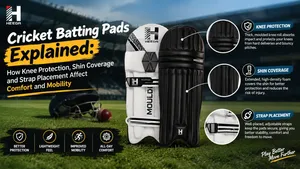 Cricket Batting Pads Explained: How Knee Protection, Shin Coverage and Strap Placement Affect Comfort and MobilityLearn how cricket batting pads, knee protection, shin coverage and strap placement affect comfort, mobility, impact protection and batting performance.
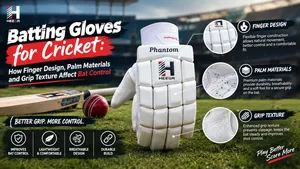 Batting Gloves for Cricket: How Finger Design, Palm Materials and Grip Texture Affect Bat ControlDiscover how cricket batting gloves, finger design, palm materials and grip texture influence bat control, comfort, protection and batting performance.
 Why Batting Gloves Matter: Understanding Protection, Grip, Flexibility & Hand ComfortLearn why batting gloves matter for protection, grip, flexibility and comfort, plus how to choose the right cricket batting gloves for your playing level.