Why Batting Gloves Matter: Understanding Protection, Grip, Flexibility & Hand Comfort

Introduction: Batting Gloves Are More Important Than They Look
When players think about cricket equipment, the cricket bat is usually the first thing that comes to mind.
But there is another piece of equipment that has a direct connection with every shot a batter plays:
Batting gloves.
A batter's hands control the bat throughout the innings. They absorb vibration, maintain grip, help control the handle, and provide protection when facing fast bowling.
That makes the right pair of batting gloves much more than a simple accessory.
Good batting gloves can help a player feel secure at the crease. They can provide cushioning against impact while allowing enough flexibility for natural hand movement. A well-fitted pair can also help maintain a consistent grip during long practice sessions and competitive matches.
On the other hand, poorly fitted or unsuitable gloves can become uncomfortable, restrict movement, reduce grip, or distract a player at an important moment.
This is why choosing batting gloves should involve more than simply selecting a colour or attractive design.
Players should consider:
- Protection
- Grip
- Flexibility
- Fit
- Comfort
- Padding
- Ventilation
- Material
- Playing level
- Personal preference
Whether you are a beginner, academy player, club cricketer, or competitive batter, understanding these factors can help you make a better equipment decision.
What Are Cricket Batting Gloves?
Cricket batting gloves are protective gloves designed to protect a batter's hands while also helping them maintain control of the cricket bat.
They are normally worn as a pair, with each glove designed to provide a combination of:
- Impact protection
- Grip
- Flexibility
- Comfort
- Ventilation
- Hand mobility
The gloves are built around the demands of batting.
A batter needs protection, but they also need to feel the bat.
This creates an important balance.
Too little protection can leave the hands vulnerable. Too much bulk can affect comfort and movement.
The best batting gloves provide a practical combination of both.
Why Protection Is the First Priority
Cricket balls can travel at considerable speed.
Even when a batter makes a technically correct shot, the ball can occasionally strike the hands or bat in an unexpected way.
This is particularly important against fast bowling.
The hands are relatively vulnerable compared with heavily protected parts of the body.
That is why batting gloves incorporate protective padding around areas that may be exposed to impact.
Protection can help reduce the effect of accidental contact and provide greater confidence when facing challenging deliveries.
What Parts of the Hand Need Protection?
Different areas of the glove are designed to protect different parts of the hand.
Important areas include:
- Fingers
- Knuckles
- Back of the hand
- Thumb
- Palm
- Areas around the wrist
The exact construction varies between glove designs.
Some gloves use additional protective elements around the fingers or knuckles, while others focus on a lighter construction for greater flexibility.
The appropriate level of protection depends partly on the player's level and playing conditions.
Batting Gloves and Fast Bowling
Fast bowling increases the importance of hand protection.
When a batter faces a high-speed delivery, there may be very little time to react if the ball takes an unexpected path.
A well-designed glove gives the batter an additional layer of protection.
This does not make a batter immune to injury.
It simply provides protective support while the player performs a demanding skill.
Players should always use appropriate protective equipment and follow safe coaching practices.
Grip: The Connection Between Your Hands and the Bat
Protection is only one part of the equation.
A batting glove also has an important role in helping the batter maintain control of the bat.
The glove's palm and grip material interact with the bat handle.
A secure grip can help the batter:
- Maintain control.
- Adjust hand position.
- Play attacking shots.
- Control defensive strokes.
- Manage bat speed.
- Reduce unnecessary slipping.
Grip becomes particularly important when the hands become sweaty during long innings or intense training.
Why Grip Matters During Power Shots
Powerful shots require controlled movement.
If the hands cannot maintain a secure grip, the player may struggle to control the bat through the shot.
This can affect:
- Timing
- Direction
- Balance
- Follow-through
- Bat control
A good grip does not mean squeezing the bat as tightly as possible.
Instead, the gloves should help create a secure connection while allowing the hands to remain relaxed enough for effective bat movement.
Flexibility: Protection Without Restricting Movement
One of the biggest challenges in batting glove design is balancing protection with flexibility.
A glove with substantial padding can provide strong protection.
But if the construction is excessively bulky or restrictive, the batter may find it harder to move their fingers naturally.
Batting requires subtle hand movements.
Players may need to:
- Adjust their grip.
- Rotate the bat.
- Control the bottom hand.
- Change pressure between the hands.
- React quickly to different deliveries.
Therefore, flexibility is an important consideration.
Why Finger Movement Matters
The fingers play an important role in controlling the cricket bat.
They help maintain grip and influence how the hands respond during different shots.
If a glove fits too tightly around the fingers, movement may feel restricted.
If it is too loose, the glove may shift during batting.
A properly fitted glove should allow comfortable finger movement while remaining secure.
Hand Comfort Can Affect Concentration
Batting requires concentration.
A player may spend a long time at the crease.
If their gloves feel uncomfortable, they may repeatedly adjust them.
That can become distracting.
Comfortable batting gloves allow players to focus more on:
- The bowler
- The ball
- Field placement
- Shot selection
- Running between wickets
Small equipment distractions can become surprisingly important during extended innings.
Fit Is One of the Most Important Factors
A glove can have excellent materials and protective features, but if it does not fit properly, its performance may be compromised.
A good batting glove should feel:
- Secure
- Comfortable
- Flexible
- Supportive
It should not feel excessively loose or painfully tight.
What Happens If Batting Gloves Are Too Large?
Oversized gloves can create several problems.
They may:
- Move around during batting.
- Reduce grip consistency.
- Feel bulky.
- Affect finger control.
- Create unnecessary discomfort.
The protective areas may also fail to remain exactly where they are intended to be.
What Happens If Batting Gloves Are Too Small?
Gloves that are too small can be equally problematic.
They may:
- Restrict finger movement.
- Create pressure points.
- Feel uncomfortable.
- Reduce flexibility.
- Cause fatigue during long sessions.
This is why players should pay attention to fit rather than choosing gloves based only on appearance.
Batting Glove Sizing for Different Players
Sizing varies between manufacturers, so players should always check the individual brand's size guide.
Common categories can include:
- Youth
- Junior
- Small
- Medium
- Large
- Extra Large
Hand size and finger length are often more useful than age alone.
For younger players, properly sized junior batting gloves can help provide better control and comfort.
Youth Batting Gloves Need Special Attention
Young players are still developing their batting technique.
Their equipment should therefore allow them to move naturally.
An oversized adult glove may appear like a cost-saving option, but it can make the bat feel less controlled.
Junior players should generally use appropriately sized equipment designed for their hands.
Ventilation and Breathability Matter
Hands can become warm and sweaty during cricket.
This is especially common during:
- Long innings
- Hot weather
- Outdoor training
- Competitive matches
Many batting gloves incorporate ventilation features or breathable materials to improve comfort.
Better airflow can help reduce excessive moisture and make the gloves more comfortable during extended use.
Why Sweaty Hands Can Affect Batting
Sweat can influence grip.
If the glove becomes excessively damp, the batter may feel less secure while holding the bat.
This is another reason ventilation and moisture management can be useful features.
However, players should also maintain their gloves properly and allow them to dry naturally after use.
The Importance of Palm Construction
The palm is one of the most frequently used areas of a batting glove.
It comes into contact with the bat handle and experiences repeated movement.
A good palm construction should provide a combination of:
- Grip
- Durability
- Comfort
- Flexibility
The ideal material depends on the glove design and intended use.
Leather and Synthetic Materials
Batting gloves can use different materials depending on their construction and price category.
Some designs incorporate leather or premium materials for specific sections, while others use synthetic materials.
The choice can influence:
- Durability
- Feel
- Grip
- Flexibility
- Maintenance
Players should focus on the overall construction rather than assuming that one material automatically makes a glove better.
Why Batting Gloves Have Different Padding Designs
Not every batter needs exactly the same protection.
Different gloves can feature different padding layouts.
Some prioritize maximum protection.
Others aim for a lighter feel and greater flexibility.
This allows players to choose equipment according to their playing style and requirements.
Lightweight Batting Gloves vs Heavier Protection
A lightweight glove may appeal to players who prioritize:
- Fast hand movement
- Flexibility
- Reduced bulk
- Natural feel
A more heavily padded glove may appeal to players who prioritize:
- Maximum protective coverage
- Confidence against faster bowling
- Additional cushioning
Neither option is automatically better.
The right choice depends on the individual player.
Batting Gloves and Different Playing Levels
A beginner's requirements may differ from those of a professional player.
Beginners
Beginners should prioritize:
- Correct fit
- Basic protection
- Comfort
- Secure grip
- Reasonable durability
There is usually no need to immediately purchase the most expensive glove.
Academy Players
Academy players may start paying more attention to:
- Padding design
- Flexibility
- Grip
- Ventilation
- Weight
- Long-session comfort
Club Players
Club cricketers may need gloves suitable for regular matches and frequent practice.
Durability can become particularly important.
Competitive Players
Advanced players may have very specific preferences regarding:
- Finger protection
- Palm material
- Grip
- Fit
- Flexibility
- Glove weight
At this stage, personal feel becomes increasingly important.
Batting Gloves and Different Playing Styles
Players do not all hold or swing the bat in exactly the same way.
A batter who relies on quick hands may prefer a lighter, flexible glove.
A player facing frequent fast bowling may prioritize additional protection.
A power hitter may focus strongly on grip and hand stability.
A defensive batter may place greater emphasis on comfort during long innings.
Personal preference matters.
Batting Gloves for T20 Cricket
T20 cricket often involves aggressive batting and rapid scoring.
Players may prefer gloves that provide:
- Secure grip
- Good flexibility
- Comfortable hand movement
- Reliable protection
The shorter format can involve high-intensity batting, making comfort and control particularly important.
Batting Gloves for Longer Formats
Longer innings create different demands.
A player may spend hours wearing the same gloves.
Therefore:
- Comfort
- Breathability
- Fit
- Moisture management
can become especially important.
The best glove for a short high-intensity session may not necessarily be the preferred option for a long innings.
Why Beginners Should Not Choose Gloves Only by Price
Expensive equipment can offer advanced construction.
But higher price does not automatically mean better fit.
A premium glove that does not fit correctly may be less useful than a reasonably priced glove that fits perfectly.
Players should evaluate:
Fit + Protection + Grip + Comfort + Durability
before considering brand prestige or price.
Common Mistakes When Buying Batting Gloves
Players and parents often make a few common mistakes.
Choosing the Wrong Size
The most common mistake is ignoring fit.
Buying Excessively Heavy Gloves
More padding is not always necessary.
Ignoring Finger Mobility
Protection should not come at the cost of basic movement.
Choosing Only by Appearance
Colours and designs are secondary to performance.
Ignoring Grip Quality
A secure palm is essential for bat control.
Not Checking the Size Guide
Different manufacturers can use slightly different sizing systems.
How to Test Batting Gloves Before Buying
If possible, players should try the gloves with a cricket bat.
Check whether:
- The fingers sit comfortably.
- The glove does not move excessively.
- The palm grips the handle securely.
- The wrist feels supported.
- You can close your fingers naturally.
- The protective areas remain correctly positioned.
The glove should feel secure without feeling restrictive.
How to Break In New Batting Gloves
New gloves can sometimes feel slightly stiff.
Players can gradually use them during:
- Net sessions
- Throwdowns
- Practice drills
- Short training sessions
This allows the gloves to become familiar and comfortable before an important match.
Avoid trying to aggressively manipulate or damage protective components to make them flexible.
How to Maintain Batting Gloves
Good maintenance can help extend glove life.
After training or a match:
- Remove the gloves from your kit bag.
- Allow them to air-dry.
- Keep them away from excessive moisture.
- Avoid leaving them damp inside a closed bag.
- Check the palm and finger areas regularly.
- Replace damaged protective components when necessary.
Proper care can improve hygiene and help preserve the glove's materials.
Why You Should Not Leave Gloves Wet Inside a Kit Bag
Moisture trapped inside a closed kit bag can create an unpleasant environment for equipment.
Instead, players should allow gloves to dry naturally before storing them.
Avoid placing them directly against strong heat sources, as excessive heat can damage certain materials.
When Should You Replace Batting Gloves?
Batting gloves do not necessarily need to be replaced after a fixed period.
Replacement depends on condition and usage.
Consider replacing them when:
- Padding becomes significantly damaged.
- The palm becomes excessively worn.
- Grip quality deteriorates.
- Fingers no longer fit properly.
- Stitching begins to fail.
- The glove becomes uncomfortable.
- Protective components are compromised.
Safety should always take priority over trying to extend the life of heavily damaged equipment.
Batting Gloves Are Part of a Complete Protective System
Batting gloves are important, but they are only one component of cricket protection.
Depending on the level of play, a batter may also need:
- Cricket helmet
- Batting pads
- Thigh protection
- Abdominal protection
- Arm protection
- Chest protection
Players should follow appropriate safety guidance and use equipment suitable for their playing environment.
Batting Gloves and Confidence
There is also a psychological side to equipment.
When a player knows their hands are protected and the bat feels secure, they may approach the crease with greater confidence.
Confidence does not replace skill.
But comfortable equipment can help players focus on executing their technique rather than worrying about their equipment.
How Batting Gloves Support Better Bat Control
A batter needs to control the bat through several stages:
- Backlift
- Downswing
- Contact
- Follow-through
- Recovery
The gloves remain involved throughout this movement.
A secure grip combined with flexible hand movement can help the batter maintain control across the complete stroke.
The Right Batting Gloves Can Support Better Training
Training sessions can involve hundreds of deliveries.
That means the hands experience repeated movement and impact.
Comfortable, properly fitted gloves can make regular practice more manageable.
This is especially useful for:
- Academy players
- School cricketers
- Club players
- Regular net-practice players
Batting Gloves in Different Cricket Environments
Cricket is played in very different conditions around the world.
Players in Nepal, Germany, the United States, Canada, the Netherlands, and the United Kingdom may experience different climates, playing surfaces, coaching environments, and competition levels.
Despite these differences, the basic requirements of batting gloves remain similar:
Protection, grip, flexibility, fit, and comfort.
Players should select equipment according to their individual needs rather than simply copying another player's setup.
How Heega Sports Supports Better Batting
At Heega Sports, we understand that batting equipment should support the player's technique and confidence.
Our cricket range includes:
- Cricket batting gloves
- Junior batting gloves
- Kashmir Willow cricket bats
- English Willow cricket bats
- Cricket helmets
- Batting pads
- Thigh guards
- Abdominal guards
- Leather cricket balls
- Practice balls
- Cricket kit bags
- Cricket shoes
- Practice nets
- Training accessories
Whether you are learning cricket for the first time or preparing for competitive matches, choosing suitable equipment can make your training experience more comfortable and effective.
A Simple Batting Glove Buying Checklist
Before purchasing batting gloves, ask:
- Does the size fit correctly?
- Can I move my fingers naturally?
- Is the protection appropriate for my level?
- Does the palm provide a secure grip?
- Are the gloves comfortable?
- Do they allow enough flexibility?
- Is ventilation adequate?
- Are the materials durable enough for my usage?
- Do they work well with my cricket bat?
If the answer to these questions is yes, you are much more likely to have a glove that suits your needs.
Final Thoughts
Batting gloves may look like a small part of cricket equipment, but their role is significant.
They protect the hands.
They help maintain grip.
They allow controlled movement.
They contribute to comfort.
And they can help players feel more confident at the crease.
The best batting gloves are not necessarily the most expensive or the most heavily padded.
They are the gloves that provide the right balance of protection, grip, flexibility, fit, and comfort for the individual player.
A beginner may need simple, comfortable protection.
An academy player may want greater flexibility and durability.
A club cricketer may prioritize long-session comfort.
An advanced batter may have highly specific preferences.
The important thing is to understand what your hands need and choose accordingly.
From growing cricket communities in Nepal, Germany, the United States, Canada, and the Netherlands to the established cricket system of the United Kingdom, players at every level can benefit from properly selected batting equipment.
Because when your hands feel comfortable, your grip feels secure, and your protection gives you confidence, you can focus on what matters most:
watching the ball, making good decisions, and playing your best cricket.
🏏 Find the Right Batting Gloves at Heega Sports
Explore cricket batting gloves, junior batting gloves, Kashmir Willow cricket bats, English Willow cricket bats, batting pads, helmets, thigh guards, abdominal guards, leather balls, practice balls, cricket shoes, kit bags, practice nets, and training accessories designed to support players at every stage.
Shop Now
Heega Sports – Supporting Better Protection, Better Grip, and Better Cricket.
Related posts
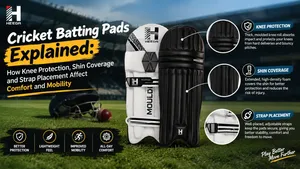 Cricket Batting Pads Explained: How Knee Protection, Shin Coverage and Strap Placement Affect Comfort and MobilityLearn how cricket batting pads, knee protection, shin coverage and strap placement affect comfort, mobility, impact protection and batting performance.
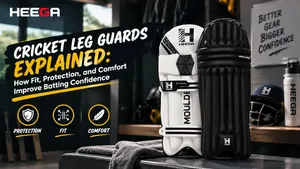 Cricket Leg Guards Explained: How Fit, Protection, and Comfort Improve Batting ConfidenceLearn how cricket leg guards provide protection, comfort, fit, and confidence while batting, plus tips for choosing and maintaining the right pair.
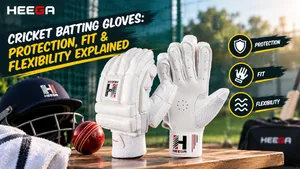 Cricket Batting Gloves: Protection, Fit & Flexibility ExplainedLearn how cricket batting gloves protect your hands and improve comfort, grip, flexibility, and bat control for training and match-day performance.