Choose the Right Gloves for Comfort and Performance
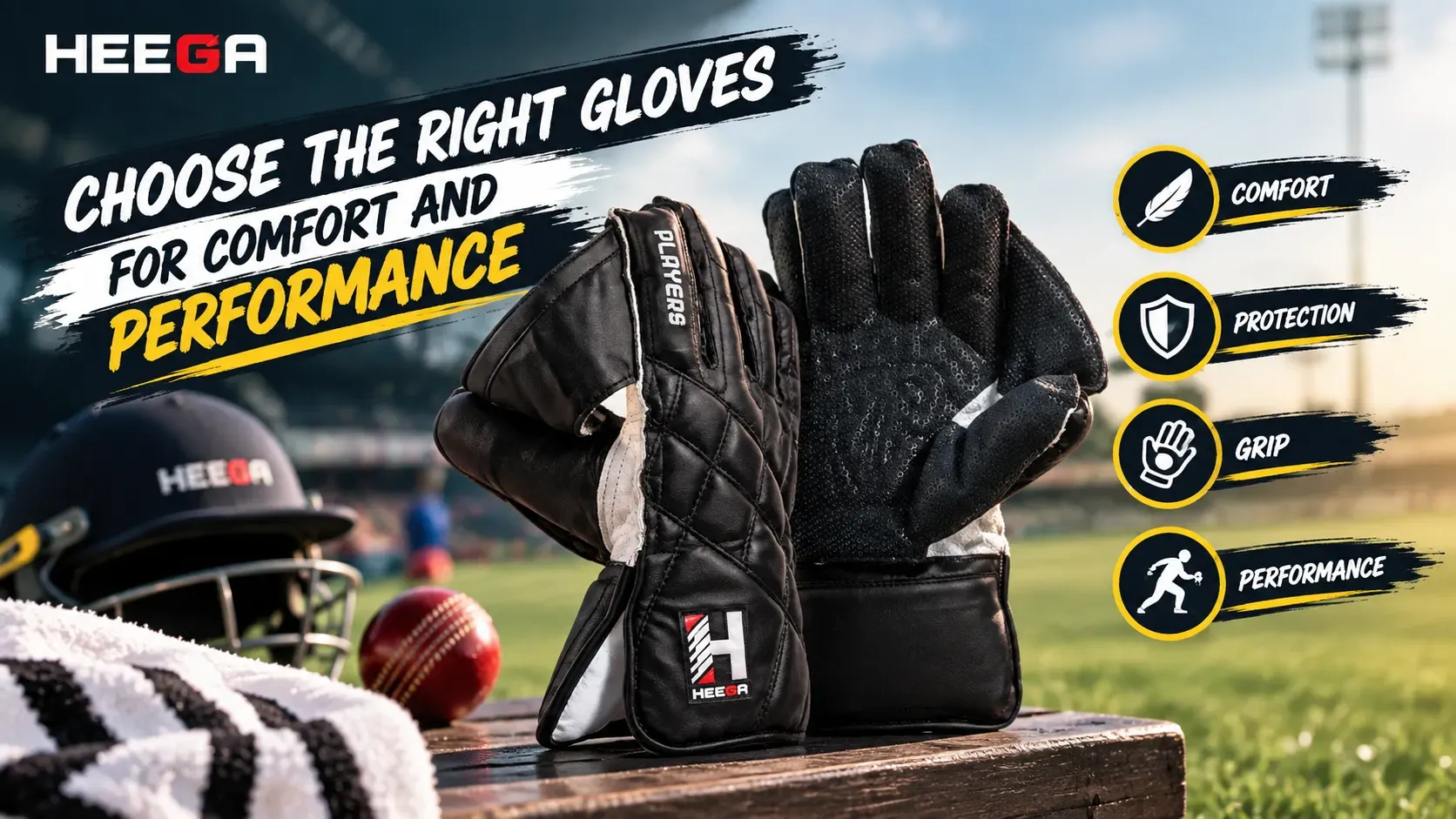
Introduction: Why Wicketkeeping Gloves Matter
Wicketkeeping is one of the most demanding roles in cricket.
A wicketkeeper may spend an entire innings crouched behind the stumps, constantly watching the ball, moving laterally, collecting deliveries, taking edges, stopping byes, and preparing for quick stumpings.
Unlike many other players on the field, a wicketkeeper is involved in almost every delivery.
That makes the right equipment particularly important.
Among all wicketkeeping equipment, gloves have a unique role.
They need to help the keeper catch the ball securely while also providing enough flexibility for fast reactions. The gloves must fit comfortably, allow natural hand movement, and provide appropriate protection during repeated impacts.
Choosing wicketkeeping gloves is therefore not simply about selecting the largest or most heavily padded pair.
The right gloves should match the player's:
- Hand size.
- Playing level.
- Age.
- Style of keeping.
- Playing format.
- Comfort preferences.
- Training requirements.
Whether you are a beginner, academy wicketkeeper, school player, club cricketer, or competitive keeper, understanding these factors can help you make a better equipment decision.
What Are Wicketkeeping Gloves?
Wicketkeeping gloves are specialized gloves designed to help a wicketkeeper receive and control cricket deliveries.
They are different from batting gloves and fielding gloves.
A wicketkeeping glove typically has:
- Large catching surfaces.
- Padded palms.
- Finger protection.
- Webbing between the thumb and index finger.
- A secure wrist or cuff area.
- Flexible construction.
The overall design is focused on catching rather than holding a bat.
Why Wicketkeeping Gloves Are Different From Batting Gloves
Batting gloves are designed primarily to protect the hands while holding a cricket bat.
Wicketkeeping gloves have a completely different purpose.
They need to create a large and secure catching surface.
A wicketkeeper must be able to:
- Receive fast deliveries.
- Catch edges.
- Stop balls close to the ground.
- Collect spin.
- Take difficult catches.
- Remove the bails quickly.
This is why wicketkeeping gloves have a distinctive shape.
Fit Is the First Thing to Check
The correct fit is one of the most important factors when buying wicketkeeping gloves.
A glove that is too large can move around during catching.
A glove that is too small can restrict movement and become uncomfortable.
The ideal pair should feel secure while still allowing the fingers and hands to move naturally.
Why Proper Sizing Matters
Wicketkeeping requires precision.
The ball can change direction unexpectedly, especially after an edge or deflection.
If the glove is loose, the keeper may not feel fully connected to the catching surface.
A secure fit helps the keeper maintain better control.
Players should check:
- Finger length.
- Palm width.
- Wrist fit.
- Thumb position.
- Overall glove movement.
How Should Wicketkeeping Gloves Feel?
When wearing the gloves, the hands should feel comfortably supported.
The fingers should sit naturally inside the glove.
There should not be excessive empty space.
At the same time, the fingers should not feel squeezed.
Make a few catching movements before deciding whether the gloves feel right.
Open and close your hands.
Move your wrists.
Simulate receiving a ball.
The gloves should move naturally with your hands.
The Webbing Is a Key Part of Wicketkeeping Gloves
One of the most recognizable features of wicketkeeping gloves is the webbing between the thumb and index finger.
This area helps create a larger catching surface.
The webbing can be particularly useful when receiving balls outside the central line of the body.
A well-designed webbing area should feel secure without making the glove unnecessarily stiff.
Why Webbing Matters for Catching
A wicketkeeper often catches the ball slightly away from the ideal central position.
The webbing can help increase the effective catching area.
This can be useful for:
- Outside edges.
- Wide deliveries.
- Fast reaction catches.
- Low catches.
- Deflections.
However, the webbing should complement the keeper's catching technique rather than replace it.
Glove Shape Influences Catching
Wicketkeeping gloves are designed with a curved catching shape.
This shape helps the keeper create a natural pocket when receiving the ball.
The glove should feel ready to catch rather than forcing the keeper to hold their hands in an awkward position.
The Catching Pocket
The catching pocket is the area where the ball is absorbed and controlled.
A good pocket can help the keeper receive the ball smoothly.
However, the ideal pocket can vary according to personal preference.
Some keepers prefer a softer catching feel.
Others prefer a firmer response.
Soft Gloves vs Firmer Gloves
The feel of the glove can influence catching confidence.
A softer glove may feel comfortable when receiving the ball and can provide a forgiving catching surface.
A firmer glove may provide a more structured response.
The right choice depends on the player's experience and preference.
Beginners may appreciate a forgiving feel while experienced keepers may have very specific preferences.
Protection Still Matters
Although catching is the main purpose, wicketkeeping gloves also provide protection.
The hands can experience repeated impact throughout a match.
Protection can be particularly important when keeping to faster bowlers.
A good pair should provide appropriate protection without becoming so bulky that it interferes with movement.
Finger Protection
The fingers are exposed to the ball when the keeper is receiving deliveries.
Protective construction can help reduce the impact of repeated catches.
Different glove models may use different levels of padding and reinforcement.
Players should choose protection appropriate to their level and playing conditions.
Palm Padding
Palm padding can help absorb repeated impact.
It can also influence the feel of the glove when receiving the ball.
A comfortable palm can make long keeping sessions easier.
Thumb Protection
The thumb is an important part of the catching hand.
A keeper should have enough protection around this area while retaining sufficient mobility.
Restricted thumb movement can make catching and glove positioning more difficult.
Cuff Design and Wrist Comfort
The cuff is the area around the wrist.
A comfortable cuff should keep the glove secure while allowing the wrist to move naturally.
This matters because wicketkeepers frequently change hand position.
They may move:
- Up.
- Down.
- Sideways.
- Forward.
- Backward.
The wrist needs to remain flexible throughout these movements.
Flexibility Is Essential for Wicketkeepers
A wicketkeeper needs extremely quick reactions.
A glove that feels too stiff can slow down hand movement.
Flexibility is particularly useful when:
- Standing up to the stumps.
- Keeping to spin.
- Diving for catches.
- Collecting low deliveries.
- Taking fast edges.
The glove should provide protection without making the hands feel restricted.
Wicketkeeping Gloves for Spin Bowling
Keeping to spin requires a different type of movement.
The ball may:
- Turn sharply.
- Bounce unpredictably.
- Drift.
- Dip.
- Deflect from the batter.
The wicketkeeper may also stand closer to the stumps.
This makes quick hand movement and flexibility particularly important.
Wicketkeeping Gloves for Fast Bowling
Fast bowling creates a different challenge.
The keeper has less reaction time.
The ball may reach the gloves at high speed.
For fast bowling, keepers should pay close attention to:
- Protection.
- Glove fit.
- Webbing.
- Catching pocket.
- Overall comfort.
The gloves should feel secure and predictable.
Beginner Wicketkeeping Gloves
Beginners should focus on learning proper catching technique.
They do not necessarily need the most advanced gloves.
A beginner pair should provide:
- Appropriate sizing.
- Good comfort.
- Adequate protection.
- A useful catching pocket.
- Flexible construction.
The gloves should make learning easier rather than adding unnecessary complexity.
Junior Wicketkeeping Gloves
Young wicketkeepers require gloves designed for their hand size.
Adult gloves can be too large and difficult to control.
Junior gloves should provide:
- Appropriate finger length.
- Comfortable palm width.
- Suitable cuff size.
- Manageable weight.
- Adequate protection.
As children grow, their glove size should be reassessed.
Academy Wicketkeeping Gloves
Academy players may spend many hours training behind the stumps.
Their gloves need to handle regular practice.
They may face:
- Throwdowns.
- Spin bowling.
- Pace bowling.
- Bowling-machine sessions.
- Practice matches.
- Match simulations.
Durability becomes increasingly important at this stage.
Club Wicketkeeping Gloves
Club wicketkeepers may play regularly throughout a season.
They often need a versatile pair that can handle both training and matches.
A practical club glove should combine:
- Comfort.
- Protection.
- Durability.
- Good catching feel.
- Secure fit.
Advanced and Competitive Wicketkeepers
Experienced wicketkeepers often develop strong preferences.
They may care about:
- Webbing shape.
- Glove stiffness.
- Pocket depth.
- Cuff design.
- Finger protection.
- Palm feel.
- Overall flexibility.
At higher levels, even small differences in glove construction can become noticeable.
Choosing Gloves Based on Your Keeping Style
Different wicketkeepers use different techniques.
Some prefer standing close to the stumps.
Others keep deeper against fast bowlers.
Some specialize in keeping to spin.
Your role can influence the type of glove that feels comfortable.
Gloves for Standing Up to the Stumps
Standing up requires rapid reactions.
The keeper needs to collect the ball quickly and may need to remove the bails immediately.
Flexible gloves can be particularly useful here.
The keeper should be able to move the hands rapidly without fighting against stiff materials.
Gloves for Standing Back
When keeping deeper, the keeper may face faster deliveries and more powerful edges.
Protection and secure catching can become particularly important.
A comfortable catching pocket can help the keeper absorb the pace of the ball.
Wicketkeeping Gloves and Stumpings
Stumpings require fast hand movement.
The keeper needs to:
- Collect the ball.
- Move the gloves toward the stumps.
- Remove the bails.
- Complete the action quickly.
Good glove flexibility can support these movements.
Catching Edges Requires Confidence
Edges can travel quickly and change direction.
A keeper needs to react almost instinctively.
Comfortable gloves can help the player trust their catching technique.
However, confidence ultimately comes from practice and experience.
Wicketkeeping Gloves and Hand-Eye Coordination
Gloves do not improve hand-eye coordination by themselves.
But comfortable equipment can allow a player to focus on developing it.
A keeper can train through:
- Reaction drills.
- Catching exercises.
- Deflection drills.
- Close catching.
- Tennis-ball exercises.
- Match simulations.
How to Test Wicketkeeping Gloves Before Buying
If possible, always try gloves before purchasing.
Follow these simple steps.
Step 1: Check the Fit
Make sure the fingers and palm sit comfortably.
Step 2: Open and Close the Hands
Check whether the gloves move naturally.
Step 3: Test the Webbing
Make sure the webbing feels secure and comfortable.
Step 4: Simulate a Catch
Bring your hands together as though receiving a delivery.
Step 5: Check the Wrist
Make sure the cuff does not restrict movement.
Step 6: Try a Stumping Movement
Move your hands quickly toward an imaginary set of stumps.
The gloves should not feel restrictive.
Common Wicketkeeping Glove Buying Mistakes
Buying Gloves That Are Too Large
Large gloves can reduce control.
Choosing Only by Appearance
A stylish glove is not automatically a good glove.
Ignoring Webbing
The webbing is an important part of the catching surface.
Choosing Excessive Padding
More protection can sometimes mean less flexibility.
Forgetting About Comfort
Wicketkeepers wear their gloves for long periods.
Not Considering Playing Level
A beginner does not necessarily need professional-level equipment.
Ignoring Hand Size
Gloves should match the player's current hand size.
Wicketkeeping Gloves Need Regular Care
Good maintenance can help keep gloves in usable condition.
After training or matches:
- Allow gloves to dry naturally.
- Keep them away from excessive moisture.
- Avoid storing wet gloves inside a closed kit bag.
- Remove dirt carefully.
- Check the webbing regularly.
- Inspect the palms and fingers.
- Store them in a ventilated environment.
Why You Should Not Leave Gloves Wet
Moisture can affect the materials used in wicketkeeping gloves.
It can also create unpleasant odors.
After a wet match or training session, allow the gloves to dry naturally before storing them.
Avoid excessive direct heat because it can affect materials.
When Should You Replace Wicketkeeping Gloves?
A pair may need replacement when:
- The palm becomes heavily worn.
- The webbing is damaged.
- Padding becomes compressed.
- Finger protection is compromised.
- The cuff no longer secures properly.
- The glove loses its shape.
- The player has outgrown the gloves.
Protection and catching performance should always take priority over extending the life of heavily worn equipment.
Do Expensive Wicketkeeping Gloves Guarantee Better Performance?
Not necessarily.
Price can reflect materials, construction, brand positioning, and additional features.
But the most expensive gloves may not be the best fit for every player.
A good pair should match:
- Hand size.
- Playing level.
- Keeping style.
- Comfort preference.
- Budget.
- Frequency of use.
Why Comfort Matters During Long Innings
A wicketkeeper may remain behind the stumps for a long period.
During that time, the gloves are constantly being used.
If they cause discomfort, the player may become distracted.
Comfort can help the keeper stay focused on:
- Ball tracking.
- Field positioning.
- Bowling plans.
- Batting movements.
- Catching opportunities.
Wicketkeeping Gloves and Confidence
Wicketkeeping involves constant decision-making.
The keeper needs confidence when:
- Taking edges.
- Standing close to the stumps.
- Collecting spin.
- Taking difficult catches.
- Attempting stumpings.
Suitable equipment cannot replace skill, but comfortable gloves can help the player feel prepared.
Wicketkeeping Gloves Across Different Cricket Environments
Cricket continues to grow in Nepal, Germany, the United States, Canada, and the Netherlands, while the United Kingdom has a long-established club, academy, and professional cricket structure.
Players in these environments can have very different training facilities and playing opportunities.
However, the fundamental requirements for wicketkeeping gloves remain consistent.
A keeper needs gloves that fit correctly, provide appropriate protection, offer a dependable catching surface, and allow natural movement.
How Heega Sports Supports Wicketkeepers
At Heega Sports, we understand that wicketkeepers need specialized equipment to perform confidently behind the stumps.
Our cricket range includes:
- Wicketkeeping gloves.
- Cricket bats.
- Kashmir Willow bats.
- Junior cricket bats.
- Leather cricket balls.
- Practice balls.
- Batting gloves.
- Batting pads.
- Cricket helmets.
- Cricket shoes.
- Cricket kit bags.
- Practice nets.
- Training accessories.
Whether you are learning wicketkeeping for the first time or preparing for competitive cricket, choosing equipment that matches your playing level can make training more comfortable and effective.
A Simple Wicketkeeping Glove Buying Checklist
Before purchasing, ask yourself:
- Do the gloves fit my hands correctly?
- Are the fingers positioned comfortably?
- Is the webbing secure?
- Does the catching pocket feel natural?
- Can I open and close my hands easily?
- Is the cuff comfortable?
- Is there enough protection for my level?
- Are the gloves flexible enough?
- Can I perform a quick stumping movement?
- Are they suitable for my playing conditions?
- Can I maintain them properly?
If the answer to these questions is positive, you are much closer to finding the right pair.
Final Thoughts
Choosing the right wicketkeeping gloves is about much more than finding a pair with attractive colours or heavy padding.
A wicketkeeper needs equipment that works with their hands rather than against them.
The gloves should fit securely.
The webbing should provide a dependable catching surface.
The pocket should feel natural.
The protection should be appropriate.
The cuff should remain comfortable.
And the overall design should allow quick movement.
Beginners may prioritize comfort and learning.
Junior players need properly sized gloves.
Academy and club wicketkeepers may need greater durability.
Experienced keepers may develop specific preferences for webbing, pocket shape, flexibility, and protection.
There is no single pair of wicketkeeping gloves that is perfect for everyone.
The right choice depends on your hands, your keeping style, your playing level, and how frequently you play.
Whenever possible, try the gloves with your normal catching and stumping movements before buying.
When your gloves fit properly and feel natural, you can focus less on your equipment and more on the ball.
And for a wicketkeeper, that can make all the difference.
🏏 Choose the Right Wicketkeeping Gloves With Heega Sports
Explore wicketkeeping gloves and complete cricket equipment designed for players at different levels, along with Kashmir Willow bats, leather balls, batting gloves, pads, helmets, cricket shoes, kit bags, practice nets, and training accessories.
Shop Now
Heega Sports – Supporting Better Catching, Better Control, and Better Cricket.
Related posts
 Why Batting Gloves Matter: Understanding Protection, Grip, Flexibility & Hand ComfortLearn why batting gloves matter for protection, grip, flexibility and comfort, plus how to choose the right cricket batting gloves for your playing level.
 How to Choose Cricket Batting Gloves: Fit, Protection, Grip, and Comfort ExplainedLearn how to choose cricket batting gloves based on fit, protection, grip, comfort, flexibility, and playing level for safer and more confident batting.
 Cricket Batting Pads Explained: How Knee Protection, Shin Coverage and Strap Placement Affect Comfort and MobilityLearn how cricket batting pads, knee protection, shin coverage and strap placement affect comfort, mobility, impact protection and batting performance.