Choosing the Right Profile: A Batter’s Guide to Perfect Performance
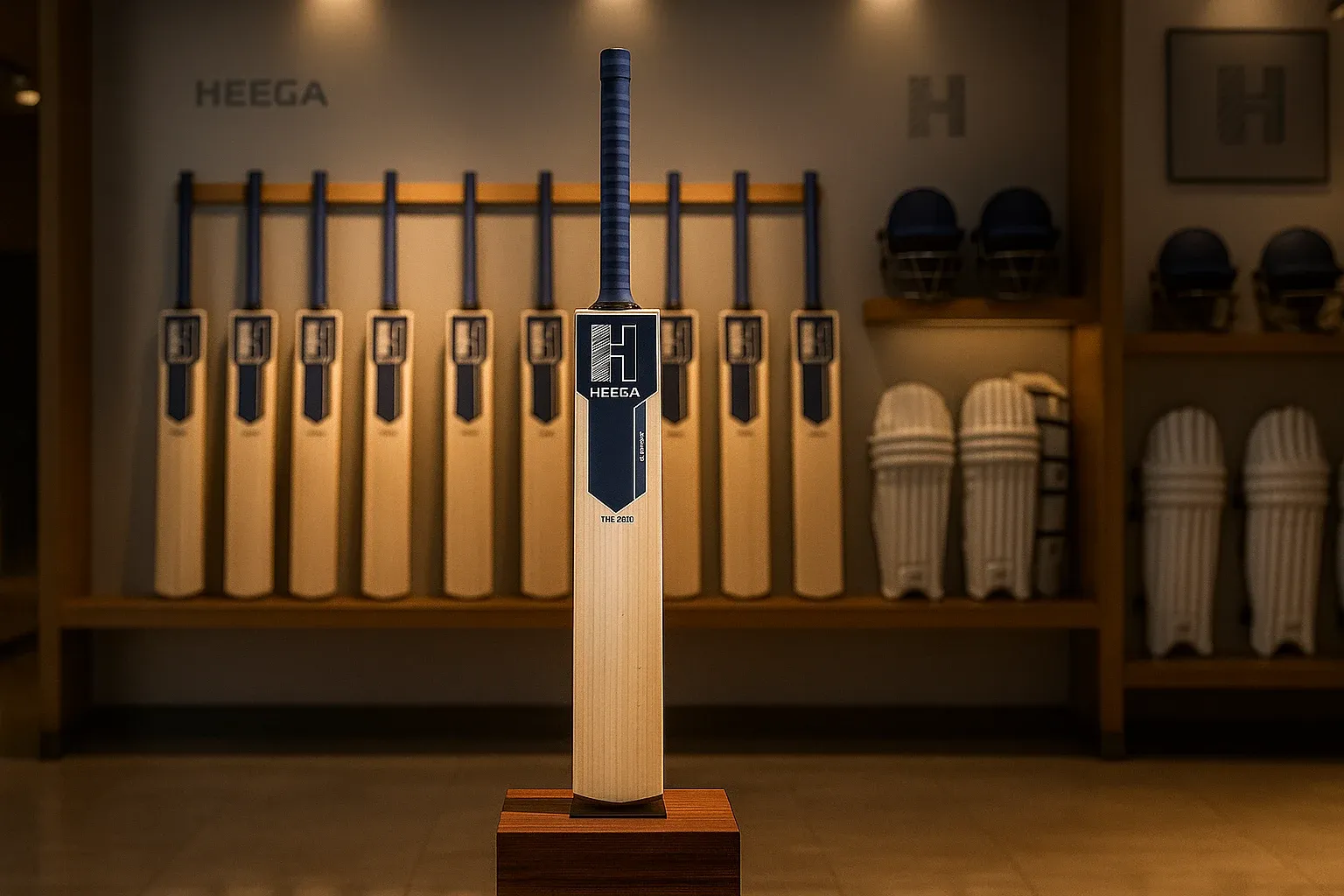
Every cricketer knows the feeling — that satisfying sound when the ball meets the middle of the bat and sails effortlessly toward the boundary. But what most players don’t realize is that the secret behind that perfect connection lies in one key element: the bat’s profile.
The profile of a cricket bat — its spine height, edge thickness, sweet spot position, and overall shape — defines everything from pickup and balance to power and control. Whether you’re a front-foot attacker or a back-foot strategist, your bat’s profile can make or break your performance.
In this blog, we’ll dive deep into the science and art of cricket bat profiles, helping you understand what suits your playing style — and how to make an informed choice before your next innings.
1. What Is a Cricket Bat Profile?
In simple terms, a bat’s profile refers to its overall shape — how the wood is distributed along its blade. It determines:
- The pickup (how light or heavy it feels in hand)
- The sweet spot position (where the ball meets maximum rebound)
- The balance between power and control
Even two bats with the same weight can perform very differently depending on their profile. A low-profile bat may feel bottom-heavy, while a high-profile bat feels balanced near the handle.
A bat’s profile is a delicate mix of:
- Spine height (how pronounced the central ridge is)
- Edge thickness
- Bow (curve)
- Sweet spot location
- Toe and shoulder shape
Understanding these factors will help you pick the perfect blade for your technique.
2. The Science Behind Balance and Pickup
Balance is what gives a bat its “feel.” A well-balanced bat allows for smooth swing and better timing — essential for both defense and power hitting.
A bat’s pickup depends on how weight is distributed throughout:
- A bat with a low spine (more wood near the toe) feels heavier toward the bottom.
- A mid or high spine makes the bat feel lighter and improves control.
This is why many professional players test multiple profiles with the same weight — the balance, not the number on the scale, determines how the bat performs in motion.
3. The Importance of Sweet Spot Position
The sweet spot is the most powerful zone on your bat — where you get maximum rebound with minimum effort. Its position changes with the profile:
- Low Sweet Spot: Ideal for front-foot players who play drives and sweeps on slower pitches.
- Mid Sweet Spot: Perfect for all-rounders who use both front and back foot.
- High Sweet Spot: Best for back-foot players who rely on cuts, pulls, and hooks.
Choosing a bat with the right sweet spot can dramatically improve timing, control, and shot consistency.
4. The Major Types of Bat Profiles
Here’s a breakdown of the most common bat profiles and who they suit best:
a. Low Profile
- Sweet Spot: Near the toe
- Ideal For: Front-foot players, subcontinental pitches
- Characteristics: Extra wood near the bottom; powerful in drives and sweeps
- Examples: Heega’s Gladiator Power or Retro series
b. Mid Profile
- Sweet Spot: Center of the blade
- Ideal For: All-round players
- Characteristics: Balanced feel, great pickup, and versatile stroke play
- Popular Among: Intermediate and professional players
c. High Profile
- Sweet Spot: Near the handle
- Ideal For: Back-foot players, bouncy pitches
- Characteristics: Lighter pickup, perfect for cut and pull shots
d. Full Profile
- Sweet Spot: Broad area; thicker blade
- Ideal For: Power hitters
- Characteristics: Minimal concaving, heavier pickup, explosive hitting power
e. Concave Profile
- Sweet Spot: Concentrated center
- Ideal For: Players who prefer lighter bats with faster swings
- Characteristics: Thinner edges, optimized balance without extra weight
Each type gives you a unique advantage — the right choice depends on your playing style, pitch conditions, and comfort.
5. Matching Bat Profile to Your Batting Style
Let’s break it down further by player type:
1. The Stroke Player
- Profile Fit: Mid-profile bat
- Why: Offers balance between control and power for elegant stroke play.
- Best Used By: Players who rely on timing rather than brute force.
2. The Power Hitter
- Profile Fit: Full or low profile
- Why: More wood in the blade = more power behind every shot.
- Best Used By: T20 players and aggressive openers.
3. The Technician
- Profile Fit: High-profile bat
- Why: Lightweight pickup and superior maneuverability.
- Best Used By: Players who face fast bowlers and play with precision.
4. The All-Rounder
- Profile Fit: Mid-to-low profile
- Why: Offers flexibility to adapt across formats.
- Best Used By: Club cricketers and professionals who switch between pitches.
6. How Manufacturers Fine-Tune Bat Profiles
At Heega Sports, each bat profile is engineered through:
- Willow Selection: English Willow for high performance; Kashmir Willow for durability.
- Hand Pressing: To ensure natural compression and rebound.
- Spine and Edge Optimization: Designed to match the bat’s sweet spot and weight range.
- Balance Testing: Each bat is tested for pickup before finishing.
This precision crafting ensures consistency across every model — whether you’re wielding a Heega Stallion or a Heega Gladiator Power.
7. Modern Trends: Profile Innovation in Today’s Game
Modern cricket has evolved, and so have bats. Today’s bat makers are merging traditional craftsmanship with new technology:
- Thicker Edges + Lightweight Design: Thanks to concaving and modern pressing methods.
- Hybrid Profiles: Combining mid-to-low sweet spots for adaptability.
- Smart Balance Systems: Using computer models to test swing efficiency.
- Player Customization: Personalized balance points based on height and hand strength.
These innovations help players enjoy power-packed performance without compromising pickup.
8. Common Mistakes Players Make When Choosing Profiles
- Ignoring Playing Style: Picking a bat just for looks or size, not for how you play.
- Focusing on Weight Alone: A balanced bat can feel lighter than it is.
- Neglecting Pitch Conditions: Low sweet spots for slow pitches; high for bouncy tracks.
- Overlooking Handle Shape: It affects control and wrist movement.
- Not Testing the Pickup: Always swing the bat before buying — it tells more than the scale.
Avoiding these mistakes ensures you pick a bat that feels like an extension of your hands.
9. Testing Your Ideal Bat Profile
When testing bats in-store:
- Hold the bat upright and check its balance point — does it lean forward or stay neutral?
- Swing it naturally — a good bat should flow easily through the motion.
- Tap a ball on different parts of the blade — you’ll feel where the sweet spot truly is.
- Compare two bats of the same weight — the one with better pickup is your match.
This hands-on testing is what even professionals rely on to find their perfect stick.
10. Why the Right Profile Improves Your Game
A well-chosen bat profile can:
- Enhance bat speed and timing
- Reduce fatigue during long innings
- Maximize shot control and placement
- Provide consistent performance across formats
Ultimately, your bat’s profile is not just about design — it’s about your connection to the game. Every curve, edge, and spine height works in harmony to make your shots more efficient, powerful, and enjoyable.
Conclusion: Craft Your Game Around the Right Profile
Your cricket bat is more than a piece of equipment — it’s an extension of your skill, style, and mindset. Choosing the right profile isn’t about following trends; it’s about understanding you.
Whether you’re smashing boundaries or defending with grace, the right bat profile aligns your technique with the natural flow of the game. At Heega Sports, every bat is designed to match the way you play — so you can find your perfect partner on the pitch.
Shop Now
Find your perfect bat profile today — engineered for balance, precision, and pure power.
Shop Now at Heega Sports
Related posts
 Kashmir Willow Bats Explained: How Willow Quality, Bat Profile & Balance Affect PerformanceLearn how Kashmir Willow bats, willow quality, bat profile, balance, pickup, weight, and sweet spot position can affect cricket batting performance.
 Understanding Cricket Bat Profiles: How Sweet Spot Placement & Spine Height Affect Your Shot-MakingDiscover how cricket bat profiles, sweet spot placement, spine height, and edge thickness impact your shot-making, pick-up, and power transmission on the pitch.
 Cricket Bat Profile Explained: How Blade Shape Influences Balance and Shot-MakingLearn how cricket bat profile and blade shape affect balance, pickup, control, durability, and shot-making, and choose a profile suited to your playing style.