Cricket Equipment Checklist: Everything Every Competitive Player Needs

Introduction: The Right Cricket Equipment Can Make a Difference
Competitive cricket demands more than skill and practice.
Players need the right equipment to train safely, perform confidently, and handle the physical demands of the game.
A complete kit should include everything from a reliable cricket bat and cricket ball to batting gloves, pads, helmets, shoes, and other essential cricket gear.
For beginners, knowing what to buy can be confusing.
For competitive players, the challenge is different.
They need equipment that matches their playing style, position, competition level, and training requirements.
Whether you are a batter, fast bowler, spin bowler, wicketkeeper, or all-rounder, your equipment needs will vary.
This guide provides a practical cricket equipment checklist to help competitive players understand what belongs in a complete cricket kit.
Why Cricket Equipment Matters for Competitive Players
When players compete regularly, equipment receives much more use than it does during occasional recreational games.
A cricket bat may face hundreds of ball impacts.
Batting gloves may be used during long net sessions and matches.
Pads and helmets must provide reliable protection.
Cricket shoes need to support repeated movement across different playing surfaces.
Good equipment should therefore be:
- Comfortable
- Correctly sized
- Durable
- Suitable for the playing format
- Appropriate for the player's skill level
- Properly maintained
The goal is not to buy the most expensive equipment available.
The goal is to choose equipment that performs reliably when you need it.
Complete Cricket Equipment Checklist
A competitive player's basic kit can include:
- Cricket bat
- Cricket balls
- Batting gloves
- Batting pads
- Cricket helmet
- Abdominal guard
- Thigh protection
- Chest protection
- Cricket shoes
- Cricket kit bag
- Inner gloves
- Bat grip
- Bat protection
- Training cones
- Practice balls
- Stumps
- Protective gear
- Wicketkeeping equipment for specialist keepers
Let's look at each category in more detail.
1. Cricket Bat
The cricket bat is the most important piece of equipment for a batter.
A competitive player should select a bat based on more than appearance.
Important factors include:
- Willow type
- Bat size
- Weight
- Pickup
- Balance
- Profile
- Spine
- Edge thickness
- Sweet spot
- Handle construction
The bat should feel comfortable when you pick it up and play shots.
A bat that is too heavy can reduce bat speed and control.
A bat that is too light may not provide the feel a player prefers.
The ideal choice depends on your physical strength and batting style.
English Willow vs Kashmir Willow
Players commonly choose between English Willow and Kashmir Willow.
English Willow
English Willow is generally associated with premium cricket bats.
It is popular among:
- Advanced players
- Club cricketers
- Academy players
- Professional players
It can offer a responsive feel and excellent performance characteristics.
Kashmir Willow
Kashmir Willow is widely used by:
- Beginners
- Junior players
- Developing cricketers
- Recreational players
- Players looking for good value
Both types can be suitable when selected correctly.
2. Cricket Ball
The cricket ball is another essential part of every competitive player's equipment.
The correct ball depends on the format and training environment.
Players may use:
- Red leather balls
- White leather balls
- Pink cricket balls
- Practice balls
- Synthetic balls
- Tennis balls
Red balls are commonly associated with Test and first-class cricket.
White balls are widely used in ODI and T20 cricket.
Pink balls are used for selected day-night Test matches.
Practice balls are useful for training sessions where match-quality leather balls are unnecessary.
Match Balls vs Training Balls
Competitive players should understand the difference between match and training equipment.
A high-quality leather ball may be appropriate for match preparation.
A softer practice ball can be useful for:
- Beginners
- Fielding drills
- Indoor practice
- Bowling drills
- Repetitive batting exercises
Using the correct ball helps players structure their training more effectively.
3. Batting Gloves
Batting gloves protect the hands while providing grip and comfort.
A competitive player can face fast deliveries at significant speeds.
Proper gloves help reduce the impact of the ball on the fingers and hands.
When selecting gloves, consider:
- Size
- Finger protection
- Palm material
- Grip
- Ventilation
- Flexibility
- Wrist support
The gloves should fit securely without restricting natural hand movement.
Why Glove Fit Matters
Loose gloves can move during a shot.
This can reduce comfort and protection.
Gloves that are too tight can restrict movement.
The correct fit should provide a balance between:
Protection + Grip + Comfort + Flexibility
Players should always try to ensure that the gloves match their hand size.
4. Batting Pads
Batting pads protect the lower legs and knees from fast cricket balls.
A complete pair should cover:
- Shin
- Knee
- Lower leg
- Side areas
Modern leg pads are designed to provide protection while keeping weight manageable.
Competitive players should look for pads that remain secure during movement.
Choosing the Correct Size
The correct size is essential.
Pads that are too large may:
- Restrict movement
- Feel heavy
- Move during running
- Affect batting comfort
Pads that are too small may leave areas exposed.
The correct size should provide coverage without interfering with normal movement.
5. Cricket Helmet
A helmet is essential protective equipment for players facing hard cricket balls.
A good helmet should provide appropriate coverage around the:
- Head
- Forehead
- Temples
- Ears
- Face
The grille should provide clear visibility while maintaining protection.
Competitive players should choose a helmet that fits securely and meets the requirements of their competition.
Helmet Fit and Comfort
A helmet should not move excessively when the player runs or turns their head.
At the same time, it should not create uncomfortable pressure.
Players should check:
- Head size
- Helmet adjustment
- Grille position
- Chin strap
- Overall stability
A comfortable helmet is more likely to be worn correctly throughout training and matches.
6. Abdominal Guard
An abdominal guard protects a sensitive area of the body from impact.
It is particularly important for players facing fast bowling.
Players should select the correct size and use an appropriate supporter or guard system to keep the equipment secure.
Comfort is important because the guard may be worn for extended periods.
7. Thigh Protection
Thigh guards provide additional protection against deliveries that hit the upper leg.
They can be particularly useful for players facing fast bowling regularly.
A thigh guard should:
- Fit securely
- Allow movement
- Cover the required area
- Remain comfortable
Players should ensure that the protection does not interfere with their batting stance.
8. Chest Protection
Some competitive players use chest guards to provide additional protection.
These can be particularly useful against fast bowling.
A chest guard should provide coverage while allowing the batter to:
- Move freely
- Rotate the upper body
- Play shots
- Run comfortably
Protection should never significantly interfere with technique.
9. Cricket Shoes
Cricket shoes provide traction and stability during movement.
The right footwear depends on the playing surface.
Players may choose between:
- Spiked cricket shoes
- Rubber-soled cricket shoes
- Training shoes
Spikes can provide additional grip on suitable natural grass surfaces.
Rubber soles may be more appropriate for certain artificial or indoor surfaces.
Competitive players should select footwear according to where they regularly play.
Why Footwear Matters
Cricket involves repeated:
- Sprinting
- Stopping
- Turning
- Jumping
- Lunging
- Bowling approaches
Good cricket shoes can help players maintain stability during these movements.
Fast bowlers may have different footwear requirements from batters.
Wicketkeepers may also prioritize comfort and flexibility.
10. Cricket Kit Bag
A competitive player needs a bag large enough to carry their complete equipment.
A good cricket bag should have enough space for:
- Cricket bat
- Gloves
- Pads
- Helmet
- Shoes
- Clothing
- Accessories
- Personal items
Common styles include:
- Duffle bags
- Wheelie bags
- Backpack-style bags
- Large cricket kit bags
Players who carry extensive equipment may prefer a large wheelie bag.
Why a Good Cricket Bag Matters
A properly organized bag protects equipment from unnecessary damage.
Separate compartments can help keep:
- Shoes away from clothing
- Protective equipment organized
- Batting equipment accessible
- Accessories easy to find
Good organization also saves time before matches and training.
11. Inner Gloves
Inner gloves are worn underneath batting gloves.
They can provide:
- Additional comfort
- Sweat absorption
- Better hygiene
- Improved glove fit
Players who train frequently may find inner gloves particularly useful.
They should be replaced when they become excessively worn or lose their ability to absorb moisture.
12. Bat Grip
The bat grip affects how securely the player holds the handle.
A worn grip can become:
- Slippery
- Loose
- Uncomfortable
Players should inspect their grip regularly.
Replacing a worn grip is a simple maintenance task that can improve comfort and control.
13. Bat Protection
A cricket bat is a wooden sporting product and needs appropriate care.
Depending on the bat, players may use protective materials such as:
- Bat face protection
- Toe protection
- Edge protection
These can help reduce surface damage during regular use.
However, protection does not make the bat indestructible.
Proper preparation and sensible use remain important.
14. Cricket Clothing
A competitive cricket kit should also include suitable playing clothing.
This may include:
- Cricket trousers
- Cricket shirt
- Training shirt
- Socks
- Inner layers
- Sweaters or jackets
- Cap
The exact clothing requirements depend on the format and competition.
Players should always follow their team's or competition's dress requirements.
15. Wicketkeeping Equipment
Wicketkeepers need additional specialist equipment.
Their kit can include:
- Wicketkeeping gloves
- Wicketkeeping pads
- Helmet
- Inner gloves
- Abdominal protection
- Specialist footwear
Wicketkeeping gloves are different from batting gloves because they are designed specifically for catching the ball.
16. Training Equipment
Competitive players also need equipment for practice.
Useful training equipment includes:
- Practice balls
- Training cones
- Stumps
- Batting tees
- Catching aids
- Bowling markers
- Resistance bands
- Practice nets
Not every player needs every training product.
The equipment should match the player's training goals.
17. Practice Net
A practice net allows players to work on skills without needing a full cricket ground.
Players can use nets for:
- Batting
- Bowling
- Throwing
- Reaction drills
- Technical practice
For clubs and academies, larger cricket nets can support structured group training.
For home practice, smaller setups may be more practical.
18. Protective Gear for Competitive Cricket
Safety should always be a priority.
A competitive batter may need several pieces of protective gear, including:
- Cricket helmet
- Batting gloves
- Batting pads
- Abdominal guard
- Thigh guard
- Chest protection
Players should use equipment appropriate for the level and conditions of play.
19. Cricket Accessories
Small accessories can also make a difference during training and matches.
Useful items include:
- Bat mallet
- Bat oil
- Grip cones
- Sports tape
- Water bottle
- Towel
- Sunglasses
- Shoe cleaning accessories
- Equipment labels
These items are easy to overlook but can improve organization and equipment care.
Building a Cricket Kit for Different Player Types
Not every player needs exactly the same kit.
Batter
A batter's core equipment includes:
- Cricket bat
- Batting gloves
- Batting pads
- Helmet
- Abdominal protection
- Thigh protection
- Cricket shoes
Fast Bowler
A fast bowler needs:
- Cricket shoes
- Appropriate training balls
- Protective equipment
- Bowling accessories
- Comfortable training clothing
Fast bowlers should also pay attention to footwear because their run-up and landing place significant demands on their feet and legs.
Spin Bowler
Spin bowlers may prioritize:
- Comfortable cricket shoes
- Training balls
- Fielding equipment
- Bowling practice aids
All-Rounder
All-rounders need a broader equipment setup because they contribute in multiple areas.
Their kit should cover both batting and bowling requirements.
Wicketkeeper
A wicketkeeper requires specialist gloves and pads in addition to standard protective equipment.
Cricket Equipment for Practice vs Match Day
Your practice kit and match kit do not always need to be identical.
During training, players may use:
- Practice balls
- Training gloves
- Cones
- Portable stumps
- Practice nets
On match day, they may require:
- Match-quality cricket bat
- Match ball
- Competition-approved helmet
- Batting gloves
- Batting pads
- Cricket shoes
- Complete protective gear
Keeping separate training and match equipment can also help extend the life of premium products.
How to Choose the Right Cricket Gear
Before purchasing equipment, ask yourself several questions.
What Format Do You Play?
Your requirements may differ depending on whether you play:
- Test cricket
- One-day cricket
- T20 cricket
- Club cricket
- School cricket
What Is Your Playing Position?
A batter's needs are different from those of a wicketkeeper or fast bowler.
How Frequently Do You Play?
Regular players may need more durable equipment.
What Is Your Budget?
Quality does not always mean choosing the most expensive product.
Does the Equipment Fit Correctly?
Correct sizing should always be a priority.
Size and Weight Matter
Two pieces of equipment can look similar but feel completely different.
This is particularly important when choosing:
- Cricket bats
- Batting gloves
- Batting pads
- Helmets
- Cricket shoes
Players should consider both size and weight.
For example, a bat may have excellent specifications but still be unsuitable if the player cannot control it comfortably.
Don't Buy Equipment Only for Appearance
Modern cricket equipment can look impressive.
Bright colors, large logos, thick edges, and modern designs can attract attention.
But appearance should not be the main buying factor.
Instead, focus on:
Fit + Comfort + Function + Durability + Suitability
These factors are far more important during actual play.
How to Maintain Your Cricket Equipment
Proper maintenance can extend the useful life of your gear.
Cricket Bat
- Store it in a suitable environment.
- Complete appropriate knocking-in.
- Avoid hitting hard objects.
- Inspect the toe regularly.
- Keep the bat away from excessive moisture.
Batting Gloves
- Allow them to dry after use.
- Avoid storing them while wet.
- Check finger protection regularly.
Pads
- Clean them after use.
- Allow them to dry naturally.
- Check straps and buckles.
Helmet
- Inspect the grille.
- Check straps and fittings.
- Replace damaged components when required.
Cricket Shoes
- Remove dirt after matches.
- Allow them to dry.
- Check the sole and spikes regularly.
When Should You Replace Cricket Equipment?
Equipment should be replaced when it no longer performs its intended function.
Signs can include:
- Cracks
- Broken straps
- Damaged protective sections
- Loose components
- Excessive wear
- Poor fit
- Loss of structural integrity
Safety equipment deserves particular attention.
A damaged helmet or badly worn protective product should not be ignored.
Common Cricket Equipment Buying Mistakes
Competitive players can make several mistakes when building their kits.
Buying the Wrong Size
Incorrect sizing can affect both comfort and performance.
Choosing Excessive Weight
Heavy equipment can reduce movement and control.
Ignoring Playing Conditions
Equipment should match the surface and weather conditions.
Buying Only Based on Price
The cheapest product may not provide the durability you need.
Buying Everything at Once
Players can build their kit gradually according to their actual requirements.
Neglecting Maintenance
Even premium equipment requires regular care.
A Simple Cricket Equipment Checklist
Before leaving for a match, check:
Batting Equipment
Footwear
Match Essentials
Training Equipment
Maintenance
A simple checklist can prevent last-minute problems before an important match.
How Heega Sports Supports Competitive Players
At Heega Sports, we understand that competitive players need dependable equipment for both training and match preparation.
Our cricket collection is designed to support players at different levels and positions.
It includes:
- Cricket bats
- Kashmir Willow bats
- English Willow bats
- Cricket balls
- Batting gloves
- Batting pads
- Cricket helmets
- Cricket shoes
- Cricket kit bags
- Practice nets
- Protective gear
- Training accessories
- Bat care products
Whether you are building your first serious kit or upgrading equipment for competitive cricket, choosing products that match your playing requirements can make preparation easier.
Final Thoughts
A complete cricket kit is more than a collection of products.
Every item has a purpose.
The cricket bat helps you score runs.
The cricket ball creates the contest between bat and bat-and-ball skill.
Batting gloves, pads, and cricket helmets provide important protection.
Cricket shoes support movement and stability.
A well-organized cricket bag keeps everything together.
And the right training equipment helps players continue improving between matches.
Competitive players should not focus only on buying premium equipment.
They should focus on buying the right cricket equipment.
That means considering size, weight, fit, playing position, match format, playing surface, training frequency, and personal preference.
The right cricket gear can make practice more comfortable and help players prepare with greater confidence.
Most importantly, equipment should support skill rather than replace it.
Good technique, regular practice, fitness, discipline, and match experience remain the foundation of cricket development.
But when those qualities are combined with reliable equipment and properly maintained protective gear, players can step onto the field better prepared for the challenges ahead.
🏏 Build Your Complete Cricket Kit With Heega Sports
Find quality cricket bats, cricket balls, batting gloves, batting pads, cricket helmets, cricket shoes, kit bags, practice nets, and essential protective gear for training and competitive play.
Shop Now
Heega Sports – Quality Cricket Equipment for Every Player, Every Practice, and Every Match.
Related posts
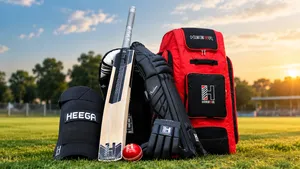 Ordering Cricket Equipment for a Club or Academy: An Overseas Buyer's ChecklistOrdering cricket equipment for your club or academy from overseas? Use this checklist for bats, protective gear, quantities, samples, shipping and quotations.
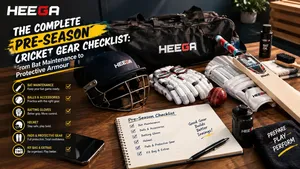 The Complete Pre-Season Cricket Gear Checklist: From Bat Maintenance to Protective Armour.Get match-ready with the ultimate pre-season cricket gear checklist. Learn how to inspect, restore, and maintain your bats, protective armour, spikes, and kit bag.
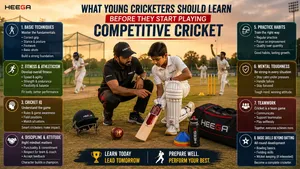 What Young Cricketers Should Learn Before They Start Playing Competitive CricketLearn what young cricketers should know before competitive cricket, including match awareness, rules, teamwork, discipline, preparation, and pressure.