Ordering Cricket Equipment for a Club or Academy: An Overseas Buyer's Checklist
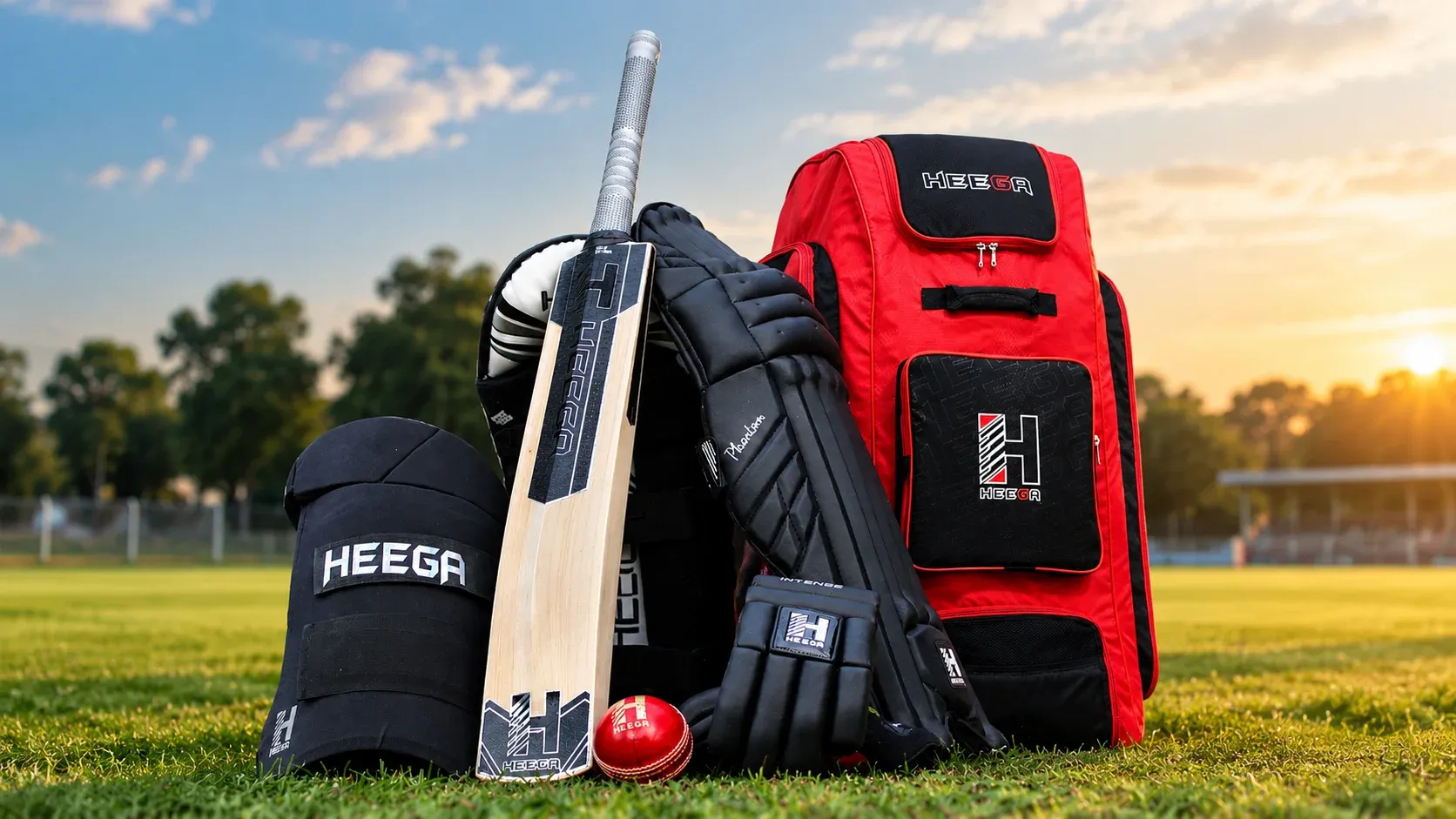
Bulk Cricket Equipment for Clubs: Overseas Buying Guide
Ordering Cricket Equipment for a Club or Academy: An Overseas Buyer's Checklist
Buying cricket equipment in bulk for a club or academy starts with a player list, not a product catalogue. Count your players, group them by age and playing level, decide what each player owns and what the club shares, and then ask suppliers to quote against the same written list. That approach makes it easier to compare prices and avoid discovering on delivery that a junior has an adult bat, a left-handed batter has the wrong pads, or the team has no spare practice balls.
Whether you're coordinating a junior academy in the United Kingdom, an emerging club in the United States, or a community team in Australia or Europe, the aim is the same: useful gear, in the right quantities, ready for training and match day.
1. Build two lists: individual kits and shared club equipment
Not every item needs to be purchased for every player. Start with what the club provides, then list personal equipment separately. Sharing protective items requires particular care because hygiene, fit and safety matter.
| Individual player needs | Shared club or academy needs |
| Bat suited to height, playing level and ball type | Spare bats for coaching demonstrations |
| Batting gloves and correctly sized pads | Practice balls and match balls, specified by type |
| Appropriate helmet and personal protection | Stumps, bails, cones and practice aids |
| Cricket shoes and clothing | Nets, fielding tools, kit bags and storage |
| Wicketkeeping equipment for designated keepers | Spare grips and maintenance accessories |
A simple example: a club with 25 registered players may not need 25 sets of stumps, but it may need several pairs of pads across different sizes for newcomers. These figures are planning examples, not Heega package specifications.
2. Count players by age, size and role
A bulk quantity is only useful when it reflects the people who will use it. Ask coaches to fill in a roster before requesting a quote.
Record:
- Junior or adult playing group, plus relevant player height measurements
- Bat size and preferred approximate weight where known
- Right- or left-handed batting requirements
- Pad and glove size, including wicketkeeper requirements
- Leather-ball, tennis-ball or other practice format
- Any accessibility or special-fit requirements
Don't select bat size by age alone. Children of the same age can differ considerably in height and strength. Where possible, use manufacturer sizing guidance and actual fit checks.
For help with individual bat preferences, see Heega's [cricket bat buying guide for overseas players](https://heegasports.com/posts/buying-a-cricket-bat-from-india-a-guide-for-overseas-buyers). That article addresses single-bat buying; this checklist addresses team procurement.
3. Write specifications that suppliers can actually quote
Avoid asking for “20 good bats and some gloves.” Two suppliers can interpret that request very differently. A clearer request might look like this:
| Product | Quantity (example) | Specification to confirm |
| Junior cricket bats | 12 | Sizes grouped by measured player fit; willow type; ball compatibility |
| Adult cricket bats | 8 | Size, intended ball, grade and acceptable weight range |
| Batting gloves | 20 pairs | Size breakdown and handedness if applicable |
| Batting pads | 20 pairs | Size range and right-/left-handed requirements |
| Cricket balls | 6 dozen | Ball material, weight/size, colour and training or match use |
| Stump sets | 4 | Material, dimensions and ground or indoor use |
The quantities above are hypothetical. Replace them with your own player roster and coach-approved needs. For helmets and protective equipment, ask about relevant standards, exact sizing and intended use rather than assuming all products are suitable for every league.
4. Decide whether you need standard Heega products or your own branding
Clubs typically have two distinct routes:
Standard branded equipment: Suitable when you want ready-made items or a mixed selection without commissioning a new product design. Confirm stock, sizes and actual dispatch dates.
Custom or private-label equipment: Suitable when the club wants its identity on approved items or when a retailer or academy intends to develop a bespoke line. This route may involve artwork, mockups, samples and production approvals.
Heega describes OEM and private-label supply through its [bulk and dealer inquiry page](https://heegasports.com/dealers). Its publicly stated starting quantity is 50 pieces for an initial OEM run, with individual quotations depending on product mix and specification. That does not mean every mixed club order must meet the same threshold. Ask for a written quote suited to your basket. <https://heegasports.com/dealers>
5. Request a sample when fit, colour or branding is critical
A sample is useful for first-time buyers, especially when ordering custom branding or unfamiliar protection sizes. Confirm the following before approving an entire batch:
1. Bat: size, weight range, shape, handle and finish, as applicable.
2. Protective gear: size charts, fit, stitching, fastening and intended level of protection.
3. Club branding: logo position, colour reference, spelling and artwork proof.
4. Packaging: unit labelling and how sizes are separated in the shipment.
5. Final approval: which sample or approved mockup will be used as the production reference.
Ask whether sampling is available, what it costs and whether the fee is credited to a larger order. Do not assume a sample and a full batch will be identical in every natural-willow cosmetic detail.
6. Compare the delivered quotation—not just the unit price
For international orders, a cheaper unit price is not always a cheaper club purchase. Request one itemised quotation that shows:
- Exact items, quantities and sizes
- Unit prices, currency and any branding/setup costs
- Sample charges and production lead time, if relevant
- Packing and freight charges to your destination
- The agreed shipping term and which party handles customs formalities
- Destination taxes, duties or brokerage charges **if known**; otherwise identify them as estimates or recipient liabilities
- Payment terms, inspection approach and claims procedure
Import requirements vary by country, date, classification and declared value. Check the official customs guidance for your destination and confirm responsibility with the seller or customs broker rather than relying on a generic duty percentage.
Heega says international shipping is available to most destinations; published shipping terms note that applicable import duties are payable by the recipient. See its [FAQ](https://heegasports.com/faq) and request a route-specific quote.
7. Plan backwards from the first training session
Make a schedule with at least four checkpoints: specification agreement, sample/artwork approval (if applicable), manufacturing or picking, and international transit/customs.
Heega's published OEM information indicates that custom private-label manufacturing can take approximately 30–45 days after sample and artwork approval, with express-air transit often described as around 4–5 days. Neither estimate should be treated as a guaranteed club delivery date: final timing depends on the order, stock, destination, customs and carrier service. Verify a dispatch and delivery plan in writing before committing to a tournament or opening-day deadline. <https://heegasports.com/>
For in-stock team gear, confirm whether every requested size is available before calculating the timeline.
8. Check the order immediately when it arrives
Assign one person to receive the delivery and compare it against the packing list. Count cartons and pieces, separate by product and size, photograph visible damage and report discrepancies promptly. Do not wait until the first training session to discover missing items.
Keep the final quotation, approved artwork, invoice, tracking details and supplier correspondence together. They will help with reorders when new players join or a popular size runs low.
9. An overseas cricket club's ready-to-send inquiry checklist
Copy this checklist into your message to suppliers:
- [ ] Club/academy name and contact person
- [ ] Destination country, city and postal code
- [ ] Number of players, ages or height groups, and playing level
- [ ] Ball format and training/match use
- [ ] Product-by-product quantity and size breakdown
- [ ] Left-/right-handed equipment requirements
- [ ] Standard Heega products or custom branding?
- [ ] Logo/artwork status and whether samples are needed
- [ ] Budget range and requested currency
- [ ] Required arrival date and any fixed tournament deadline
- [ ] Request for an itemised delivered quote and customs responsibility
Example message:
“Hello Heega Sports. We run a cricket academy in [country] with [number] players. We need bats, gloves, pads and practice balls in the sizes listed in our attached sheet. We prefer [standard Heega/custom branding] and would like to know sample options, the total shipped quote to [postcode], and whether delivery before [date] is feasible. Please list lead times and destination charges separately.”
Frequently asked questions
Where can a cricket club buy equipment in bulk from India?
Look for an established supplier able to quote itemised quantities, sizes, specifications and shipping terms. [Heega Sports](https://heegasports.com/dealers) offers a bulk/OEM inquiry route for cricket clubs, academies and trade buyers.
Do all cricket academy players need their own cricket bat?
Not necessarily. Some clubs provide shared practice bats, while players bring personal equipment. Plan shared and personal stock separately according to training format, size fit, hygiene and club policy.
Can a club buy standard Heega gear without creating a private-label brand?
Ask Heega for a standard-product club quotation. Private-label production is a separate option; do not assume its MOQ or development stages apply unchanged to every ordinary team purchase.
How long does it take to receive cricket equipment from India?
It depends on stock availability, custom work, destination and customs clearance. Ask the supplier to distinguish production or preparation time from transit time; treat published delivery examples as estimates, not a guaranteed arrival date.
What should I send to get an accurate bulk cricket equipment quote?
Send product quantities, size and handedness breakdown, ball format, branding needs, destination postcode and required date. That information is generally more useful than just stating your budget.
Final word: organise the order before you negotiate it
A good overseas club purchase is not simply the one with the lowest line-item price. It is an order the coaches can use, the players can fit, the treasurer can understand and the supplier can fulfil against a shared written specification.
If you're planning a season, launching an academy or replacing ageing team kits, gather the roster and checklist first. Then [contact Heega Sports for a bulk cricket equipment quotation](https://heegasports.com/dealers) and discuss what is practical for your players and destination.
Related posts
 The Complete Pre-Season Cricket Gear Checklist: From Bat Maintenance to Protective Armour.Get match-ready with the ultimate pre-season cricket gear checklist. Learn how to inspect, restore, and maintain your bats, protective armour, spikes, and kit bag.
 The Ultimate Knocking-In & Bat Maintenance Guide for Overseas CricketersLearn how to knock in and maintain your cricket bat for overseas cricket, including oiling, moisture control, storage, repairs, travel, and seasonal care.
 English Willow vs. Kashmir Willow: How to Choose the Right Timber for Overseas PlayCompare English Willow vs Kashmir Willow for overseas cricket and learn how climate, pitch conditions, durability, performance, maintenance, and budget affect your choice.