Cricket Safety Essentials: Why Leg Guards Are Non-Negotiable
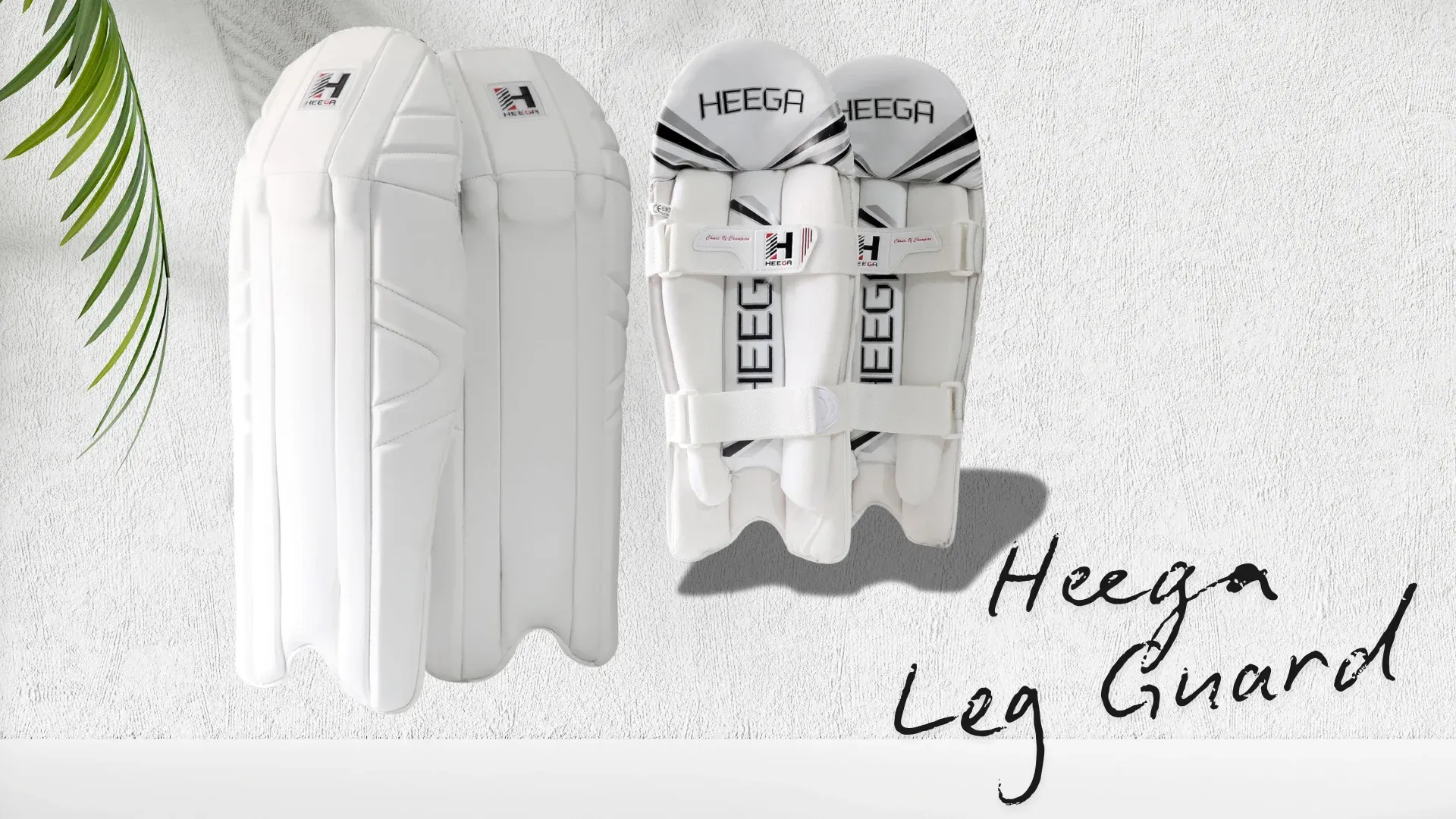
Cricket is not just a sport—it’s an emotion for millions of players and fans around the world. While it’s known for its grace, strategies, and spectacular performances, the reality is that cricket can be dangerous without the right protective gear. Among all the equipment a batsman wears, leg guards (also known as batting pads) are one of the most important. They safeguard the player from injuries that can occur due to the sheer impact of a fast-moving cricket ball.
A cricket ball is hard, solid, and weighs up to 163 grams, which doesn’t sound much until you realize it can travel at speeds of over 150 km/h in the hands of a professional fast bowler. Getting hit on the shin or knee without proper protection can result in severe bruising, fractures, or even long-term damage.
This is why leg guards are non-negotiable for every batsman, from beginners to professionals. In this detailed guide, we will explore why leg guards are essential, the science behind their design, features to look for, mistakes to avoid, care tips, and buying recommendations.
1. Why Cricket Safety Is Important
Before we dive deep into leg guards, it’s essential to understand why safety in cricket matters so much. Cricket is a contact sport where the ball is made of leather and cork, making it extremely hard and capable of causing serious harm upon impact. Unlike many sports where injuries happen due to player collisions, in cricket, the ball itself is the biggest threat.
Here are some facts:
- Fast bowlers deliver at speeds between 130–160 km/h.
- Bouncers are aimed at the upper body and can unexpectedly strike the legs.
- Even spinners can cause damage if the ball hits an unprotected area at short range.
Leg guards minimize this risk by providing a shock-absorbing barrier between your legs and the ball.
2. The Role of Leg Guards in Cricket
Leg guards are specifically designed to protect the shin, knee, and part of the lower thigh from direct impact. Their purpose is not just protection but also comfort and flexibility, so the player can run between wickets without restriction.
Key Protection Areas
- Shin Bone: The most vulnerable part that faces the ball first.
- Knee Cap: A sensitive joint that can be severely damaged by impact.
- Lower Thigh: Provides partial coverage when the player crouches.
Without pads, even a gentle tap from a cricket ball can cause painful bruises. Imagine what a 150 km/h delivery could do.
3. Evolution of Leg Guards
In the early days of cricket, players used minimal protection, and injuries were common. Traditional leg guards were made of thick leather and cane strips that offered good protection but were extremely heavy. Over time, with advancements in sports technology, pads have become:
- Lightweight (for better movement)
- Stronger (with high-density foams)
- More Comfortable (with soft inner linings)
Today’s modern pads are designed for maximum safety without compromising mobility.
4. Why Leg Guards Are Non-Negotiable
Some casual players or beginners skip leg guards thinking they are unnecessary for friendly matches. That’s a huge mistake! Here’s why:
Protection Against Serious Injuries
A single fast delivery can cause fractures, swelling, and ligament damage. Pads absorb and distribute the force, reducing the impact.
Confidence at the Crease
When you know your legs are protected, you focus on your shots instead of worrying about injuries.
Mandatory in Professional Cricket
Cricket laws require batsmen to wear pads during matches. Umpires can even deny you participation without proper gear.
Prevents Long-Term Damage
Repeated minor injuries can lead to long-term problems like shin splints and chronic pain.
5. Features of a High-Quality Leg Guard
Choosing the right leg guard is as important as wearing one. Here are the features to check:
Material
- Outer Shell: Made of PU (Polyurethane) or PVC for durability.
- Inner Padding: High-density foam for shock absorption.
- Cane Inserts: Traditional design for added strength.
Weight
Lightweight pads allow better running and quick movements.
Fit
Pads should cover from the ankle bone to above the knee without leaving gaps.
Knee Protection
Look for knee rolls with extra cushioning.
Straps
Adjustable straps ensure a snug fit and prevent slipping during play.
Flexibility
Pads should bend easily for crouching and running without discomfort.
6. Different Types of Leg Guards
Leg guards vary based on player roles and formats.
a) Batting Pads
- Designed for batsmen.
- Heavy-duty protection for facing fast bowlers.
- Best suited for long formats like Tests and ODIs.
b) Wicket-Keeping Pads
- Lighter and shorter for agility behind the stumps.
- Less bulky compared to batting pads.
c) Junior Pads
- Smaller in size for young cricketers.
- Lightweight but still protective.
7. Common Mistakes Players Make
Even if players buy pads, they often make mistakes that reduce their effectiveness:
- Wrong Size: Pads that are too small expose the shin; too big restrict movement.
- Skipping Pads in Practice: Many players skip pads during nets, risking injuries.
- Choosing Price Over Quality: Cheap pads often lack adequate protection.
- Loose Straps: If straps are not tightened properly, pads can slip during play.
8. How to Maintain Your Leg Guards
Good maintenance ensures durability and hygiene.
- Wipe After Every Game: Use a damp cloth to remove dirt and sweat.
- Air Them Out: Avoid storing pads in a closed bag immediately after use.
- Avoid Excessive Heat: Direct sunlight can damage the padding material.
- Replace Worn Straps: Loose straps compromise safety.
9. How Professionals Use Leg Guards
Professional cricketers invest in custom-fitted, lightweight leg guards made from premium materials. They also rotate pads regularly and ensure proper fit before every match. Many use extra inner padding or thigh guards for added protection.
10. Buying Guide: How to Choose the Best Leg Guards
Here are quick tips before you buy:
- Measure Your Leg: Pads should fit comfortably without dragging on the ground.
- Check Weight: Heavy pads can tire you out during long innings.
- Test Flexibility: Bend and walk wearing them.
- Prefer Reputed Brands: Trusted brands offer better safety and durability.
11. Future of Leg Guards
With modern technology, companies are experimenting with:
- Carbon fiber inserts for ultra-lightweight strength
- 3D-molded knee protection
- Moisture-wicking inner lining for comfort
Soon, we might see smart pads with sensors that track impact and movement.
Conclusion
Cricket is a game of passion, but safety should always come first. Leg guards are not optional—they are essential for every batsman who values both performance and health. They provide unmatched protection, boost confidence, and keep you on the field for longer without injuries. So next time you gear up, remember: No pads, no play!
Get the Best Leg Guards for Maximum Safety!
Don’t compromise on protection. Choose from our premium collection of leg guards designed for all formats and levels.
Shop Now
Related posts
 Wicket Keeping Leg Guards Explained: Fit, Flexibility and Protection for Faster Movement Behind the StumpsDiscover how to choose wicketkeeping leg guards with the right fit, flexibility, and protection for quicker movement, comfortable crouching, and confident keeping.
 Cricket Leg Guards Explained: How Fit, Protection, and Comfort Improve Batting ConfidenceLearn how cricket leg guards provide protection, comfort, fit, and confidence while batting, plus tips for choosing and maintaining the right pair.
 How Cricket Equipment Is Designed to Balance Performance, Comfort, and SafetyDiscover how modern cricket equipment is designed to balance performance, comfort, and safety. Learn about the engineering behind cricket bats, balls, helmets, gloves, pads, shoes, and gear used by players across Nepal, Germany, USA, Canada, the Netherlands, and the UK.