How Cricket Helps Players Become Better Communicators On and Off the Field
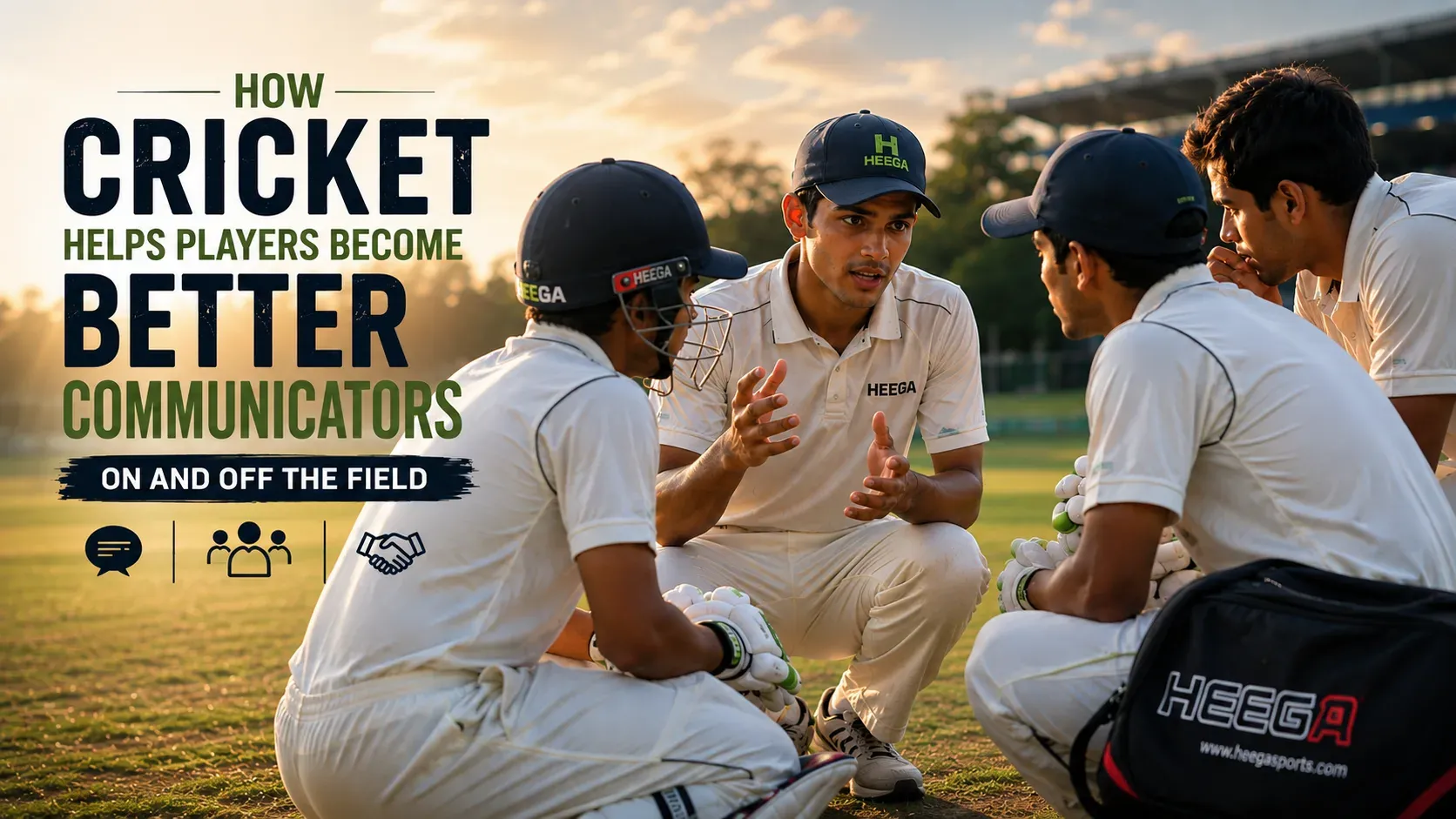
Introduction: Cricket Is Built on Communication
Cricket is often associated with batting, bowling, and fielding skills.
Players spend hours improving technique, fitness, and match awareness.
Yet one of the game's most valuable lessons is rarely discussed.
Cricket teaches communication.
Every successful cricket team depends on players who communicate clearly, honestly, and confidently.
A simple call between batters can save a wicket.
A conversation between a bowler and captain can change the course of a match.
A few encouraging words from a teammate can restore confidence after a difficult over.
Communication is not simply about talking.
It also involves listening, observing, understanding emotions, and delivering the right message at the right time.
These abilities are just as valuable away from the cricket ground.
They improve relationships at school, in university, at work, and in everyday life.
Across Nepal, Germany, the United States, Canada, the Netherlands, and the United Kingdom, cricket continues helping players develop communication skills that remain useful long after their playing careers have ended.
Cricket Is a Team Game
Although individual performances receive attention, cricket is ultimately a team sport.
Every player depends on teammates.
This naturally encourages regular communication.
Players constantly exchange information to help the team succeed.
Running Between the Wickets Builds Trust
One of cricket's simplest yet most important communication skills is calling while running.
Batters must quickly communicate:
- Yes.
- No.
- Wait.
Clear calls prevent confusion and reduce unnecessary run-outs.
Trust develops through consistent communication.
Bowlers and Captains Work Together
Every over involves ongoing conversations.
Captains and bowlers regularly discuss:
- Field placements.
- Bowling plans.
- Batter weaknesses.
- Match situations.
Successful partnerships depend on open communication.
Wicketkeepers Guide the Team
Wicketkeepers often become the team's communicators.
Standing behind the stumps allows them to:
- Encourage bowlers.
- Advise captains.
- Support fielders.
- Keep team energy high.
Their communication helps maintain focus throughout long matches.
Fielders Share Information Constantly
Fielders communicate about:
- Catching opportunities.
- Throwing decisions.
- Back-up positions.
- Ball movement.
Effective teamwork depends on players sharing information quickly and accurately.
Listening Is Just as Important
Good communication requires listening as well as speaking.
Players learn to:
- Accept coaching.
- Understand captain instructions.
- Learn from teammates.
- Consider different opinions.
Strong listeners often become better leaders.
Encouragement Improves Confidence
Positive communication has a direct influence on performance.
Simple encouragement can help teammates:
- Stay calm.
- Recover after mistakes.
- Maintain confidence.
- Keep working hard.
Supportive teams often perform more consistently.
Handling Conflict Respectfully
Disagreements occasionally happen in every team.
Cricket teaches players how to:
- Stay respectful.
- Discuss problems calmly.
- Find solutions together.
- Move forward professionally.
These conflict-resolution skills remain valuable throughout life.
Leadership Requires Communication
Captains constantly communicate with:
- Bowlers.
- Batters.
- Fielders.
- Coaches.
- Umpires.
Clear communication helps leaders build trust and maintain team unity.
Coaches Develop Communication Skills
Modern coaches encourage players to:
- Ask questions.
- Share ideas.
- Reflect on performances.
- Give constructive feedback.
Open communication creates better learning environments.
Nepal: Cricket Encouraging Team Unity
As cricket continues growing across Nepal, players increasingly develop communication and teamwork through academy programs and competitive matches.
Germany: Bringing People Together Through Cricket
German cricket clubs often include players from diverse cultural backgrounds.
Communication helps build understanding while strengthening team relationships.
United States: Developing Leaders Through Cricket
American cricket programs increasingly emphasize communication alongside technical development, preparing players for both sport and professional life.
Canada: Multicultural Teams Strengthen Communication
Canadian cricket demonstrates how clear communication allows players from different backgrounds to work together successfully.
The Netherlands: Smart Cricket Requires Good Communication
Dutch cricket places strong emphasis on teamwork, tactical discussions, and effective communication during both training and competition.
United Kingdom: Traditional Team Values
British cricket has long recognized that successful teams depend on honest communication, mutual respect, and strong leadership.
Communication Extends Beyond the Ground
The communication skills developed through cricket help players in many areas.
They become better at:
- Public speaking.
- Presentations.
- Group discussions.
- Workplace collaboration.
- Family relationships.
Cricket prepares players for life as much as for sport.
Digital Cricket Still Depends on Communication
Even with technology supporting modern cricket, human communication remains essential.
Video analysis, performance data, and tactical planning all require players and coaches to communicate effectively.
Technology supports communication—it does not replace it.
Quality Equipment Helps Teams Focus
Reliable equipment allows players to concentrate on teamwork rather than worrying about performance issues.
Essential gear includes:
- Kashmir Willow cricket bats.
- Leather cricket balls.
- Cricket helmets.
- Batting gloves.
- Batting pads.
- Cricket shoes.
- Practice nets.
- Cricket kit bags.
Confidence in equipment supports better communication on the field.
How Heega Sports Supports Every Team
At Heega Sports, we believe great cricket begins with strong teamwork and effective communication.
We proudly support:
- Schools.
- Academies.
- Clubs.
- Coaches.
- Community teams.
- Competitive players.
Our collection includes:
- Kashmir Willow cricket bats.
- Leather cricket balls.
- Practice balls.
- Cricket helmets.
- Batting gloves.
- Batting pads.
- Cricket shoes.
- Practice nets.
- Cricket kit bags.
- Training accessories.
Dependable equipment allows teams to focus on working together and performing at their best.
Final Thoughts
Communication is one of cricket's most powerful yet often overlooked lessons.
Every match teaches players how to speak clearly, listen carefully, encourage teammates, solve problems, and lead with confidence.
Across Nepal, Germany, the United States, Canada, the Netherlands, and the United Kingdom, cricket continues helping people become stronger communicators both on and off the field.
Runs may win matches.
Wickets may change games.
But communication builds teams.
And strong teams achieve lasting success.
🏏 Build Better Teams with Heega Sports
Explore premium Kashmir Willow cricket bats, leather cricket balls, practice balls, cricket helmets, batting gloves, batting pads, cricket shoes, practice nets, cricket kit bags, and training accessories designed to support every team at every level.
Shop Now
Heega Sports – Helping Teams Communicate Better, Train Better, and Play Better.
Related posts
 Cricket Rules for Kids Explained: Understanding Runs, Wickets, Overs and Fielding Positions.Learn cricket rules for kids, including runs, wickets, overs, fielding positions, batting, bowling, and basic match rules in a simple beginner's guide.
 How Cricket Fielding Drills Improve Reaction Speed and Catching.Learn how cricket fielding drills improve reaction speed, catching, throwing, agility, footwork, and confidence for players at every level.
 Why Some Cricket Grounds Feel Faster Than Others: Understanding Outfield Speed and Ball TravelWhy do some cricket grounds feel faster than others? Discover how grass, moisture, soil, weather, slope, ground maintenance, and ball condition affect outfield speed.