How to Help Your Child Improve Hand-Eye Coordination for Cricket

Introduction: Hand-Eye Coordination Is the Foundation of Cricket
Whether your child dreams of becoming a powerful batter, an accurate bowler, or a brilliant fielder, one skill supports every part of their cricket journey:
Hand-eye coordination.
Every cricket action depends on it.
A batter watches the ball before playing a shot.
A fielder judges a fast-moving catch.
A wicketkeeper reacts in fractions of a second.
Even bowlers rely on coordination to control their grip, release, and accuracy.
The good news is that hand-eye coordination isn't something children are simply born with.
It can be developed through regular practice and fun activities.
Across Nepal, Germany, the United States, Canada, the Netherlands, and the United Kingdom, youth cricket academies include coordination drills as an essential part of player development.
This guide explains how parents can help children improve hand-eye coordination using simple exercises that can be practiced almost anywhere.
What Is Hand-Eye Coordination?
Hand-eye coordination is the ability to use the eyes and hands together smoothly and accurately.
In cricket, this means:
- Watching the ball carefully.
- Judging its speed.
- Moving the body correctly.
- Using the hands at the right moment.
The stronger a child's coordination becomes, the easier cricket skills become to learn.
Why Hand-Eye Coordination Matters in Cricket
Good coordination improves:
- Batting timing
- Catching ability
- Throwing accuracy
- Bowling control
- Reaction speed
Children with better coordination often gain confidence more quickly because basic cricket skills become easier.
Start with Simple Catching Games
One of the easiest ways to improve coordination is regular catching practice.
Stand a few meters away from your child and gently throw the ball.
Encourage them to:
- Watch the ball all the way.
- Keep both hands ready.
- Catch softly.
Five to ten minutes each day creates noticeable improvement.
Practice with Tennis Balls
Tennis balls are excellent for beginners.
They are:
- Lightweight
- Safer
- Easier to catch
Children feel more confident, allowing them to focus on developing proper technique rather than worrying about getting hurt.
Bounce-and-Catch Drill
Stand facing your child.
Bounce the ball once before they catch it.
This exercise improves:
- Reaction time
- Ball tracking
- Hand positioning
As they improve, increase the speed slightly.
Wall Catch Practice
A wall can become an excellent training partner.
Ask your child to:
- Throw the ball against the wall.
- Catch the rebound.
- Repeat continuously.
This develops:
- Reflexes
- Timing
- Concentration
Even short daily sessions are highly effective.
Balloon Reaction Games
Balloons move slowly and unpredictably.
Children can:
- Tap balloons into the air.
- Catch them before they touch the ground.
- Keep them floating.
This playful exercise improves:
- Tracking ability
- Body movement
- Coordination
Young children especially enjoy this activity.
Throwing Accuracy Challenges
Place a bucket, cone, or cricket stump several meters away.
Ask your child to throw at the target.
Accurate throwing develops:
- Coordination
- Control
- Balance
Parents can turn this into a fun competition.
Batting with Soft Balls
Gentle throw-downs help children learn to connect the bat with the ball.
Encourage them to:
- Watch the ball.
- Keep their head still.
- Play controlled shots.
Batting practice naturally improves coordination over time.
Encourage Different Sports
Many sports improve coordination.
Activities such as:
- Badminton
- Table tennis
- Basketball
- Tennis
help children develop movement skills that also benefit cricket.
Playing multiple sports often creates better overall athletes.
Reduce Screen Time Before Practice
Long periods on digital devices can reduce physical activity.
Encourage outdoor play whenever possible.
Active games improve:
- Movement
- Balance
- Coordination
- Fitness
Healthy habits support better cricket performance.
Keep Practice Fun
Children improve faster when they enjoy training.
Create games such as:
- Catching competitions
- Target throwing
- Balloon challenges
- Reaction races
Fun activities encourage consistency.
Practice Little but Often
Hand-eye coordination develops through repetition.
Aim for:
- 15–20 minutes
- Three to five sessions each week
Regular practice produces better results than occasional long sessions.
Nepal: Building Future Cricketers
As cricket continues expanding across Nepal, youth academies increasingly include coordination drills as part of early player development.
Germany: Modern Cricket Training
German cricket clubs emphasize reaction training and movement skills to help beginners develop quickly.
The United States: Developing Athletic Cricketers
American youth cricket programs increasingly combine cricket coaching with athletic development exercises.
Canada: Year-Round Skill Improvement
Canadian coaches encourage children to continue coordination exercises indoors during colder months.
The Netherlands: Small Skills Create Big Improvements
Dutch academies believe consistent coordination training improves every area of cricket performance.
The United Kingdom: Strong Foundations for Success
British youth cricket has long recognized hand-eye coordination as one of the most important building blocks for young players.
How Heega Sports Supports Young Cricketers
At Heega Sports, we believe every young cricketer deserves equipment that helps them learn safely while building confidence.
Our collection includes:
- Junior cricket bats
- Premium Kashmir Willow bats
- Tennis balls
- Practice balls
- Leather cricket balls
- Plastic stumps
- Cricket helmets
- Batting gloves
- Batting pads
- Practice nets
- Cricket kit bags
- Training accessories
Quality equipment combined with regular practice helps children improve their coordination while enjoying every session.
Parent's Coordination Checklist
Help your child practice:
- ✔ Daily catching
- ✔ Bounce-and-catch drills
- ✔ Wall catching
- ✔ Target throwing
- ✔ Batting throw-downs
- ✔ Balloon reaction games
Small improvements every week build outstanding cricket skills over time.
Final Thoughts
Hand-eye coordination is one of the most valuable skills a young cricketer can develop.
It supports better batting, stronger fielding, improved bowling, and faster reactions while helping children gain confidence in every practice session.
Across Nepal, Germany, the United States, Canada, the Netherlands, and the United Kingdom, experienced coaches continue proving that consistent coordination training creates smarter, more confident, and more complete cricketers.
The best time to begin developing hand-eye coordination is today—one catch, one throw, and one practice session at a time.
🏏 Help Your Child Build Better Cricket Skills with Heega Sports
Explore premium-quality junior cricket bats, Kashmir Willow bats, tennis balls, practice balls, leather cricket balls, plastic stumps, cricket helmets, batting gloves, pads, practice nets, cricket kit bags, and training accessories designed to help every young cricketer learn, improve, and enjoy the game.
Shop Now
Heega Sports – Helping Young Cricketers Build Better Skills Through Quality Equipment and Smart Practice.
Related posts
 Why Batting Gloves Matter: Understanding Protection, Grip, Flexibility & Hand ComfortLearn why batting gloves matter for protection, grip, flexibility and comfort, plus how to choose the right cricket batting gloves for your playing level.
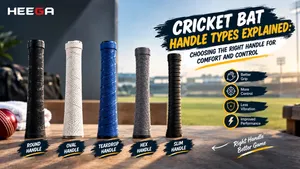 Cricket Bat Handle Types Explained: Choosing the Right Handle for Comfort and Control.Understand cricket bat handle types and learn how handle construction, flexibility, shape, grip, and comfort affect control, timing, and performance.
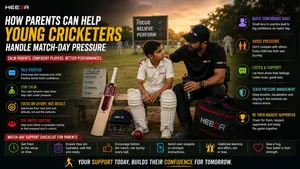 How Parents Can Help Young Cricketers Handle Match-Day PressureLearn how parents can help young cricketers handle match-day pressure, manage nerves, build confidence, and enjoy competitive cricket without unnecessary stress.