Stay Safe, Swing Hard — Choosing the Right Helmet for Your Game
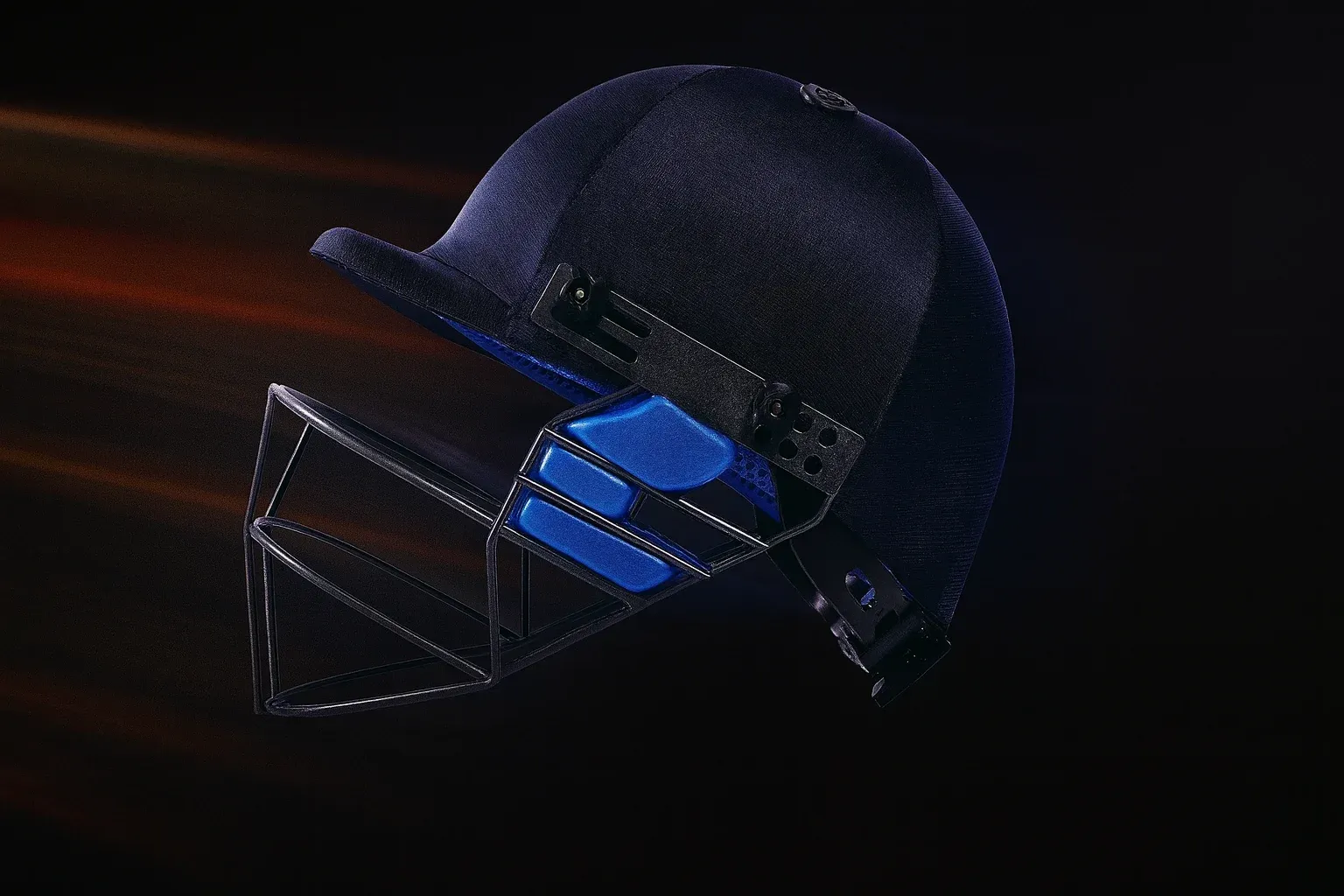
When you step onto the cricket field, your bat, gloves, and pads may give you confidence—but nothing is more crucial to your safety than your helmet. A cricket helmet is more than a piece of gear; it’s your first line of defense against fast bowlers, unexpected bouncers, and accidental deflections. Whether you’re a learner or a professional, choosing the right helmet can drastically affect your performance and your safety.
This blog breaks down why helmets matter, what to look for, and how to choose the perfect one for your game—so you stay safe and swing harder with confidence.
Why a Helmet Is Non-Negotiable in Modern Cricket
Cricket has become faster, more aggressive, and more demanding than ever. Bowlers are consistently clocking higher speeds, batters are taking more risks, and the margin for error is smaller.
A good helmet protects you against:
- High-speed deliveries that can reach 120–150 km/hr
- Unexpected bouncers that rise sharply from the pitch
- Inside edges that deflect toward the face
- Fielding misjudgments while attempting pulls, hooks or drives
- Accidental collisions on the field
Modern cricket helmets are engineered with multi-layer protection, precise fitting mechanisms, and shock-absorbing interiors to protect every cricketer—from gully players to professionals.
Key Features of a High-Quality Cricket Helmet
To choose the right helmet, you must understand what makes one helmet better than the other. Here’s what to look for:
1. Strong and Durable Outer Shell
The exterior of the helmet must be tough enough to withstand powerful impact. High-quality helmets use:
- ABS Plastic — Lightweight and durable
- Polycarbonate — Higher impact resistance
- Fiberglass or Carbon Fiber — Premium strength for professional-level protection
Your helmet should absorb the force and distribute it, minimizing injury risk.
2. Shock-Absorbing Inner Padding
The padding determines comfort and shock protection. Look for:
- EVA foam or
- High-density foam layers
The padding should wrap around your head snugly without causing pressure points.
3. A Strong and Adjustable Grill
Your grill protects your face without blocking visibility. Always ensure:
- The grill spacing prevents the ball from entering
- It is made of steel, titanium, or fiber
- It is adjustable for better vision and face safety
Titanium grills are the lightest and strongest, while steel grills are affordable and sturdy.
4. Ventilation for Airflow
A helmet should not suffocate you. Proper vents help:
- Keep your head cool
- Reduce sweat buildup
- Prevent fog on your glasses or sunglasses
Good airflow enhances comfort during long innings.
5. Customizable Fit
A helmet must fit your head securely. Look for:
- Adjustable knobs
- Chin straps
- Replaceable padding
A loose helmet is dangerous. A tight helmet affects concentration. Perfect fit is key.
6. ISI or ICC Certification
Never compromise on safety. Certified helmets undergo impact and penetration tests, ensuring:
- Maximum protection
- Reliable build quality
- Safe face and head coverage
Always buy a helmet with proper certification.
Helmet Fit: The Most Important Decision You’ll Make
A helmet can have the best features, but if it doesn’t fit properly, it’s useless.
Here’s how to check your fit:
- The helmet should sit just above your eyebrows
- The grill should align with your chin and jawline
- You should be able to move your head without wobble
- You should have clear and wide visibility through the grill
- Tighten the back knob until the helmet feels stable
Never choose a size too big for “future use.” A helmet must feel like an extension of your head.
Different Types of Helmets — Which One is Right for You?
1. Traditional Helmets
- Classic thick padding
- Good for beginners
- Affordable and reliable
2. Lightweight Modern Helmets
- Advanced materials
- Better ventilation
- Ideal for intermediate players
3. Professional Grade Helmets
- Carbon fiber/titanium
- Dynamic impact absorption
- Best for players facing faster bowlers
Choose depending on your level, playing style, and budget.
Why Comfort Matters as Much as Safety
A helmet is something you wear for the entire duration of your batting performance. If it’s uncomfortable:
- You’ll adjust it repeatedly
- Your focus will break
- Your confidence will drop
- Your game will suffer
Well-designed helmets reduce distractions and help you stay locked-in while playing your shots.
How the Right Helmet Improves Your Game
A good helmet doesn’t just protect—it enhances on-field performance.
Boosts Confidence
Confidence against fast bowlers means you play naturally, without fear.
Helps You Play Pull and Hook Shots Safely
When you trust your protection, you execute aggressive shots better.
Improves Focus
You think more clearly and maintain concentration longer.
Balanced Weight Enhances Stroke Play
A lightweight helmet keeps your head stable during shots.
Common Mistakes to Avoid While Buying a Helmet
Many players unknowingly compromise their safety. Avoid these mistakes:
- Choosing a helmet only for its brand name
- Buying a loose-fitting helmet
- Ignoring grill adjustment
- Overlooking certification
- Selecting the cheapest option without comparing features
A helmet is an investment in your safety—choose wisely.
Maintaining Your Helmet for Long-Term Use
To keep your helmet durable:
- Clean inner padding regularly
- Keep it dry after every match
- Store it away from direct sunlight
- Replace the grill if bent
- Change padding when it loses firmness
- Replace the entire helmet if it has taken a major impact
A well-maintained helmet lasts long and stays protective.
Final Thoughts — Your Safety Comes First
A cricket helmet is not optional—it’s essential. Whether you're practicing in the nets or competing in a match, the right helmet protects your head, boosts your confidence, and lets you play your shots with full power.
Stay safe. Swing hard. Play fearless.
Shop Now: Explore Premium Cricket Helmets
Related posts
 How to Choose the Right Cricket Helmet for Your Child: A Parent's Safety GuideLearn how to choose the right cricket helmet for your child. Discover expert tips on helmet size, fit, safety, comfort, age, and when young cricketers should start wearing one.
 Leather Ball Cricket Explained: How Ball Condition, Seam and Swing Influence BowlingLearn how leather ball cricket works and how ball condition, seam position, shine, and swing influence bowling accuracy, movement, and performance.
 How Young Cricketers Can Stay Motivated When Their Cricket Progress Feels SlowLearn how young cricketers can stay motivated when progress feels slow, with practical tips for setting goals, handling setbacks, practicing consistently, and building confidence.