The Complete Cricket Gear Guide: Choose Equipment That Fits Your Game

How to choose the right cricket bat, gloves, helmet, pads, shoes, clothing, and accessories based on your role, playing style, and conditions
Choosing cricket equipment can feel overwhelming.
Walk into a cricket store or browse online and you'll find countless bats, gloves, helmets, pads, shoes, bags, and accessories. Every product seems to offer something different.
But here's the truth:
The best cricket gear isn't necessarily the most expensive gear. It's the equipment that fits your game.
A beginner doesn't have the same requirements as an experienced club cricketer. A fast bowler doesn't need exactly the same setup as a wicketkeeper. A batter playing mostly on natural grass may have different footwear needs from someone training on artificial turf.
Your equipment should match your role, body, technique, playing conditions, and personal preferences.
In this complete guide, we'll break down the key cricket equipment choices and explain what to consider before upgrading your kit.
1. Start by Understanding Your Cricket Role
Before choosing equipment, start with the most important question:
What kind of cricketer are you?
Your role should influence your equipment priorities.
Batters
Batters generally need to pay particular attention to:
- Cricket bat
- Batting gloves
- Helmet
- Batting pads
- Cricket shoes
- Protective accessories
Fast Bowlers
Fast bowlers may place greater emphasis on:
- Appropriate footwear
- Stability
- Comfort
- Training equipment
- Suitable protective equipment
Spin Bowlers
Spin bowlers often benefit from equipment that supports:
- Mobility
- Footwork
- Comfort
- Training consistency
- Suitable footwear
Wicketkeepers
Wicketkeepers have specialized requirements, including:
- Wicketkeeping gloves
- Pads
- Helmet
- Protective equipment
- Suitable footwear
All-Rounders
All-rounders need a versatile kit that supports both batting and bowling.
The smarter your understanding of your role, the easier equipment selection becomes.
2. Choosing the Right Cricket Bat
For a batter, the bat is arguably the most personal piece of equipment.
Don't choose one simply because it has massive edges or looks like a professional model.
Consider:
- Weight
- Pickup
- Balance
- Sweet-spot position
- Profile
- Handle
- Grip
- Willow type
A bat should feel manageable when you use your natural stance and backlift.
Bat Weight
A heavier bat isn't automatically more powerful.
If a bat is too heavy for you, it can affect:
- Bat speed
- Timing
- Control
- Reaction time
- Footwork
- Shot selection
Choose a weight that you can control comfortably.
Bat Pickup
Pickup refers to how heavy or light the bat feels when you lift and swing it.
Two bats with identical listed weights can feel very different because of weight distribution.
That's why pickup matters.
Sweet Spot
Different bats have different sweet-spot positions.
Your ideal choice depends on:
- Playing style
- Stroke selection
- Pitch conditions
- Personal preference
Smart tip: Whenever possible, physically test a bat before purchasing it.
3. Choosing the Right Batting Gloves
Batting gloves provide both protection and control.
They should protect your hands without making it difficult to grip and maneuver the bat.
Look for:
- Finger protection
- Thumb protection
- Comfortable fit
- Secure wrist closure
- Flexibility
- Suitable grip
A glove that's too loose can move around.
A glove that's too tight may restrict your fingers.
Smart choice
Grip a bat while wearing the gloves.
Open and close your hands.
Move your fingers.
Make sure you can hold the bat naturally.
4. How to Choose a Cricket Helmet
A cricket helmet is one piece of equipment where safety should always come before appearance.
When choosing one, consider:
- Correct size
- Secure fit
- Visibility
- Grille positioning
- Chin-strap adjustment
- Ventilation
- Applicable safety standards
A helmet shouldn't become a distraction while batting.
Before buying
Put it on and adjust it according to the manufacturer's instructions.
Move your head.
Look around.
Take your normal batting stance.
Make sure it remains appropriately positioned.
If protective equipment has experienced a significant impact or shows damage, follow the manufacturer's inspection and replacement guidance.
5. Choosing Batting Pads
Batting pads need to provide appropriate protection while allowing you to move naturally.
You may need to:
- Move down the pitch
- Play back-foot shots
- Shuffle across the crease
- Run between wickets
- Change direction quickly
Consider:
- Protection
- Weight
- Fit
- Knee alignment
- Straps
- Comfort
- Mobility
Lightweight pads can feel more comfortable, but reducing weight should never mean compromising appropriate protection.
6. Choosing the Right Cricket Shoes
Cricket shoes are often underestimated.
But your feet provide the foundation for almost every cricket movement.
Your footwear needs to match your playing environment.
Consider whether you play on:
- Natural grass
- Artificial turf
- Hard training surfaces
- Indoor cricket surfaces
- Different seasonal conditions
Different surfaces can require different sole designs.
For Batters
Consider traction, comfort, stability, and movement.
For Fast Bowlers
Footwear should support the demands of repeated run-ups and delivery strides.
For Fielders
Comfort and reliable traction can be important for sprinting and changing direction.
Smart choice
Don't choose cricket shoes solely because they look professional.
Choose them for the surface and movements you'll actually encounter.
Always follow manufacturer recommendations.
7. Cricket Clothing Matters More Than You Think
Cricket matches can involve long periods of activity.
Your clothing needs to support comfort throughout the session.
Look for:
- Breathability
- Comfortable fit
- Flexibility
- Moisture management
- Durability
Whether you're batting, bowling, or fielding, clothing should allow natural movement.
Avoid equipment that becomes a distraction during play.
8. Choosing a Cricket Bag
A cricket bag is responsible for carrying and protecting much of your kit.
Before choosing one, consider what you actually carry.
A useful cricket bag may include:
- Bat compartments
- Helmet storage
- Shoe compartments
- Clothing sections
- Accessory pockets
- Ventilated areas
- Durable zippers
- Comfortable straps
Don't automatically buy the largest bag available.
A bag should be large enough for your equipment without becoming unnecessarily difficult to carry.
9. Protective Cricket Accessories
Your protective requirements depend on your role, level, age, and playing environment.
Depending on your needs, accessories may include:
- Abdominal protection
- Thigh guards
- Arm guards
- Chest protection
- Inner gloves
- Wicketkeeping protection
You don't need every accessory.
The goal is to identify the areas that require protection and choose suitable equipment accordingly.
10. Choosing Training Equipment
Training equipment should have a purpose.
Before buying anything, ask:
"What skill am I trying to improve?"
For batting, you may use:
- Throw-down equipment
- Batting targets
- Training balls
- Practice nets
For fielding and movement:
- Cones
- Agility equipment
- Reaction drills
For bowling:
- Targets
- Training balls
- Stumps
The best training equipment is equipment you'll actually use consistently.
11. Match Your Equipment to Your Playing Conditions
Equipment should reflect your environment.
Think about:
Pitch
Is it fast, slow, hard, or soft?
Ground
Are you playing on natural grass or artificial turf?
Weather
Will you regularly deal with heat, humidity, rain, or cold?
Format
Are you playing:
- T20
- One-day cricket
- Longer-format cricket
- Training matches
Different conditions can influence equipment choices.
12. Choose Equipment That Matches Your Skill Level
Your requirements can change as you improve.
Beginners
Prioritize:
- Correct sizing
- Basic protection
- Comfort
- Durability
- Value
Junior Players
Pay close attention to:
- Proper fit
- Appropriate weight
- Protection
- Adjustability
Club Cricketers
You may begin prioritizing:
- Performance
- Comfort
- Durability
- Playing conditions
Advanced Players
You may care more about:
- Precise fit
- Weight distribution
- Construction
- Specialized equipment
- Long-session comfort
Your cricket kit should develop alongside your game.
13. Don't Buy Gear Just Because a Professional Uses It
Professional cricketers are great sources of inspiration.
But their equipment is often highly personalized.
They may use:
- Customized bats
- Professionally fitted helmets
- Specialized footwear
- Individual protection
- Equipment built around their technique
Instead of asking:
"What does my favorite player use?"
Ask:
"Why does that equipment work for them?"
Then decide whether you have the same requirements.
14. Don't Assume the Most Expensive Gear Is the Best
Price is only one part of the equation.
A premium bat may be too heavy.
An expensive helmet may not fit correctly.
A high-end shoe may not suit your playing surface.
A costly pair of gloves may not match your hand size.
Think about:
Fit + Function + Protection + Comfort + Durability + Value
before considering price alone.
15. Test Equipment Before You Commit
If you have the opportunity to test equipment, use it.
Test a Bat
Take your stance.
Practice your backlift.
Try several controlled movements.
Test Gloves
Grip the bat.
Move your fingers.
Check wrist comfort.
Test Pads
Walk.
Bend your knees.
Move sideways.
Test Helmet
Adjust the fit.
Move your head.
Check visibility.
Test Shoes
Walk.
Run.
Stop.
Change direction.
Realistic movement can reveal issues that aren't obvious when standing still.
16. Fit Is Often More Important Than Features
Modern cricket equipment can come with plenty of features.
But features don't matter if the equipment doesn't fit you.
A helmet that doesn't sit correctly isn't ideal.
Pads that constantly shift can become distracting.
Loose gloves can affect grip.
Shoes that don't fit properly can become uncomfortable.
Start with fit.
Then evaluate features.
17. Comfort Can Influence Concentration
Cricket requires concentration.
A batter needs to read the bowler.
A bowler needs to focus on their plan.
A fielder needs to anticipate the ball.
Equipment that causes discomfort can create unnecessary distractions.
Good equipment should allow you to think about the game rather than constantly adjusting your kit.
The best equipment often feels almost invisible once the match begins.
18. Maintain Your Cricket Equipment
Buying good equipment is only the beginning.
Proper maintenance can help preserve your gear.
Bat
Follow appropriate care and knocking-in guidance.
Gloves
Allow them to air after use and inspect them regularly.
Pads
Check straps, stitching, and protective sections.
Helmet
Inspect the shell, grille, padding, and straps.
Shoes
Clean according to manufacturer guidance and inspect the soles.
Bag
Check zippers, stitching, and compartments.
A few minutes of maintenance can help prevent avoidable problems.
19. Know When to Replace Equipment
Equipment doesn't last forever.
Look for:
- Cracks
- Broken straps
- Damaged padding
- Loose components
- Excessive wear
- Poor fit
- Structural damage
Protective equipment deserves particular attention.
If equipment has experienced a significant impact, follow the manufacturer's recommendations regarding inspection or replacement.
Don't compromise safety simply to get a few more matches out of old equipment.
20. Upgrade Your Kit One Step at a Time
You don't need to replace your entire cricket kit at once.
Instead, identify your biggest equipment problem.
If your bat feels too heavy
Explore a more manageable weight or pickup.
If your gloves feel uncomfortable
Reassess sizing and design.
If your pads restrict movement
Look at fit, knee alignment, and mobility.
If your shoes feel unstable
Check the fit and surface compatibility.
If your helmet shifts
Review sizing and adjustment.
This approach helps you spend money where it can make the biggest practical difference.
The Ultimate Cricket Gear Checklist
Before purchasing any equipment, ask these questions:
1. Does it fit correctly?
Poor fit can create discomfort and distraction.
2. Does it suit my role?
Your equipment should reflect how you play.
3. Is it appropriate for my playing conditions?
Surface and environment matter.
4. Is it comfortable?
Remember that matches and training sessions can be long.
5. Does it allow natural movement?
Mobility is important for every cricket role.
6. Does it provide appropriate protection?
Safety should never be an afterthought.
7. Do I actually need its features?
Don't pay for features you won't use.
8. Is it durable enough for my usage?
Training frequently requires equipment that can handle repeated use.
9. Does it offer good value?
Look beyond the price tag.
10. Will it solve a specific problem?
If you can't identify the problem, you may not need the upgrade.
Build Your Cricket Kit Around Your Game
A useful cricket kit doesn't have to contain everything.
It needs the right things.
For a batter, that might mean:
Bat + Gloves + Helmet + Pads + Shoes + Protection + Bag
For a bowler:
Shoes + Training Equipment + Clothing + Protection + Bag
For a wicketkeeper:
Wicketkeeping Gloves + Pads + Helmet + Protection + Shoes + Bag
The exact combination will vary.
That's the point.
Your kit should be personal.
The Right Equipment Supports Better Preparation
Good equipment can make preparation smoother.
Before a match, you want to think about:
- Your batting plan
- Your bowling strategy
- The pitch
- The opposition
- Field positions
- Match conditions
You don't want to spend the first few overs worrying about equipment problems.
When your gear fits and functions properly, you can focus more completely on cricket.
Gear Is Not a Shortcut to Better Cricket
It's important to remember what equipment can and cannot do.
The right gear can support:
- Comfort
- Protection
- Mobility
- Control
- Confidence
- Concentration
But equipment cannot replace:
- Quality practice
- Coaching
- Fitness
- Technique
- Tactical awareness
- Match experience
- Mental preparation
Think of your equipment as a support system.
You still have to build the player.
A Smarter Way to Upgrade Your Cricket Kit
If you're unsure where to start, use this simple process:
Step 1: Identify the problem
What isn't working with your current equipment?
Step 2: Identify the cause
Is it weight, fit, comfort, surface, durability, or something else?
Step 3: Research your options
Compare products based on relevant specifications.
Step 4: Test where possible
Use realistic movements.
Step 5: Choose based on your needs
Don't let popularity or appearance make the decision for you.
Step 6: Maintain the equipment
Look after it once you buy it.
This approach makes equipment upgrades more intentional.
Final Thoughts
The complete cricket gear guide can be summed up in one simple principle:
Choose equipment that fits your game.
Not someone else's game.
Not a professional player's game.
Not the latest trend.
Your game.
Choose a cricket bat that you can control.
Choose gloves that fit your hands.
Choose a helmet that fits securely and meets appropriate safety requirements.
Choose pads that protect while allowing natural movement.
Choose shoes that suit your playing surface.
Choose clothing that keeps you comfortable.
Choose a cricket bag that fits your equipment.
Choose protective accessories based on your role and needs.
And maintain everything properly.
At Heega Sports, we believe cricket equipment should help players feel prepared, comfortable, and confident on the field. From cricket bats and batting gloves to helmets, pads, shoes, bags, accessories, and sportswear, the right choice starts with understanding what your game actually requires.
You don't need the biggest kit.
You don't need the most expensive equipment.
You don't need to copy anyone else.
You need equipment that works with you.
Because when your cricket gear fits your game, you can spend less time thinking about your equipment—and more time focusing on what matters most:
the next ball.
Shop Now
Heega Sports – Quality Cricket Equipment Designed for Players From Head to Toe.
Related posts
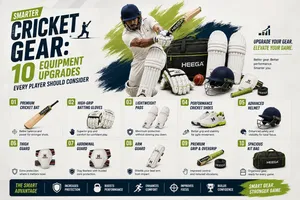 Smarter Cricket Gear: 10 Equipment Upgrades Every Player Should ConsiderDiscover 10 smart cricket gear upgrades every player should consider, from bats and batting gloves to helmets, pads, shoes, bags, clothing, training equipment, and protective accessories.
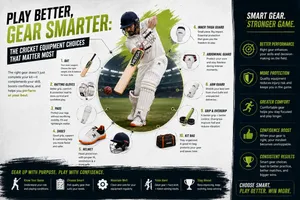 Play Better, Gear Smarter: The Cricket Equipment Choices That Matter MostLearn how to choose smarter cricket equipment, from bats and batting gloves to helmets, pads, cricket shoes, bags, clothing, and protective accessories, to support comfort, control, mobility, confidence, and performance.
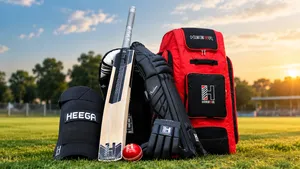 Ordering Cricket Equipment for a Club or Academy: An Overseas Buyer's ChecklistOrdering cricket equipment for your club or academy from overseas? Use this checklist for bats, protective gear, quantities, samples, shipping and quotations.