What Should Young Cricketers Pack in Their Cricket Kit Bag?

Introduction: A Cricket Kit Bag Is More Than Just a Bag
For a young cricketer, getting ready for practice or a match can be exciting.
The bat is packed.
The cricket shoes are ready.
The player is eager to get onto the ground.
But there is one thing that can make the entire experience much easier:
A well-organized cricket kit bag.
A cricket kit bag keeps essential equipment together and makes it easier for players to prepare before training and matches.
For young cricketers, this is also an opportunity to develop responsibility.
Instead of depending on parents or coaches to remember every item, players can gradually learn how to prepare their own kit.
A well-packed bag can help prevent simple problems such as forgetting batting gloves, carrying the wrong shoes, or arriving at practice without enough water.
The exact contents of a cricket kit bag will vary depending on the player's age, role, playing format, and level of cricket.
A young batter may need different items from a wicketkeeper.
A player attending a short coaching session may not need the same equipment required for a full match.
The key is to pack what is necessary without making the bag unnecessarily heavy.
This complete checklist explains what young cricketers should consider carrying in their cricket kit bag.
Why a Good Cricket Kit Bag Matters
A cricket kit bag provides more than storage.
It helps players stay organized.
A properly packed bag makes it easier to:
- Find equipment quickly.
- Protect valuable gear.
- Prepare before practice.
- Avoid forgetting important items.
- Develop responsibility.
- Keep personal belongings together.
For young players, organization can become an important part of learning how to behave like a responsible cricketer.
Start With the Cricket Bat
The cricket bat is usually the most important piece of equipment in a player's bag.
Young players should use a bat that is appropriate for their:
- Height.
- Strength.
- Age.
- Skill level.
- Playing requirements.
Junior players may use Size 3, 4, 5, or 6 bats.
Older juniors may progress to a Harrow bat or an adult Short Handle bat.
The most important point is to use a bat that the player can control comfortably.
Protect the Bat
The bat should be stored carefully inside the kit bag.
Players should avoid throwing other equipment directly onto it.
A bat cover can provide additional protection from scratches, dirt, and accidental damage.
If the bat has a protective toe guard or other suitable protection, players should make sure it remains in good condition.
Batting Gloves
Batting gloves are essential for players who bat.
They provide protection and help the player maintain a comfortable grip.
Young players should check that their gloves:
- Fit properly.
- Allow finger movement.
- Have secure wrist fastening.
- Are in good condition.
- Do not feel excessively tight.
Players should avoid waiting until match day to discover that their gloves no longer fit.
Children grow quickly, so glove size should be checked regularly.
Batting Pads
Batting pads protect the legs while facing the cricket ball.
For young players, correctly fitted pads are especially important.
Pads should be:
- Comfortable.
- Secure.
- Appropriate for the player's size.
- Easy to move in.
Players should check the straps before leaving for practice.
Loose or damaged straps can make equipment uncomfortable during training.
Cricket Helmet
A properly fitted cricket helmet is an important part of protective equipment for young batters and wicketkeepers when required by the level and rules of play.
The helmet should fit securely and should not move excessively when the player moves their head.
Players should inspect:
- Helmet condition.
- Grille condition.
- Fastening system.
- Internal padding.
If a helmet has suffered significant impact or shows signs of damage, it should be inspected or replaced according to the manufacturer's guidance.
Young players should never treat protective equipment as optional when it is required for their activity.
Abdominal Protection
Players may also require suitable abdominal protection depending on their role and the level of cricket.
Batters and wicketkeepers commonly use protective equipment designed for this purpose.
It should be correctly positioned and comfortably secured.
Parents should make sure young players understand how and when to use protective equipment rather than simply placing it in the bag.
Cricket Shoes
Cricket shoes are another essential item.
The appropriate footwear depends on the playing surface and the player's role.
Some players may use:
- Rubber-soled cricket shoes.
- Spiked cricket shoes.
- Training shoes for non-match sessions.
Young players should avoid using unsuitable footwear simply because they forgot their cricket shoes.
Shoes should also be kept separately from clean clothing whenever possible.
Cricket Socks
Socks are easy to forget.
But they are important for comfort during long practice sessions and matches.
Players should carry an extra pair when possible.
A spare pair can be particularly useful if:
- The ground is wet.
- The player gets caught in rain.
- Socks become dirty.
- A pair gets damaged.
Small items can make a big difference on match day.
Cricket Clothing
Young cricketers should pack clothing appropriate for their session.
Depending on the situation, this may include:
- Cricket shirt.
- Cricket trousers.
- Shorts for training.
- Base layer.
- Training T-shirt.
- Sweater or sweatshirt.
- Cap.
- Sun protection clothing where appropriate.
Players should check the weather and training requirements before packing.
There is no need to carry every item for every session.
A Change of Clothes
A spare set of clothing can be useful for longer sessions and match days.
Young players may sweat heavily during training.
Having a clean shirt or pair of trousers available can make the journey home more comfortable.
For tournament days, spare clothing becomes even more useful.
Water Bottle
A water bottle should be one of the first items packed.
Young players need regular opportunities to drink during physical activity.
A reusable bottle also helps players develop good hydration habits.
Players should remember to:
- Fill the bottle before leaving.
- Drink regularly.
- Refill when necessary.
- Clean the bottle after use.
The exact amount of fluid a player needs depends on factors such as activity duration and environmental conditions.
Small Towel
A small towel is another useful item.
It can help players:
- Wipe their face.
- Dry equipment.
- Clean hands.
- Manage sweat during training.
It takes very little space in a kit bag.
Cricket Balls
Players may need to carry cricket balls for practice.
The type of ball depends on the session.
A young player may use:
- Leather cricket balls.
- Practice balls.
- Synthetic cricket balls.
- Soft training balls.
Players should follow their coach's instructions about which balls to bring.
There is no need to carry several types of balls if only one is required for the session.
Practice Equipment
Some young players may carry additional training equipment.
Depending on the coach and session, this could include:
- Training cones.
- Catching aids.
- Reaction balls.
- Throwdown equipment.
- Training markers.
However, players should avoid filling their bags with equipment they rarely use.
The coach can help determine what is actually necessary.
Cricket Kit Bag Essentials for Batters
A young batter's basic match-day kit may include:
- Cricket bat.
- Bat cover.
- Batting gloves.
- Batting pads.
- Helmet.
- Abdominal protection where required.
- Cricket shoes.
- Cricket socks.
- Match clothing.
- Water bottle.
- Towel.
Additional items can be added depending on the player's level and competition requirements.
What Bowlers Should Pack
Bowlers may need many of the same items as batters.
Their basic equipment can include:
- Cricket shoes.
- Match clothing.
- Water bottle.
- Towel.
- Training or match balls when requested.
- Personal protective equipment where required.
If the bowler also bats, they will need their full batting equipment.
What Wicketkeepers Should Pack
Wicketkeepers can have additional equipment requirements.
Their kit may include:
- Wicketkeeping gloves.
- Wicketkeeping pads or leg guards.
- Helmet.
- Abdominal protection.
- Cricket shoes.
- Match clothing.
- Water bottle.
- Towel.
Wicketkeepers should inspect their gloves and pads before every important session.
All-Rounders May Need More Equipment
All-rounders often need equipment for both batting and bowling.
This can make their kit bag heavier.
The solution is not to remove important equipment.
Instead, players should organize their bags carefully.
Items that are used only for batting can be kept together.
Training accessories can have their own section.
Small personal items can be stored in separate pockets.
Keep Protective Equipment Together
Protective equipment should be easy to find.
Young players should not have to empty their entire kit bag to locate their helmet or pads.
A simple organization system can help:
Protective gear → Batting gear → Footwear → Clothing → Personal items
The exact arrangement does not matter as long as the player knows where everything is.
Use Separate Compartments
Many cricket kit bags have multiple compartments.
Players can use them strategically.
For example:
Main Compartment
Bat, pads, gloves, and larger equipment.
Shoe Compartment
Cricket shoes and other footwear.
Small Pockets
Socks, towel, accessories, and personal items.
Side Compartments
Water bottle or other frequently used items.
Organization makes preparation faster.
Don't Make the Kit Bag Too Heavy
Young players should not feel that they need to carry every cricket accessory they own.
A heavy bag can become difficult to transport.
Before leaving, ask:
"Do I actually need this today?"
If the answer is no, it can stay at home.
This is especially important for younger children.
Pack the Night Before a Match
Match mornings can become hectic.
Packing the night before reduces stress.
Players can prepare:
- Bat.
- Gloves.
- Pads.
- Helmet.
- Shoes.
- Clothing.
- Water bottle.
- Personal items.
The next morning, they only need to complete a final check.
Create a Match-Day Checklist
Young players can keep a simple checklist inside their kit bag.
For example:
Before Leaving Home
☐ Bat
☐ Batting gloves
☐ Pads
☐ Helmet
☐ Protective equipment
☐ Shoes
☐ Socks
☐ Match clothing
☐ Water bottle
☐ Towel
☐ Any coach-requested equipment
A checklist helps children become more independent.
Check Equipment Before Practice
Players should not discover a problem after reaching the ground.
Before leaving, check:
- Are the gloves intact?
- Are the pad straps working?
- Are the shoes in the bag?
- Is the helmet in good condition?
- Is the bat dry and protected?
- Is the water bottle filled?
These checks take only a few minutes.
Don't Forget Personal Items
Cricket bags often contain more than cricket equipment.
Depending on the situation, players may need:
- Phone.
- House keys.
- Small wallet.
- Identification where required.
- School-related items.
These should be stored securely.
Young players should avoid carrying unnecessary valuables to training.
Sun Protection Can Be Useful
Outdoor cricket can involve long periods in the sun.
Depending on local conditions, players may need:
- Cap.
- Appropriate clothing.
- Sunglasses where suitable.
- Sunscreen.
Parents should help young players develop sensible sun-protection habits.
Pack Weather-Appropriate Gear
Weather can change quickly.
Depending on the location and season, a player may need:
- Rain jacket.
- Extra socks.
- Sweater.
- Warm layer.
- Spare clothing.
There is no universal weather kit.
Players should check the forecast and follow their coach's instructions.
What to Pack for a Short Coaching Session
A short coaching session does not require the full match kit every time.
A player may only need:
- Bat.
- Batting gloves.
- Helmet when required.
- Appropriate shoes.
- Water bottle.
- Training clothing.
- Any equipment requested by the coach.
Keeping the bag lighter can make transportation easier.
What to Pack for a Full Match
A full match generally requires more preparation.
The kit may include:
- Bat.
- Bat cover.
- Gloves.
- Pads.
- Helmet.
- Protective equipment.
- Cricket shoes.
- Match clothing.
- Spare socks.
- Water bottle.
- Towel.
- Sweater or additional layer.
- Personal items.
- Any team-specific equipment.
Tournament days may require even more spare clothing and equipment.
Tournament Days Need Extra Planning
Tournament cricket can involve multiple matches in one day or across several days.
Players may want to carry:
- Extra socks.
- Extra clothing.
- Additional water.
- Spare gloves.
- Backup equipment.
- Snacks as advised by parents or coaches.
- Recovery clothing.
The exact requirements depend on the tournament.
Should Young Players Carry a Backup Bat?
For important matches, a backup bat can be useful if the player has one that is suitable and already prepared.
However, younger players do not necessarily need multiple bats for every practice session.
The priority should be having one correctly sized and well-maintained bat.
Keep the Bat Dry
Moisture is not ideal for wooden cricket bats.
Players should avoid leaving their kit bag in wet areas.
After playing in damp conditions, equipment should be checked and dried appropriately.
The bat should not be stored while wet.
Clean the Kit Bag Regularly
A cricket kit bag can become dirty quickly.
Mud, grass, sweat, and dust can accumulate inside.
Players should occasionally:
- Empty the bag.
- Remove dirt.
- Air it out.
- Clean compartments.
- Check for forgotten clothing.
- Remove old packaging and rubbish.
A clean bag is easier to organize.
Don't Leave Wet Clothing Inside
Wet clothing should not remain inside the closed bag for long periods.
After training, players should remove:
- Wet socks.
- Sweaty clothing.
- Damp towels.
This helps keep the rest of the equipment cleaner.
Cricket Kit Bag Organization Teaches Responsibility
For young players, packing a kit bag is more than preparation.
It teaches:
- Responsibility.
- Organization.
- Independence.
- Planning.
- Equipment care.
These habits can eventually become part of the player's overall cricket routine.
Parents Should Let Children Pack Their Own Bags
Parents naturally want to help.
But as children become more experienced, they should gradually take responsibility for their equipment.
Parents can supervise the process.
Instead of packing everything themselves, they can ask:
"Have you checked your gloves?"
"Is your water bottle filled?"
"Do you have your cricket shoes?"
This helps children learn rather than simply relying on adults.
Don't Carry Unnecessary Gadgets
Young players may be tempted to fill their bags with gadgets and accessories.
But cricket does not require a complicated collection of equipment.
The essentials should come first.
A simple, organized kit is often better than an overloaded one.
Kit Bag Checklist for Parents
Before leaving for cricket, parents can quickly check:
Cricket Equipment
- Bat.
- Bat cover.
- Gloves.
- Pads.
- Helmet.
- Protective equipment.
- Shoes.
Clothing
- Cricket clothing.
- Socks.
- Spare clothes if needed.
- Weather-appropriate layers.
Hydration and Comfort
- Water bottle.
- Towel.
Training
- Balls if requested.
- Cones or training accessories if required.
Personal
- Keys.
- Phone if needed.
- Any required identification.
This simple system can prevent many last-minute problems.
Different Players Have Different Kit Needs
There is no single perfect cricket kit bag.
A young batter may carry more batting equipment.
A wicketkeeper needs specialized gloves and pads.
An all-rounder may need equipment for multiple roles.
A beginner attending a coaching session may need much less equipment than a player participating in a tournament.
The best kit bag is therefore the one that matches the player's actual needs.
Nepal, Germany, USA, Canada, the Netherlands, and the UK
Young cricketers around the world train in different environments.
In Nepal, players may attend local academies, clubs, schools, and community cricket programs.
In Germany, growing cricket participation is creating opportunities for young players to train and compete in organized environments.
In the United States, youth cricket programs continue developing through schools, clubs, academies, and organized leagues.
In Canada, seasonal conditions can make preparation particularly important, especially when players move between outdoor and indoor training.
In the Netherlands, young players can develop through structured clubs and coaching programs.
The United Kingdom has a long-established junior and club cricket culture with many young players participating in organized cricket.
Despite the differences between these environments, one habit is universal:
Players need to arrive prepared.
The Complete Young Cricketer's Kit Bag Checklist
Here is a simple master checklist:
Essential Equipment
☐ Cricket bat
☐ Bat cover
☐ Batting gloves
☐ Batting pads
☐ Helmet
☐ Protective equipment
☐ Cricket shoes
☐ Cricket socks
Clothing
☐ Cricket shirt
☐ Cricket trousers or appropriate training clothing
☐ Spare clothing
☐ Sweater or warm layer when needed
☐ Cap
Hydration and Comfort
☐ Water bottle
☐ Towel
Training Equipment
☐ Cricket balls if required
☐ Training cones if requested
☐ Other coach-requested equipment
Personal Items
☐ Phone if needed
☐ Keys
☐ Required identification
☐ Small personal essentials
The player does not necessarily need every item for every session.
The checklist should be adjusted according to the day's activity.
A Simple Habit: Pack, Check, Play
Young cricketers can remember three simple steps:
Pack → Check → Play
Pack
Put all necessary equipment into the bag.
Check
Review the essentials before leaving.
Play
Arrive prepared and focus on cricket.
This simple routine can save time and reduce unnecessary stress.
How Heega Sports Supports Young Cricketers
At Heega Sports, we understand that young players need dependable equipment as they learn, practice, and compete.
Our cricket range includes:
- Junior cricket bats.
- Kashmir Willow cricket bats.
- Leather cricket balls.
- Practice cricket balls.
- Batting gloves.
- Batting pads.
- Cricket helmets.
- Cricket shoes.
- Cricket kit bags.
- Practice nets.
- Training accessories.
Whether a young player is attending their first coaching session or preparing for an important match, suitable equipment can make preparation easier and more organized.
A good cricket kit is not about carrying the most equipment.
It is about carrying the right equipment.
Final Thoughts
A young cricketer's kit bag can say a lot about their preparation.
It does not need to be the biggest bag.
It does not need to contain every cricket product available.
And it certainly does not need to be overloaded.
It simply needs to contain the equipment the player actually needs for the day's activity.
A bat.
Gloves.
Pads.
Helmet.
Protective equipment.
Shoes.
Clothing.
Water.
And any additional items required by the coach or competition.
More importantly, young players should gradually learn to take responsibility for their own equipment.
Packing a cricket kit bag teaches children to plan ahead, check their belongings, look after their gear, and arrive prepared.
These may seem like small habits.
But small habits can become part of a player's wider approach to cricket.
A player who learns to prepare their kit carefully may also become more thoughtful about training, match preparation, equipment maintenance, and personal responsibility.
From Nepal, Germany, the United States, Canada, and the Netherlands to the established cricket environment of the United Kingdom, young cricketers are developing their skills in different ways.
But wherever they play, preparation remains important.
The next time a young player heads to cricket, encourage them to pack their own bag.
Use a checklist.
Keep equipment organized.
Remove unnecessary items.
Check protective gear.
Carry enough water.
And make sure everything they need is ready before leaving home.
Because a great cricket session does not always begin when the first ball is bowled.
Sometimes, it begins the night before—
when the kit bag is packed.
🏏 Pack Smart. Train Better. Play With Confidence.
Explore junior cricket bats, Kashmir Willow bats, leather cricket balls, practice balls, batting gloves, pads, helmets, cricket shoes, cricket kit bags, practice nets, and training accessories designed to support young cricketers at every stage.
Shop Now
Heega Sports – Helping Young Cricketers Prepare Better, Train Smarter, and Enjoy the Game.
Related posts
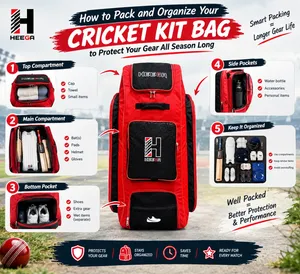 How to Pack and Organize Your Cricket Kit Bag to Protect Your Gear All Season LongLearn how to pack and organize your cricket kit bag properly to protect your bat, gloves, pads, helmet, shoes, and other gear throughout the cricket season.
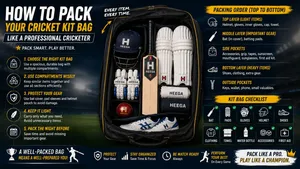 How to Pack Your Cricket Kit Bag Like a Professional CricketerLearn how to pack your cricket kit bag like a professional. Discover smart organization tips, essential items to carry, and how to keep your cricket equipment safe, clean, and match-ready.
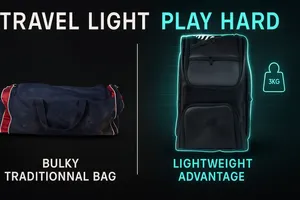 Travel Light, Play Hard — The Heega Backpack Kit Bag AdvantageExperience unmatched comfort and mobility with the Heega Backpack Kit Bag. Lightweight, spacious, durable, and stylish — designed perfectly for modern cricketers on the move.