Why Cricket Balls Come in Different Colours: The Story Behind Red, White, and Pink Balls

Introduction: Why Isn't Every Cricket Ball the Same Colour?
A cricket ball may look like a simple piece of sporting equipment.
But its colour plays an important role in how the game is played.
Traditional cricket is strongly associated with the familiar red leather ball.
Limited-overs cricket introduced the white ball to improve visibility during matches that often extend into the evening.
Then came the pink ball, developed to make longer-format cricket more practical under floodlights.
These different colours were not introduced simply to make cricket look more attractive.
They solve practical problems.
Players need to see the ball clearly.
Television cameras need to track it.
The ball must remain visible against changing backgrounds.
The equipment must also perform consistently throughout a match.
As cricket has expanded across Nepal, Germany, the United States, Canada, the Netherlands, and the United Kingdom, different formats and playing environments have created greater interest in how cricket equipment is designed.
The colour of the ball is one of the clearest examples of cricket adapting to modern conditions.
Why Did Cricket Originally Use a Red Ball?
The red cricket ball is deeply connected with the traditional form of the game.
For generations, red leather balls have been used in longer-format cricket.
The colour works particularly well during daylight because it provides strong contrast against the pitch and surrounding environment.
Red became part of cricket's visual identity.
Even today, seeing a red cricket ball immediately reminds many fans of traditional long-format cricket.
Red Balls and Longer-Format Cricket
Red balls are commonly associated with Test cricket and other longer forms of the game.
These matches can continue for many hours across multiple days.
The ball therefore needs to remain visible during extended daytime periods.
Its traditional use is also closely connected with the culture and history of the format.
Why Was the White Cricket Ball Introduced?
As limited-overs cricket developed, match schedules began changing.
Instead of playing only during daylight, many matches were scheduled into the evening.
This created a visibility problem.
A traditional red ball can become difficult to see against a darker background.
The white ball offered a practical solution.
Its brighter appearance makes it easier for players and spectators to follow during matches played under floodlights.
White Balls Changed Limited-Overs Cricket
The introduction of the white ball became closely associated with modern limited-overs cricket.
Today, white balls are widely used in:
- One-day cricket.
- T20 cricket.
- Other limited-overs competitions.
Their visibility makes them particularly suitable for matches that continue after sunset.
Why Is Visibility So Important?
A batter may have only a fraction of a second to react to a fast delivery.
A wicketkeeper must follow the ball closely.
Fielders may need to track high catches.
The ball also needs to remain visible to spectators and cameras.
A small difference in visibility can therefore have a major effect on the playing experience.
The Background Matters
The ball does not travel through an empty space.
Players see it against:
- The pitch.
- The outfield.
- The bowler's clothing.
- The sightscreen.
- The sky.
- Stadium lighting.
The colour of the ball can affect how easily the eye identifies its movement against these backgrounds.
Why Do Sight Screens Matter?
Sight screens are positioned behind the bowler to provide a contrasting background.
This helps the batter pick up the ball after release.
The colour of the ball and the colour of the background therefore work together.
Good visibility is not simply about choosing a bright ball.
The entire visual environment matters.
Why Does the White Ball Work Well at Night?
Under floodlights, a white cricket ball can remain highly visible against a darker background.
This gives batters a better opportunity to track the delivery.
It also helps:
- Wicketkeepers.
- Fielders.
- Umpires.
- Spectators.
- Television viewers.
This is one of the major reasons white balls became standard in many limited-overs competitions.
White Ball Wear Is an Important Difference
A cricket ball changes as it is used.
The surface experiences repeated contact with:
- Bat.
- Pitch.
- Ground.
- Fielder's hands.
White balls can show signs of wear relatively clearly.
The condition of the ball becomes an important part of limited-overs bowling tactics.
What Happens as a White Ball Gets Older?
As the innings progresses, the ball may become:
- Scratched.
- Scuffed.
- Dirtier.
- Less visually bright.
Its surface condition changes as a result of repeated use.
Bowlers and fielders therefore pay attention to maintaining the ball as much as possible within the laws of the game.
Why Was the Pink Cricket Ball Developed?
The pink ball was created to solve a different problem.
Longer-format cricket traditionally uses a red ball.
But when longer matches began being played into the evening, visibility became more difficult.
Using a white ball was not considered ideal for every aspect of longer-format cricket.
The pink ball offered another option.
It was designed to provide better visibility under changing light conditions while remaining suitable for longer-format play.
Pink Ball Cricket Created a New Match Experience
Day-night longer-format cricket introduced a fascinating combination of traditional and modern cricket.
Players could begin in daylight and continue after sunset.
This meant the ball needed to remain visible through:
- Bright daylight.
- Evening light.
- Floodlights.
- Changing backgrounds.
The pink ball was developed with these challenges in mind.
Why Not Simply Use a White Ball for Everything?
Different cricket formats have different requirements.
The ball is expected to behave and wear in a way that suits the format.
Longer-format cricket can last for many hours and may involve different tactical requirements from limited-overs cricket.
The pink ball was therefore developed as a specialized solution rather than simply replacing the traditional red ball.
How Pink Balls Are Designed
Pink cricket balls use a coloured leather exterior designed to remain visible during day-night play.
The construction also needs to account for:
- Seam visibility.
- Surface durability.
- Player visibility.
- Changing light conditions.
- Long periods of use.
The exact construction can vary between manufacturers and competitions.
Why Does the Seam Matter?
Colour is only one part of a cricket ball's design.
The seam is also crucial.
Bowlers use the seam to influence:
- Movement.
- Grip.
- Swing.
- Seam deviation.
The seam must remain sufficiently visible and functional throughout the match.
Red, White, and Pink Balls Can Create Different Challenges
Players often notice that different balls require different approaches.
A bowler may need to adjust their strategy based on:
- Ball condition.
- Surface.
- Lighting.
- Weather.
- Match format.
Batters also need to adjust to the visual characteristics and movement of the ball.
The Red Ball and Swing Bowling
Red-ball cricket is closely associated with swing and seam bowling.
A new ball can provide bowlers with opportunities to attack early.
As the ball becomes older, its behaviour changes.
Bowlers must therefore adapt their methods throughout the innings.
The White Ball and Limited-Overs Bowling
White-ball cricket has developed its own tactical identity.
Bowlers may use:
- Swing.
- Seam.
- Slower balls.
- Cutters.
- Yorkers.
- Bouncers.
The condition of the white ball can influence which techniques are most effective.
The Pink Ball and Changing Conditions
Pink-ball cricket adds another layer.
The match may move from:
Daylight → Twilight → Floodlights
Players must adapt as the visual environment changes.
The ball's visibility and condition can therefore become especially important.
Twilight Can Be a Unique Challenge
The period around sunset is neither full daylight nor complete darkness.
Visibility can change rapidly.
The background may become darker while artificial lights become increasingly important.
This transition can create a distinctive phase of play.
Dew Can Affect the Ball
In some locations, evening matches can experience dew.
Moisture can make the ball harder to grip.
This may affect:
- Spin bowling.
- Seam control.
- Fielding.
- Throwing.
- Catching.
Captains therefore consider weather and dew when planning for night cricket.
Ball Colour Also Matters for Spectators
Cricket is no longer watched only from the boundary.
Millions of people follow matches through:
- Television.
- Mobile devices.
- Streaming platforms.
- Social media.
A clearly visible ball improves the viewing experience.
This makes ball colour important for broadcasting as well as playing.
High-Quality Broadcasts Need Good Ball Visibility
A camera must follow a small object moving at high speed.
Under poor lighting or against a difficult background, tracking becomes harder.
Ball colour, stadium lighting, camera technology, and pitch presentation therefore work together to create a better broadcast.
Cricket Ball Colours Reflect the Evolution of the Game
The move from one ball colour to multiple colours reflects a broader change in cricket.
The sport has evolved from traditional daytime matches to:
- Day-night Tests.
- T20 competitions.
- Evening international matches.
- Franchise tournaments.
- Global cricket leagues.
Equipment has evolved alongside these changes.
Nepal: Cricket Equipment Is Evolving with the Game
As cricket continues growing in Nepal, players are becoming familiar with different formats and types of equipment.
Understanding why different balls are used can help young players appreciate the technical side of the sport.
Germany: New Players Discover Different Cricket Formats
Cricket continues expanding in Germany through clubs, academies, and community programs.
As players experience different formats, they also encounter the different balls used for training and competition.
United States: The Rise of White-Ball Cricket
The growing popularity of limited-overs and T20 cricket in the USA has increased exposure to white-ball cricket.
For many new fans, the white ball has become one of the most recognizable symbols of modern cricket.
Canada: Cricket Across Different Environments
Canadian cricket includes players competing in varied conditions and formats.
Understanding equipment differences can help developing players prepare more effectively for matches.
The Netherlands: Technical Cricket and Ball Awareness
Dutch cricket has a strong focus on technique and discipline.
Understanding ball condition, seam, and visibility can help players develop a deeper appreciation for bowling and batting tactics.
United Kingdom: Tradition Meets Modern Cricket
The UK remains strongly connected with red-ball cricket while also embracing white-ball and day-night competitions.
The presence of multiple ball colours demonstrates how traditional cricket continues adapting to modern demands.
How Players Should Store Cricket Balls
Whether red, white, or pink, cricket balls should be stored properly.
Players and coaches should:
- Keep unused balls dry.
- Avoid unnecessary exposure to moisture.
- Store them in a clean environment.
- Protect them from excessive heat.
- Avoid damaging the leather surface.
Proper storage helps maintain the condition of practice and match balls.
Practice Balls Can Also Come in Different Colours
Not every coloured cricket ball is intended for professional match play.
Training balls may be available in different colours to improve:
- Visibility.
- Practice variety.
- Indoor training.
- Junior coaching.
The appropriate ball depends on the player's age, training environment, and coaching requirements.
Why Choosing the Right Ball Matters
Players should consider:
- Age.
- Skill level.
- Match format.
- Playing surface.
- Training environment.
- Safety requirements.
A junior player training indoors may need a completely different ball from an experienced player preparing for a competitive match.
Equipment Beyond the Cricket Ball
The ball is only one part of a complete cricket setup.
Players also need suitable:
- Cricket bats.
- Batting gloves.
- Batting pads.
- Helmets.
- Cricket shoes.
- Practice nets.
- Cricket kit bags.
- Training accessories.
The right equipment helps players train consistently and confidently.
How Heega Sports Supports Cricket Players
At Heega Sports, we understand that different players and training environments require different equipment.
Our cricket range includes:
- Kashmir Willow cricket bats.
- Leather cricket balls.
- Practice cricket balls.
- Batting gloves.
- Batting pads.
- Cricket helmets.
- Cricket shoes.
- Practice nets.
- Cricket kit bags.
- Training accessories.
Whether you're a beginner, academy player, club cricketer, coach, or competitive athlete, dependable equipment can make every training session more productive.
Final Thoughts
The different colours of cricket balls are not simply a matter of appearance.
Each colour has developed in response to the changing needs of the sport.
Red balls remain strongly connected with traditional longer-format cricket.
White balls provide excellent visibility for many limited-overs matches, especially when games continue under lights.
Pink balls help make day-night longer-format cricket possible while maintaining the characteristics required for the format.
Behind each colour is a story of adaptation.
As cricket continues to grow across Nepal, Germany, the United States, Canada, the Netherlands, and the United Kingdom, equipment will continue evolving alongside the game.
The next time you watch a cricket match, take a closer look at the ball.
Its colour tells you something about the format, the conditions, and the changing history of cricket itself.
🏏 Explore Cricket Equipment at Heega Sports
Discover quality Kashmir Willow cricket bats, leather cricket balls, practice balls, batting gloves, batting pads, cricket helmets, cricket shoes, practice nets, cricket kit bags, and training accessories designed for players at every level.
Shop Now
Heega Sports – Quality Cricket Equipment for Every Format, Every Player, and Every Stage of the Game.
Related posts
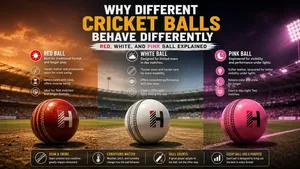 Why Different Cricket Balls Behave Differently: Red, White, and Pink Ball ExplainedLearn the differences between red, white, and pink cricket balls. Discover how each ball behaves, why they are used in different formats, and how weather, lighting, and playing conditions affect their performance across Nepal, Germany, USA, Canada, the Netherlands, and the UK.
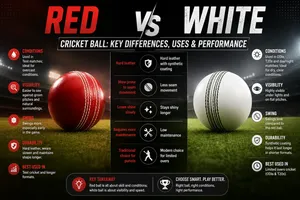 Red vs White Cricket Ball: Key Differences, Uses & PerformanceLearn the key differences between red and white cricket balls, including construction, visibility, swing, seam, durability, and use in different cricket formats.
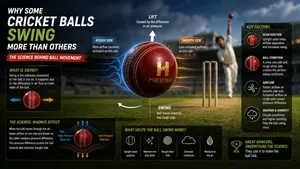 Why Some Cricket Balls Swing More Than Others: The Science Behind Ball MovementDiscover why some cricket balls swing more than others and learn how seam position, ball condition, speed, airflow, humidity, and technique influence swing bowling.