Why Different Cricket Balls Behave Differently: Red, White, and Pink Ball Explained

Introduction: Not Every Cricket Ball Plays the Same
To many new cricket fans, all cricket balls may look almost identical except for their color.
But experienced players know that changing the color of a cricket ball changes much more than its appearance.
A red ball swings differently.
A white ball loses its shine faster.
A pink ball behaves differently under floodlights.
Each ball has been designed to suit specific match conditions and formats.
Understanding these differences helps players make better decisions, improves coaching, and allows fans to appreciate the tactical side of cricket even more.
Across Nepal, Germany, the United States, Canada, the Netherlands, and the United Kingdom, cricketers use different balls depending on the competition, weather, lighting, and playing format.
Let's explore why these cricket balls behave so differently.
The Three Main Types of Cricket Balls
Modern cricket primarily uses three leather match balls:
- Red cricket ball
- White cricket ball
- Pink cricket ball
Although they share similar construction, their materials, coatings, and intended use create noticeable differences during play.
The Red Cricket Ball
The red ball is the traditional cricket ball.
It is primarily used in:
- Test cricket
- First-class cricket
- Multi-day domestic matches
Because Test matches can last several days, the ball is designed to remain effective over long periods.
Why the Red Ball Swings More
One of the biggest advantages of the red ball is its ability to maintain swing for longer.
This happens because:
- The leather remains in good condition longer.
- The seam stays more prominent.
- The shine lasts longer with proper maintenance.
Fast bowlers often enjoy bowling with the red ball because it offers greater assistance over extended spells.
Red Ball and Spin Bowling
As the red ball ages, its surface becomes rougher.
This allows spin bowlers to generate:
- More grip.
- Better turn.
- Greater variation.
The changing condition of the ball becomes an important tactical element during long-format cricket.
The White Cricket Ball
The white ball was introduced primarily for limited-overs cricket.
It is now used in:
- One Day Internationals (ODIs)
- T20 Internationals
- Domestic T20 leagues
- Franchise cricket
Its bright color improves visibility under floodlights.
Why White Balls Behave Differently
Unlike the red ball, the white ball:
- Loses its shine faster.
- Becomes softer more quickly.
- Collects dirt more easily.
Because limited-overs matches are much shorter, manufacturers prioritize visibility over long-term durability.
Swing with the White Ball
White balls often produce significant swing during the early overs.
However, this movement usually reduces sooner than with the red ball because the surface deteriorates more quickly.
Captains often attack aggressively during the first few overs while swing is strongest.
The Pink Cricket Ball
Pink balls were introduced to support day-night Test cricket.
They are designed to remain visible during both daylight and evening sessions.
Why Pink Balls Are Unique
Pink balls combine characteristics of both red and white balls.
Manufacturers use specialized coatings to help the ball:
- Stay brighter longer.
- Retain shine.
- Remain visible under lights.
This creates a unique playing experience.
Bowlers Often Enjoy the Pink Ball
Many fast bowlers believe the pink ball provides:
- Extra seam movement.
- Strong evening swing.
- Consistent bounce.
Conditions during twilight often make batting particularly challenging.
The Seam Plays a Major Role
Regardless of color, every leather cricket ball includes a raised seam.
The seam influences:
- Swing.
- Seam movement.
- Grip.
- Spin.
As long as the seam remains prominent, bowlers can continue using it to create movement off the pitch.
Weather Changes Ball Behavior
Cricket balls respond differently depending on weather conditions.
Humidity may increase swing.
Dry conditions often reduce movement.
Cloud cover can assist seam bowlers.
Understanding weather becomes an important part of match strategy.
Pitch Conditions Also Matter
The same cricket ball behaves differently on different pitches.
For example:
- Green pitches often assist seam bowlers.
- Dry pitches encourage spin.
- Hard pitches produce extra bounce.
The interaction between pitch and ball greatly influences the game.
Ball Maintenance During Matches
Fielding teams carefully maintain the condition of the ball.
Players legally polish one side while allowing the opposite side to become rough.
This difference between the two sides helps generate conventional swing.
Proper ball care remains an important skill.
Why Limited-Overs Cricket Uses Two White Balls
Modern One Day Internationals often use two new white balls—one from each end.
This helps maintain:
- Better visibility.
- Consistent pace.
- Stronger seam.
- Improved swing.
It also prevents the ball from becoming excessively worn.
Manufacturing Quality Matters
Not all cricket balls perform equally.
High-quality leather, stitching, and craftsmanship influence:
- Durability.
- Shape retention.
- Swing consistency.
- Seam quality.
Reliable manufacturing produces more predictable performance.
Nepal: Expanding Competitive Cricket
As cricket grows rapidly in Nepal, players increasingly gain experience using both red and white leather balls through domestic competitions and international cricket.
Germany: Developing Skills Across Formats
German clubs continue introducing players to multiple formats, helping them understand how different cricket balls behave under varying conditions.
United States: More Exposure Through Franchise Cricket
The growth of professional cricket in the USA has increased player experience with white balls while also encouraging greater interest in red-ball cricket.
Canada: Adapting to Seasonal Conditions
Canadian cricketers experience unique weather conditions that influence how cricket balls perform throughout the season.
Understanding ball behavior becomes an important part of player development.
The Netherlands: Technical Development Through Experience
Dutch cricket emphasizes understanding conditions, helping players learn how different balls behave across multiple formats.
United Kingdom: Home of Traditional Red-Ball Cricket
The UK continues preserving the traditions of red-ball cricket while also embracing white-ball competitions and day-night cricket using pink balls.
Players regularly experience all three formats.
Choosing the Right Ball for Practice
Practice should reflect match conditions whenever possible.
Players often use:
- Leather red balls for long-format preparation.
- White balls for limited-overs practice.
- Practice balls for skill development.
- Soft training balls for beginners.
Choosing the appropriate ball improves learning.
How Heega Sports Supports Every Format of Cricket
At Heega Sports, we understand that different formats require different equipment.
Whether preparing for Test cricket, T20 leagues, school matches, or academy training, players deserve dependable cricket balls and quality gear.
Our collection includes:
- Leather cricket balls.
- Practice balls.
- Kashmir Willow cricket bats.
- Cricket helmets.
- Batting gloves.
- Batting pads.
- Cricket shoes.
- Practice nets.
- Cricket kit bags.
- Training accessories.
Reliable equipment helps players perform confidently in every format.
Final Thoughts
Although red, white, and pink cricket balls share similar construction, each has been carefully developed for different playing conditions.
The red ball rewards patience and endurance.
The white ball suits fast-paced limited-overs cricket.
The pink ball bridges traditional cricket with modern day-night matches.
Across Nepal, Germany, the United States, Canada, the Netherlands, and the United Kingdom, understanding these differences helps players prepare more effectively while allowing fans to appreciate the tactical depth of the game.
The next time you watch a match, remember that the color of the ball is doing far more than making it easier to see—it is shaping the contest itself.
🏏 Find Quality Cricket Balls at Heega Sports
Explore premium-quality leather cricket balls, practice balls, Kashmir Willow cricket bats, cricket helmets, batting gloves, batting pads, cricket shoes, practice nets, cricket kit bags, and training accessories for every format of the game.
Shop Now
Heega Sports – Quality Equipment for Every Format of Cricket.
Related posts
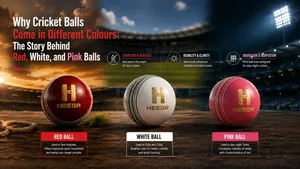 Why Cricket Balls Come in Different Colours: The Story Behind Red, White, and Pink BallsWhy are cricket balls red, white, or pink? Discover the story behind cricket ball colours, including visibility, match formats, lighting conditions, ball wear, and how each colour affects modern cricket.
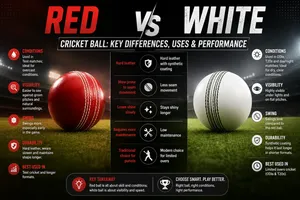 Red vs White Cricket Ball: Key Differences, Uses & PerformanceLearn the key differences between red and white cricket balls, including construction, visibility, swing, seam, durability, and use in different cricket formats.
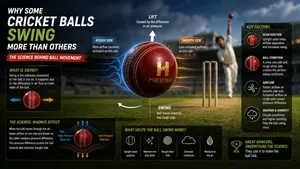 Why Some Cricket Balls Swing More Than Others: The Science Behind Ball MovementDiscover why some cricket balls swing more than others and learn how seam position, ball condition, speed, airflow, humidity, and technique influence swing bowling.