Why Playing Different Cricket Positions Helps Kids Become More Complete Players.

Introduction: Young Cricketers Should Experience More Than One Role
When children begin playing cricket, they often develop a favorite role.
One child wants to bat.
Another dreams of becoming a fast bowler.
Someone else loves wicketkeeping.
Another child simply enjoys chasing the ball around the field.
Having a preference is completely normal.
However, young players can benefit greatly from experiencing different positions before specializing too early.
A child who bats regularly but also bowls and fields can develop a broader understanding of the game.
A young bowler who occasionally bats may better understand what a batter is thinking.
A wicketkeeper who spends time fielding in other positions can improve their understanding of angles and movement.
Playing different roles helps children see cricket from multiple perspectives.
And that can help them become more complete players.
What Does a Complete Cricketer Mean?
A complete young cricketer is not necessarily the child who can do everything perfectly.
Instead, it is a player who understands different parts of the game and can contribute in multiple ways.
They may develop:
- Batting awareness.
- Bowling understanding.
- Fielding skills.
- Communication.
- Tactical awareness.
- Teamwork.
- Adaptability.
These abilities can become valuable as competition becomes more demanding.
Why Specializing Too Early Can Be Limiting
Children develop at different speeds.
A child who looks like a natural batter at eight may discover an interest in bowling later.
Another child who struggles with batting may eventually become an excellent all-rounder.
If children are placed into one role too early, they may miss opportunities to discover other abilities.
Exploration gives them time to understand what they enjoy.
Batting Teaches Children About Timing and Decision-Making
Batting is more than hitting a ball.
Young batters learn to:
- Watch the bowler.
- Judge length.
- Choose shots.
- Manage risk.
- Run between wickets.
- Understand field positions.
These skills improve their overall cricket awareness.
Batting Helps Bowlers Understand Their Opponents
A young bowler who has spent time batting can begin to understand what makes batting difficult.
They may notice:
- Which lengths are uncomfortable.
- Which deliveries are easier to attack.
- How field positions affect decisions.
- How pressure changes shot selection.
This knowledge can later make them more intelligent bowlers.
Bowling Teaches Patience and Planning
Bowling provides a completely different perspective.
A bowler must think about:
- Line.
- Length.
- Variation.
- Field placement.
- Batter tendencies.
- Match situation.
Young players learn that success often comes from building pressure rather than attempting a wicket on every delivery.
Batters Can Learn From Bowling
A young batter who bowls occasionally gains insight into how bowlers think.
They may begin recognizing:
- Changes in pace.
- Bowling plans.
- Fielding setups.
- Common variations.
This can improve their batting decisions.
Fielding Is More Than Waiting for the Ball
Children sometimes think fielding is simply standing in one position.
In reality, fielders must constantly observe.
They need to consider:
- Batter position.
- Bowler type.
- Ball trajectory.
- Possible shots.
- Running opportunities.
Fielding can therefore improve concentration and anticipation.
Fielding Develops Athletic Skills
Regular fielding can help children develop:
- Agility.
- Speed.
- Balance.
- Coordination.
- Throwing ability.
- Catching skills.
These abilities can support almost every other cricket role.
Why Every Child Should Learn Basic Catching
Even a child who eventually specializes as a batter should understand catching.
A batter may still need to:
- Take catches.
- Stop boundaries.
- Back up throws.
- Participate in fielding drills.
Good catching should therefore be treated as a basic cricket skill.
Wicketkeeping Offers a Unique Perspective
Wicketkeeping places a child close to almost every delivery.
The wicketkeeper watches:
- The bowler.
- The batter.
- The ball.
- Fielders.
- Running opportunities.
This position can develop exceptional game awareness.
Wicketkeeping Builds Quick Reactions
Keepers must react quickly.
They may need to:
- Collect edges.
- Stop byes.
- Catch deflections.
- Move toward the stumps.
- Break the wickets quickly.
These activities develop reaction speed and coordination.
Keeping to Spin Teaches Patience
Spin bowling can create unpredictable movement.
The wicketkeeper must remain alert while anticipating changes.
This can develop concentration and patience.
Playing Multiple Positions Builds Empathy
One of the most overlooked benefits of versatility is understanding teammates.
A child who has experienced bowling may better understand the pressure on a bowler.
A player who has kept wicket may appreciate how difficult certain deliveries are to collect.
A fielder who has experienced batting pressure may understand why communication matters.
This creates better teammates.
Different Roles Teach Different Types of Pressure
Every cricket role has its own challenges.
Batter
Must make decisions quickly while protecting their wicket.
Bowler
Must execute a plan repeatedly.
Fielder
Must remain prepared for sudden opportunities.
Wicketkeeper
Must stay involved throughout the innings.
Experiencing these roles helps children understand that every position matters.
Versatility Builds Confidence
A child who knows they can contribute in several ways may feel more confident within a team.
They may think:
"Even if my batting doesn't go well today, I can still help with my bowling or fielding."
This can reduce the pressure of depending on one skill.
It Also Helps Children Handle Bad Days
Every player has difficult matches.
A batter may get out early.
A bowler may concede runs.
A fielder may drop a catch.
Versatile players have other ways to contribute.
This can help them recover emotionally.
Different Positions Improve Decision-Making
Every role requires decisions.
A batter decides whether to attack.
A bowler decides what delivery to bowl.
A fielder decides where to move.
A wicketkeeper decides when to move toward the stumps.
Playing different roles gives children more decision-making experience.
Versatility Improves Game Awareness
Cricket is interconnected.
A bowler's delivery affects the batter.
The batter's shot affects the fielder.
The fielder's position affects the batter's running decision.
When children experience different positions, they begin to understand these connections.
Playing Different Positions Can Improve Tactical Understanding
A young player who has experienced several roles may begin to understand why captains make certain decisions.
They may recognize:
- Why a fielder moves.
- Why a bowler changes pace.
- Why a batter targets a particular area.
- Why a wicketkeeper changes position.
This creates stronger cricket intelligence.
Children Discover Their Natural Strengths
One of the biggest advantages of trying different roles is discovery.
A child may initially believe they want to be a batter.
After trying bowling, they may discover:
"I really enjoy this."
Another child may discover that wicketkeeping suits their personality and reactions.
Exploration creates possibilities.
Enjoyment Should Come Before Specialization
For younger children, enjoyment should remain a major priority.
They should have opportunities to:
- Bat.
- Bowl.
- Field.
- Keep wicket.
- Run.
- Play games.
This keeps cricket fresh.
Different Roles Keep Training Interesting
Repeating exactly the same activity every session can become boring.
Changing roles can provide variety.
For example:
Monday: Batting and fielding.
Wednesday: Bowling and catching.
Saturday: Match simulation.
This can keep children engaged.
It Can Reduce Fear of Failure
When children are allowed to experiment, mistakes become normal.
A child may bowl poorly.
Another may struggle with wicketkeeping.
Another may find batting difficult.
These experiences teach them that being a beginner at something is perfectly acceptable.
Parents Should Avoid Choosing the Role for Their Child
Parents may have their own ideas about what their child should become.
But children should have opportunities to discover their own preferences.
A parent might imagine a child becoming a batter while the child loves fielding.
Supporting exploration is often more beneficial than forcing a specific identity.
Coaches Should Rotate Positions Carefully
Position rotation does not mean randomly moving children every few minutes.
Coaches should create structured opportunities.
Players can spend enough time in a role to understand its basic requirements before moving to another.
Rotation Can Be Age-Appropriate
Younger children can rotate frequently.
Older players may spend more time developing specific skills while still experiencing other positions.
The balance can change as the player's development progresses.
All-Round Skills Can Become Valuable Later
As players become more competitive, versatility can provide additional opportunities.
A player who can:
- Bat.
- Bowl.
- Field well.
may be able to contribute in more situations.
However, young players should not feel pressured to become all-rounders.
The goal is development, not forced specialization.
Fielding Should Never Be Treated as a Secondary Skill
Sometimes young players think batting and bowling are the "important" parts of cricket.
This can create poor attitudes toward fielding.
Coaches should reinforce that every run saved and every catch taken can influence a match.
Fielding Can Become a Player's Specialty
Some children discover that fielding is their strongest area.
They may become excellent at:
- Close catching.
- Boundary fielding.
- Direct hits.
- Diving stops.
- Fast throwing.
That is a valuable cricket contribution.
Communication Develops Through Different Roles
Players need to communicate differently depending on their position.
Fielders call for catches.
Wicketkeepers organize the field.
Bowlers communicate with captains.
Batters communicate while running.
Experiencing these roles helps children become clearer communicators.
Playing Different Positions Builds Leadership
Young players who understand multiple roles may eventually become better leaders.
They understand the challenges faced by different teammates.
This can help them:
- Encourage others.
- Give useful advice.
- Understand match situations.
- Communicate clearly.
It Creates Better Team Players
Cricket is not an individual sport played alone.
Even a brilliant batter depends on:
- Bowlers.
- Fielders.
- Wicketkeepers.
- Partners.
- Coaches.
Playing different positions teaches children to appreciate the contributions of everyone.
Young Players Learn That Every Role Has Value
A player does not need to score fifty runs to have a successful game.
They may:
- Take two catches.
- Save ten runs.
- Bowl accurately.
- Run quickly.
- Support a teammate.
These contributions all matter.
Multiple Positions Can Improve Fitness
Different cricket roles require different movement patterns.
Fielding involves repeated acceleration.
Wicketkeeping involves squatting and lateral movement.
Batting involves short bursts of movement.
Bowling involves a coordinated run-up and delivery.
Exposure to different activities can create broader athletic development.
Equipment Needs May Change by Position
Different roles require different equipment.
A batter may need:
- Bat.
- Batting gloves.
- Pads.
- Helmet.
A wicketkeeper may need:
- Keeping gloves.
- Leg protection.
- Helmet.
- Additional protective equipment.
Fielders may need suitable footwear and protective equipment appropriate to their position.
The Right Equipment Supports Exploration
Children should have equipment that is appropriate for their size and level.
A bat that is too heavy can make batting difficult.
Poorly fitting gloves can interfere with catching.
Uncomfortable footwear can affect movement.
Comfort helps children focus on learning.
Junior Equipment Matters
Young players should generally use equipment designed for their stage of development.
Appropriately sized bats, pads, gloves, and helmets can make it easier for children to learn different skills safely and comfortably.
Kashmir Willow Can Be Useful for Developing Batters
Kashmir Willow cricket bats can be a practical option for many young players because they offer durability and value for regular training.
The correct size and manageable weight remain more important than simply choosing the most expensive bat.
Parents Can Encourage Position Rotation at Home
Parents can create simple games that involve different skills.
For example:
Game 1: Parent bowls, child bats.
Game 2: Child bowls at a target.
Game 3: Parent hits a soft ball, child fields.
Game 4: Child practices wicketkeeping behind the stumps.
The objective is not professional training.
It is exploration.
Don't Turn Every Activity Into a Competition
Children should have opportunities to experiment without worrying about winning every drill.
This creates a healthier learning environment.
Let Children Ask Questions
If a child asks:
"Why does the wicketkeeper stand there?"
or:
"Why did the captain move the fielder?"
encourage the question.
Curiosity helps develop cricket understanding.
Watching Matches Can Reinforce Different Roles
Parents can help children watch cricket more thoughtfully.
Instead of focusing only on boundaries, ask:
- Where are the fielders?
- Why is the bowler using this delivery?
- What is the wicketkeeper doing?
- Why did the batter take a single?
This teaches children to see cricket as a complete system.
Nepal, Germany, USA, Canada, Netherlands, and UK
Youth cricket continues to grow in Nepal, Germany, the United States, Canada, and the Netherlands, while the United Kingdom has long-established junior and club cricket pathways.
Each environment may offer different facilities and coaching opportunities.
But young players everywhere can benefit from experiencing different cricket roles.
The fundamental lesson is universal:
Understanding the whole game can help children become better at their individual role.
When Should Specialization Begin?
There is no single age that works for every child.
Specialization should depend on:
- Interest.
- Physical development.
- Skill level.
- Competition.
- Coaching environment.
- Long-term goals.
Even specialized players can continue practicing other cricket skills.
A Batter Should Still Field
Even if a child becomes primarily a batter, they should continue developing fielding skills.
Fielding remains part of the game.
A Bowler Should Still Understand Batting
A bowler who understands batting can gain valuable insight into how batters think.
That knowledge can improve tactical awareness.
A Wicketkeeper Should Understand Bowling
Understanding how bowlers think can help wicketkeepers communicate better and anticipate situations.
The Goal Is Versatility, Not Perfection
Children do not need to become experts in every position.
The goal is simply to experience enough of the game to understand it.
Versatility can be built gradually.
A Simple Multi-Position Training Session
A coach could structure a session like this:
15 Minutes — Batting
Focus on balance and shot selection.
15 Minutes — Bowling
Practice accuracy toward a target.
15 Minutes — Fielding
Work on catching and throwing.
10 Minutes — Wicketkeeping
Practice basic collection and movement.
20 Minutes — Match Game
Allow players to use everything they practiced.
This keeps training varied and educational.
What Parents Should Remember
Parents should encourage children to:
- Try different positions.
- Discover what they enjoy.
- Learn from mistakes.
- Respect every role.
- Focus on improvement.
- Avoid comparing themselves with teammates.
- Keep cricket enjoyable.
The child does not need to decide their permanent cricket identity immediately.
How Heega Sports Supports Young Cricketers
At Heega Sports, we understand that young players need equipment that supports exploration and development.
Our cricket range includes:
- Junior cricket bats.
- Kashmir Willow bats.
- Leather cricket balls.
- Practice balls.
- Batting gloves.
- Batting pads.
- Cricket helmets.
- Wicketkeeping gloves.
- Cricket shoes.
- Cricket kit bags.
- Practice nets.
- Training accessories.
Appropriately sized and comfortable equipment can help children explore different areas of the game with greater confidence.
Final Thoughts
Young cricketers should have the opportunity to experience cricket from different perspectives.
Batting teaches timing and decision-making.
Bowling teaches patience and planning.
Fielding develops movement and concentration.
Wicketkeeping builds reactions and awareness.
Together, these experiences create a broader understanding of cricket.
A child who understands different positions may also become more adaptable, confident, communicative, and supportive of teammates.
Most importantly, trying different roles gives children the freedom to discover what they genuinely enjoy.
Some may eventually become specialist batters.
Others may become bowlers.
Some may become wicketkeepers.
Others may develop into all-rounders.
And some may simply continue playing cricket because they love the game.
There is no need to decide everything at the beginning.
Let children explore.
Let them make mistakes.
Let them try different roles.
Because before a young cricketer becomes a specialist, they first need to understand the game.
And sometimes, the best way to understand cricket is to experience it from every side.
🏏 Explore Cricket Equipment for Every Young Player
From junior cricket bats and Kashmir Willow bats to leather balls, practice balls, batting gloves, pads, helmets, wicketkeeping gloves, cricket shoes, kit bags, practice nets, and training accessories, explore equipment designed to support young cricketers at every stage.
Shop Now
Heega Sports – Helping Young Players Explore More, Learn More, and Grow Into Complete Cricketers.
Related posts
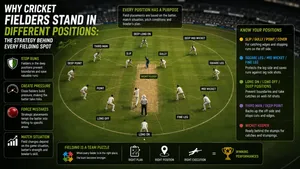 Why Cricket Fielders Stand in Different Positions: The Strategy Behind Every Fielding SpotLearn why cricket fielders stand in different positions and how fielding positions, catching areas, bowlers, and match situations influence field placement.
 The Next-Level Cricket Mindset: What It Takes to Become Truly UnstoppableDiscover the next-level cricket mindset and learn how discipline, purposeful practice, pressure training, resilience, fitness, recovery, match awareness, feedback, and smart preparation can help you become a more consistent and confident cricketer.
- The Winning Mindset: How Ordinary Cricketers Become Extraordinary PlayersDiscover how ordinary cricketers can develop an extraordinary winning mindset through discipline, resilience, purposeful practice, pressure training, mental preparation, fitness, recovery, match awareness, and consistent habits.