Why Your Cricket Shoes Could Be Holding Back Your Footwork

How the wrong cricket shoes can affect traction, movement, balance, confidence, and energy—and what players should look for instead
Cricket is often described as a game of skill.
But skill doesn't happen in isolation.
Every movement starts from the ground.
A batter moves into position.
A fast bowler builds momentum through the run-up.
A spinner rotates and transfers weight.
A wicketkeeper reacts in a fraction of a second.
A fielder accelerates toward the ball.
In every case, your feet are doing important work.
That's why cricket shoes deserve more attention than they usually receive.
The wrong shoes may not immediately look like a major problem. You may still be able to bat, bowl, and field.
But poor traction, uncomfortable fit, unsuitable soles, excessive weight, or inadequate support can make movement less efficient and less confident.
At Heega Sports, we believe good cricket performance is built from the ground up. Alongside technique, fitness, preparation, mindset, and tactical awareness, choosing footwear suited to your playing conditions can help you move with greater confidence.
Here's what to consider.
1. Your Footwork Starts With Your Shoes
Footwork isn't just about technique.
You need a stable connection between your feet and the playing surface.
If your shoes don't provide suitable traction, you may hesitate during movement.
That hesitation can affect:
- Batting balance
- Bowling rhythm
- Fielding acceleration
- Direction changes
- Recovery after movement
The goal is not simply to find shoes that look like cricket shoes.
It's to find footwear that works with your movement and your surface.
2. Traction Can Change Your Confidence
Imagine moving forward to play a drive.
If you trust your footing, the movement can feel natural.
If you're worried about slipping, you may become cautious.
That small hesitation can affect timing and balance.
The same applies to fielding.
A fielder who trusts their shoes may attack the ball more aggressively.
Confidence in movement doesn't replace technique—but it can allow technique to operate more freely.
3. Different Surfaces Need Different Solutions
One of the biggest footwear mistakes is assuming every cricket surface is the same.
Players may encounter:
- Natural grass
- Artificial turf
- Hard practice surfaces
- Damp conditions
- Dry surfaces
- Indoor cricket areas
Your footwear should be appropriate for the surface.
A sole that works well on one ground may not be ideal on another.
Always consider the playing environment before choosing your shoes.
4. Spikes Aren't Automatically Better
Spiked cricket shoes can provide strong traction on suitable natural surfaces.
But more traction isn't always better in every situation.
The right choice depends on:
- Ground conditions
- Surface type
- Playing role
- Competition requirements
- Manufacturer guidance
Some players may need cricket shoes with removable or specialized spikes.
Others may be better suited to non-spiked footwear.
The key is matching the sole to the surface.
5. Rubber-Soled Shoes Have Their Place
Rubber-soled cricket shoes can be useful for certain training environments and surfaces.
They can provide:
- Flexibility
- Comfort
- Convenience
- Suitable traction for appropriate surfaces
They're especially useful when players regularly train on surfaces where metal or specialized spikes aren't suitable.
Again, the important word is:
Appropriate.
6. Weight Can Affect Movement
Heavy footwear can make movement feel more demanding.
This may become noticeable during:
- Long training sessions
- Repeated sprints
- Fielding drills
- Bowling spells
- Extended matches
However, lighter isn't automatically better.
Shoes also need to provide appropriate support, durability, traction, and protection.
The goal is useful weight, not simply minimum weight.
7. Poor Fit Can Change Your Footwork
A shoe that doesn't fit properly can create problems.
If it's too loose, your foot may move inside the shoe.
If it's too tight, you may experience discomfort and restricted movement.
Both can affect confidence.
A good cricket shoe should feel:
- Secure
- Comfortable
- Stable
- Supportive
- Natural during movement
8. Don't Ignore Heel Stability
The heel plays an important role in movement and stability.
During running, stopping, and changing direction, your heel needs to remain appropriately supported.
A poorly fitting heel can create unwanted movement inside the shoe.
When trying cricket shoes, walk, jog, and move laterally if possible.
Don't judge them while standing still.
9. Toe Space Matters
Your toes need enough room to move naturally.
A shoe that compresses the toes can become uncomfortable over time.
But excessive space can also reduce stability.
Your toes shouldn't feel crushed.
They also shouldn't slide around inside the shoe.
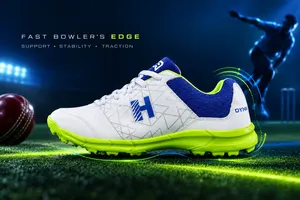
10. Bowling Places Unique Demands on Your Feet
Fast bowlers place significant demands on their footwear.
The run-up involves:
- Repeated acceleration
- High-speed movement
- Braking
- Front-foot impact
- Weight transfer
- Repetition
Bowling shoes need to suit the player's technique, surface, and workload.
Fast bowlers should pay particular attention to comfort, stability, traction, and appropriate footwear design.
11. Batters Need Freedom of Movement
Batting involves constant adjustments.
You may:
- Move forward
- Move back
- Shuffle
- Transfer weight
- Rotate
- Sprint between wickets
Shoes that feel overly restrictive can become distracting.
A batter needs a stable base without feeling trapped by the footwear.
12. Fielders Need Quick Direction Changes
Fielding is unpredictable.
You may have to:
- Sprint forward
- Move sideways
- Turn
- Stop suddenly
- Dive
- Throw
Traction and stability become especially important.
If your footwear doesn't suit the surface, quick movements can feel less confident.
13. Wicketkeepers Need Stability and Mobility
Wicketkeeping requires repeated crouching, lateral movement, and quick reactions.
Comfort becomes especially important because keepers may remain active for long periods.
The shoe should allow natural movement while providing suitable traction for the playing surface.
14. Worn Soles Can Reduce Performance
Cricket shoes don't last forever.
Inspect the sole regularly.
Look for:
- Worn tread
- Damaged spikes
- Loose components
- Uneven wear
- Reduced traction
If the sole is visibly deteriorating, don't assume it will continue performing as it did when new.
15. Your Shoes Should Match Your Training
Training can be harder on footwear than match play.
If you practice several times each week, your shoes experience repeated:
- Running
- Turning
- Braking
- Jumping
- Ground contact
Consider having footwear that matches your training environment.
Using specialized match footwear on unsuitable practice surfaces can cause unnecessary wear.
16. Don't Use Cricket Shoes for Everything
Cricket shoes are designed for cricket-specific movement and surfaces.
They aren't necessarily the best option for:
- Gym workouts
- Long-distance running
- Casual walking
- Other sports
Using footwear for its intended purpose can help preserve its performance.
17. Comfort Becomes More Important Over Time
A shoe can feel fine for 10 minutes.
The real test comes after:
Two hours.
Long matches and training sessions expose problems such as:
- Hot spots
- Pressure points
- Heel movement
- Toe discomfort
- Poor ventilation
Try to evaluate shoes with realistic playing time in mind.
18. Sweat and Ventilation Matter
Cricket can involve long periods in warm conditions.
Good ventilation can improve comfort.
When choosing shoes, consider:
- Breathable materials
- Moisture management
- Internal comfort
- Overall airflow
Comfort can help you stay focused late in a match.
19. Your Footwear Can Influence Energy Efficiency
Every step costs energy.
Poorly fitting or unsuitable footwear may make movement feel less natural.
Over a long match, small inefficiencies can add up.
This is particularly relevant for:
- Fast bowlers
- All-rounders
- Active fielders
- Players who bat for long periods
The right footwear won't magically increase fitness.
But suitable shoes can help support efficient movement.
20. Don't Choose Shoes Based Only on Appearance
Cricket footwear can look impressive.
But appearance should come after function.
Before buying, consider:
Surface
Traction
Fit
Comfort
Support
Weight
Durability
Playing role
Training frequency
A stylish shoe that doesn't suit your surface isn't a good cricket shoe for you.
How to Know If Your Shoes Are Holding You Back
Watch for these signs:
1. You Hesitate During Movement
You don't fully trust your footing.
2. Your Foot Slides Inside the Shoe
The fit may be incorrect.
3. You Feel Uncomfortable After Training
The shoe may not be suited to your foot shape.
4. You Struggle With Direction Changes
Traction or stability may be insufficient for the surface.
5. Your Soles Look Worn
Performance may have declined.
6. You Constantly Adjust Your Shoes
Something about the fit may not be working.
These signs don't necessarily mean your shoes are the sole cause of a performance issue—but they're worth investigating.
A Simple Cricket Shoe Buying Checklist
Before purchasing, check:
☑ Surface compatibility
☑ Appropriate sole type
☑ Correct size
☑ Secure heel fit
☑ Comfortable toe space
☑ Suitable traction
☑ Appropriate weight
☑ Support for your role
☑ Breathability
☑ Durability
☑ Manufacturer guidance
☑ Competition requirements
Spikes vs Rubber Soles: A Simple Comparison
FeatureSpiked ShoesRubber-Soled Shoes
Natural grass traction
Often strong when appropriate
Depends on design and surface
Artificial surfaces
May not be suitable
Often more appropriate
Training convenience
Requires surface consideration
Generally convenient
Weight
Varies
Varies
Surface versatility
More limited
Often more versatile
Maintenance
Spike inspection needed
Simpler
The correct option depends on the surface and your individual needs.
How to Test Cricket Shoes Before Buying
If you can try them in person:
Walk
Check basic comfort.
Jog
See whether your heel stays secure.
Move Sideways
Test stability.
Bend Your Knees
Check flexibility.
Simulate Your Cricket Movement
Try a batting stance or short bowling movement.
Check Your Toes
Make sure they aren't cramped.
This is much more useful than simply standing in the shoes.
Take Care of Your Cricket Shoes
To maintain performance:
- Clean them according to manufacturer instructions
- Let them dry naturally
- Avoid storing them while wet
- Inspect soles regularly
- Check spikes
- Store them properly
- Don't use them on unsuitable surfaces
Good maintenance can extend the useful life of your footwear.
A Better Footwork Formula
Think of movement as:
Technique + Strength + Balance + Traction + Confidence = Better Movement
Shoes are only one part of the equation.
But they're the part that connects you directly to the ground.
Final Thoughts
Your cricket shoes may not appear in the scorecard.
They won't add runs.
They won't take wickets.
But they can influence how confidently you move.
The right footwear can help you create a stable foundation for:
- Batting footwork
- Bowling movement
- Fielding acceleration
- Direction changes
- Balance
- Repeated movement
The wrong shoes can create distractions through poor fit, unsuitable traction, excessive weight, discomfort, or inadequate surface compatibility.
That's why choosing cricket shoes deserves more thought than simply picking the pair with the best-looking design.
At Heega Sports, we support serious cricketers with cricket shoes alongside bats, helmets, batting gloves, pads, bags, accessories, and sportswear for training and competitive cricket.
Before your next purchase, ask yourself one simple question:
"Do these shoes help me move—or do I spend my time thinking about them?"
If your footwear disappears from your mind once the match begins, that's usually a very good sign.
Great footwork starts with great technique—but every great movement still needs a reliable connection to the ground.
Shop Now
Heega Sports – Helping Players Stay Ready From Daylight to Floodlights.
Related posts
 Cricket Equipment Mistakes: 10 Small Choices That Could Be Holding You BackDiscover 10 common cricket equipment mistakes that can affect comfort, movement, safety, confidence, and consistency—and learn how to choose smarter bats, gloves, helmets, pads, shoes, and accessories.
 Cricket Equipment Mistakes That Could Be Holding Your Game BackDiscover the most common cricket equipment mistakes that could be holding your game back. Learn how to choose the right cricket bat, helmet, gloves, pads, shoes, bags, and accessories to improve performance with premium cricket gear from Heega Sports.
 Cricket Shoes for Fast Bowlers: How Ankle Support, Heel Stability and Traction Affect the Bowling ActionLearn how cricket shoes for fast bowlers affect ankle support, heel stability, traction, and landing control. Find the right fit for your bowling action.