Cricket Equipment Mistakes: 10 Small Choices That Could Be Holding You Back

From choosing the wrong bat weight to ignoring helmet fit, these small equipment mistakes can affect comfort, movement, confidence, and consistency on the cricket field.
Cricket improvement is usually associated with practice.
Players spend hours working on batting technique, bowling accuracy, fitness, fielding drills, and mental preparation.
But sometimes the problem isn't your technique.
It may be your equipment.
A bat that feels too heavy.
Gloves that don't fit properly.
Pads that restrict your movement.
Shoes that don't match the surface.
A helmet that doesn't sit securely.
None of these problems may seem serious on their own.
But cricket is a game of small margins. When equipment creates unnecessary discomfort or distraction, it can make it harder to perform your skills naturally.
At Heega Sports, we believe choosing cricket equipment should be about understanding what actually suits your game—not simply buying the most expensive or popular product.
Here are 10 common cricket equipment mistakes that could be holding you back.
1. Choosing a Bat Based Only on Weight
One of the most common mistakes is thinking:
"A heavier bat will automatically give me more power."
That's not necessarily true.
A bat's performance depends on much more than its listed weight.
Consider:
- Pickup
- Balance
- Sweet-spot position
- Bat speed
- Profile
- Handle
- Your physical strength
- Your batting technique
A bat that is too heavy for you may actually reduce your bat speed and make it harder to react quickly.
A manageable bat that you can control confidently may be a better choice.
Better approach:
Don't just lift the bat once.
Take your normal stance. Practice your backlift. Try your usual shots.
Ask:
"Can I control this bat comfortably?"
2. Ignoring Bat Pickup
Pickup is closely related to weight, but they're not the same thing.
Two bats can weigh exactly the same but feel completely different.
Why?
Because the distribution of weight can change how the bat feels when you lift and swing it.
A bat with good pickup may feel lighter and easier to maneuver.
This can matter when playing:
- Pull shots
- Cuts
- Drives
- Late shots
- Defensive strokes
Better approach:
Test pickup using your normal grip and batting movement.
Your hands will tell you something that a specification sheet can't.
3. Buying a Helmet Without Checking the Fit
A cricket helmet is protective equipment.
That means fit should be a priority.
A helmet that moves excessively can become distracting and may not provide the intended level of protection.
When choosing a helmet, consider:
- Correct size
- Secure fit
- Chin-strap adjustment
- Grille position
- Visibility
- Comfort
- Applicable safety standards
Take your batting stance when testing it.
Move your head naturally.
Look around.
Make sure it remains stable.
Better approach:
Choose a helmet according to manufacturer sizing and safety guidance rather than appearance alone.
4. Choosing Pads That Are Too Bulky
Protection is essential.
But unnecessarily bulky equipment can affect mobility.
Batters need to move:
- Forward
- Backward
- Across the crease
- Between wickets
- During stroke play
Heavy or poorly designed pads may become noticeable during long innings.
Better approach:
Look for the right balance between:
Protection + Weight + Mobility + Fit
Lightweight pads can be useful, but never sacrifice appropriate protection simply to reduce weight.
5. Buying Cricket Shoes Without Considering the Surface
Your cricket shoes need to work with the ground you're playing on.
Natural grass, artificial turf, and different training surfaces can require different footwear characteristics.
Choosing footwear without considering the surface can affect:
- Traction
- Stability
- Confidence
- Movement
Better approach:
Before buying cricket shoes, ask:
"Where will I actually use these?"
Then select footwear appropriate for that environment and follow manufacturer recommendations.
6. Wearing Poorly Fitted Batting Gloves
Your gloves affect more than protection.
They also affect your connection with the bat.
If your gloves are too loose, they may move during your shots.
If they're too tight, your finger movement may become restricted.
Both can be distracting.
Better approach:
Check that the gloves provide:
- Secure fit
- Finger protection
- Thumb protection
- Comfortable grip
- Flexibility
- Appropriate wrist support
You should be able to grip the bat naturally without feeling restricted.
7. Buying Equipment Because a Professional Uses It
Professional cricketers are excellent sources of inspiration.
But copying their exact equipment can be a mistake.
A professional player's equipment may be selected around:
- Their physical strength
- Their technique
- Their playing role
- Their preferred conditions
- Their experience
- Customized specifications
The bat used by a professional may not be suitable for you.
The shoes they wear may not match your playing surface.
Their gloves may fit completely differently.
Better approach:
Don't copy the product.
Understand the reason behind their choice.
Then make your own decision.
8. Choosing Gear Based Only on Appearance
Cricket equipment can look impressive.
Bright colors.
Huge bat profiles.
Professional-style designs.
Premium finishes.
But appearance doesn't tell you whether the product suits your game.
A beautiful bat can still be too heavy.
A stylish helmet can still fit poorly.
Great-looking shoes can still be wrong for your surface.
Better approach:
Use this priority order:
Fit → Function → Protection → Comfort → Durability → Appearance
Looks should be a bonus—not the deciding factor.
9. Ignoring Equipment Maintenance
Buying quality equipment isn't enough.
You also need to look after it.
Poor maintenance can lead to unnecessary wear and unpleasant surprises on match day.
Bat
Follow appropriate care and knocking-in guidance.
Gloves
Allow them to air out after use.
Pads
Check straps and protective sections.
Helmet
Inspect the shell, grille, padding, and straps.
Shoes
Clean appropriately and inspect the soles.
Bag
Check zippers, compartments, and stitching.
Better approach:
Make equipment inspection part of your regular cricket routine.
10. Keeping Damaged Protective Equipment Too Long
This is one mistake players shouldn't ignore.
Protective equipment has a job:
Protect you.
If equipment has suffered significant damage, don't assume it is still safe simply because it looks usable.
Watch for:
- Cracks
- Broken straps
- Damaged padding
- Loose components
- Excessive wear
- Structural damage
If protective equipment has experienced a significant impact, follow the manufacturer's inspection and replacement guidance.
Better approach:
When in doubt about the integrity of protective equipment, prioritize safety.
Why These Small Mistakes Matter
You might be thinking:
"Can a pair of gloves or shoes really affect my cricket?"
They can affect your experience of playing.
Consider a batter wearing:
- A poorly balanced bat
- Loose gloves
- Bulky pads
- An unstable helmet
- Unsuitable shoes
Each problem may be small.
Together, they can create multiple distractions.
Instead of focusing completely on the bowler, the player may be thinking about their equipment.
That's something you want to avoid.
The Equipment Distraction Effect
Good equipment should become almost invisible once the game begins.
You shouldn't constantly think:
"My gloves are slipping."
"My helmet is moving."
"My pads feel heavy."
"My shoes don't feel stable."
"My bat feels difficult to control."
You should be thinking about:
The bowler.
The field.
The pitch.
The delivery.
Your next decision.
That's one of the biggest benefits of choosing equipment correctly.
How to Avoid Cricket Equipment Mistakes
Before buying anything, use this simple five-step process.
Step 1: Understand Your Role
Are you primarily a:
- Batter?
- Fast bowler?
- Spin bowler?
- Wicketkeeper?
- All-rounder?
Your role affects your equipment priorities.
Step 2: Consider Your Conditions
Think about:
- Pitch
- Ground
- Weather
- Match format
- Training environment
Step 3: Know Your Requirements
Don't buy features simply because they're available.
Identify what you actually need.
Step 4: Test When Possible
Try realistic movements before making a decision.
Step 5: Check the Specifications
Always review manufacturer information, sizing guidance, and safety recommendations.
A Smart Cricket Equipment Checklist
Before purchasing your next piece of equipment, ask:
Cricket Bat
☑ Is the weight manageable?
☑ Does the pickup feel comfortable?
☑ Does the balance suit my style?
☑ Is the sweet spot appropriate for my conditions?
Batting Gloves
☑ Do they fit securely?
☑ Can I grip the bat naturally?
☑ Do they provide appropriate protection?
Helmet
☑ Is the size correct?
☑ Does it remain stable?
☑ Can I see clearly?
☑ Is the protective design appropriate?
Batting Pads
☑ Do they align correctly with my knees?
☑ Are they comfortable?
☑ Can I move naturally?
☑ Do they provide appropriate protection?
Cricket Shoes
☑ Are they suitable for my surface?
☑ Do they provide appropriate traction?
☑ Is the fit secure?
☑ Are they comfortable for long sessions?
Don't Confuse New Gear With Better Performance
Buying new equipment can be exciting.
But a new bat isn't a replacement for practice.
New shoes won't automatically fix your footwork.
Premium gloves won't improve your timing by themselves.
A new helmet won't make you mentally stronger.
Your biggest improvements still come from:
- Consistent practice
- Good coaching
- Fitness
- Technique
- Match experience
- Tactical awareness
- Mental preparation
- Recovery
Equipment should support those things.
It shouldn't replace them.
When Should You Upgrade Your Equipment?
You don't necessarily need new gear every season.
Consider upgrading when:
- Your equipment is damaged
- Your size has changed
- Your playing level has developed
- Your technique has changed
- Your current equipment no longer fits
- Your playing conditions have changed
- Your equipment is creating discomfort
- A product is limiting your movement
Upgrade because you have a reason—not simply because something new has been released.
The Smart Equipment Formula
A useful way to think about cricket gear is:
Right Equipment + Correct Fit + Suitable Conditions + Proper Maintenance = Better Equipment Experience
And a better equipment experience can contribute to:
Comfort → Confidence → Fewer Distractions → More Consistent Performance
It isn't a shortcut to becoming a better cricketer.
It's about removing avoidable obstacles.
The Most Important Lesson
The smartest cricketers don't necessarily own the most equipment.
They understand their equipment.
They know:
- Why their bat feels right
- Why their gloves fit properly
- Why their pads allow movement
- Why their helmet is secure
- Why their shoes suit the surface
- How to maintain their gear
- When equipment needs replacing
That knowledge can make equipment selection much easier.
Final Thoughts
Cricket improvement doesn't always require a dramatic change.
Sometimes it's about fixing a small problem.
A better-fitting glove.
A more manageable bat.
A properly fitted helmet.
More comfortable pads.
The right shoes for the surface.
Better equipment maintenance.
These choices may seem minor.
But when you're trying to perform consistently, small details matter.
At Heega Sports, we help cricketers find practical equipment for training and competitive play, including cricket bats, batting gloves, helmets, pads, cricket shoes, bags, accessories, and sportswear.
Before your next purchase, don't ask only:
"Is this a good cricket product?"
Ask:
"Is this the right cricket product for me?"
That's the question that matters.
Because better cricket equipment isn't about having the biggest, newest, or most expensive kit.
It's about choosing equipment that helps you move, prepare, and perform with confidence.
Shop Now
Heega Sports – Helping Players Turn Practice Skills Into Match-Day Performance.
Related posts
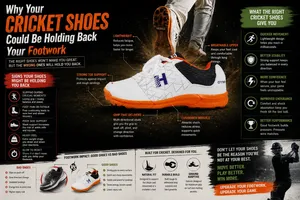 Why Your Cricket Shoes Could Be Holding Back Your FootworkDiscover how cricket shoes can affect footwork, traction, balance, comfort, bowling movement, batting mobility, and fielding performance—and learn how to choose footwear for your playing surface.
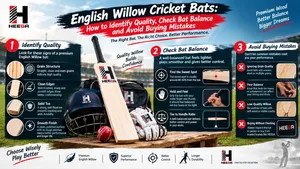 English Willow Cricket Bats: How to Identify Quality, Check Bat Balance and Avoid Buying MistakesLearn how to identify a quality English willow cricket bat, check its balance and pickup, understand grain patterns, and avoid common buying mistakes.
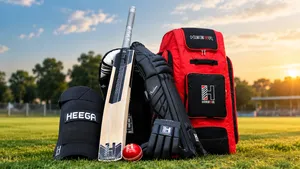 Ordering Cricket Equipment for a Club or Academy: An Overseas Buyer's ChecklistOrdering cricket equipment for your club or academy from overseas? Use this checklist for bats, protective gear, quantities, samples, shipping and quotations.