At the Heart of Every Match: What Makes a Great Cricket Ball?

The sound of a perfect seam hitting the pitch. The red blur flying past the bat. The thud in the keeper’s gloves.
None of these iconic moments are possible without one core element — the cricket ball.
Whether you’re a swing bowler, a spinner, or a power hitter, the quality of the ball can define the outcome of the game. At Heega Sports, we understand that the cricket ball isn't just an object — it's the soul of the match.
Let’s dive into what truly makes a great cricket ball.
Anatomy of a Cricket Ball
A standard cricket ball may look simple, but it’s built with layers of craftsmanship:
- Core: A solid cork or cork-rubber center that defines bounce and shape retention
- Winding: Tightly wound wool or synthetic yarn for weight and balance
- Leather Cover: High-quality tanned leather stitched in two halves
- Seam: Prominent hand-stitched seam, essential for grip and swing
At Heega, our cricket balls are made using top-grade alum-tanned leather with deep-set seams — perfect for longer life and sharper movement.
What to Look for in a Quality Cricket Ball
FeaturePurpose
Seam Strength & Height
Affects spin and swing movement
Leather Quality
Impacts durability, shine, and water resistance
Shape Retention
Ensures consistent bounce and performance
Polish & Finish
Helps maintain shine for reverse swing
Color Consistency
Essential for visibility under different lighting
Weight Accuracy
Must fall within ICC standards (155.9g – 163g)
Each Heega ball is rigorously tested for roundness, balance, and seam accuracy.
Types of Cricket Balls
1. Red Leather Balls
- Traditional Test and First-Class matches
- Best for longer formats
- Durable under dry conditions
2. White Leather Balls
- Used in ODIs and T20s
- Visibility under floodlights
- Needs extra coating to avoid discoloration
3. Pink Balls
- Designed for Day-Night Test Matches
- Enhanced visibility + slightly harder seam
4. Synthetic Balls
- Ideal for training, tennis-ball replacements
- Long-lasting and weather-resistant
Heega manufactures all four types — built for everything from school-level cricket to competitive play.
Ball Maintenance Tips (for Extended Use)
- Always keep the ball dry — wipe off moisture during play
- Use ball polish instead of saliva (as per new rules)
- Store in a dry cloth pouch — avoid plastic
- Rotate the ball while shining to maintain both sides evenly
- Avoid playing with the same ball across vastly different surfaces (concrete, turf, matting)
Why Heega Cricket Balls Stand Out
- Made with Grade A alum-tanned leather
- Deep hand-stitched seam for extra swing & spin
- Balanced cork core for consistent performance
- Ideal for match play, nets, and practice
- Trusted by clubs, schools, and academies across India
Every ball is hand-inspected to meet our exacting standards.
Final Thoughts
A match starts with a toss — but it really begins with the ball in hand.
Your cricket ball should offer consistency, confidence, and control. And with Heega cricket balls, that’s exactly what you get — ball after ball, over after over.
[Shop Now] – Explore our full range of match-quality cricket balls today.
Related posts
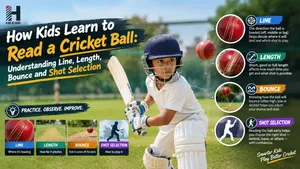 How Kids Learn to Read a Cricket Ball: Understanding Line, Length, Bounce and Shot SelectionLearn how kids can read a cricket ball by understanding line, length, bounce and shot selection to develop better batting skills and confidence.
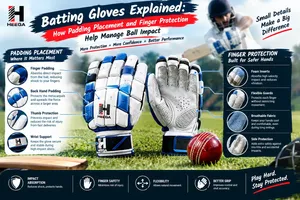 Batting Gloves Explained: How Padding Placement and Finger Protection Help Manage Ball ImpactLearn how batting glove padding placement, finger protection, and fit help manage ball impact. Find practical tips for choosing cricket batting gloves.
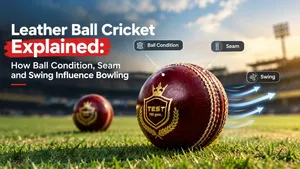 Leather Ball Cricket Explained: How Ball Condition, Seam and Swing Influence BowlingLearn how leather ball cricket works and how ball condition, seam position, shine, and swing influence bowling accuracy, movement, and performance.