Baseball vs Cricket Shoes Differences: Do Bowlers and Batters Need Different Cricket Shoes?
Introduction: Why Cricket Shoes Matter More Than You Think
Cricket is a game of skill, timing, movement, and quick decision-making.
While players often focus on their bat, gloves, pads, and other equipment, footwear is sometimes overlooked.
However, the right shoes can make a noticeable difference to how comfortably and confidently players move around the field.
A batter needs a stable base while playing a shot.
A bowler needs reliable traction during their run-up and delivery stride.
A fielder needs footwear that allows quick acceleration, stopping, turning, and changing direction.
This is why different cricket players may have different footwear requirements.
At the same time, many people wonder how cricket footwear compares with shoes used in other sports, particularly baseball.
The two sports may appear similar because both involve bats, balls, throwing, running, and fielding.
However, the footwear requirements are not exactly the same.
Understanding the baseball vs cricket shoes differences can help players make a more informed decision when choosing sports footwear.
What Are Cricket Shoes?
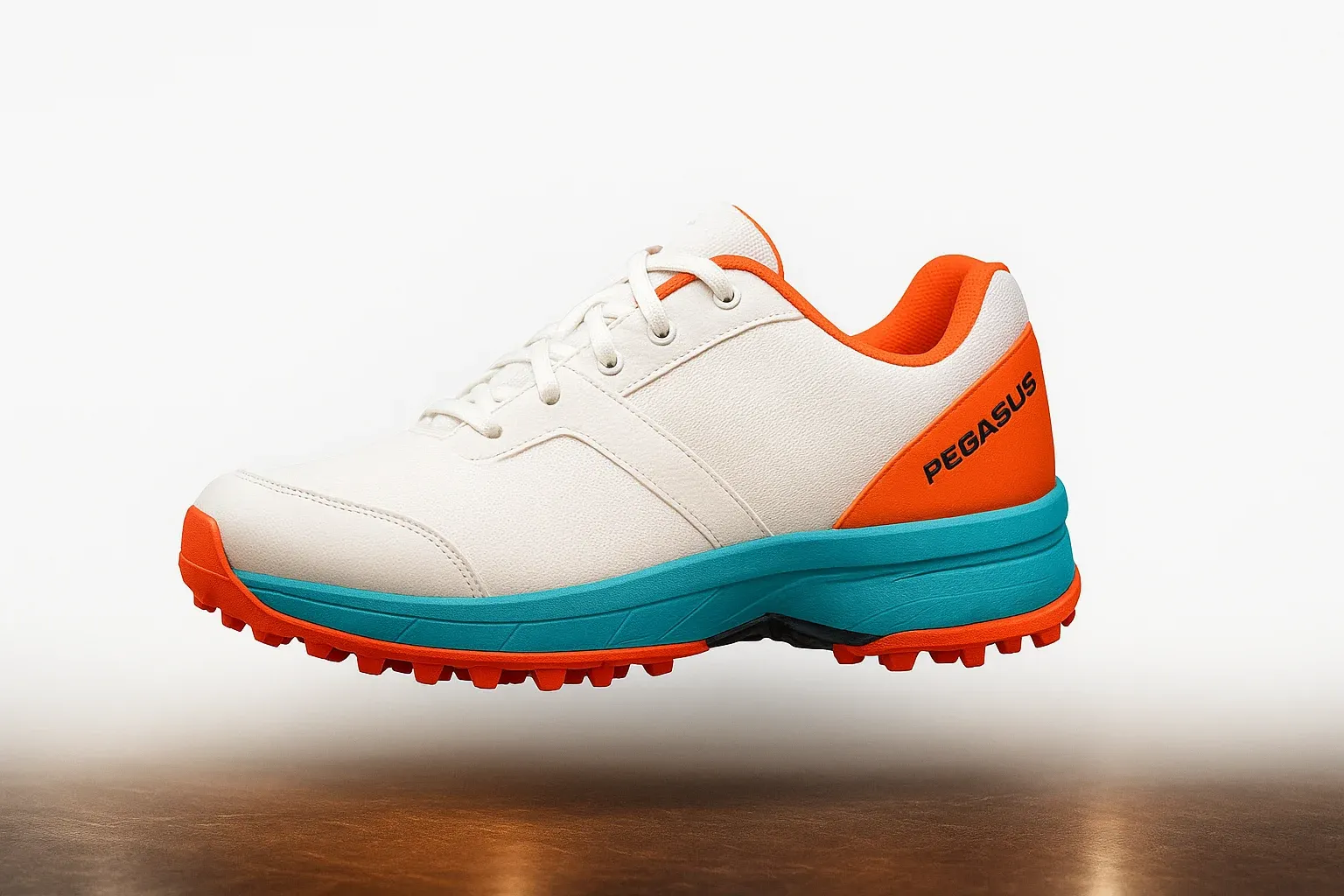
Cricket shoes are specifically designed to support the movements involved in cricket.
Depending on the model, cricket footwear may provide features such as:
- Spikes or rubber traction
- Reinforced construction
- Heel support
- Cushioning
- Ankle support
- Breathable materials
- Flexible forefoot areas
- Impact protection
- Stable soles
The exact design depends on the playing conditions and the player's role.
A fast bowler, for example, may have different requirements from a batter or wicketkeeper.
Do Bowlers and Batters Need Different Cricket Shoes?
Not necessarily.
Many cricket shoes can be used by both batters and bowlers.
However, specialist footwear can offer advantages for particular roles.
A bowler may prioritize:
- Traction
- Stability
- Cushioning
- Run-up grip
- Landing support
A batter may prioritize:
- Lightweight construction
- Comfort
- Flexibility
- Quick movement
- Grip while running between wickets
Fielders may look for a balance between:
- Speed
- Agility
- Grip
- Comfort
- Protection
The best shoe is therefore not simply determined by whether someone bats or bowls.
It depends on their playing style, conditions, and personal requirements.
Why Bowlers Need Strong Traction
Bowling involves repeated high-speed movement.
A fast bowler can generate significant force during their run-up and delivery stride.
Their front foot needs to land securely.
If the shoe does not provide sufficient grip, the player may struggle to maintain balance and control.
This is why bowling shoes often emphasize:
- Strong traction
- Stable construction
- Heel cushioning
- Forefoot support
- Durable soles
For bowlers, footwear is an important part of creating a reliable movement pattern.
Why Fast Bowlers Need More Support
Fast bowlers repeatedly run toward the crease before delivering the ball.
They also have to absorb significant forces during their delivery stride.
For this reason, footwear offering good protection and stability can be especially valuable.
Features may include:
- Reinforced heel areas
- Shock absorption
- Supportive midsoles
- Durable outsole construction
- Secure fit
The exact needs vary between players, so comfort and fit remain important.
Why Batters Need Mobility
Batters constantly move around the crease.
They may step forward, move backward, shift across the wicket, or run between wickets.
Their footwear therefore needs to provide a balance between grip and mobility.
A batter may benefit from shoes that are:
- Lightweight
- Comfortable
- Flexible
- Stable
- Responsive
A shoe that feels unnecessarily heavy can make movement less comfortable during long innings.
Running Between the Wickets
Batting does not end after the ball is struck.
Players need to accelerate quickly and turn efficiently while completing runs.
This makes traction important for batters too.
The sole should provide enough grip to help the player push off and change direction without feeling restricted.
Fielders Have Different Requirements
Fielders cover large areas of the ground.
They may need to:
- Sprint
- Stop quickly
- Dive
- Turn
- Change direction
- Throw while moving
Because of this, fielding footwear should balance traction with mobility.
A good cricket shoe should allow the player to move naturally while maintaining a stable connection with the ground.
Understanding Cricket Playing Surfaces
One of the most important factors when selecting cricket footwear is the playing surface.
Cricket can be played on:
- Natural grass
- Artificial surfaces
- Hard grounds
- Indoor cricket surfaces
- Synthetic pitches
Different surfaces provide different levels of grip.
The footwear should therefore be appropriate for the conditions.
Cricket Shoes for Natural Grass
Most traditional outdoor cricket is played on grass.
On natural grass, players may require more traction than they would on an indoor surface.
Spiked shoes can provide additional grip when conditions and competition rules permit their use.
However, the type of spike and sole should be appropriate for the ground.
Metal Spike Cricket Shoes
Some cricket footwear uses a metal spike configuration.
Metal spikes can provide strong traction on suitable natural-grass surfaces.
They are often associated with competitive cricket environments where players need dependable grip.
However, metal spikes are not appropriate for every surface.
Players should always check:
- Ground regulations
- Competition rules
- Pitch conditions
- Manufacturer recommendations
Using the wrong footwear on an unsuitable surface can damage the ground or affect player safety.
Rubber Spikes and Multi-Surface Shoes
Rubber spikes or molded traction patterns can be useful for players who need versatility.
They can provide grip without the same level of penetration associated with traditional metal spikes.
These shoes may be suitable for:
- Practice sessions
- Harder surfaces
- Artificial grounds
- Junior cricket
- Recreational cricket
Again, the ideal option depends on the surface.
Why Spike Selection Matters
Choosing between different sole types is not simply about choosing the shoe that looks most professional.
The player should consider:
- Surface type
- Weather
- Competition rules
- Training requirements
- Comfort
- Playing frequency
A highly aggressive sole may not be necessary for every player.
Cricket and Baseball: Why Are the Shoes Different?
The similarities between cricket and baseball can make their footwear seem interchangeable.
Both sports involve:
- Batting
- Throwing
- Running
- Fielding
- Quick movement
But the movement patterns are different.
Baseball involves explosive movements around bases, pitching motions, and defensive positioning.
Cricket involves running between wickets, bowling run-ups, delivery strides, batting movements, and large-area fielding.
Because the sports place different demands on the feet, their shoes are designed with different priorities.
Baseball vs Cricket Shoes Differences
When examining the baseball vs cricket shoes differences, several factors stand out.
1. Movement Patterns
Baseball players frequently accelerate and decelerate around bases.
Cricket players may move forward and backward around the crease, run between wickets, bowl from a run-up, or cover large distances while fielding.
2. Bowling Requirements
Cricket bowlers need footwear that supports their run-up and delivery stride.
Baseball footwear is not designed specifically around the biomechanics of cricket bowling.
3. Playing Surface
Cricket is commonly played on grass-based grounds with a central pitch.
Baseball is played on a field with different surface areas, including dirt and grass.
4. Sole Design
Both sports can use cleated or traction-based footwear, but the sole pattern and construction are designed around their respective movement demands.
5. Protection and Stability
Cricket shoes may place particular emphasis on the stability and cushioning needed for repeated bowling and cricket-specific movements.
Can You Use Baseball Shoes for Cricket?
Technically, baseball footwear may provide traction, but that does not mean it is the best choice for cricket.
Players should consider whether the shoe supports their specific cricket movements.
For example, a fast bowler may need footwear that accommodates their run-up and delivery stride.
A baseball shoe is designed around baseball movements rather than cricket biomechanics.
Therefore, dedicated cricket footwear is generally the better choice for regular cricket training and competition.
Can You Use Cricket Shoes for Baseball?
The same principle applies in reverse.
Cricket shoes are designed for cricket.
Using them for baseball may not provide the traction, movement support, or surface compatibility required for baseball.
Players should use footwear designed for the sport they are participating in whenever possible.
Why Shoe Sole Design Matters
The sole is one of the most important parts of sports footwear.
It determines how the shoe interacts with the ground.
A cricket shoe's outsole may include:
- Spikes
- Rubber traction
- Grooves
- Reinforced areas
- Flexible zones
The design influences grip and movement.
Grip vs Mobility
More grip is not always better.
A shoe needs enough traction to prevent unwanted slipping.
But excessive grip can sometimes make natural movement feel restricted.
The ideal balance depends on the player's role and playing surface.
Why Comfort Matters During Long Matches
Cricket matches can last for several hours or even multiple days in the case of Test cricket.
Players spend significant amounts of time standing, walking, running, and changing direction.
Uncomfortable shoes can become distracting.
Good footwear should provide:
- Comfortable cushioning
- Secure fit
- Breathability
- Adequate support
- Minimal pressure points
Comfort becomes increasingly important as playing time increases.
Breathability and Heat Management
Outdoor cricket can involve long periods in warm weather.
Feet can become hot and sweaty inside poorly ventilated shoes.
Many modern sports shoes therefore use breathable upper materials.
Better airflow can improve comfort during extended training sessions and matches.
Shoe Weight Can Affect Movement
Heavy footwear can increase the effort required for repeated movement.
This can be noticeable for players who:
- Bowl many overs
- Field for long periods
- Run frequently
- Train for extended sessions
Lightweight shoes can improve the feeling of agility.
However, reducing weight should not come at the expense of essential support and durability.
Stability Is Important for Every Cricket Player
Although bowlers often have greater stability requirements, all cricket players benefit from secure footwear.
A stable shoe can help when:
- Batting
- Bowling
- Running
- Fielding
- Turning
- Stopping
The shoe should remain securely connected to the foot during movement.
Ankle Support and Shoe Fit
A proper fit is essential.
The heel should remain secure without excessive movement.
The toe area should provide enough room for natural movement.
The shoe should not create excessive pressure around the foot.
Players should also consider the type of socks they normally wear when selecting their size.
Why Footwear Should Match Your Playing Level
Beginners do not necessarily need the most expensive cricket shoes available.
For recreational players, priorities may include:
- Comfort
- Durability
- Grip
- Affordable pricing
Academy and club players may require more specialized features.
Competitive players who train frequently may benefit from footwear specifically matched to their role and playing conditions.
Junior Cricket Shoes
Young players have different requirements from adults.
Children are still developing their movement patterns and physical strength.
Junior footwear should be:
- Lightweight
- Comfortable
- Properly fitted
- Easy to move in
- Suitable for the playing surface
Parents should avoid purchasing shoes that are significantly oversized simply because the child is growing.
A secure and comfortable fit is more important.
Cricket Shoes for Academy Training
Academy players may train several times per week.
Their footwear needs to withstand repeated use.
Important considerations include:
- Durability
- Grip
- Cushioning
- Breathability
- Fit
- Surface compatibility
Players who practice both indoors and outdoors may need different footwear for each environment.
Training Shoes vs Match Shoes
Some players use separate footwear for training and matches.
Training shoes may prioritize:
- Durability
- Versatility
- Comfort
Match footwear may prioritize:
- Performance
- Grip
- Weight
- Specialized construction
There is no requirement that every player own multiple pairs, but frequent players may find separate options useful.
Why Weather Changes Footwear Requirements
Weather can significantly affect the playing surface.
Wet grass can become slippery.
Dry ground may offer different traction.
Hot conditions can increase the importance of breathability.
Players should therefore consider the conditions they regularly encounter.
Cricket Shoes and Wet Conditions
Wet conditions can reduce traction.
Players should use footwear appropriate for the surface and follow ground and competition rules.
Even shoes with aggressive traction cannot completely eliminate slipping risk.
Movement should always be controlled according to conditions.
How Shoes Support Bowling Technique
Footwear cannot correct poor bowling technique.
However, appropriate traction can help a bowler feel more secure during:
- Run-up
- Gather
- Delivery stride
- Follow-through
That confidence can contribute to a more consistent movement pattern.
How Shoes Support Batting Technique
Batters need a stable base when transferring weight.
During a front-foot shot, the front foot moves toward the ball.
During a back-foot shot, the player shifts their weight backward.
A suitable shoe can provide the traction required to support these movements.
How Shoes Support Fielding
Fielders frequently react to the ball without warning.
A fielder may need to sprint toward the boundary or move quickly toward the pitch.
Good traction can help with:
- Acceleration
- Deceleration
- Direction changes
- Stopping
- Turning
This makes footwear an important part of fielding equipment.
Common Cricket Shoe Buying Mistakes
Players often make avoidable mistakes when purchasing footwear.
Buying Only for Appearance
A stylish shoe is not necessarily the best performing shoe.
Choosing the Wrong Sole
Metal spikes may not be suitable for every surface.
Ignoring Fit
Poor fit can create discomfort during long sessions.
Buying Excessively Heavy Shoes
Weight can affect agility and comfort.
Ignoring Playing Conditions
Indoor and outdoor cricket can require different traction characteristics.
Using the Wrong Sport's Footwear
Cricket and baseball may share similarities, but their movement demands are different.
How to Choose the Right Cricket Shoes
Before buying, consider these questions:
What Surface Do You Play On?
Natural grass, artificial surfaces, and indoor environments can require different sole designs.
Are You a Batter, Bowler, or All-Rounder?
Your role can influence the features you prioritize.
How Often Do You Play?
Frequent players may need more durable construction.
Do You Need Spikes?
Consider the ground and competition rules.
Are the Shoes Comfortable?
Try them on and walk or move in them before making a decision.
Do They Provide Enough Stability?
Your foot should remain secure during movement.
What Should All-Rounders Look For?
All-rounders need footwear that performs across multiple responsibilities.
They may:
- Bat
- Bowl
- Field
- Run frequently
Therefore, a versatile cricket shoe can be useful.
A balanced combination of:
Grip + Comfort + Mobility + Stability
is often more practical than footwear optimized for only one task.
Why Wicketkeepers Have Different Needs
Wicketkeepers spend much of the match behind the stumps.
They frequently crouch, move sideways, stand up, and react quickly.
Their footwear should provide:
- Grip
- Flexibility
- Comfort
- Stability
- Quick movement
Wicketkeepers may have different preferences depending on their technique and playing conditions.
The Role of Cricket Shoes in Injury Prevention
No cricket shoe can guarantee injury prevention.
However, suitable footwear can support stable movement and reduce avoidable slipping or instability.
Players should combine proper footwear with:
- Warm-ups
- Strength training
- Mobility work
- Good technique
- Appropriate workload
- Adequate recovery
Footwear is one part of a complete approach to safe cricket participation.
Why Professional Cricket Players Take Footwear Seriously
At higher levels, small details can matter.
Professional players may spend many hours training and competing.
A comfortable shoe that provides reliable traction can help them focus on performance rather than their feet.
This is particularly important for bowlers who repeatedly perform high-intensity movements.
Cricket Footwear Is Part of Performance Equipment
A player's equipment is not limited to the bat and ball.
Modern cricket equipment includes:
- Cricket bats
- Cricket balls
- Batting gloves
- Batting pads
- Helmets
- Wicketkeeping equipment
- Cricket shoes
- Kit bags
- Training accessories
Each component serves a different purpose.
How Heega Sports Supports Cricket Players
At Heega Sports, we understand that the right equipment can make training more comfortable and effective.
Our cricket equipment range includes products for:
- Batters
- Bowlers
- All-rounders
- Wicketkeepers
- Fielders
- Academy players
- Club players
- Junior cricketers
Our range includes cricket bats, leather cricket balls, practice balls, batting gloves, batting pads, cricket helmets, cricket shoes, practice nets, cricket kit bags, stumps, and training accessories.
Whether you are preparing for your first academy session or training regularly for competitive cricket, choosing equipment that matches your needs is an important part of preparation.
Cricket Shoes vs Baseball Shoes: The Key Takeaway
The baseball vs cricket shoes differences become clearer when you consider how differently the two sports are played.
Both sports require running, batting, throwing, and fielding.
But cricket includes movements such as bowling run-ups, delivery strides, running between wickets, and movement around the crease.
Baseball has its own unique movement patterns around bases, pitching areas, and defensive positions.
Because of these differences, footwear should ideally be designed for the specific sport.
For cricket players, dedicated cricket shoes provide a more appropriate combination of traction, comfort, mobility, and stability.
Final Thoughts
Cricket footwear may look like a small part of a player's equipment, but it plays an important role in movement and comfort.
Batters need mobility and a stable base.
Bowlers need reliable traction and support during their run-up and delivery stride.
Fielders need speed, grip, and the ability to change direction quickly.
Wicketkeepers need flexibility and stability for repeated movement behind the stumps.
The playing surface also matters.
On natural grass, players may use specialized spiked footwear where permitted, while rubber spikes or molded traction can offer more versatility on certain surfaces.
When comparing cricket and baseball, it is important to remember that similar-looking sports can still require different equipment.
The baseball vs cricket shoes differences come down to movement patterns, surface requirements, traction, stability, and the specific demands placed on players.
Ultimately, the best cricket shoe is not necessarily the most expensive or most aggressive model.
It is the one that fits properly, suits the playing surface, provides appropriate grip, and gives the player the protection and stability needed to move confidently.
Good footwear does not replace skill.
But when your shoes allow you to move naturally, maintain your balance, and trust your footing, you can focus more completely on the game.
🏏 Find the Right Cricket Equipment at Heega Sports
Looking for cricket shoes and other equipment for your next training session?
Explore cricket bats, leather cricket balls, practice balls, batting gloves, pads, helmets, cricket shoes, practice nets, cricket kit bags, stumps, and training accessories at Heega Sports.
Shop Now
Heega Sports – Helping Cricket Players Move Better, Train Smarter, and Play With Confidence.
Related posts
 Cricket Shoes for Fast Bowlers: How Ankle Support, Heel Stability and Traction Affect the Bowling ActionLearn how cricket shoes for fast bowlers affect ankle support, heel stability, traction, and landing control. Find the right fit for your bowling action.
 Batting Gloves vs Wicketkeeping Gloves: Understanding the Key Differences in CricketLearn the key differences between batting gloves and wicketkeeping gloves, including protection, grip, flexibility, design, fit, and their role in cricket.
 Red vs White Cricket Ball: Key Differences, Uses & PerformanceLearn the key differences between red and white cricket balls, including construction, visibility, swing, seam, durability, and use in different cricket formats.