Batting vs Bowling: Which Cricket Gear Do You Really Need?

Introduction: Batting and Bowling Need Different Cricket Gear
Cricket is a team sport, but every player has a different role on the field. A batsman needs equipment that supports batting control and protection, while a bowler needs gear that supports movement, stability, and repeated delivery.
All-rounders have an even broader requirement because they contribute in both areas.
This is why there is no single cricket kit that is perfect for every player.
A batsman may need a cricket bat, batting gloves, pads, helmet, abdominal protection, and additional body protection. A bowler may focus more on cricket shoes, training equipment, comfortable clothing, and protection when batting or fielding close to the ball.
Understanding the difference between batting and bowling equipment makes it easier to build a practical cricket kit without buying unnecessary gear.
In this guide, we will compare batting vs bowling equipment, explain what each player needs, and help you choose the right cricket gear for practice, academy training, and matches.
Batting vs Bowling: What Is the Main Difference?
The biggest difference is the type of movement and impact involved.
A batsman stands in front of the stumps and faces the cricket ball. The equipment therefore focuses heavily on protection, grip, balance, and control.
A bowler repeatedly runs in, delivers the ball, and follows through. Their equipment needs to support movement, stability, comfort, and performance.
Batting Equipment Usually Focuses On:
- Protection
- Bat control
- Grip
- Impact resistance
- Comfort
- Balance
Bowling Equipment Usually Focuses On:
- Foot support
- Stability
- Movement
- Grip
- Comfort
- Training performance
Some equipment, such as cricket shoes, clothing, helmets, and kit bags, can be useful for both.
Essential Cricket Gear for Batsmen
A batsman's cricket kit generally contains more protective equipment because the player is directly facing the cricket ball.
1. Cricket Bat
The cricket bat is the most important piece of equipment for a batsman.
The right bat depends on:
- Player age
- Height
- Strength
- Batting style
- Bat weight
- Balance
- Sweet spot
- Willow type
- Playing level
A player who prefers quick stroke play may feel more comfortable with a bat that is easier to maneuver.
A powerful batsman may prefer a different weight and profile.
The important thing is to choose a bat that can be controlled comfortably rather than simply selecting the heaviest option.
2. Batting Gloves
Batting gloves protect the hands from the impact of the cricket ball while helping the player maintain a secure grip.
Important features include:
- Finger protection
- Palm grip
- Comfortable fit
- Flexible construction
- Wrist support
- Breathability
A good pair of gloves should allow the batsman to hold the bat naturally.
3. Batting Pads
Batting pads protect the lower legs and knees.
They should provide:
- Good leg coverage
- Knee protection
- Secure straps
- Comfortable fit
- Reasonable weight
- Easy movement
Pads should not interfere with running between the wickets.
4. Cricket Helmet
A helmet is essential protective equipment when facing a hard cricket ball.
A suitable helmet should provide:
- Secure fit
- Good head coverage
- Clear visibility
- Strong grille
- Comfortable padding
- Stability during movement
Players should select a helmet according to proper fit and safety requirements rather than appearance alone.
5. Abdominal Guard
An abdominal guard provides protection to a sensitive area and is an important part of a batsman's protective equipment.
It should be correctly positioned and worn with suitable supporting clothing.
6. Thigh Guard and Other Protection
Players who regularly face fast bowling may choose additional protection.
This can include:
- Thigh guard
- Inner thigh guard
- Chest guard
- Arm guard
- Rib protection
The amount of protection required depends on the player's level, playing conditions, and personal preference.
Essential Cricket Gear for Bowlers
Bowling requires a different approach to equipment.
A bowler does not need to carry the same amount of protective gear while bowling, but footwear and movement become especially important.
1. Cricket Shoes
Cricket shoes are extremely important for bowlers.
A bowler repeatedly runs in, plants the front foot, delivers the ball, and completes a follow-through.
The shoes should therefore provide:
- Good grip
- Stability
- Comfortable fit
- Suitable support
- Reliable traction
Fast bowlers may have different footwear requirements from spin bowlers because their run-up and delivery movements are different.
2. Bowling Training Equipment
Bowlers can benefit from training equipment designed to improve consistency and technique.
Depending on the training environment, this may include:
- Practice cricket balls
- Cricket nets
- Cones
- Stumps
- Target equipment
- Catching equipment
- Training markers
These items can help bowlers work on line, length, accuracy, movement, and consistency.
3. Cricket Clothing
Bowling involves continuous movement, so comfortable cricket clothing is important.
Players should have:
- Comfortable cricket trousers
- Cricket shirt
- Sports socks
- Suitable innerwear
- Training clothing
Breathable clothing can be particularly useful during long training sessions.
4. Protective Equipment
Bowlers also need protective equipment when they bat or field in positions where the ball may travel quickly toward them.
Depending on their role, they may use:
- Helmet
- Abdominal guard
- Gloves
- Protective pads
A bowler who also bats regularly needs a complete batting setup as well.
Batting vs Bowling Equipment Comparison
EquipmentBatsmanBowlerAll-Rounder
Cricket Bat
Essential
Required when batting
Essential
Batting Gloves
Essential
Required when batting
Essential
Batting Pads
Essential
Required when batting
Essential
Helmet
Essential when batting
Required when batting/close fielding
Essential
Abdominal Guard
Recommended
Recommended when required
Recommended
Cricket Shoes
Essential
Essential
Essential
Thigh Protection
Optional/Useful
Usually not required while bowling
Optional
Bowling Training Gear
Optional
Useful
Useful
Wicketkeeping Gear
Not required
Not required
Only if keeping
Kit Bag
Essential
Essential
Essential
What Gear Does a Batsman Need?
A batsman's basic match kit should generally include:
- Cricket bat
- Batting gloves
- Batting pads
- Helmet
- Abdominal guard
- Cricket shoes
- Cricket clothing
- Kit bag
Additional protection can be added depending on the level of cricket.
For example, players facing fast bowlers may prefer thigh, chest, arm, or rib protection.
What Gear Does a Bowler Need?
A bowler's equipment requirements are generally simpler while bowling.
A basic bowling setup may include:
- Cricket shoes
- Cricket clothing
- Training balls
- Cricket net access
- Training equipment
- Kit bag
However, if the bowler also bats, they will need batting gloves, pads, helmet, bat, and other protective equipment.
What Gear Does an All-Rounder Need?
An all-rounder needs equipment for both batting and bowling.
This means their kit can become larger than that of a specialist batsman or bowler.
An all-rounder's kit may include:
- Cricket bat
- Batting gloves
- Batting pads
- Helmet
- Abdominal guard
- Cricket shoes
- Protective equipment
- Training balls
- Bowling accessories
- Kit bag
The key is to select equipment that is practical to carry and suitable for both roles.
Batting Gear vs Bowling Gear for Beginners
Beginners should avoid buying unnecessary equipment.
If a beginner is primarily learning batting, start with:
- Suitable cricket bat
- Batting gloves
- Batting pads
- Helmet
- Abdominal protection
- Cricket shoes
If bowling is their main focus, suitable shoes and training equipment become more important.
However, because beginners often try different roles, a basic complete kit can be more practical.
Batting Equipment for Academy Players
Academy players generally train more frequently than casual players.
Their equipment should therefore be comfortable and durable enough for repeated use.
An academy batsman's kit can include:
- Quality cricket bat
- Batting gloves
- Batting pads
- Helmet
- Abdominal guard
- Thigh protection
- Chest or arm protection where required
- Cricket shoes
- Practice balls
- Kit bag
As training intensity increases, equipment maintenance becomes increasingly important.
Bowling Equipment for Academy Players
Academy bowlers may spend several sessions each week working on their technique.
Their equipment can include:
- Suitable cricket shoes
- Training cricket balls
- Cricket clothing
- Bowling practice equipment
- Cricket nets
- Protective gear for batting
- Kit bag
Fast bowlers should pay particular attention to footwear and overall comfort because bowling involves repeated running and delivery movements.
Fast Bowler vs Spin Bowler: Does Gear Change?
The basic cricket kit remains similar, but certain equipment choices can differ.
Fast Bowlers
Fast bowlers typically place greater emphasis on:
- Footwear
- Grip
- Stability
- Support
- Training equipment
Their repeated run-ups and delivery movements make suitable shoes especially important.
Spin Bowlers
Spin bowlers also need comfortable footwear and good grip, but their movement patterns can differ from fast bowlers.
They may spend more time focusing on:
- Bowling accuracy
- Variation
- Flight
- Turn
- Control
Both types of bowlers need appropriate cricket clothing and protection when batting or fielding.
Does Bat Weight Matter More Than Bowling Shoes?
Both are important, but they affect different parts of the game.
For a batsman, bat weight directly influences:
- Bat speed
- Control
- Timing
- Stroke play
- Fatigue
For a bowler, shoes can influence:
- Grip
- Stability
- Movement
- Run-up confidence
- Comfort
Instead of asking which item is more important overall, players should choose equipment according to their role.
Cricket Kit for Different Playing Positions
Your position and responsibilities can influence your equipment requirements.
Opening Batsman
An opener may spend a long time at the crease and should prioritize:
- Comfortable bat
- Reliable gloves
- Good pads
- Helmet
- Protective equipment
Middle-Order Batsman
A middle-order batsman may need a versatile setup that supports different match situations.
Fast Bowler
A fast bowler should focus on:
- Suitable cricket shoes
- Comfortable clothing
- Training equipment
- Protection when batting
Spin Bowler
A spin bowler should prioritize comfortable footwear, training balls, and equipment suited to repeated bowling practice.
All-Rounder
An all-rounder needs a balanced setup covering both batting and bowling requirements.
Match Gear vs Training Gear
Training and match equipment can be different.
Players often use dedicated practice equipment during nets to reduce unnecessary wear on match gear.
For example:
Match Gear
- Match bat
- Match gloves
- Match pads
- Helmet
- Match clothing
- Competition-approved equipment
Training Gear
- Practice balls
- Training bat where appropriate
- Cones
- Stumps
- Cricket nets
- Catching equipment
- Bowling targets
Having separate training equipment can help players manage their main match kit.
How to Choose Cricket Gear Based on Your Playing Style
Your playing style should influence your equipment choices.
Aggressive Batsman
An aggressive batsman may prefer a bat that provides good hitting potential while remaining controllable.
Defensive Batsman
A player who focuses on defense and long innings may prioritize balance, comfort, and control.
Fast Bowler
A fast bowler should pay close attention to footwear, grip, stability, and training equipment.
Spin Bowler
A spinner may focus more heavily on bowling-specific training and comfortable movement.
All-Rounder
An all-rounder needs versatile equipment that performs well across different roles.
Common Mistakes When Buying Batting and Bowling Gear
Players often make mistakes when purchasing cricket equipment.
Buying a Bat That Is Too Heavy
A heavy bat can be difficult to control and may cause fatigue.
Ignoring Shoe Selection
Bowlers should not treat cricket shoes as an afterthought.
Buying Too Much Protection
Protection is important, but players should choose equipment according to actual requirements and proper fit.
Choosing the Wrong Size
Incorrectly sized gloves, pads, or helmets can affect comfort and movement.
Buying Equipment Without Considering the Player's Role
A wicketkeeper, bowler, batsman, and all-rounder have different needs.
How to Maintain Your Cricket Gear
Proper maintenance can help extend the life of cricket equipment.
Bat
Store the bat in a dry environment and follow the manufacturer's preparation and care recommendations.
Gloves
Allow gloves to dry naturally after use and avoid leaving damp gloves inside a closed kit bag.
Pads
Clean them regularly and allow them to dry properly after use.
Helmet
Check the grille, straps, padding, and overall condition regularly.
Shoes
Remove dirt after training and allow shoes to dry before storing them.
Kit Bag
Remove wet clothing and equipment from the bag after practice or matches.
What Makes Good Cricket Gear?
Good cricket equipment is not simply the most expensive equipment available.
Quality cricket gear should provide a suitable combination of:
- Comfort
- Protection
- Durability
- Proper fit
- Practical design
- Reliable performance
- Suitable weight
- Good grip
The right product is the one that matches the player's requirements.
How Much Cricket Gear Does a Player Really Need?
The answer depends on the player's level.
Beginner
A basic kit is usually enough.
Academy Player
A more complete setup is useful because of frequent training.
Club Player
Durable match and practice equipment becomes more important.
Advanced Player
Specialized equipment and backup gear may be useful.
Players should build their kits gradually rather than purchasing everything at once.
Why Coaches Can Help You Choose Cricket Equipment
A coach can provide valuable advice because they understand your technique and playing role.
They can help you decide:
- Suitable bat weight
- Bat size
- Protective equipment
- Footwear
- Training equipment
- Junior equipment
- Role-specific gear
For younger players, coaches and parents should pay particular attention to correct sizing and comfort.
Build Your Cricket Setup with Heega Sports
Heega Sports provides cricket equipment for players and teams looking to build practical setups for training and competitive cricket.
Depending on your role, you can build your cricket equipment collection around:
- Cricket bats
- Cricket balls
- Batting equipment
- Protective equipment
- Cricket kit bags
- Cricket nets
- Training equipment
- Cricket accessories
Whether you are a batsman, bowler, wicketkeeper, or all-rounder, choosing equipment according to your role can help you stay prepared for every training session and match.
Frequently Asked Questions
What gear does a batsman need in cricket?
A batsman generally needs a cricket bat, batting gloves, batting pads, helmet, abdominal guard, cricket shoes, clothing, and a kit bag. Additional body protection can be added when required.
What equipment does a bowler need?
A bowler primarily needs suitable cricket shoes, comfortable cricket clothing, training balls, and relevant training equipment. If the bowler also bats, they will need a complete batting setup.
Do bowlers need batting pads and gloves?
If a bowler also bats, then yes. Specialist bowlers who do not bat regularly may not need the same batting equipment for every training session, but they should have appropriate protective gear when batting.
What cricket gear does an all-rounder need?
An all-rounder generally needs both batting and bowling equipment, including a bat, batting gloves, pads, helmet, protective equipment, cricket shoes, training gear, and a kit bag.
Are cricket shoes important for bowlers?
Yes. Bowlers repeatedly run, deliver the ball, and follow through, so suitable footwear can provide grip, stability, comfort, and support.
Does every batsman need thigh and chest protection?
Not necessarily. Additional protection depends on the player's level, playing conditions, and personal requirements. Players facing fast bowling may choose additional protective equipment.
Should beginners buy expensive cricket equipment?
Beginners do not necessarily need the most expensive equipment. Correct size, comfort, protection, durability, and suitability for the player's level are more important.
Can one cricket kit be used for both batting and bowling?
Yes. Many players, especially all-rounders, use one complete kit for both roles. Some specialized equipment, such as batting gloves and bowling-specific training gear, is role-dependent.
Final Thoughts
Batting and bowling are two very different aspects of cricket, and the equipment required for each role reflects that difference.
Batsmen generally need more protective equipment because they face the cricket ball directly. Their main priorities include the bat, gloves, pads, helmet, and suitable protection.
Bowlers place greater emphasis on footwear, movement, stability, and training equipment. However, bowlers who also bat need the appropriate batting equipment as well.
For all-rounders, the best approach is to build a balanced cricket kit that covers both sides of the game.
The most important rule is simple: choose cricket equipment according to your role, playing level, comfort, and actual requirements.
You do not need every product available on the market. You need the right products for the way you play.
With the right cricket gear, you can train with greater confidence, stay better prepared, and focus on improving your game.
Get the Right Cricket Gear with Heega Sports
Looking for cricket equipment for batting, bowling, training, or matches?
Build your cricket setup with equipment designed around your playing needs.
Explore Heega Sports Cricket Equipment:
- Cricket Bats
- Cricket Balls
- Batting Equipment
- Protective Equipment
- Cricket Kit Bags
- Cricket Nets
- Training Equipment
- Cricket Accessories
Choose the right gear. Train harder. Play with confidence.
Shop Now
Heega Sports – Helping Players Build Better Grip, Better Control, and Better Cricket.
Related posts
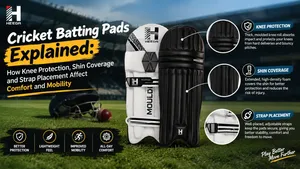 Cricket Batting Pads Explained: How Knee Protection, Shin Coverage and Strap Placement Affect Comfort and MobilityLearn how cricket batting pads, knee protection, shin coverage and strap placement affect comfort, mobility, impact protection and batting performance.
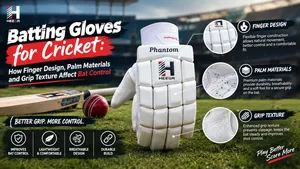 Batting Gloves for Cricket: How Finger Design, Palm Materials and Grip Texture Affect Bat ControlDiscover how cricket batting gloves, finger design, palm materials and grip texture influence bat control, comfort, protection and batting performance.
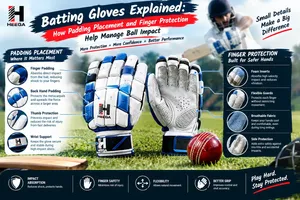 Batting Gloves Explained: How Padding Placement and Finger Protection Help Manage Ball ImpactLearn how batting glove padding placement, finger protection, and fit help manage ball impact. Find practical tips for choosing cricket batting gloves.