Choosing the Perfect Gloves for Match-Day Performance
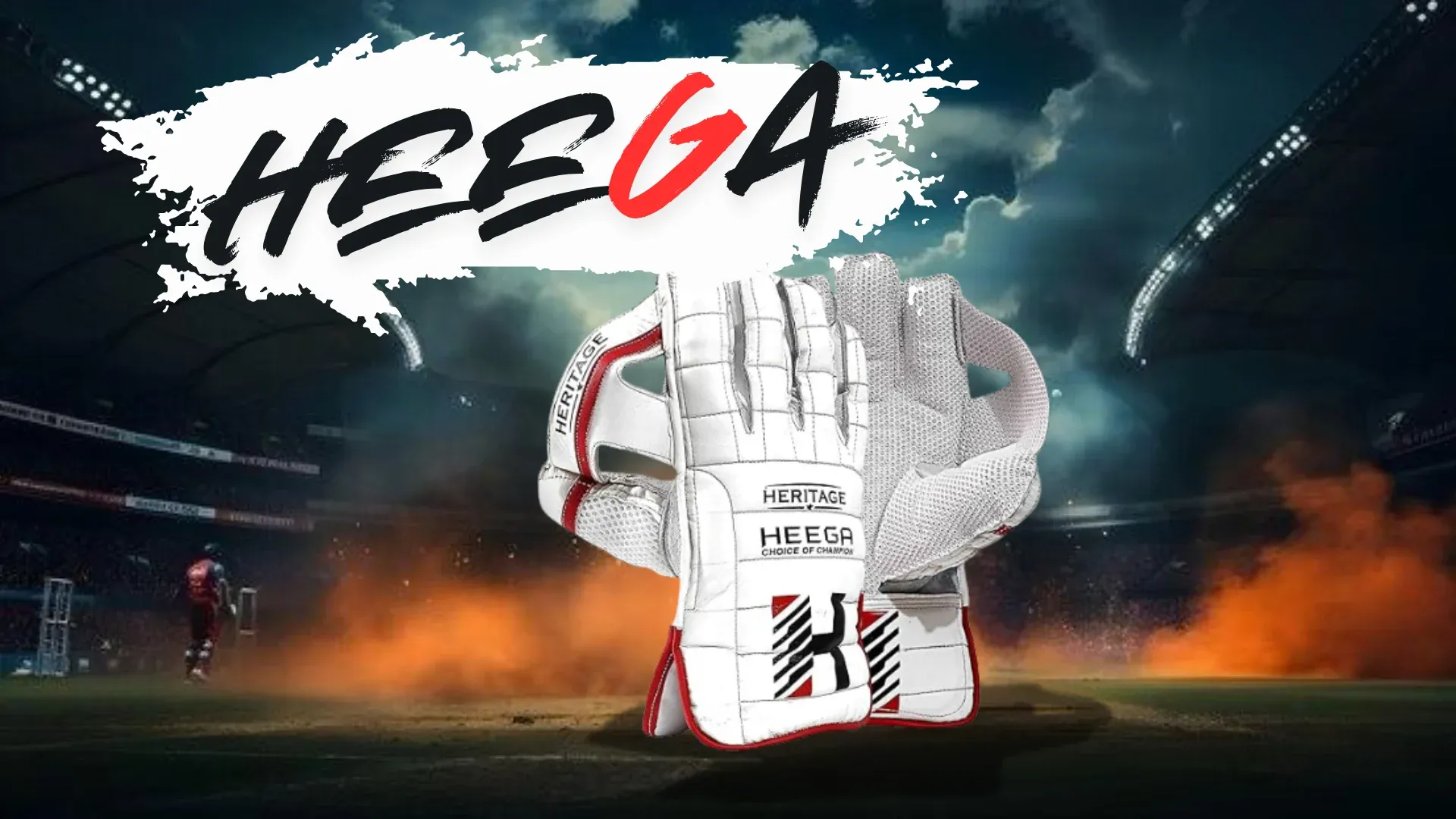
Wicket keeping is one of the most demanding roles in cricket. A keeper is constantly involved in the game — catching, stumping, collecting throws, and maintaining focus ball after ball. In such a high-responsibility position, the quality of your wicket keeping gloves directly impacts your confidence and performance.
The right gloves provide grip, protection, comfort, and control, allowing keepers to perform consistently throughout long match sessions.
In this guide by Heega Sports, we explain how to choose the perfect wicket keeping gloves for match-day performance and what features every keeper should look for before stepping onto the field.
Why Match Gloves Matter So Much
Unlike casual practice sessions, match situations demand peak performance. Edges come quickly, catches are sharp, and mistakes can change the result of the game.
Poor-quality gloves can cause:
- Missed catches due to weak grip
- Hand pain from insufficient padding
- Sweaty, uncomfortable hands
- Reduced control during stumpings
- Faster glove wear and tear
The right gloves help keepers stay confident and focused throughout the game.
Key Factors to Consider When Choosing Wicket Keeping Gloves
1. Grip Quality Is Everything
Grip is the most important feature of wicket keeping gloves. Modern gloves use high-quality rubber pimple palms to increase friction and control.
Good grip ensures:
- Clean catches
- Better ball control
- Quick stumpings
- Reduced slip chances
Before buying gloves, always check palm material quality and rubber thickness.
2. Comfortable Fit for Better Control
Gloves should feel snug without restricting finger movement. Oversized gloves reduce control, while tight gloves cause discomfort during long innings.
A proper fit allows:
- Natural hand movement
- Better reaction time
- Improved ball control
- Reduced fatigue
Always try gloves or select size based on hand measurement.
3. Strong Finger Protection
Fast bowlers generate extreme pace, and even spinners can cause finger injuries from deflections.
Good gloves include:
- Reinforced finger caps
- Fiber inserts
- Shock-absorbing padding
- Strong finger support
Protection helps keepers play fearlessly behind the stumps.
4. Palm Cushioning and Impact Absorption
Repeated ball impact can strain the hands, especially during long innings.
High-quality gloves offer:
- Extra palm padding
- Impact absorption layers
- Comfortable cushioning
- Reduced vibration
This prevents soreness and allows longer play without discomfort.
5. Breathability and Sweat Control
Wicket keepers spend hours on the field, and sweaty gloves reduce grip and comfort.
Good gloves feature:
- Breathable materials
- Mesh ventilation panels
- Sweat-absorbing lining
- Quick drying interior
Dry hands maintain better control throughout matches.
6. Durable Construction for Match Use
Match gloves face continuous wear. Cheap gloves lose grip quickly or tear at finger joints.
Look for:
- Strong stitching
- Quality leather material
- Reinforced stress points
- Durable palm rubber
Durability saves money and ensures consistent performance.
7. Lightweight Design for Faster Reactions
Heavy gloves slow down hand movement and reaction speed.
Lightweight gloves allow:
- Faster hand movement
- Better reflex catches
- Quicker stumpings
- Less fatigue
Modern gloves combine protection with lightweight design.
8. Wrist Support and Flexibility
The wrist area should provide support while allowing flexibility.
A good wrist design offers:
- Adjustable strap fit
- Strong wrist support
- Easy glove removal
- Comfortable flexibility
This ensures gloves stay secure during dives and movements.
Practice Gloves vs Match Gloves
Many keepers use different gloves for nets and matches.
Practice Gloves
- More durable
- Used for daily training
- Built to handle heavy usage
Match Gloves
- Lighter
- Offer superior grip
- Designed for performance
Using match gloves only during games increases their lifespan.
Common Mistakes While Choosing Gloves
Avoid these mistakes:
- Buying gloves only based on price
- Ignoring grip quality
- Choosing wrong size
- Not checking padding quality
- Using worn-out gloves in matches
Investing in proper gloves improves performance significantly.
Signs You Need New Gloves
Consider replacing gloves if:
- Grip rubber is worn out
- Padding feels flat
- Stitching is damaged
- Fingers feel unprotected
- Gloves slip during catches
Good gloves are essential, not optional.
Maintenance Tips for Longer Glove Life
To keep gloves match-ready:
• Dry gloves after every match
• Avoid storing wet gloves in bags
• Clean palms regularly
• Keep gloves in ventilated areas
• Replace inner gloves when worn
Proper care increases durability.
How Good Gloves Improve Confidence
When a keeper trusts their gloves, they:
- Stand closer to the stumps
- Attempt sharper stumpings
- React confidently to edges
- Support bowlers better
Confidence behind the stumps helps the entire team.
Final Thoughts
Wicket keeping gloves are not just protective gear — they are performance equipment. The right gloves improve grip, comfort, safety, and confidence, all of which are crucial during match situations.
Choosing quality gloves ensures consistent performance behind the stumps and reduces the risk of missed chances.
Invest in gloves that support your game, maintain them properly, and step onto the field knowing you are fully equipped for match-day success.
Your gloves are your strongest tool behind the stumps — choose wisely and perform confidently.
Shop Heega Heritage Wicket Keeping Gloves Now
Related posts
 Batting Gloves for Cricket: How Finger Design, Palm Materials and Grip Texture Affect Bat ControlDiscover how cricket batting gloves, finger design, palm materials and grip texture influence bat control, comfort, protection and batting performance.
 Batting Gloves Explained: How Padding Placement and Finger Protection Help Manage Ball ImpactLearn how batting glove padding placement, finger protection, and fit help manage ball impact. Find practical tips for choosing cricket batting gloves.
 Batting Gloves vs Wicketkeeping Gloves: Understanding the Key Differences in CricketLearn the key differences between batting gloves and wicketkeeping gloves, including protection, grip, flexibility, design, fit, and their role in cricket.