Complete Cricket Kit Guide: Essential Gear for Every Player

Introduction: Why the Right Cricket Kit Matters
Cricket is a game of skill, technique, confidence, and preparation. Whether you are playing your first match, training at an academy, or competing at club level, having the right cricket equipment can make a big difference to your overall experience.
A complete cricket kit is not just about carrying a bat and a ball. Depending on your role, playing level, and match conditions, you may need batting gloves, pads, a helmet, abdominal protection, shoes, wicketkeeping equipment, training gear, and a reliable kit bag.
The right equipment helps players stay protected while allowing them to concentrate on batting, bowling, fielding, or wicketkeeping.
However, buying cricket equipment can sometimes feel confusing. There are many products available in different sizes, materials, designs, and price ranges. A beginner does not necessarily need the same equipment as an experienced club or professional player.
This complete cricket kit guide explains the essential gear every player should understand before building their cricket setup.
What Is a Complete Cricket Kit?
A complete cricket kit is a collection of equipment used by a player for training and match play.
The exact contents depend on the player's role.
A batsman may need:
- Cricket bat
- Batting gloves
- Batting pads
- Cricket helmet
- Abdominal guard
- Thigh guard
- Arm guard
- Chest protection
- Cricket shoes
- Kit bag
A bowler may require:
- Cricket shoes
- Helmet
- Protective guards
- Cricket clothing
- Training equipment
- Kit bag
A wicketkeeper normally needs additional equipment such as:
- Wicketkeeping gloves
- Wicketkeeping pads
- Helmet
- Abdominal protection
- Cricket shoes
An all-rounder may need a combination of batting and bowling equipment.
Why Choosing the Right Cricket Equipment Is Important
Good cricket equipment provides more than comfort.
It can help players feel prepared and confident when they step onto the field.
The right equipment can help with:
Safety
Cricket involves a hard ball travelling at significant speed. Protective equipment helps reduce the risk of injury during batting, wicketkeeping, and close fielding positions.
Comfort
Equipment that fits properly is easier to wear during long practice sessions and matches.
Performance
A well-balanced cricket bat, comfortable gloves, suitable shoes, and properly fitted protective gear allow players to focus on their technique.
Confidence
When players know that their equipment fits properly and provides suitable protection, they can play more confidently.
Essential Cricket Equipment for Every Player
Not every player needs exactly the same cricket kit. However, there are several basic items that form the foundation of most cricket setups.
1. Cricket Bat
The cricket bat is one of the most important pieces of equipment for a batsman.
Cricket bats are available in different sizes, weights, profiles, handle designs, and willow types.
When choosing a bat, consider:
- Player height
- Age
- Batting style
- Bat weight
- Pickup and balance
- Sweet spot
- Willow type
- Playing level
A bat should feel comfortable when picked up and played with. Choosing the heaviest bat available is not always the best option.
The ideal bat is one that allows you to control your shots without unnecessary strain.
2. Batting Gloves
Batting gloves protect the hands and fingers while also providing grip on the bat handle.
A good pair of batting gloves should provide:
- Comfortable fit
- Finger protection
- Good grip
- Flexible movement
- Adequate padding
- Breathable construction
Gloves should not be excessively loose because movement inside the glove can affect control.
At the same time, they should not be so tight that finger movement becomes restricted.
3. Batting Pads
Batting pads protect the lower legs and knees from the impact of a cricket ball.
When selecting batting pads, look for:
- Proper leg coverage
- Comfortable straps
- Lightweight construction
- Good knee protection
- Secure fit
- Easy movement
The pads should sit securely on the legs without making running uncomfortable.
4. Cricket Helmet
A cricket helmet is one of the most important pieces of protective cricket equipment.
It is designed to provide protection around the head and face when facing a hard cricket ball.
A suitable helmet should:
- Fit securely
- Provide good head coverage
- Have a strong grille
- Allow clear visibility
- Feel comfortable during extended use
- Stay stable while moving
Players should never choose a helmet only because it looks good. Fit and protection should always be the priority.
5. Abdominal Guard
An abdominal guard provides protection to a sensitive area and is especially important for batsmen and wicketkeepers.
It is a small but essential part of a cricket kit.
Players should make sure the guard is properly positioned and supported by suitable protective clothing.
6. Thigh, Arm, and Chest Protection
Additional body protection can be useful, particularly for players facing fast bowling.
Depending on the player's level and preference, protective equipment may include:
- Thigh guards
- Inner thigh guards
- Chest guards
- Arm guards
- Rib protection
These products provide additional protection while allowing players to move around the crease.
For younger players and beginners, appropriate protective equipment is especially important as they develop their confidence against the cricket ball.
7. Cricket Shoes
Cricket shoes are often overlooked, but footwear plays an important role in movement and stability.
Players spend a significant amount of time running, changing direction, bowling, batting, and fielding.
Cricket shoes should provide:
- Good grip
- Stability
- Comfortable fit
- Suitable cushioning
- Support during movement
The type of shoe can also depend on the playing surface and the player's role.
Fast bowlers may have different footwear requirements from batsmen or fielders.
8. Cricket Clothing
A standard cricket playing kit may include:
- Cricket shirt
- Cricket trousers
- Socks
- Cap or hat
- Sweater or training top
- Innerwear designed for sport
Comfortable cricket clothing allows players to move freely and remain comfortable during long periods on the field.
Breathable materials can be especially useful during training and matches played in warm weather.
Cricket Equipment for Different Player Roles
Different players have different equipment requirements.
Cricket Kit for Batsmen
A batsman's basic equipment usually includes:
- Cricket bat
- Batting gloves
- Batting pads
- Helmet
- Abdominal guard
- Thigh protection
- Cricket shoes
- Kit bag
Players who regularly face fast bowling may also consider additional chest, arm, or rib protection.
Cricket Kit for Bowlers
Bowlers generally need less specialized protective equipment than batsmen, but they still require suitable footwear and protection when appropriate.
A bowling setup can include:
- Cricket shoes
- Helmet when batting
- Protective guards
- Cricket clothing
- Training balls
- Bowling accessories
- Kit bag
Fast bowlers should pay particular attention to footwear because repeated running and delivery movements place significant demands on the feet and legs.
Cricket Kit for Wicketkeepers
Wicketkeepers require specialized equipment because they spend the match close to the stumps.
A wicketkeeper's kit may include:
- Wicketkeeping gloves
- Wicketkeeping pads
- Helmet
- Abdominal guard
- Cricket shoes
- Protective clothing
Wicketkeeping gloves are designed differently from batting gloves and should not be treated as interchangeable.
Cricket Kit for All-Rounders
All-rounders need equipment for both batting and bowling.
Their cricket kit may include:
- Cricket bat
- Batting gloves
- Batting pads
- Helmet
- Abdominal guard
- Cricket shoes
- Bowling accessories
- Protective equipment
- Kit bag
Because all-rounders perform multiple roles, they should focus on equipment that offers a good balance between protection, comfort, and practicality.
How to Choose the Right Cricket Bat
Choosing a cricket bat is one of the most important decisions when building a cricket kit.
Consider the following factors:
Bat Weight
A lighter bat can make it easier to move the bat quickly and play controlled strokes.
A heavier bat may provide more mass behind the shot, but it can require greater strength and control.
Willow
Players commonly choose between English Willow and Kashmir Willow.
English Willow is generally preferred by advanced players looking for higher-performance match bats.
Kashmir Willow can be a practical choice for beginners, recreational players, and training.
Bat Profile
The profile determines how the weight and wood are distributed across the bat.
Some bats have a lower sweet spot, while others are designed around the middle or upper portion of the blade.
Handle
The handle affects comfort, flexibility, and shock absorption.
Players should choose a handle that feels comfortable and secure in their hands.
How to Choose the Right Batting Gloves
When buying batting gloves, do not focus only on appearance.
Check:
- Size
- Finger protection
- Palm grip
- Padding
- Flexibility
- Ventilation
- Wrist support
Your gloves should allow you to hold the bat naturally without restricting movement.
How to Choose the Right Cricket Pads
Batting pads should match the player's leg size and playing requirements.
Look for:
- Correct height
- Comfortable knee position
- Secure straps
- Good protection
- Lightweight design
- Easy movement
Pads that are too large can interfere with running, while pads that are too small may leave important areas exposed.
Cricket Equipment Size Guide
Choosing the correct size is particularly important for junior players.
Equipment is commonly available in different sizes based on player age and height.
The correct size can vary by manufacturer, so players should always check the individual product's sizing information.
For younger players, avoid buying equipment that is excessively large with the expectation that they will "grow into it."
Poorly fitting equipment can be uncomfortable and may reduce mobility.
Junior Cricket Kit vs Adult Cricket Kit
Children require cricket equipment designed for their size and strength.
A junior cricket kit may include:
- Junior cricket bat
- Smaller batting pads
- Junior batting gloves
- Junior helmet
- Abdominal protection
- Cricket shoes
- Junior kit bag
Adult equipment is generally larger and heavier.
Parents and coaches should prioritize correct fit rather than simply choosing equipment based on age.
Beginner Cricket Kit: What Do You Really Need?
Beginners do not need to purchase every possible piece of cricket equipment immediately.
A basic beginner cricket kit can include:
- Cricket bat
- Batting gloves
- Batting pads
- Helmet
- Abdominal guard
- Cricket shoes
- Cricket clothing
- Kit bag
If the player is training regularly, additional practice equipment can be added over time.
The goal should be to build a practical cricket setup without purchasing equipment that will rarely be used.
Academy Cricket Kit
Players training regularly at a cricket academy may need a more complete setup.
An academy player can consider:
- Quality cricket bat
- Batting gloves
- Batting pads
- Helmet
- Protective guards
- Cricket shoes
- Training clothing
- Kit bag
- Practice balls
- Batting accessories
Players who train several times a week should also pay attention to equipment durability and maintenance.
Club and Competitive Cricket Kit
Competitive players usually require equipment that can handle frequent use.
A club-level kit may include:
- Match bat
- Backup or practice bat
- Batting gloves
- Batting pads
- Helmet
- Protective equipment
- Cricket shoes
- Training balls
- Match balls
- Kit bag
- Wicketkeeping equipment where required
Having backup equipment can be useful during longer seasons.
Match Equipment vs Training Equipment
Training equipment and match equipment do not always need to be identical.
For example, players may use:
- Practice cricket balls for nets
- Older bats for certain training drills
- Specialized training equipment
- Cones and markers
- Throwdown equipment
- Catching aids
Match equipment should be selected according to the competition's rules and requirements.
Complete Cricket Kit Comparison
Player TypeEssential EquipmentAdditional Equipment
Beginner
Bat, gloves, pads, helmet, shoes
Basic training gear
Junior Player
Junior bat, gloves, pads, helmet
Junior protective gear
Batsman
Bat, gloves, pads, helmet, protection
Chest, arm and thigh guards
Bowler
Shoes, clothing, protection when required
Training equipment
Wicketkeeper
Gloves, pads, helmet, protection
Specialized keeping gear
All-Rounder
Batting and bowling equipment
Extra training equipment
Club Player
Complete match kit
Backup equipment and training gear
How to Build a Cricket Kit on a Budget
You do not need to buy the most expensive cricket equipment to start playing.
A better approach is to prioritize essential equipment first.
Step 1: Buy Protection First
Invest in a suitable helmet, pads, gloves, and abdominal protection.
Step 2: Choose the Right Bat
Select a bat that matches your age, strength, playing style, and level.
Step 3: Invest in Good Shoes
Comfortable and suitable cricket footwear can make a noticeable difference during training.
Step 4: Add Training Equipment
Once the basic kit is complete, add practice equipment according to your training requirements.
Step 5: Upgrade Gradually
As your skills improve, you can upgrade individual pieces of equipment rather than replacing everything at once.
Common Mistakes When Buying Cricket Equipment
Many players make simple mistakes when building their cricket kit.
Buying a Bat That Is Too Heavy
A heavy bat is not automatically a better bat.
Choosing Equipment Only by Price
The cheapest option may not always provide the comfort or durability you need, while the most expensive product may offer features you do not require.
Ignoring Size
Poorly fitting gloves, pads, or helmets can affect comfort and movement.
Buying Too Much Equipment
Beginners sometimes purchase equipment they do not actually need.
Start with the essentials and build your kit according to your role.
Ignoring Maintenance
Even good-quality equipment can wear out faster if it is stored incorrectly or not maintained.
How to Maintain Your Cricket Equipment
Taking care of your cricket equipment can help extend its usable life.
Cricket Bat
Keep your bat dry and store it in a suitable environment. Follow the manufacturer's preparation and maintenance recommendations.
Gloves
Allow gloves to dry naturally after use. Avoid leaving damp gloves inside a closed kit bag.
Pads
Clean pads regularly and allow them to dry after training or matches.
Helmet
Check the grille, straps, padding, and overall condition regularly.
Shoes
Remove excess dirt after use and allow shoes to dry properly before storing them.
Kit Bag
Do not leave wet clothing, gloves, or protective equipment inside the bag for extended periods.
How Weather and Playing Conditions Affect Your Cricket Kit
Playing conditions can influence the equipment you choose.
Hot Weather
Breathable clothing and comfortable protective equipment can make long sessions easier.
Wet Conditions
Players should take extra care with bats, gloves, and other equipment that can be affected by moisture.
Hard Grounds
Suitable footwear becomes especially important when playing on firm surfaces.
Indoor Training
Indoor cricket may require different footwear and training equipment depending on the facility.
What Makes a Top Quality Cricket Kit?
A top-quality cricket kit is not simply the kit with the highest price.
Good equipment should offer a combination of:
- Proper fit
- Reliable protection
- Comfortable construction
- Suitable weight
- Good grip
- Durability
- Practical design
- Appropriate performance for the player's level
The best cricket equipment is equipment that matches the player.
A professional-level product may not be necessary for a beginner, while an advanced player may benefit from investing in specialized equipment.
How to Organize Your Cricket Kit Bag
A well-organized kit bag makes it easier to find equipment before training and matches.
Keep protective equipment in separate sections where possible.
A simple organization system can include:
Main Section
- Cricket bat
- Pads
- Helmet
Smaller Compartments
- Gloves
- Abdominal guard
- Accessories
Shoe Compartment
Keep cricket shoes separate from clothing and protective equipment.
Clothing Section
Store clean and dry match or training clothes separately.
After every session, remove wet clothing and equipment from the bag so everything can dry properly.
Why Coaches Should Help Players Choose Cricket Equipment
Coaches understand a player's technique, physical development, and role within the team.
Their guidance can be particularly useful when choosing:
- Bat weight
- Bat size
- Protective equipment
- Shoes
- Training equipment
- Junior cricket gear
A coach can also help a player understand whether a particular piece of equipment is suitable for their current level.
For young players, parents and coaches should work together to ensure the equipment is safe, comfortable, and correctly sized.
Build Your Cricket Kit with Heega Sports
A reliable cricket setup starts with choosing equipment according to your playing requirements.
Heega Sports offers cricket equipment designed for players across different levels, from training and practice to competitive cricket.
Depending on your requirements, your cricket setup can include:
- Cricket bats
- Cricket balls
- Batting equipment
- Protective equipment
- Cricket kit bags
- Cricket nets
- Training equipment
- Other cricket accessories
Whether you are building your first cricket kit or upgrading your existing setup, focus on equipment that provides the right combination of comfort, protection, performance, and durability.
Frequently Asked Questions
What equipment is included in a complete cricket kit?
A complete cricket kit can include a bat, batting gloves, batting pads, helmet, abdominal protection, cricket shoes, clothing, and a kit bag. The exact equipment depends on the player's role.
What cricket equipment does a beginner need?
A beginner generally needs a suitable bat, batting gloves, batting pads, helmet, abdominal protection, cricket shoes, and basic cricket clothing.
Do bowlers need a complete cricket kit?
Bowlers need suitable cricket clothing, footwear, and appropriate protective equipment. If they also bat, they will need the relevant batting equipment.
What equipment does a wicketkeeper need?
A wicketkeeper generally needs wicketkeeping gloves, wicketkeeping pads, a helmet, abdominal protection, suitable footwear, and cricket clothing.
How do I choose the right cricket bat?
Consider your height, age, strength, batting style, bat weight, willow type, profile, balance, and playing level. The bat should feel comfortable and controllable.
Is expensive cricket equipment better?
Not necessarily. The right equipment depends on your playing level, requirements, fit, comfort, and frequency of use. Expensive equipment is not automatically the best choice for every player.
How often should I replace cricket equipment?
Replacement depends on usage, condition, and damage. Protective equipment should be checked regularly and replaced when it is damaged or no longer provides suitable protection.
Can beginners use professional cricket equipment?
They can, but it may not always be necessary. Beginners should prioritize correct sizing, comfort, protection, and equipment appropriate for their skill level.
Final Thoughts
Building the right cricket kit is an important part of preparing for the game.
Whether you are a beginner, junior player, academy cricketer, club player, batsman, bowler, wicketkeeper, or all-rounder, your equipment should match your role and playing requirements.
Start with the essentials and choose equipment that fits correctly. Pay attention to bat weight, protective gear, footwear, comfort, and durability.
As your cricket skills and experience develop, you can gradually upgrade your equipment and add specialized training gear.
Most importantly, remember that good equipment should support your cricket rather than distract from it.
The right cricket kit gives you the confidence to focus on what matters most — playing the game, improving your skills, and enjoying cricket.
Get the Right Cricket Equipment with Heega Sports
Looking for reliable cricket equipment for practice, training, or competitive play?
Explore Heega Sports cricket products and build your setup according to your playing needs.
Explore Cricket Equipment:
- Cricket Bats
- Cricket Balls
- Batting Equipment
- Protective Equipment
- Cricket Kit Bags
- Cricket Nets
- Training Equipment
- Cricket Accessories
Choose the right equipment. Train with confidence. Play your best cricket.
Shop Now
👉 Heega Sports – Quality Cricket Equipment for Training, Matches, and Player Development.
Related posts
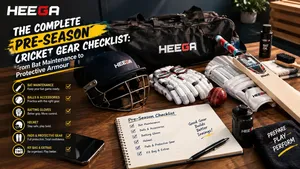 The Complete Pre-Season Cricket Gear Checklist: From Bat Maintenance to Protective Armour.Get match-ready with the ultimate pre-season cricket gear checklist. Learn how to inspect, restore, and maintain your bats, protective armour, spikes, and kit bag.
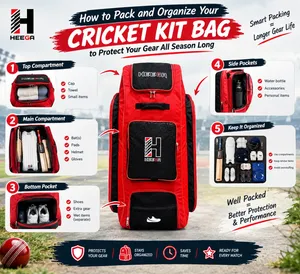 How to Pack and Organize Your Cricket Kit Bag to Protect Your Gear All Season LongLearn how to pack and organize your cricket kit bag properly to protect your bat, gloves, pads, helmet, shoes, and other gear throughout the cricket season.
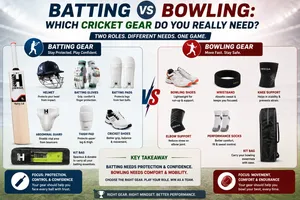 Batting vs Bowling: Which Cricket Gear Do You Really Need?Learn the essential cricket gear needed for batting and bowling. Compare bats, gloves, pads, helmets, shoes, protective equipment, and training gear.