Cricket Ball Size and Shape Rules: How Gauges Keep the Game Fair
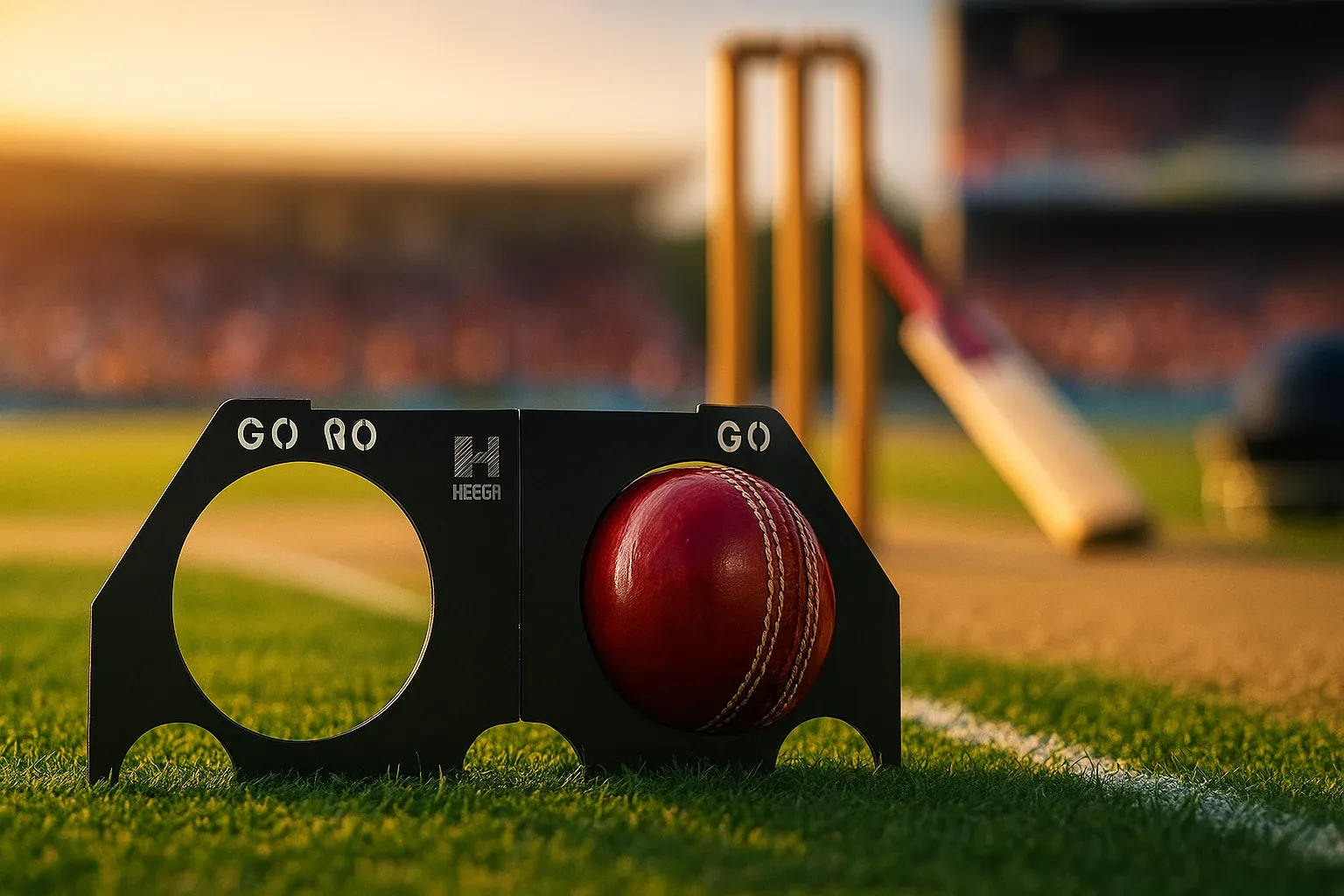
Cricket is often called the “gentleman’s game,” but it is also a game of precision, fairness, and strict adherence to rules. Among these regulations, the size and shape of the cricket ball play a vital role. A cricket ball that does not meet the official dimensions can provide an unfair advantage to either the bowler or the batsman. This is where the cricket ball gauge comes into play.
In this blog, we will explore:
- The official size and weight regulations for a cricket ball
- Why the shape and size of the ball are so important
- How cricket ball gauges are used in professional matches
- What happens if a ball fails the gauge test
- Why every umpire should have a ball gauge in their kit
Let’s dive deep into the science and rules behind this essential piece of cricket equipment.
1. Why Cricket Ball Size and Shape Matter
A cricket ball is not just a piece of leather; it is a carefully crafted tool that impacts every aspect of the game. If the ball is too large or too small, it can affect:
- Swing and Seam Movement: A smaller ball may swing more, while a larger ball may offer better grip to spinners.
- Bounce and Speed: Size variations can alter the aerodynamics of the ball, impacting how it travels off the pitch.
- Player Safety: A heavier or improperly shaped ball can increase the risk of injury.
Fairness in cricket depends heavily on maintaining a standard ball size, and that’s why the ICC has strict regulations.
2. ICC Rules for Cricket Ball Size and Weight
The International Cricket Council (ICC) sets the official dimensions for cricket balls in its playing conditions. Here are the key specifications:
- Men’s Cricket Ball:
- Weight: 155.9 g to 163 g
- Circumference: 22.4 cm to 22.9 cm
- Women’s Cricket Ball:
- Weight: 140 g to 151 g
- Circumference: 21.0 cm to 22.5 cm
- Junior (Under-13) Cricket Ball:
- Weight: 133 g to 144 g
- Circumference: 20.9 cm to 22.2 cm
A ball outside these ranges is considered illegal for play.
3. The Role of a Cricket Ball Gauge
A cricket ball gauge is a simple yet crucial tool used by umpires to ensure that the ball conforms to the ICC standards. The gauge consists of two rings:
- The Maximum Size Ring – The ball must not pass through this ring, ensuring it is not too small.
- The Minimum Size Ring – The ball must pass through this ring, ensuring it is not too large.
If the ball fails to meet these criteria, it is immediately replaced.
4. When Are Ball Gauges Used in Matches?
Umpires typically use the ball gauge:
- Before the start of an innings: To check the new ball.
- During the match: If a ball is suspected to have changed shape (often after repeated use, being hit into hard surfaces, or tampered with).
- When players appeal: Sometimes fielding teams request checks if they believe the ball is damaged or out of shape.
This ensures fair play throughout the match.
5. What Happens if a Ball Fails the Gauge Test?
If the cricket ball fails the gauge test:
- It is immediately replaced with one of similar wear and tear.
- The fielding team cannot choose a brand-new ball unless the replacement coincides with the permitted new-ball interval (80 overs in Test cricket).
- If tampering is suspected, penalties and disciplinary actions can follow.
6. Why Do Balls Lose Shape?
Several factors contribute to a cricket ball going out of shape:
- Repeated impact with the bat
- Hitting hard surfaces (concrete, boundary boards)
- Moisture from the pitch or outfield
- Excessive polishing on one side by players
Over time, the leather stretches, and the seam flattens, altering the ball’s shape.
7. How Gauges Keep the Game Fair
Without a gauge, it would be nearly impossible for umpires to determine slight irregularities in ball size. Gauges:
- Ensure Standardization: Every ball meets ICC regulations.
- Maintain Balance: Prevents unfair advantages to bowlers or batsmen.
- Preserve Integrity: Keeps the game transparent and within the laws.
8. Types of Cricket Ball Gauges
There are two main types of ball gauges used in cricket:
- Metal Ring Gauge – The most common, durable, and accurate.
- Digital Measuring Gauge – Modern versions use electronic sensors for precision, but these are rare at grassroots levels.
9. Can Players Use Ball Gauges?
While primarily an umpire tool, coaches and players can also use gauges during practice sessions to ensure their balls meet standard requirements. This is particularly important in competitive leagues and tournaments.
10. Where to Buy a Cricket Ball Gauge
If you are a cricket enthusiast, coach, or umpire, investing in a good-quality ball gauge is essential. They are available in:
- Sports equipment stores
- Online marketplaces
- Official cricket gear websites like Heega Sports
Final Thoughts
The size and shape of a cricket ball may seem like a minor detail, but it has a massive impact on the fairness and quality of the game. Thanks to cricket ball gauges, umpires can ensure every ball in play meets the standards set by the ICC. Whether you are an umpire, player, or coach, understanding these regulations helps you stay ahead and play fair.
Shop Now
Ensure fair play and accuracy with a high-quality Heega Cricket Ball Gauge.
👉 Shop Now – Heega Sports Ball Gauges
Related posts
 Cricket Rules for Kids Explained: Understanding Runs, Wickets, Overs and Fielding Positions.Learn cricket rules for kids, including runs, wickets, overs, fielding positions, batting, bowling, and basic match rules in a simple beginner's guide.
 How Kids Learn to Read a Cricket Ball: Understanding Line, Length, Bounce and Shot SelectionLearn how kids can read a cricket ball by understanding line, length, bounce and shot selection to develop better batting skills and confidence.
 Kashmir Willow Cricket Bats for Power Hitting: How Blade Shape, Sweet Spot and Edge Thickness Work TogetherLearn how Kashmir willow cricket bat blade shape, sweet spot position, and edge thickness work together to support powerful shots, control, and balance.