Elevate Your Game: Why Indoor Leather Balls Are the Ultimate Practice Essential
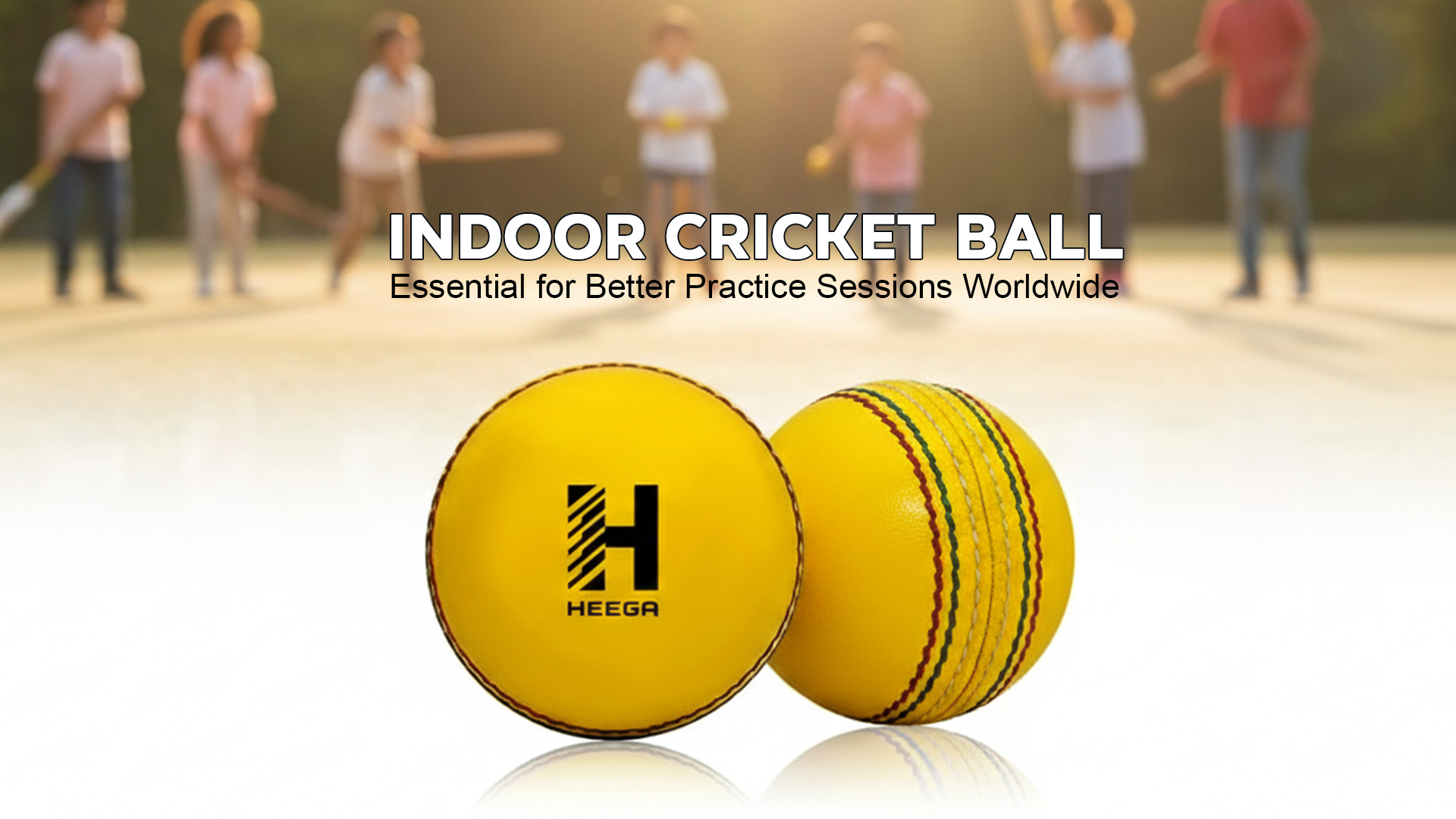
Cricket is often described as a game of inches, where the difference between a match-winning century and a first-ball duck lies in the precision of your preparation. For cricketers spanning the globe—from the spin-friendly conditions of Sri Lanka and Nepal to the bouncy tracks of Australia and South Africa, and the indoor hubs of the UK (Europe) and the USA—practice is the sanctuary where skills are forged.
However, a common dilemma arises when the action moves indoors: What ball should we use?
While tennis balls, rubber balls, or heavy plastic "wind-balls" are common, they often instill bad habits. If you are serious about your development, the indoor leather ball is the only tool that bridges the gap between the practice net and the stadium. In this comprehensive guide, we dive deep into why indoor leather balls are the perfect choice for your sessions and how they cater to the specific needs of cricketers worldwide.
1. The Anatomy of an Indoor Leather Ball
To understand why these balls are superior, we first have to look at their construction. Unlike a standard "Grade A" outdoor ball, which is rock-hard and designed to withstand abrasive turf and high-velocity impact against wooden sightscreens, the indoor leather ball is a hybrid masterpiece.
- The Core: Usually made of a softened cork or a specialized foam-rubber composite. This reduces the "deadly" impact force while maintaining a realistic weight.
- The Cover: High-quality alum-tanned leather. This is the "secret sauce" that provides the tactile feedback a bowler needs.
- The Seam: Often hand-stitched with slightly softer thread to ensure it doesn't tear up indoor synthetic carpets while still offering enough "grip" for the fingers.
By combining these elements, manufacturers have created a ball that feels like a traditional cricket ball but behaves safely within the confines of four walls.
2. Realism: Bridging the Gap to Match Day
The primary reason coaches from Australia to South Africa insist on leather is "transferability." If you spend all winter hitting a tennis ball that flies off the bat with zero effort, your timing will be completely destroyed when you face a real leather ball in the spring.
The "Click" of the Bat
When a batter in the UK (Europe) heads into the indoor nets during a cold January, they need to hear the sound of leather on willow. This acoustic feedback tells a batter if they’ve hit the "sweet spot." Synthetic balls muffle this sound, leading to a lack of sensory awareness. Indoor leather balls provide that authentic "click," helping players refine their timing and shot selection.
Weight and Momentum
In the USA, where many new players are transitioning from baseball or casual cricket, understanding the momentum of a leather ball is vital. An indoor leather ball has the correct weight distribution, teaching batters how to use the weight of the bat to "punch" the ball rather than just swinging wildly.
3. Bowler’s Delight: Seam and Swing
For bowlers, practicing with anything other than leather is often a wasted session.
- Finger Spinners in Sri Lanka and Nepal: For a finger spinner, the seam is their lifeblood. You cannot practice "ripping" the ball if there is no seam to catch your fingernails. Indoor leather balls allow spinners to practice their revolutions and drift, which is impossible with smooth plastic balls.
- Pace Bowlers in South Africa and Australia: Fast bowlers need to practice their "release point." The feel of the leather against the index and middle fingers is unique. Using an indoor leather ball allows a pacer to work on their out-swing and in-swing mechanics without the ball becoming "slippery" as plastic balls often do when they pick up dust from the floor.
4. Safety and Facility Preservation
Indoor cricket centers are expensive to maintain. In the UK and USA, many facilities are multi-sport hubs. A standard outdoor leather ball can shatter a bowling machine, dent metal poles, or even crack a wall.
Indoor leather balls are designed with a slightly lower "restitution" (the bounce factor). They absorb some of the shock upon impact. This protects:
- The Batter: Getting hit by a 90mph leather ball indoors (where the distance is often shorter) can lead to broken bones. The softened core of an indoor ball reduces the risk of serious injury.
- The Environment: Hall owners are much more likely to allow leather-ball practice if they know the balls are specifically designed for indoor use.
5. Global Adaptability: From Kathmandu to New York
Cricket is evolving, and so are the environments we play in.
- The USA Expansion: As cricket grows in America, many players practice in baseball batting cages or repurposed gymnasiums. The indoor leather ball is the perfect bridge for athletes who are used to the weight of a baseball but need to learn the nuances of a cricket seam.
- The UK & Europe Winter Circuit: In England, the "indoor season" is a massive part of the cricketing calendar. Indoor leather balls allow clubs to maintain high-level training standards from October through March, ensuring players are "match fit" the moment the sun comes out.
- Nepal & Sri Lanka Monsoon Prep: When the heavy rains hit, outdoor nets become mud baths. Moving training indoors shouldn't mean a drop in quality. Indoor leather balls ensure that the technical standards of South Asian cricket remain high, even when trapped inside.
6. Tactical Training: Developing Soft Hands
One of the most difficult skills to teach in cricket is playing with "soft hands"—the ability to drop the ball at your feet for a quick single. On the hard, fast-paced surfaces of indoor nets in Australia, the ball can fly off the bat.
Because the indoor leather ball has a slightly dampened core, it rewards players who play with "soft hands." If you hard-hand the ball, it will still fly, but it teaches the nuance of defensive play better than any other training aid. This is a crucial skill for the shorter formats of the game, like T20, where rotating the strike is key.
7. Cost-Effectiveness and Durability
While a high-quality indoor leather ball might cost more than a tennis ball, its longevity is impressive.
- Standard Tennis Balls lose their fluff and pressure within an hour of high-intensity hitting.
- Plastic Balls often crack or become misshapen.
- Indoor Leather Balls are built to last. The leather is treated to be scuff-resistant, and the internal core is designed not to "go soft" even after thousands of impacts. For a club in Nepal or a school program in South Africa, this durability represents a better long-term investment.
8. Enhancing Wicket-Keeping Reflexes
We often forget about the keepers! A wicket-keeper needs to practice the "give" in their hands when catching. The weight of an indoor leather ball is essential for this. Catching a tennis ball requires a different hand tension than catching a leather ball. By using indoor leather, keepers in the UK or Australia can keep their glove-work sharp, ensuring they don't "poke" at the ball when the outdoor season begins.
Conclusion: Why Wait for Summer?
The days of "making do" with inferior equipment are over. Whether you are aiming for the national team in Sri Lanka, playing club cricket in London, or discovering the sport in Texas, your practice is only as good as the ball you use.
Indoor leather balls provide the realism, safety, and durability required to take your game to the next level. They honor the traditions of the sport while embracing the reality of modern, indoor training. Don't let your skills stagnate during the off-season or the rainy months. Switch to indoor leather and feel the difference in every drive, every spin, and every catch.
Meta Description:
Unlock your potential with indoor leather balls. Perfect for cricketers in South Africa, USA, Australia, UK, Sri Lanka, and Nepal. Learn how these balls provide realistic seam, swing, and safety for the ultimate practice session.
[ SHOP NOW - Get Your Professional Indoor Leather Balls Today! ]
Related posts
 Leather Ball Cricket Explained: How Ball Condition, Seam and Swing Influence BowlingLearn how leather ball cricket works and how ball condition, seam position, shine, and swing influence bowling accuracy, movement, and performance.
 Cricket Kit Essentials Explained: What Every Player Needs for Practice and Match DayDiscover essential cricket kit items for practice and match day, including bats, protective gear, clothing, footwear, and accessories for every player.
 How to Choose the Right Cricket Bat for Leather Ball Cricket.Learn how to choose the right cricket bat for leather ball cricket based on willow, weight, balance, profile, size, playing style, and budget.